Taiko is one of those Japan experiences that feels instantly real—even if you’ve never held a drum. I love the hands-on structure (history, demo, then step-by-step practice), and I especially love that the lesson is made for different fitness and skill levels. One thing to watch: the timing is tight. If you’re late from Kyoto Station, you may not be able to join in, and refunds won’t apply.
What makes this stand out from typical sightseeing is the mix of culture and action: you’ll learn about the role of taiko in Japanese life, try simple calligraphy on a hachimaki headband, then play a short piece with your small group and finish with a photo in traditional costume.
In This Review
- Key Points You Can’t Miss
- Reaching the Studio: Kyoto Station Pickup Done the Practical Way
- Taiko History First: Why the Drums Matter Before You Play
- Hachimaki Calligraphy: Your Headband, Your Wish
- The Live Taiko Demonstration: What to Watch For
- The Lesson: Basic Movements You Can Actually Use
- Your Group Performance and the Photo in Traditional Costume
- Price and Value: What $115.62 Buys You
- Who This Tour Fits Best (and Who Might Want to Skip It)
- Should You Book This Taiko Class in Kyoto?
- FAQ
- How long is the taiko experience?
- Where do I meet the group?
- Do I need any experience to join?
- Is there an English guide?
- What does the price include?
- Do I need to pay in cash?
- Can friends or family watch without participating?
- Are children allowed?
- What happens if the weather is bad?
Key Points You Can’t Miss
- Small group size (up to 15) means you actually get coaching, not just a seat.
- No experience required, and the instructor adjusts the lesson to you.
- Calligraphy on a hachimaki turns the experience into something you can take home.
- A live professional taiko demonstration sets your ear and body up for the lesson.
- You’ll do a short group performance, then get a commemorative costume photo.
- Transport is handled from Kyoto Station with a quick train hop and cab to the studio.
Reaching the Studio: Kyoto Station Pickup Done the Practical Way
This experience starts at Kyoto Station, and that matters because Kyoto Station is big enough to swallow people whole. Plan to arrive 15 minutes early and locate the meeting spot ahead of time. The start time is firm—due to the train schedule, they can’t wait for latecomers.
From there, the plan is efficient:
- Take a 12-minute JR train ride from Kyoto Station to JR Takatsuki Station (the closest station to the studio).
- Then it’s a 10-minute cab ride to the drum studio area.
Why I like this logistics setup: you avoid the expensive option of taxiing straight from Kyoto (which can take over an hour and cost a lot). Also, you’re not stuck figuring out trains while you’re already excited and a little jet-lagged.
A small heads-up based on the provided info: transportation relies on staying within the schedule. If you show up late, you may miss the start and won’t be able to participate even if you call. In other words, treat this like a train connection—because it is.
If you're still narrowing it down, here are other tours in Kyoto we've reviewed.


Taiko History First: Why the Drums Matter Before You Play
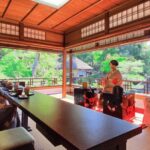
Before anyone hands you sticks, you get a brief but meaningful explanation of taiko’s history and why drumming matters in Japanese culture. This isn’t just trivia. It helps your brain map what you’re about to learn to something larger than a classroom rhythm.
In the session flow, that history comes right after the transfers, while you’re still oriented and in “attention mode.” You’ll also see the connection between taiko as performance and taiko as tradition—how drumming sits inside festivals, community, and cultural identity.
From the way the instructors are described, the history portion is also tied to the feel of taiko. You’re not just learning that taiko exists; you’re learning why the movements look and sound the way they do.
Hachimaki Calligraphy: Your Headband, Your Wish
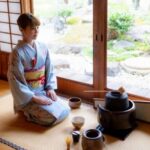
Then comes one of the fun, uniquely Japanese parts: simple calligraphy on a hachimaki—a traditional Japanese headband. You write something based on the idea of your wishes (it’s described as marking your wishes), using the hachimaki as a take-home memento.
This is more than a craft break. It sets a tone. Once you put on the headband, you start performing as part of the experience, not as an observer watching from the sidelines.
If you like souvenirs that aren’t mass-produced, this is a solid one. And since it happens before the drumming, it helps you settle in rather than feeling rushed later.
The Live Taiko Demonstration: What to Watch For
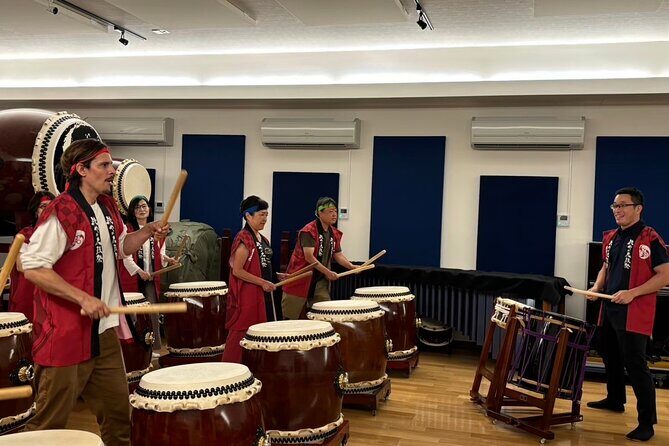
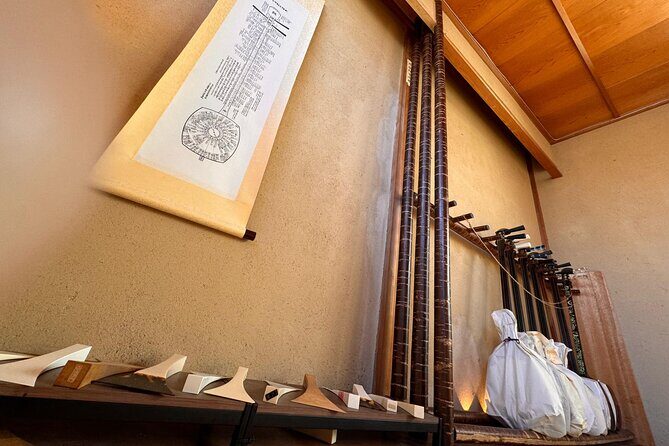
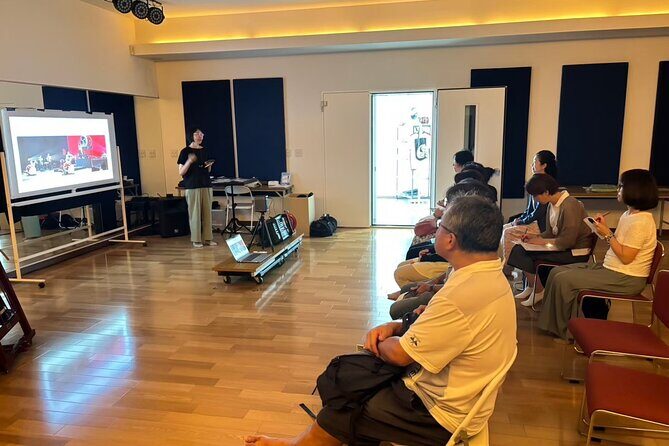
After the calligraphy, you’ll watch a powerful taiko demonstration by a professional instructor. The key detail here is that it’s presented as a professional performance in the studio—big sound, big presence, and the kind of energy that makes you understand taiko in your body, not just your ears.
A great way to get value from the demo: don’t focus only on the speed. Watch how the performer uses posture and timing. Taiko isn’t only about hitting. It’s about structure—how the body helps produce the sound and how the rhythm lands.
In a comment about one lower-rated experience, there was a mention of a demonstration described as live combined with recorded elements. Even so, the overall impression across the session is that the performance is a highlight, and many people call out the instructor’s talent and the power of the demonstration.
Translation note that can matter if you’re anxious: guides in English are part of the setup, and multiple names show up in comments like Michiko and others, who help explain things during the class. That means you’re not stuck guessing what’s happening.
The Lesson: Basic Movements You Can Actually Use
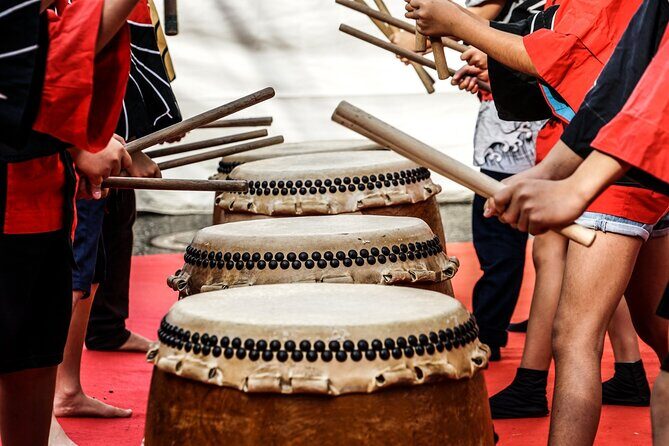
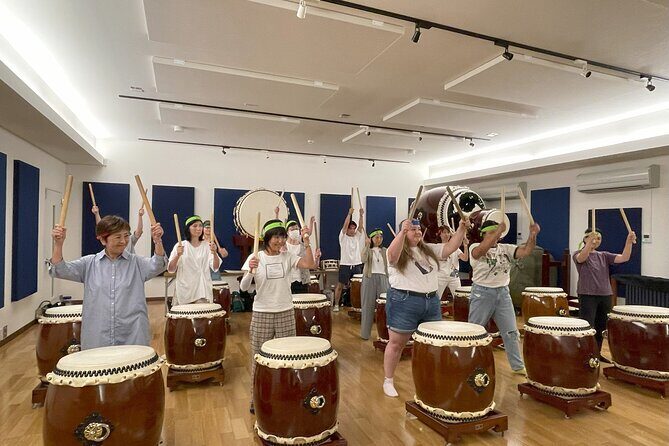
Now for the part you came for: you learn basic taiko movements and techniques, then you practice.
The most important thing the description makes clear is that this is built for all levels—no previous drumming required. The instructor also tailors lessons based on your skill and fitness level. That doesn’t mean you’ll skip effort; it means the teaching adjusts so you can succeed without needing to be an athlete or a musician first.
In practice, this tends to feel like:
- Learning the core motions (the “how”)
- Understanding timing and rhythm (the “when”)
- Trying short patterns until you can follow as a group (the “together” part)
You’ll also be taught to play a simple piece with fellow participants at the end. That structure is smart for beginners: it makes you feel the payoff instead of just learning isolated beats.
If you’re worried about physical stamina, don’t. Taiko can be cardio-ish, but the group format and adjustments mean you can participate at your level.




Your Group Performance and the Photo in Traditional Costume
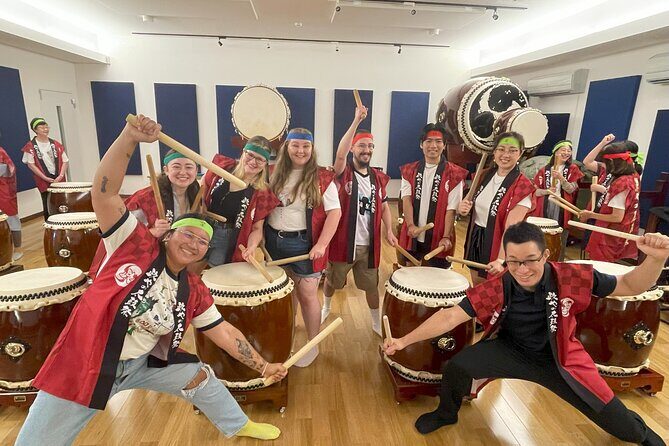
The finale is hands-on. After practicing basics, you play a simple rhythm piece together. This is where the class stops being a lesson and becomes an actual experience.
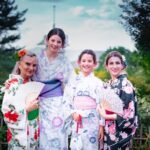
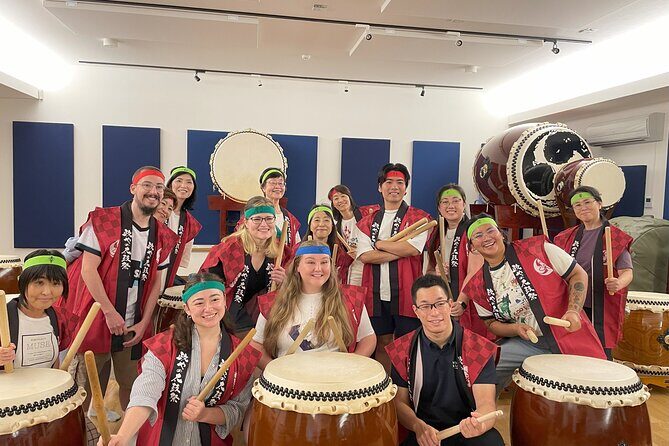
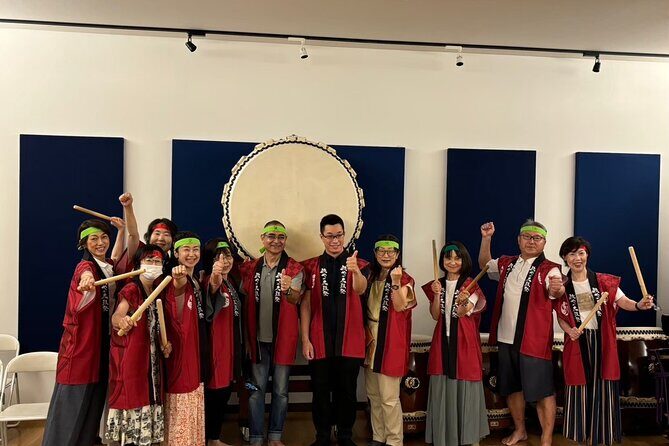
Then you wrap up with a commemorative photo in traditional Japanese costume, including a happi and hachimaki. This is the kind of souvenir that feels fun and ceremonial, not posed like a theme park picture.
And honestly, that last step matters. It turns a “I learned something” morning into “I did something” with a visible memory.
Price and Value: What $115.62 Buys You
At $115.62 per person, this isn’t the cheapest thing in Kyoto—but it’s also not just a museum activity.
Here’s where the value comes from, based on what’s included:
- A real taiko studio experience with a professional instructor
- Guide support in English
- Hachimaki (headband) as part of the experience
- Transportation from Kyoto Station to the studio area (train + cab)
- A one-way ticket to JR Takatsuki Station
- A cap on group size (maximum 15), which helps you get instruction
A big value point: you’re paying for more than sightseeing. You’re learning a skill. Even if you only leave with a basic rhythm, that’s a memory with muscle behind it.
One pricing consideration: the experience also notes that for observers who don’t participate, the cost is 9,000 yen per person. If you’re traveling with someone who wants to watch, plan for that cost. Also, the day-of payment is cash in Japanese yen at the studio, so don’t count on card for this part.
Who This Tour Fits Best (and Who Might Want to Skip It)
This taiko experience fits you if you want:
- A hands-on cultural activity in Kyoto instead of only temples and photo stops
- A beginner-friendly class with real instruction
- A memorable cultural souvenir via hachimaki calligraphy and the costume photo
You’ll especially like it if you enjoy music, rhythm, or anything performance-based—because the class ends with a group piece, not just a demo.
It may be less ideal if:
- You hate strict schedules and train-dependent start times
- You want a slow, unstructured experience with lots of walking around a neighborhood
- You’re traveling with very young kids (children under 7 aren’t allowed)
Also, the session is weather-dependent. If it’s canceled due to poor weather, you’ll be offered a different date or a full refund.
Should You Book This Taiko Class in Kyoto?
If you want an experience that mixes culture, creativity, and real participation, I’d book it. It’s built to work for beginners, and the lesson format makes it feel attainable. The small group size also helps the instructor keep you moving in the right direction.
Two practical reasons to lean yes:
- You get both context (taiko history) and action (you play).
- You leave with a tangible memory—your hachimaki plus a costume photo.
My final caution is simple: show up early and be ready for cash. With train timing being part of the plan, being late can mean missing the experience entirely.
If that doesn’t scare you, this is a great way to add something loud (in the best way) and memorable to your Kyoto trip.
FAQ
How long is the taiko experience?
It’s about 2 hours 30 minutes (approx.), and the duration includes the experience and the transfer time. You can expect to return to Kyoto Station about 2.5 to 3 hours after the start time.
Where do I meet the group?
The start is at Kyoto Station (meeting point listed as Higashishiokoji Kamadonocho, Shimogyo Ward, Kyoto 600-8216, Japan). The activity ends back at the meeting point.
Do I need any experience to join?
No. The lesson is designed for all levels and requires no experience.
Is there an English guide?
Yes. The guide language offered is English.
What does the price include?
Included items are taiko playing with an instructor, a hachimaki headband, a guide, transport by car from/to the studio (about 2000 yen noted for the cab), and a one-way ticket to JR Takatsuki Station.
Do I need to pay in cash?
Yes. You need to pay in cash (Japanese yen) at the drum studio on the day of the tour.
Can friends or family watch without participating?
Yes, but observing without participating costs 9,000 yen per person. You should notify the provider if anyone will be observing, since transportation may not be arranged without notice.
Are children allowed?
Children under 7 years old are not allowed to participate.
What happens if the weather is bad?
If it’s canceled due to poor weather, you’ll be offered a different date or a full refund.