This market-to-kitchen day feels personal. You’ll spend about 45 minutes walking Demachiyanagi Shoutengai with Aki, picking out ingredients you’ll use later, then head to her home kitchen for an hour-long cooking class and the meal you make. I love how this is hands-on and real, not a scripted demo, and I also like the home setting, where Aki shares practical tips (including how to nail classics like miso soup).
The biggest thing to consider is logistics: there’s no hotel pickup/drop-off, and you’ll take a bus from the market to Aki’s home (about 10 minutes, four stops). If you’re the type who hates figuring out transit even for a short hop, plan a little extra time.
In This Review
- Key things you’ll notice fast
- From Demachi Futaba to Demachiyanagi Shoutengai: the market start
- How Aki helps you shop like a local (and pick better ingredients)
- The short bus ride to her home kitchen
- Your hands-on cooking class: miso soup tips and home-style technique
- What you eat: a meal that comes from your own choices
- Price and logistics: what $119 actually covers
- Who should book this Kyoto market tour and cooking class
- Quick tips so your day runs smoothly
- Should you book this Kyoto market tour and cooking with Aki?
- FAQ
- What is the duration of the Private Kyoto Market Tour and Cooking Class with Aki?
- Where does the tour start?
- How long do you spend at the market?
- How do you get from the market to Aki’s home?
- Is this tour private?
- What food and drinks are included?
- Is a vegetarian option available?
- Are recipes provided in English?
- Is alcohol included for everyone?
- What is the booking and change/cancellation policy?
Key things you’ll notice fast
- Demachiyanagi Shoutengai market focus: you shop for real ingredients, not souvenirs
- Private, 1-on-1 attention: Aki guides at your pace and answers cooking questions
- English support: recipes are provided in English, and Aki helps you handle the shopping conversations
- Cooking class happens in a home kitchen: you’ll cook dishes and techniques you might not see in restaurants
- You eat what you make: lunch or dinner is part of the lesson, not an afterthought
From Demachi Futaba to Demachiyanagi Shoutengai: the market start
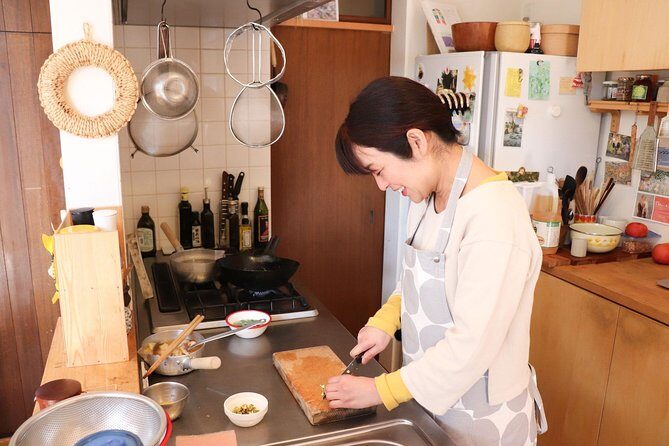
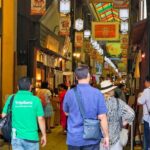
Your day begins near Demachi Futaba (236 Seiryūchō, Kamigyo Ward) at 10:30am, and you’ll link up with Aki before heading into the neighborhood street market area known as Demachiyanagi Shoutengai. This is one of those starts that feels like you’re getting oriented with a local rather than being herded through a checklist.
You can also think of this first stretch as your ingredient “training wheels.” You’ll learn what to look for in basic Japanese staples and higher-quality regional produce, and you’ll pick a few vegetables and items that become your cooking plan later. That matters because the market portion isn’t separate entertainment. It’s the foundation for what ends up on your plate.
One more small but important point: the day runs about 4 hours total, so you’re not spending the whole time waiting around. Roughly 45 minutes is walking and selecting, then you shift gears to cooking.
Other private tours in Kyoto


How Aki helps you shop like a local (and pick better ingredients)
The market visit is where you learn the difference between buying ingredients and actually choosing them. Aki helps you find basic Japanese food ingredients and seasonal produce, but more than that, she shows you how to select items that work in the kinds of dishes you’ll cook later.
Here’s what makes this feel useful when you’re back home: you’re not just memorizing names. You’re picking vegetables and ingredients based on quality, and you’re learning what each ingredient contributes to Japanese cooking. That’s the sort of knowledge that helps you cook better even when you’re shopping far from Kyoto.
The setting also has an “I’m seeing how people live” vibe. It’s a local neighborhood market, and you get to see how shops operate and how people buy for everyday meals. In the reviews, that part comes up again and again: Aki helps with conversations at the shops, especially if your Japanese is basic, and that turns the market from observation into interaction.
Practical tip: wear comfortable shoes. You’ll be walking through the market for about 45 minutes, and you’ll likely slow down at stalls when Aki explains what to look for.
The short bus ride to her home kitchen
After shopping, you’ll head from the market to Aki’s home by bus. It’s about 10 minutes, and her home is around four bus stops away. This brief ride is part of what makes the experience feel real. You’re not just moving between attractions; you’re moving through the rhythms of the city.
There’s no hotel pickup, so you’ll be relying on your own ability to get to the meeting area and then follow the group’s plan. The upside is that it keeps the day compact and efficient. The moment you arrive at the home kitchen, you’re ready to cook, not to search for a classroom location or wait through transport delays.
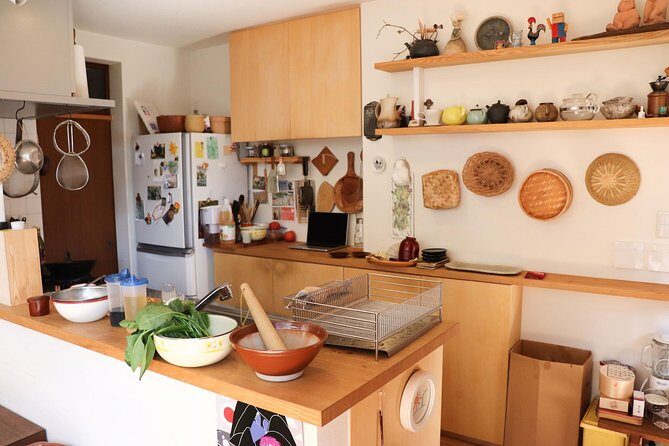
Once you’re there, the tone shifts from street-level browsing to quiet focus. Aki provides guidance, and the cooking portion runs about an hour before you sit down to eat.
Your hands-on cooking class: miso soup tips and home-style technique
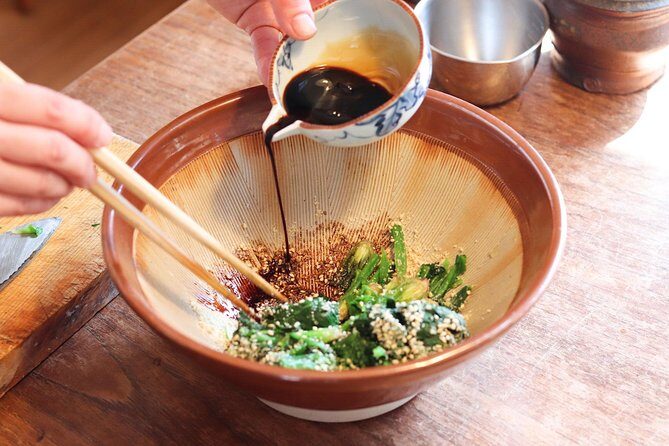
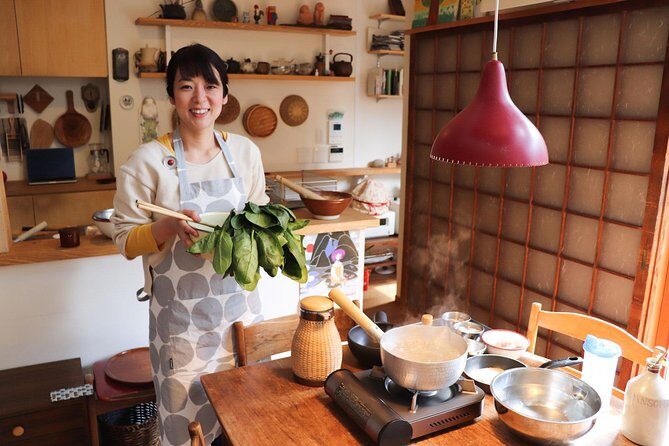
The cooking lesson is where the day earns its name. Aki’s approach is hands-on, and you’ll get a recipe set in English, then guidance through the steps as you cook. The goal isn’t to make you reproduce one restaurant dish perfectly. It’s to teach you the method and the reasoning so you can cook similarly at home.
A key point from the experience description: she’ll show you dishes that may not be served in restaurants, plus “secret tips” for familiar classics like miso soup. That’s exactly the kind of detail that changes the result when you try it later. Restaurant flavor is often about the balance of ingredients and the timing. A home cook knows those small steps that don’t always show up in cookbook instructions.
You also get personalized attention because it’s private. That means Aki can slow down or speed up based on what you’re doing, and she can answer your questions while you’re standing at the cutting board. For beginner cooks, this reduces stress because you’re not guessing. For more experienced cooks, it’s a chance to compare your instincts with Japanese technique and pantry logic.
One more nice touch: you’re learning food and culture at the same time. That can show up in how ingredients are used, how the kitchen workflow works, and how Aki explains why certain combinations make sense in Japanese meals.
What you eat: a meal that comes from your own choices
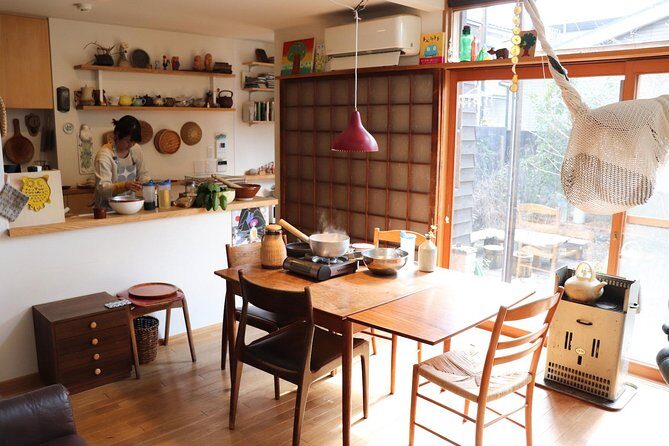
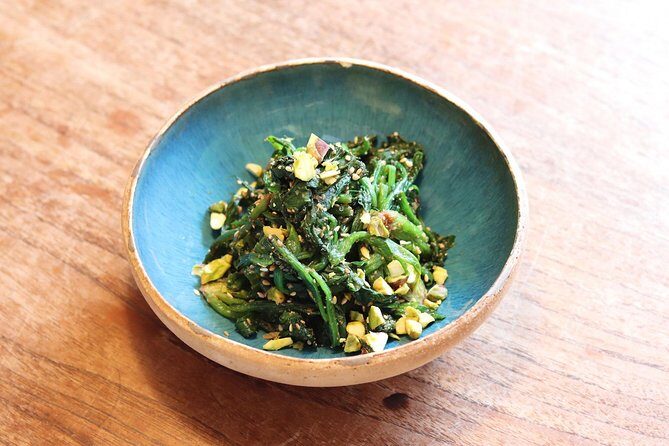
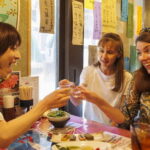
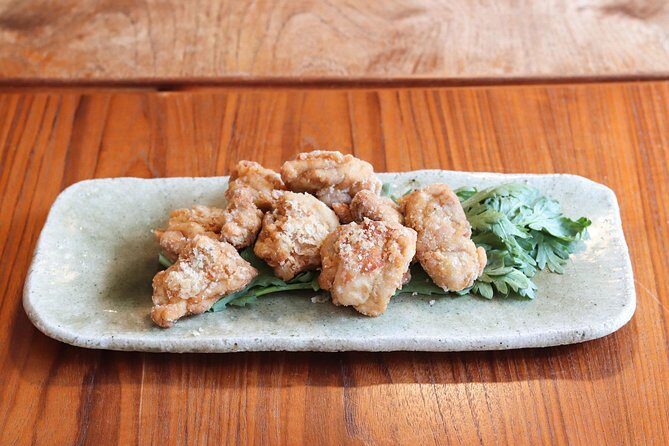
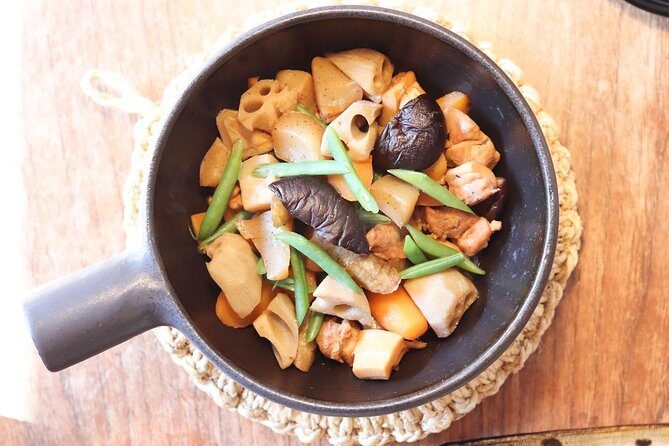
After the cooking, you eat what you made. That part is included, and it’s not just a photo-op plate. Because you chose the vegetables and ingredients at Demachiyanagi Shoutengai, the meal feels like the final chapter of your learning, not an unrelated bonus.
The experience includes the homecooked Japanese meal and non-alcoholic beverages. There’s also 1–2 glasses of local alcohol included, depending on the flow of the meal and what’s appropriate for your group. If alcohol isn’t your thing, the non-alcoholic drinks are already part of what’s included.
Menu may vary by season, which is smart. Seasonal ingredients are a big part of Japanese cooking, and it keeps the class from feeling like the same exact menu all year. The downside is that you can’t count on a specific dish every time, but if your goal is learning how Japanese cooking adapts, that variation is a plus.
Also, the dinner often feels different from restaurant food because it’s home-style and focused on what Aki is teaching you. In the reviews, people repeatedly describe the meal as the best they had in Japan or a standout experience by a wide margin. That’s the kind of praise you should treat as a signal: this isn’t a token meal.
Other shopping tours in Kyoto

Price and logistics: what $119 actually covers
At $119 per person, this isn’t the cheapest way to eat in Kyoto. But you’re also not paying for just a meal or just a class. You’re paying for a full private experience that includes:
- Market walking time with Aki (about 45 minutes)
- A private cooking lesson in her home (about an hour cooking)
- Your meal and beverages (plus 1–2 glasses of local alcohol)
- English recipe guidance
Then there’s the part that makes the price feel more reasonable once you see it: you’re getting that combination of local shopping + private instruction + sit-down meal in a home setting. Many cooking experiences give you only one of those elements. This ties them together, so the learning sticks.
The logistics also matter for value. No hotel pickup/drop-off means the cost stays focused on the actual experience. If you’re already near the meeting area, it’s straightforward. If you’re farther out, you’ll want to plan transit so you can arrive on time and keep the day moving smoothly.
Who should book this Kyoto market tour and cooking class
This works best if you want food that’s closer to real daily life. If you like Japanese ingredients and want to understand how to choose better produce, you’ll enjoy the market part. If you want to learn cooking you can actually repeat at home, the home kitchen lesson and recipe guidance are the payoff.
It’s also a good match for both beginner and experienced cooks. The experience is designed to be fun and approachable, while still including useful tips that can improve your technique. Because it’s private, Aki can tailor the pace and attention to your comfort level.
If you’re chasing tourist-only Kyoto, this might feel too local. But if you want to step away from the crowd and see a neighborhood street market plus a home kitchen, this hits the sweet spot.
Quick tips so your day runs smoothly
A few practical things make a big difference:
- If you have allergies or dietary restrictions, tell Aki at booking. The experience supports dietary needs, and a vegetarian option is available if you request it ahead of time.
- Expect a short bus ride after the market. Plan to arrive at the meeting point on time so you don’t shorten your market time.
- Bring curiosity. Aki’s teaching style seems to work best when you ask questions and follow along at your pace.
- Wear shoes that handle uneven sidewalk areas in markets. Your feet will do most of the work before the chopping starts.
One more thought: the tour is non-refundable and can’t be changed for any reason. If your Kyoto dates are flexible, confirm your plans before booking.
Should you book this Kyoto market tour and cooking with Aki?
I’d book it if you want a day where you learn practical Japanese food skills and end with a meal you helped create. The best-case scenario here is that you leave Kyoto with two kinds of value: the ingredient know-how from the market and the technique details from cooking in Aki’s home kitchen, including guidance for classics like miso soup.
Choose this especially if you:
- Want a private experience with lots of personal attention
- Like authentic local settings more than big-name sights
- Care about learning what makes Japanese flavors work, not just eating them
Skip it if you only want a quick, no-effort activity, or if the idea of going without hotel pickup stresses you out. Otherwise, this is the kind of Kyoto experience that feels like it stays with you, because it’s built around real shopping, real cooking, and real eating.
FAQ
What is the duration of the Private Kyoto Market Tour and Cooking Class with Aki?
The experience lasts about 4 hours (approx.).
Where does the tour start?
You start at Demachi Futaba, 236 Seiryūchō, Kamigyo Ward, Kyoto. The start time is 10:30am.
How long do you spend at the market?
You spend about 45 minutes walking through Demachiyanagi Shoutengai with Aki and picking ingredients.
How do you get from the market to Aki’s home?
You take the bus. It takes about 10 minutes, and the home is about four bus stops away from the market.
Is this tour private?
Yes. It’s private, so only your group participates.
What food and drinks are included?
The experience includes a homecooked Japanese meal, non-alcoholic beverages, and 1–2 glasses of local alcohol.
Is a vegetarian option available?
Yes. A vegetarian option is available if you advise at booking.
Are recipes provided in English?
Yes. Aki provides recipes in English and guides you through the cooking.
Is alcohol included for everyone?
The experience includes 1–2 glasses of local alcohol, and non-alcoholic beverages are also included. The tour info doesn’t specify alternatives beyond non-alcoholic drinks, so plan around what you prefer.
What is the booking and change/cancellation policy?
Confirmation is received within 48 hours of booking, subject to availability. The experience is non-refundable and cannot be changed for any reason.