If you love food, Kyoto is built for you. This 2-hour walk strings together two of the city’s most useful eating places, the Nishiki Market lanes and a Depachika food hall in a department store basement, then adds a calm breather at Nishiki-Tenmangu Shrine. You get a simple route that fits neatly into a busy itinerary, with an English-speaking guide keeping things moving and explainers coming as you go.
What I like most is that the tastings are specific and substantial, including yuba sashimi (tofu skin) and a soy milk donut, plus savory bites like Nishiki gyoza and tempura hamo fish. I also like how the guide can steer the pace based on your questions and interests, with real examples in the guide line-up such as Vincent, Jasmine, Mao, and Boris. One consideration: the schedule is tight, so you’ll want to arrive early and be ready to taste as you walk, not after you finish wandering on your own.
In This Review
- Key things to know before you go
- The core idea: Nishiki Market + Depachika in a tight 2-hour loop
- Meeting at Apple Kyoto and the practical logistics that matter
- Stop 1: Daimaru Kyoto food market visit (about 1.5 hours total at the start area)
- What you’re eating here
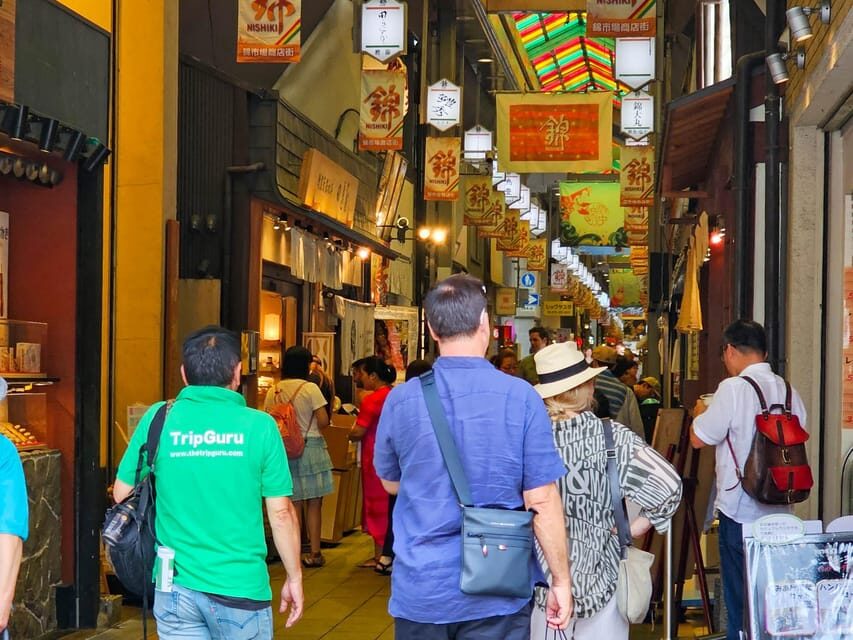
- Stop 2: Nishiki Market, the Kyoto food street you can’t skip
- The included tastings in the market
- Shopping tips without pressure
- Nishiki-Tenmangu Shrine: the pause that makes the food taste better
- What the guide actually does (and why names like Jasmine and Boris keep showing up)
- Price and value: why $42 makes sense if you use the included tastings well
- Who this tour suits best (and who should skip it)
- Quick tips so you get the best experience
- Should you book this Kyoto Nishiki + Depachika food tour?
- FAQ
- How long is the tour?
- How big is the group?
- Where do I meet the guide?
- What food is included in the tastings?
- Is the tour in English?
- What should I bring?
- How early do I need to arrive?
- Is it refundable if my plans change?
Key things to know before you go
- Small group (max 9) means more interaction and fewer lost-in-the-crowd moments.
- Two tasting-heavy stops in a department store basement and Kyoto’s signature market.
- Included bites are clearly defined, not vague samples, including yuba sashimi and soy milk donut.
- Nishiki-Tenmangu Shrine adds a quiet cultural pause right after food.
- You’ll need cash and good shoes; you’re walking through dense streets and indoors too.
- Timing matters: the guide waits only up to 10 minutes after the meeting time.
The core idea: Nishiki Market + Depachika in a tight 2-hour loop
This is the kind of tour you book when you want results fast. Kyoto can swallow time quickly, and Nishiki Market in particular is easy to get turned around in if you go solo. Here, the route keeps you moving between two different styles of food shopping and eating: market stalls in a classic indoor shopping street, then a department store food hall in the basement level where you can try things without committing to a full meal.
The best part is that you’re not just looking. You’re tasting. Your included food items cover a range of Kyoto flavors and textures: tofu skin (yuba), soy-based sweetness, savory gyoza, and tempura hamo fish. That mix helps you understand the logic behind Kyoto’s eating culture, not just collect bites.
And because the group is capped at nine people, guides can actually talk to you while you’re walking. In the guide feedback you’ll see names like Jasmine, Mao, Ai, and Richard showing up repeatedly for English clarity, helpful explanations, and friendly pacing.
A few more Kyoto tours and experiences worth a look
Meeting at Apple Kyoto and the practical logistics that matter
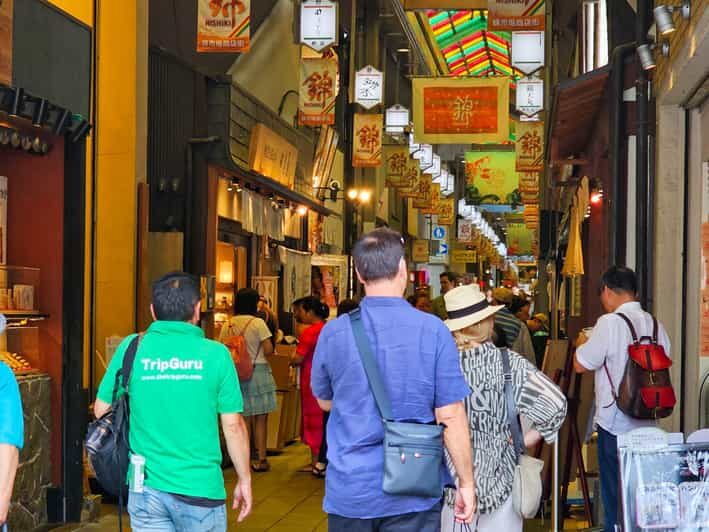
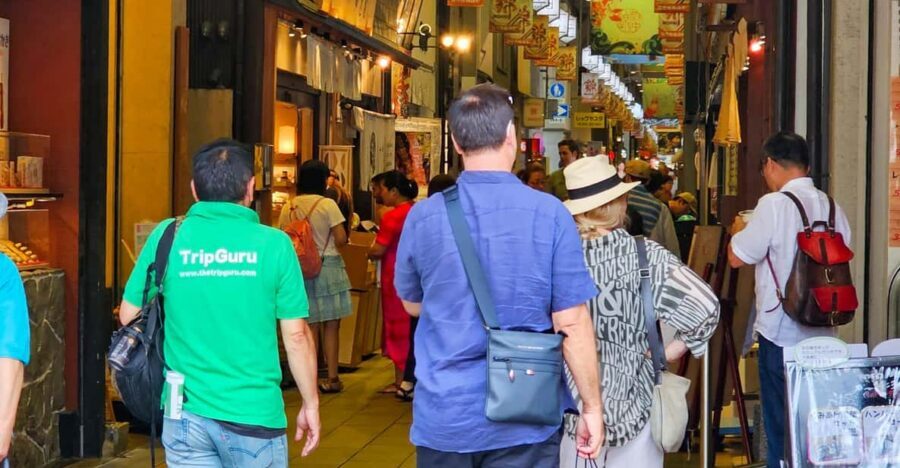
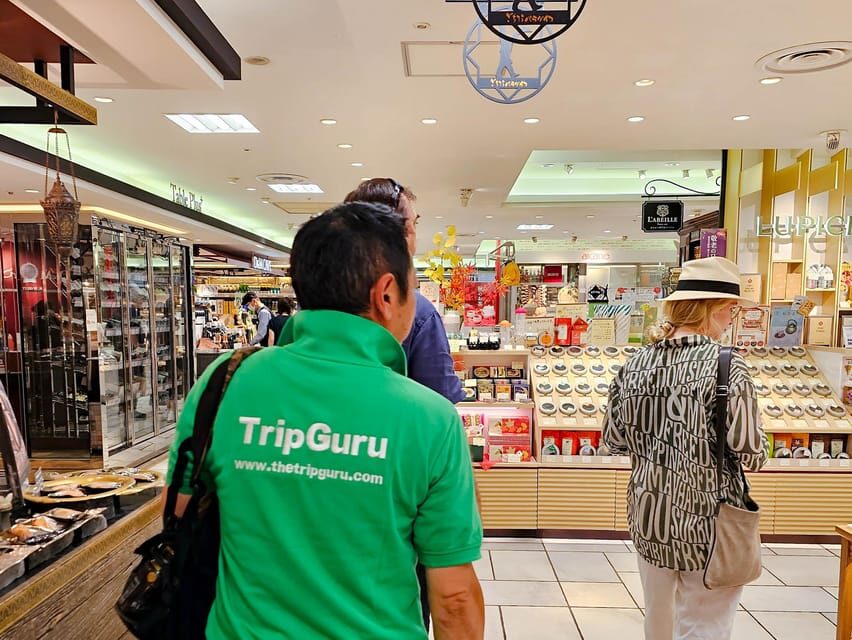
You meet at Apple Kyoto, with your guide waiting in a TripGuru shirt or holding a TripGuru sign. The tour runs about 2 hours, and it’s designed for a quick win: you’ll cover the main food zones without needing to plan every turn yourself.
Two details can make or break your experience:
- Be early. You should show up at least 10 minutes before the stated meeting time. The guide will wait a maximum of 10 minutes before moving on.
- Bring cash. Even though tastings are included, you may want to buy extra snacks, drinks, or take-home items. The tour data also specifically calls out cash.
Also keep in mind: morning traffic can be heavier than navigation apps suggest. If you’re coming from another neighborhood, give yourself a buffer so you don’t arrive at the meeting point stressed, because that stress will show up in how much you enjoy the market.
Stop 1: Daimaru Kyoto food market visit (about 1.5 hours total at the start area)
Your tour gets going at Daimaru Kyoto, where you spend time at a food market area and then transition into the Nishiki area. This is where the Depachika part of the tour starts to make sense.
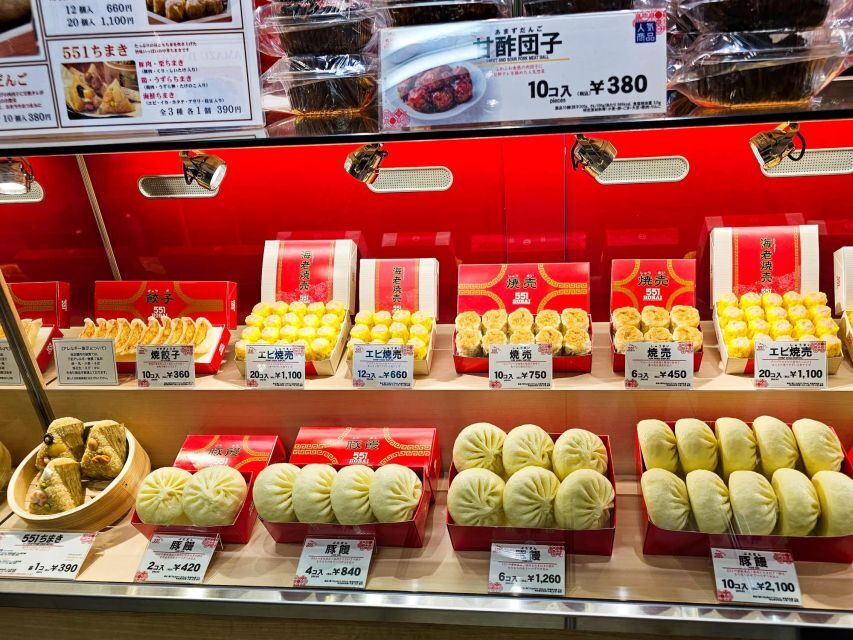
Depachika are department store basements turned into food playgrounds. The upside for you is convenience: you can sample and browse in a controlled indoor space. The downside is that it can feel a little like an organized food festival, so if you don’t get direction, you can end up wandering without tasting the best options.
That’s why a guide helps. In guide feedback, people repeatedly mention guides steering them toward specific stalls and snacks they would not have attempted alone. If you’re the type who likes to ask questions, this is the point where you’ll get answers fast. You can learn what a certain item is made from, what to look for, and how Japanese food is often built in layers: snack first, then savory, then sweetness.
What you’re eating here
Your tastings are included as part of the tour, and the data lists these items as the set you’ll try: yuba sashimi + soy milk donut, along with Nishiki gyoza and Uoriki tempura hamo fish. You may experience the exact order slightly differently depending on the flow of the day, but the important part is that you’re not guessing what’s worth trying.
Stop 2: Nishiki Market, the Kyoto food street you can’t skip
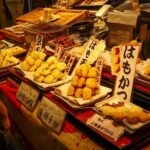
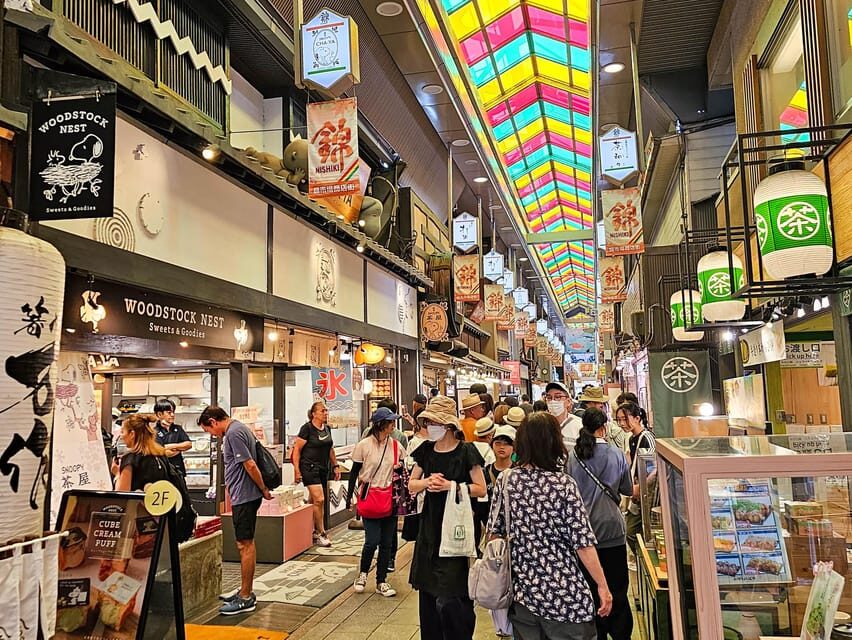
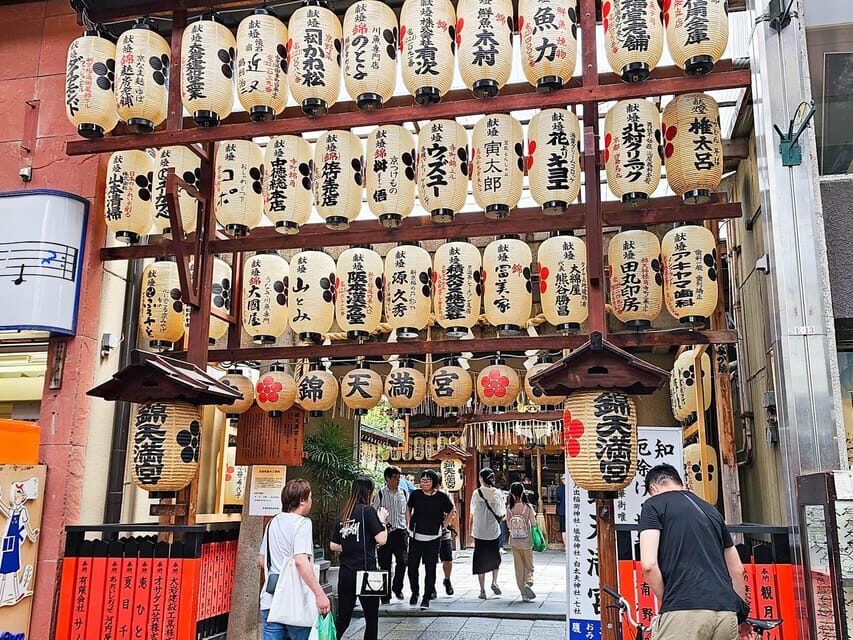
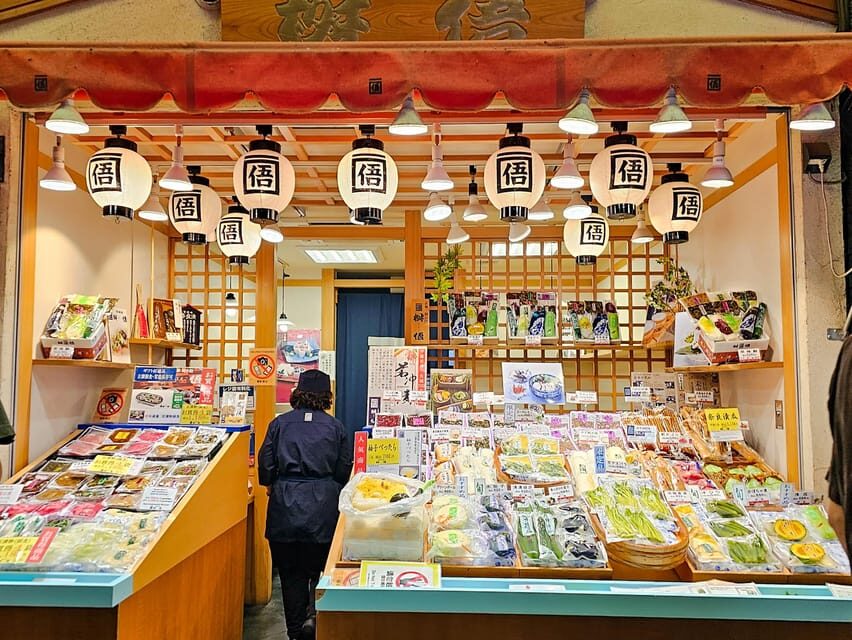
After the department store segment, you head into Nishiki Market, often called Kyoto’s kitchen. This is the busy, narrow corridor where food stalls sell seasonal ingredients, Kyoto specialties, and the kind of small gear you didn’t realize you needed until you see it—cookware, knives, and all sorts of shopping temptation.
Here’s the real value: Nishiki Market isn’t only about eating. It’s about understanding the building blocks of Kyoto cuisine. You’ll see vendors handling ingredients and prepared items side-by-side, and you’ll learn why certain snacks get treated like normal street food while other items feel ceremonial.


The included tastings in the market
This is where your savory snacks land. Two of the included items are clearly tied to what makes Nishiki feel like Kyoto:
- Nishiki gyoza: a familiar format, but you’ll taste it in a Kyoto context.
- Uoriki tempura hamo fish: fish tempura is a different experience from standard meat-and-pork street snacks. You get the crisp coating and a more delicate protein profile.
If you’re expecting one flavor theme, you might be surprised—in a good way. Nishiki tends to be small-bite heavy, which means you get a sequence of tastes rather than one giant meal. That format is perfect for a short tour because it teaches you fast without a long sit-down meal.
Shopping tips without pressure
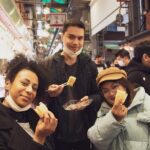
One of the most repeated themes in guide feedback is a relaxed vibe. People mention guides creating a friendly atmosphere, explaining foods as they sample, and not pushing you into buying everything you see. That matters, because in a crowded market, pressure can turn fun into a sales sprint. Here, you can browse, ask questions, and decide.
Also, if you like to shop after eating, this tour helps you understand where to return. Several reviews mention guides giving shopping hints and where to go once the walking portion ends.
Nishiki-Tenmangu Shrine: the pause that makes the food taste better
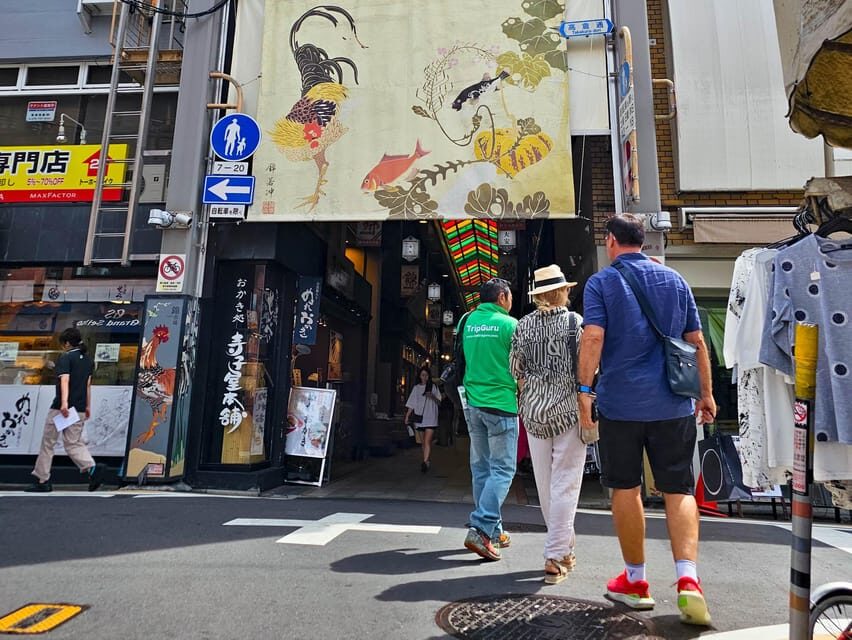
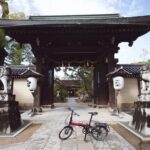
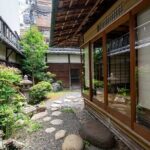
Right after Nishiki, the route includes Nishiki-Tenmangu Shrine for about 30 minutes. It’s a quick change in pace: from dense food streets to a calmer Shinto setting dedicated to the deity of learning.
You cleanse your hands at the sacred water fountain, and you’ll get a guided explanation of what you’re seeing. This matters because shrine stops can feel random on food tours, but here it connects to a Japanese concept you’ll notice throughout Kyoto: eating isn’t only consumption, it’s also part of everyday culture—belief, routine, and respect.
The shrine segment is also practical. It gives your feet a break and gives your brain a reset after sensory overload. If you’re the kind of person who gets food-saturated easily, this pause can save the day.
What the guide actually does (and why names like Jasmine and Boris keep showing up)
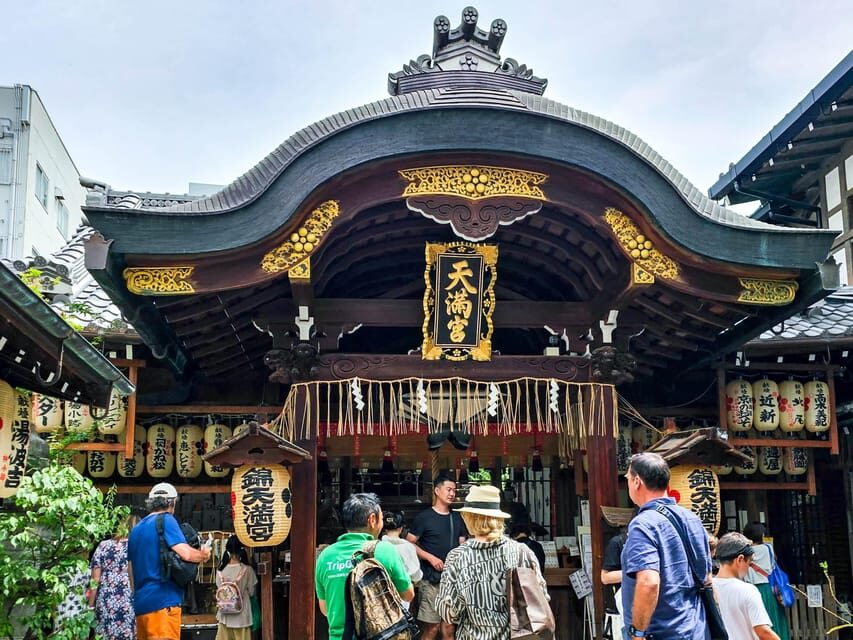
The tour lives or dies by the guide, and the evidence is strong in the names people mention. You’ll see guides such as Jasmine, Mao, Vincent, Boris, Ai, Richard, Brook, Kats, and Yoku in strongly positive feedback for English explanations, patience, and taking questions seriously.
In practical terms, that shows up like this:
- You get stop-by-stop context. Instead of just tasting, you understand what you’re tasting.
- You’re not stranded when you linger. One example mentions a guide being patient when the group spent extra time in spots that are easy to get lost in, like Daimaru.
- If you have kids or picky eaters, some guides adapt. That’s helpful if you don’t want the whole tour to become a negotiation.
There’s also one caution worth saying plainly. A small number of experiences mention confusion around when tastings happen, like one guest expecting clearer structure. So if you want firm pacing, ask early in the tour how tastings will roll out. That takes 10 seconds and can prevent disappointment.
Price and value: why $42 makes sense if you use the included tastings well
At $42 per person for around 2 hours, the big value question is: are you paying for a walk, or are you paying for food and guidance?
You’re paying for both, and the food component is concrete. The tour includes specific tastings:
- yuba sashimi (tofu skin)
- soy milk donut
- Nishiki gyoza
- Uoriki tempura hamo fish
Those aren’t “tiny might-try” items. They’re meaningful bites across different categories—protein-forward savory, crisp tempura, and sweet soy-based dessert. If you were buying this on your own, you’d likely spend more trying to figure out what’s best and where.
The added value is the guided navigation through places you could technically find yourself but might struggle to enjoy fully. Nishiki Market is easy to wander past without understanding what you’re seeing. The guide gives you a fast education and a shortcut to “where to taste,” which is the real cost saver in Kyoto.
And the small group size (max 9) keeps the experience from feeling like a conveyor belt.
Who this tour suits best (and who should skip it)
This works especially well if you:
- have only a couple hours and want a concentrated Kyoto food intro
- feel overwhelmed by market crowds and want a route
- like learning what food ingredients mean in real life, not just hearing general facts
- want an easy start to your Kyoto trip (the tour is set up for that)
It’s less ideal if you have mobility limitations or certain health concerns. The tour data lists it as not suitable for:
- pregnant women
- people with mobility impairments
- people with heart problems
- people with respiratory issues
If any of those apply, you’ll want to look for a different style of tour with less walking and fewer crowded indoor sections.
Quick tips so you get the best experience
- Wear comfortable shoes. You’ll be on foot through narrow lanes and indoor spaces.
- Bring cash for extra purchases beyond the included tastings.
- Have a camera ready, because food stalls and shrine details are photogenic.
- Ask what’s next early if you prefer predictable tasting timing.
- Go in hungry-ish. The tour includes key bites, but you won’t leave full in the “sit-down dinner” sense.
Should you book this Kyoto Nishiki + Depachika food tour?
I’d book it if you want a short, high-yield food route that actually teaches you what you’re eating. The included tastings are specific and varied, the group stays small, and the shrine stop adds a meaningful cultural reset instead of padding.
I wouldn’t book it if you want a long, unhurried market day. This is a timed walk with guided pacing, and you’ll need to be ready to taste and move. Also, if you’d rather avoid crowded indoor areas, keep the health and mobility limitations in mind.
If your main goal is to get your Kyoto bearings fast and taste your way through Nishiki Market and a Depachika basement hall, this is a solid choice.
FAQ
How long is the tour?
It lasts about 2 hours.
How big is the group?
The group is small, limited to 9 participants.
Where do I meet the guide?
You meet at Apple Kyoto. The guide will be wearing a TripGuru shirt or holding a TripGuru sign.
What food is included in the tastings?
Included items are yuba sashimi (tofu skin) and soy milk donut, plus Nishiki gyoza and Uoriki tempura hamo fish.
Is the tour in English?
Yes, the tour guide is English-speaking.
What should I bring?
Wear comfortable shoes, bring a camera, and bring cash.
How early do I need to arrive?
Be at the meeting point at least 10 minutes before the stated time. The guide will wait a maximum of 10 minutes.
Is it refundable if my plans change?
You can cancel up to 24 hours in advance for a full refund.