Hot steel, cool souvenir. In Kyoto, you can learn traditional Japanese knife craft in a format built for hands-on learning, not museum staring. I love that this experience has a clear path from tools to forging to a usable edge, all in about 3 hours.
Two things I especially like: the studio takes care of the basics (a uniform and everything you need to work), so you don’t have to hunt down extra gear. And with a max group size of 6, you get real attention instead of one guide shouting across a room. One consideration: forging hot metal is physical, so you should be ready for some real arm-and-shoulder effort.
In This Review
- Why This Kyoto Knife Workshop Feels So Practical
- Key Highlights Worth Your Attention
- Atelier NIN Knife Making in Kyoto: What You’re Really Paying For
- Getting There: Studio NIN, Sakyo Ward, and the Quiet Walk Problem
- The Workshop Flow: From Goldsmith Outfit to Tool Use
- What You’ll Make: Blade Size, Handle Style, and Why It Matters
- Forging Session: Hammering Hot Steel Without Losing Your Mind
- Sharpening and Polishing: Where “Cool Craft” Turns Into a Real Tool
- Safety and Comfort: What to Wear (And What to Skip)
- Break It Down by Time: What the 3 Hours Feels Like
- Take-Home Knife: How It Arrives and How You’ll Live With It
- Who This Kyoto Experience Fits Best (And Who Might Want a Different Day)
- Should You Book Atelier NIN? My Quick Decision Guide
- FAQ
- How long is the knife making experience in Kyoto?
- How many people are in the group?
- Where do I meet for the workshop?
- Is a uniform provided?
- Do I need to bring tools or materials?
- What size knife will I make?
- Is there an English guide?
- Are snacks included?
- Is private transportation included?
- Can I cancel for a full refund?
Why This Kyoto Knife Workshop Feels So Practical
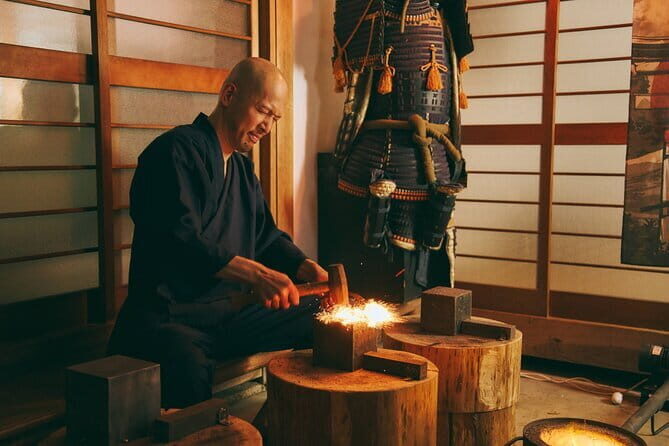
This is the kind of class where your hands learn what your brain can’t quite picture from a video. You’ll start by suiting up, then move to tool use, and spend the main portion hammering and shaping. The payoff is tangible: you leave with a handmade knife in the 13 to 15 cm range (size can vary since it’s handmade).
The studio also keeps the session focused. Traditional full production of even a “regular cooking” knife can take over 5 hours and cost well over $400. Here, Atelier NIN is aiming for a shorter, approachable session—so more people can experience the forging process without spending half a day in the workshop.
Key Highlights Worth Your Attention
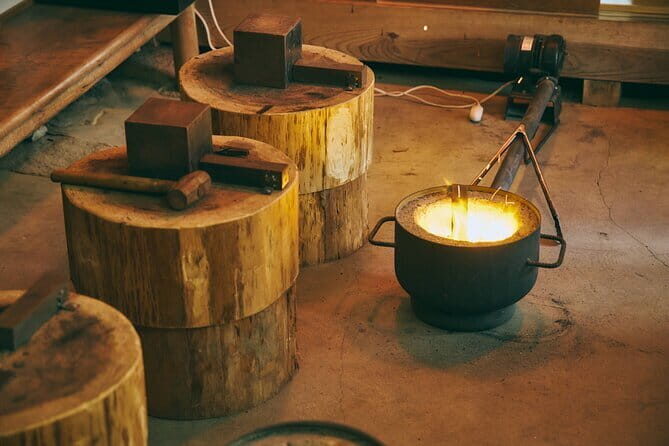
- Forge a real Japanese-style blade (about 13 to 15 cm, handmade and unique)
- Small group, up to 6 people for closer coaching
- Traditional goldsmith uniform provided, no need to bring protective clothing
- You practice multiple steps: forging, sharpening, polishing
- English guide support throughout, helpful for beginners
- A functional take-home knife to wrap, show off, and actually use
If you're still narrowing it down, here are other tours in Kyoto we've reviewed.


Atelier NIN Knife Making in Kyoto: What You’re Really Paying For
At $158.52 per person for an approximately 3-hour session, this doesn’t look like a bargain on paper. But when you factor in what you’re making, it makes sense. You’re not buying a mass-produced souvenir. You’re paying for instruction, tools, and time to produce a usable knife through a traditional-style workflow.
The price is also anchored in something honest: real knife making takes time. One data point you should keep in mind is that a typical cooking-knife build can run more than 5 hours and cost more than $400 when done in the usual, full process. Atelier NIN is compressing the experience into a shorter class (including forging), while still letting you do the work with guidance.
So for your money, you’re buying three things:
1) a hands-on craft experience,
2) a guided learning curve,
3) a take-home item you can hold and use.
Getting There: Studio NIN, Sakyo Ward, and the Quiet Walk Problem
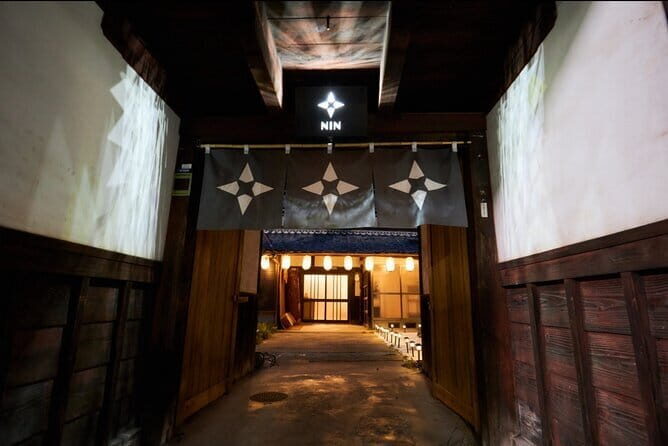
Your day starts and ends at studio NIN, 八瀬168-1 Yasenosechō, Sakyo Ward, Kyoto. The location is described as near public transportation, which matters in Kyoto where getting stuck in the wrong direction can eat your day.
Still, plan for the “hidden in a neighborhood” factor. One past participant flagged that the workshop can be tucked away within a residential area and that phone signal might be unreliable at the train station. My advice: download directions before you leave and save them offline. A short walk is part of the deal, and it’s better to know that up front than to wander in the wrong part of Sakyo Ward.
The Workshop Flow: From Goldsmith Outfit to Tool Use

The class structure is straightforward. You’ll do the dressing-up step first, then learn how to use the tools, and only then start forging. That order matters. When you’re new, rushing into hammering without tool basics can turn stressful fast.
You’ll change into a traditional goldsmith outfit for the authentic feel. The workshop also provides what you need, including the uniform and tools. That means you don’t have to show up thinking about protective clothing sourcing or bringing gloves and equipment.
You’ll also have an English guide with you. In the feedback you shared, staff members were consistently described as friendly and helpful, with one instructor named Diaki mentioned for engaging teaching and quiet corrections when needed. That mix—clear instruction plus gentle adjustment—is exactly what you want when you’re doing something that’s both physical and precise.
What You’ll Make: Blade Size, Handle Style, and Why It Matters
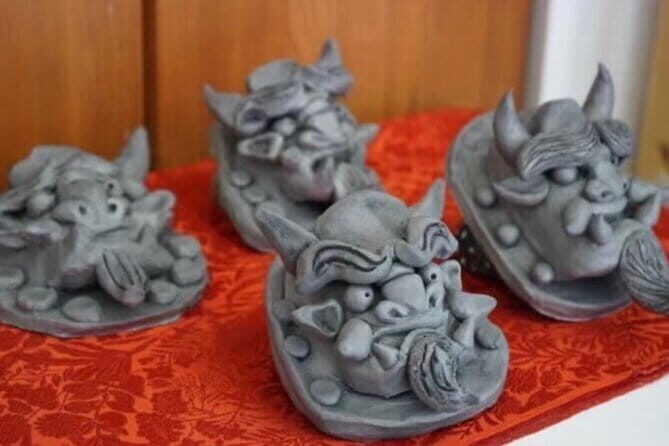
Your finished blade is approximately 13 to 15 cm. Since it’s handmade, it can vary depending on your work. That range is a sweet spot: long enough to feel like a real Japanese kitchen tool, but short enough to manage within a shorter class.
The class description also specifies that there are no wooden handles and that the handle is made of iron. A separate review mentioned an optional wooden handle add-on with a fee, so if handle material is important to you, ask when you arrive. But based on the official class details, iron handling is what you should plan around.
One more practical note: because you’re working with metal and creating an edge, you’ll want to think ahead for transport. One person specifically warned about air travel carry-on limits due to blade length. If you’re flying home, plan to check a bag. Even if your knife is wrapped carefully, security rules can be strict.






Forging Session: Hammering Hot Steel Without Losing Your Mind
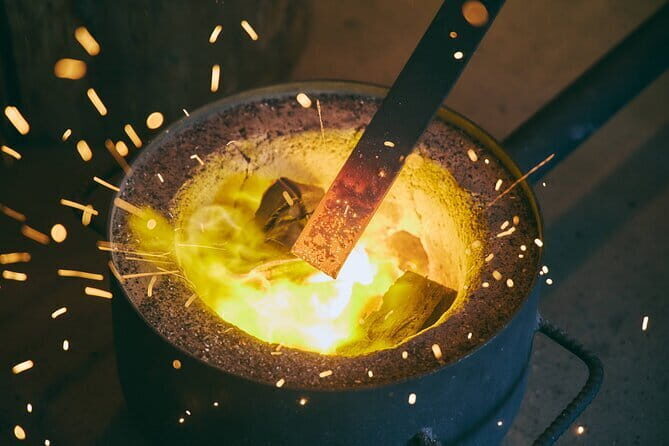
Forging is the core of this experience, and it shows. The work isn’t just symbolic. You’ll spend real time hammering and shaping the steel billet. This is where you earn the confidence that comes from doing the motions yourself—hammer control, heat awareness, and the slow transition from flat strip to something knife-shaped.
Expect it to be strenuous. Even the reviews that call it fun also point out that hammering hot metal takes effort. The class is marked for travelers with moderate physical fitness, so don’t show up if you can’t comfortably use your arms for a sustained workshop activity.
Good news: you’re not left to struggle alone. Multiple reviews highlight that instructors corrected mistakes during forging. They also demonstrate safe hammering and safety practices, which is essential when you’re working with hot steel in close quarters.
Sharpening and Polishing: Where “Cool Craft” Turns Into a Real Tool
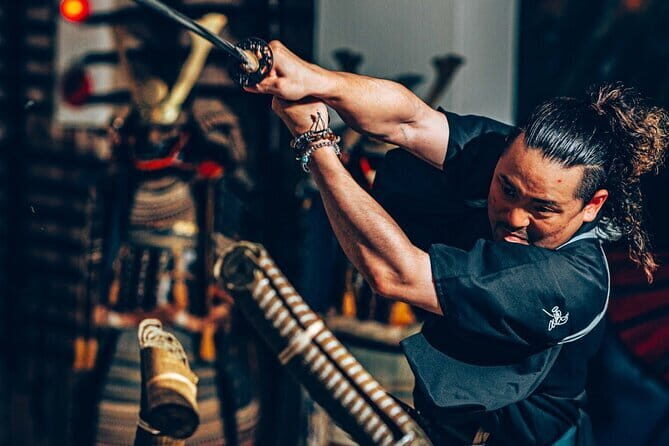
After shaping, you move into grinding, sharpening, and polishing. This part is easy to underestimate because the forging feels dramatic. But the reviews make clear that finishing work is where the knife becomes satisfying—clean, crisp, and functional.
You’ll use sanding or grinding processes to bring the blade to a better finish, then sharpen it. One participant described spending time working the sanding belt after forging. Another emphasized that the class teaches forging, grinding, finishing, and finally sharpening—so you don’t just leave with something that looks like a knife.
This is also where you should pay close attention to angles and technique. One mixed review mentioned that better guidance on grinding/finishing angle would have helped, since that’s where they felt they went wrong. My advice is simple: during the sharpening and polishing segments, ask questions early and watch how the instructor holds the blade and moves it. Small changes in angle and pressure can make your edge look better, feel better, and be easier to maintain later.
Safety and Comfort: What to Wear (And What to Skip)
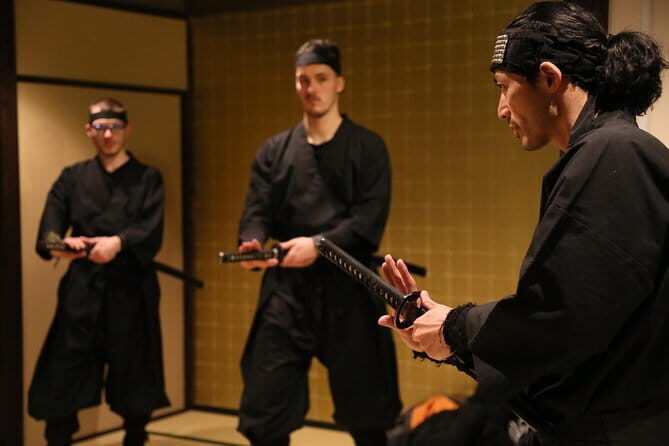
The good part: you get a uniform, so you don’t need to source protective clothes. The even better part: staff teach safety and show how to handle tools safely.
The not-so-good part: hands-on work means accidents can happen—like dropping your knife during sanding. One participant suggested that safety shoes rather than bare feet would have been better. The class details don’t specify your footwear requirements, so treat this as common-sense guidance: wear footwear that feels secure, and don’t wear anything you’ll regret if you’re moving around near hot tools and equipment.
Also, take the physical part seriously. Forging is work. If you’re coming from a long day of walking in Kyoto, build in rest beforehand so your arms aren’t totally cooked.
Break It Down by Time: What the 3 Hours Feels Like
The overall duration is about 3 hours. The studio also aims for a shorter two-and-a-half-hour experience built around forging, which is why you can do this even on a busy Kyoto schedule.
In real life, the day usually breaks like this:
- Dress up + tool introduction at the start, so you know what you’re doing.
- Forging the blade work as the main activity (hammering + shaping).
- Grinding and finishing to clean up the blade and prepare it for an edge.
- Sharpening and polishing so you leave with a functional knife.
- Wrap-up and packing so your souvenir is easy to take home.
If you like a structured class, you’ll appreciate how direct this is. If you want something super casual and slow, this isn’t that. People described it as truly hands-on and not a sit-back learning session.
Take-Home Knife: How It Arrives and How You’ll Live With It
The finished knife comes wrapped and presented in a gift bag. You’ll also get a small photo as a momentum/keepsake, based on one of the feedback notes.
As for the final form, plan on leaving with a knife that’s functional right after the workshop finishes. Some participants also mention doing additional handle attachment back home, so look closely at what instructions you receive on-site. Either way, the core experience is designed so you can actually take a finished, sharp-ish tool home rather than a half-baked craft project.
Then there’s the “real-world use” factor. You’ll likely want to treat it carefully at first. Use it like a quality kitchen knife, not like a souvenir. Even if you don’t become a knife nerd overnight, this class gives you a reason to handle it with respect.
Who This Kyoto Experience Fits Best (And Who Might Want a Different Day)
This knife making class suits:
- Food people (especially cooks and sushi fans), since you’re making the kind of tool that matters in real prep.
- Beginners who want guided craft. The structure is built around doing, not just watching.
- Couples and small groups. With a maximum of 6, it feels personal.
A 13-year-old participated in one review, so it’s not only for adults. But the workshop does require moderate physical fitness, so kids should be prepared for hammering work and close attention to safety.
If you’re the type who hates hands-on work, or you have limited arm strength, skip it. This class is a workout in a fun outfit.
Should You Book Atelier NIN? My Quick Decision Guide
If you want a genuine Kyoto craft experience with a take-home result, I’d book this. The value is strong because you’re not just learning concepts—you’re doing forging, sharpening, and polishing with help from an English guide and a small team. Plus, the uniform and tools are handled for you, which lowers the hassle factor.
Two reasons you might pause:
1) forging is strenuous, so plan for that physical effort,
2) if you’re very detail-sensitive about finishing angles, ask for extra guidance during grinding and polishing.
On timing, this is also doable. At about 3 hours, you can pair it with other Kyoto sights without turning your day into a logistics nightmare. And if your plans shift, the experience includes free cancellation up to 24 hours in advance.
FAQ
How long is the knife making experience in Kyoto?
It runs for approximately 3 hours.
How many people are in the group?
The maximum group size is 6 travelers.
Where do I meet for the workshop?
You start at studio NIN 八瀬168-1 Yasenosechō, Sakyo Ward, Kyoto, 601-1254, Japan, and the activity ends back at the meeting point.
Is a uniform provided?
Yes. A uniform is included, and there’s no need to bring protective clothes.
Do I need to bring tools or materials?
No. The experience provides a set of tools used to make knives, and materials are included.
What size knife will I make?
The knife is approximately 13 to 15 centimeters, and it may vary since it is handmade.
Is there an English guide?
Yes. An English guide is included.
Are snacks included?
No, snacks are not included.
Is private transportation included?
No, private transportation is not included.
Can I cancel for a full refund?
Yes. Free cancellation is available up to 24 hours in advance for a full refund.