Tea-country Kyoto feels like a time machine. This private 5.5-hour ride takes you from the famous Byodoin Phoenix Hall to the quieter backroads of Wazuka, where matcha farms and small tea cafes help you understand why this region matters. I love how the day mixes big iconic sights with real farming views, and I especially like the tea tastings at local farmer-supplied cafes where you can sample matcha desserts and shop for tea at better prices than in central Kyoto. One thing to plan for: two temple admissions are extra, and there’s some short walking plus stairs.
This is also a style-of-the-day kind of tour, not a checklist sprint. You get a private van (or an open-air Mini Cooper convertible for solo travelers), plus pickup and drop-off that can be set to match your schedule. If you care about photos, you’ll appreciate that the guide keeps things patient and unhurried while you frame those famous tea-field angles.
In This Review
- Key highlights you’ll feel right away
- Why Wazuka and Ujitawara feel different from central Kyoto
- Your private ride: pickup options and the Mini Cooper for solos
- Stop 1: Byodoin Phoenix Hall on the 10-yen coin
- Wazuka-cha Cafe: matcha tasting built around farmers
- Ishitera Tea Plantation: the sky-high tea rows moment
- Ujitawara-cho tea fields: where green tea and matcha are tied to origin stories
- Shoju-in: the love-heart window and quiet tea-room atmosphere
- Tea shopping: better prices and a real reason to buy
- Price and value: $250.38 per group makes sense if you fill seats
- Timing, energy, and what to expect from the guide
- Tips for a smoother countryside tea day
- Should you book this Kyoto tea-fields private tour?
- FAQ
- What’s the duration of this private Kyoto tea tour?
- Is pickup included?
- Are temple admission fees included in the price?
- What vehicle will I ride in?
- Do I need to pay for tea or coffee during the tour?
- Is the tour fully private?
- What’s the cancellation window?
Key highlights you’ll feel right away
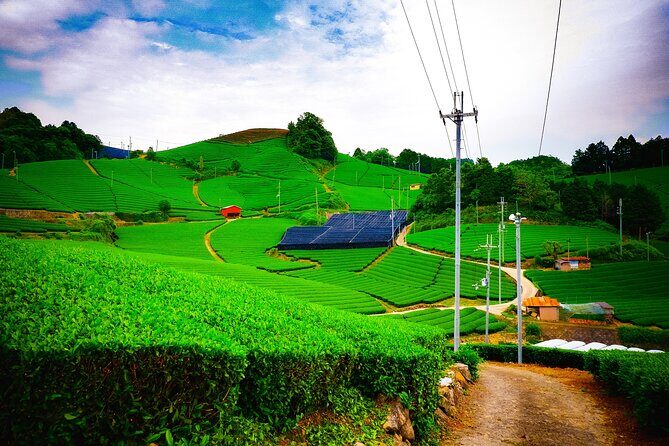
- Sky-high tea-field photos, even in winter, with clear stopping points for pictures
- Wazuka tea tastings at local cafes that focus on purity and matcha flavor
- Byodoin Temple’s Phoenix Hall tied to the Buddhist Pure Land idea and the 10-yen coin
- Ujitawara and tea-production context, including how green tea and matcha are linked to the area
- Shoju-in’s tea-room window view in a calmer countryside setting
Why Wazuka and Ujitawara feel different from central Kyoto
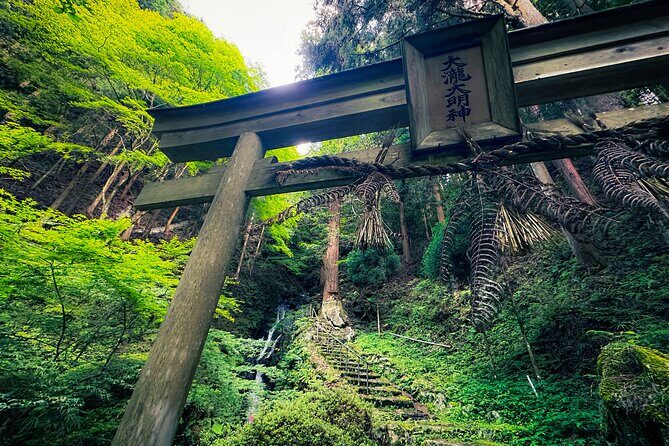
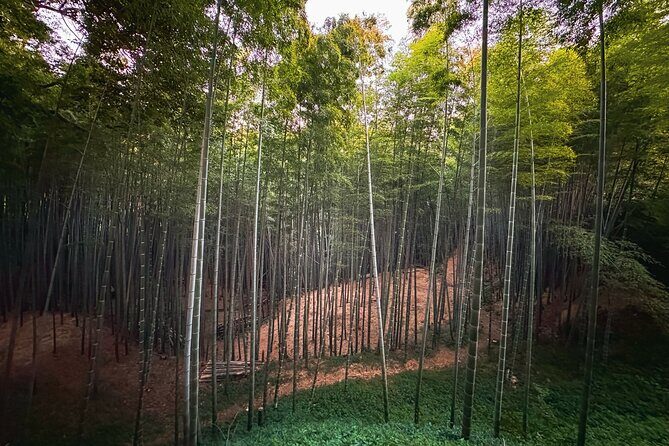
Central Kyoto is all crowds, signage, and tight lanes. This tour shifts you into Kyoto’s tea belt—wide fields, cedar and bamboo groves, and village roads where the day starts to move at farm speed. The famous visual here is the neat, geometric feel of the tea rows, the kind that looks almost engineered into the hills. And the best part is that the scenery works year-round, not just during peak foliage or cherry blossom season.
Wazuka is the headline region in the tea story. It’s known for producing high-grade green tea and matcha, and the tour frames that reputation with real context: what you’re tasting and buying links back to the land and the people who grow it. You also spend time around Ujitawara, another key name in Japan’s green tea world. If you want the “why” behind all the matcha talk—without getting stuck in a store-only experience—this route is built for you.
Other private tours in Kyoto

Your private ride: pickup options and the Mini Cooper for solos
One of the practical wins is the transport. You’re not trying to stitch together buses and trains to reach scattered tea spots. The tour uses either an air-conditioned Nissan van (for groups of 2–6) or a Mini Cooper convertible for 1 passenger, with fuel and highway fees included. That matters because the tea country isn’t right next door to Kyoto Station.
The pickup side is also flexible. You get pinpoint pickup and drop-off, and the start and goal can be set to fit your day. In plain terms: you can often plan for ending near dinner instead of fighting your way back through rush-hour transit.
If you’re the photo type, the vehicle helps there too. The ride itself includes views of countryside greenery and mountain roads, and you’ll have natural moments to pause and look as you travel toward Uji and the tea towns.
Stop 1: Byodoin Phoenix Hall on the 10-yen coin
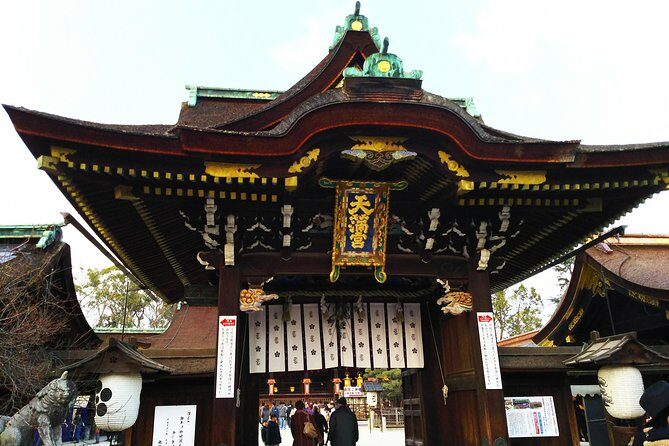
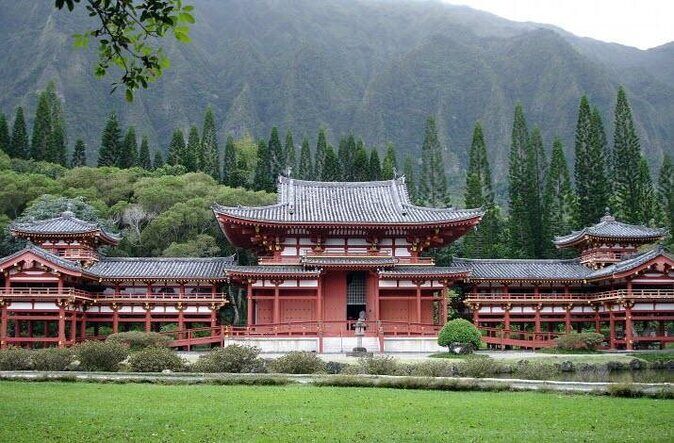
You start with Byodoin Temple, a major Kyoto-area icon. The centerpiece is the Byodo-in Phoenix Hall, known for its long-standing survival and its role in expressing the idea of the Buddhist Pure Land (Paradise). It’s also famous for being printed on Japan’s 10-yen coin, which makes it instantly recognizable once you’re there.
Expect about 2 hours here, with the admission ticket not included. This is the moment where the tour adds meaning to the day. Tea culture didn’t grow in a vacuum; monks, rulers, and warriors shaped how people thought about ritual, discipline, and simple daily practices. By starting with a temple built around spiritual ideals, the rest of your tea day feels less random.
Tip: wear comfortable shoes and give yourself time to move slowly. This stop is beautiful because it rewards looking, not because you can rush through it.
Wazuka-cha Cafe: matcha tasting built around farmers
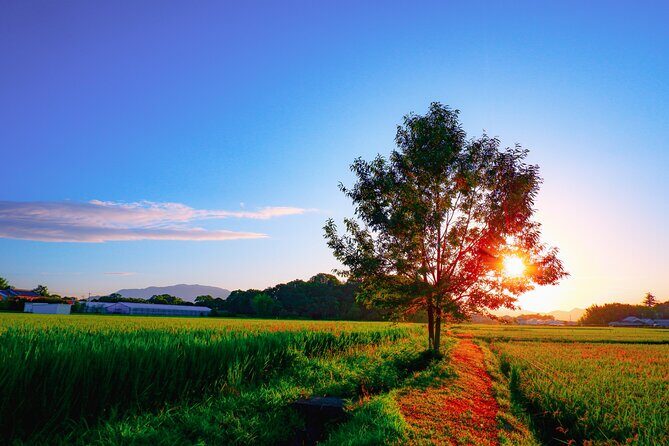
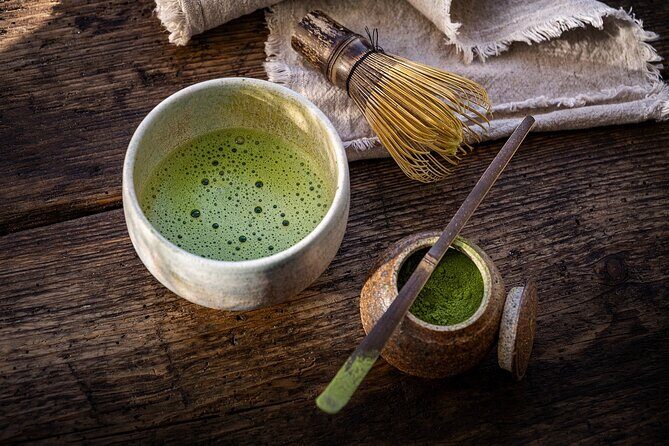
Next comes Wazuka-cha Cafe for about 1 hour. This is where the tour shifts from “see” to “taste.” You’ll sample high-quality green tea and matcha, including matcha desserts. The tea here is positioned as purer and more authentic than what you might associate with Uji as a brand. The tour’s emphasis is simple: taste the difference, then learn what to notice.
This stop is admission-free, but you should plan on spending at the cafe if you want extra tea or coffee since those aren’t included. That’s normal for this kind of tasting: you’re paying for your palate time, not just for the visit.
What I like about this setup is that it turns matcha into something you can compare. Instead of buying blind, you get a structured chance to taste, ask questions, and then shop with more confidence later.
Ishitera Tea Plantation: the sky-high tea rows moment
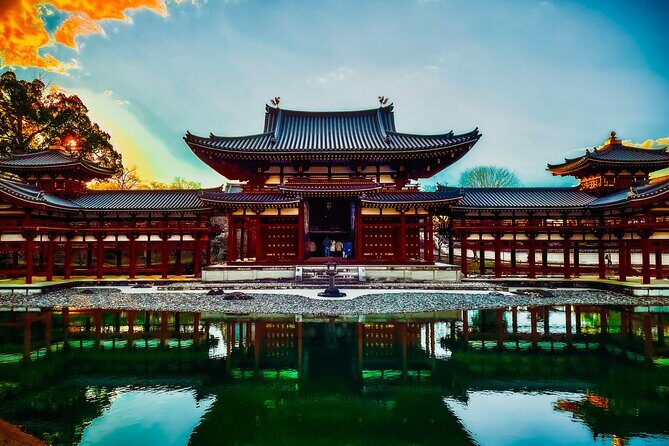
After the cafe, you head to Ishitera Tea Plantation for around 30 minutes. This is the short “photo-hit” stop—one where the main purpose is the view of the tea fields and the clean, planted lines that look almost engineered from below.
The tour frames the look as that signature “green tea fields reaching to the sky” scene you’ve likely seen in photographs. It’s not long, but it’s efficient. You’re not sitting on a bus for hours just to get one picture. You arrive, take in the fields, walk a bit if you want, and then move on.
Admission is free here, so your focus stays on the scenery. If you’re traveling in winter, the fields are still visually strong, which is rare for many outdoor photo spots. Even if the weather is cold, this is the kind of stop where a few minutes outside can still pay off.



Ujitawara-cho tea fields: where green tea and matcha are tied to origin stories
You’ll spend another 30 minutes in Ujitawara-cho, one of Japan’s famous green tea production areas. Here’s where the tour adds origin context: the region is linked to the invention of Japanese green tea and matcha. That matters because it helps you understand that matcha isn’t just a trend. It’s tied to geography, tradition, and local farming knowledge.
You also stop at a beautiful tea field where you can walk in one farm area and take a photo. This is usually the kind of moment you want to plan for: walk at your own pace, take a few angles, and be mindful of the ground and steps if you’re wearing slippery shoes.
Practical note: this is a countryside area, so weather matters. If it’s raining, expect the photo options to be narrower and give yourself extra time to walk carefully.
Shoju-in: the love-heart window and quiet tea-room atmosphere

The final temple stop is Shoju-in, with about 1.5 hours on site. Admission is not included (¥1,000 per person), so factor that into your day budget.
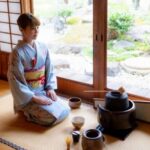
Shoju-in is known for the view of a love-heart window in the tea room. Even if you’ve seen images online, the real experience tends to be calmer: temple grounds, tea-room quiet, and a setting that feels made for slow looking rather than fast sightseeing.
This stop is also where the tour threads tea culture stories into the countryside world. The overall day connects tea to monks, samurai, and even ninja lore, and you may catch some of those kinds of stories around shrine settings connected to historical training. In practice, the guide’s storytelling is what makes this section click. Instead of treating ninjas as a gimmick, it comes across as part of how people lived, studied, and valued discipline.
Tip: if you care about photos, tell your guide your preferred photo times for each stop. The tour is set up to handle picture taking without making it feel rushed.
Tea shopping: better prices and a real reason to buy
One of the best reasons to do this tour is that it gives you time and context for tea shopping. You’re not stuck in a one-minute souvenir stop. The tour notes that you can often buy premium tea for about half to one-third of city prices, which is a huge difference if you plan to bring back matcha for cooking or gifting.
Because you taste first at the Wazuka-cha Cafe, your shopping tends to feel smarter. You’ll know what kind of matcha style you liked and what sweetness or bitterness balance you prefer. That’s the difference between buying tea as a novelty versus buying it as something you’ll actually use.
Plan for purchases, but also plan your luggage. Tea cans and gift sets take space. If you’re traveling with light luggage, consider buying smaller sizes first so you can adjust after you taste.
Price and value: $250.38 per group makes sense if you fill seats
The tour price is $250.38 per group for up to 6 people, and it runs about 5 hours 30 minutes. That’s private transportation plus guided stops, and it’s priced to be fair for families and small groups.
Here’s the value math in plain terms:
- If you book with 4–6 people, your per-person cost becomes reasonable fast.
- If you go solo, you pay the private-tour premium, but you may get the Mini Cooper convertible option, which is a fun added perk.
Then there are the extras you should expect. Temple admissions are not included: Byodoin is ¥600 per person and Shoju-in is ¥1,000 per person. Also, coffee and/or tea fees at the cafe are not included. So your all-in cost is the base price plus those admissions plus any tasting purchases.
Still, compared to paying separately for transit to distant tea farms (and losing time to scheduling gaps), this kind of private routing often ends up being a time-saver and a money-saver.
Timing, energy, and what to expect from the guide
The tour starts at 1:00 pm. Afternoon timing can be great for photo color, and it also helps you avoid the morning crowds that can pile up around Kyoto’s big-name sights.
The guide experience is a big part of why this day works. In the stories shared by previous guests, Daiki comes through as energetic, patient with picture taking, and strong on tea and culture explanations—history, how people lived around temples, and how tea fits into that picture. He’s also described as making the day practical, including adjusting drop-off so you can head straight toward dinner.
Even if you don’t care about history trivia, that guide skill matters. When you understand what you’re seeing—tea purity, regional naming, temple meaning—you get more out of the same fields and windows.
Tips for a smoother countryside tea day
A few small things will make this tour feel effortless:
- Wear comfortable shoes for short walking and stairs.
- Bring a light layer even in mild seasons; countryside weather can shift fast.
- Bring some cash or a card option for tea purchases and the temple admissions (Byodoin ¥600, Shoju-in ¥1,000).
- If you’re sensitive to crowds, remember this route is designed to get you away from the busiest Kyoto zones.
- If your main goal is photography, plan to arrive with your camera charged and be ready for quick, scenic stops.
Also keep in mind the tour may adjust if of road conditions, closures, or crowd levels. That’s normal for countryside routes where one unexpected issue can affect timing.
Should you book this Kyoto tea-fields private tour?
If you like Japan that feels quieter and slower, book this. It’s a strong match when you want three things in one day: temple meaning (Byodoin), real tea tasting (Wazuka-cha Cafe), and those iconic tea-field views (Ishitera and Ujitawara). The private transport also removes the headache of getting out to the tea countryside on your own.
Skip it only if you want a purely city-based day with minimal walking and zero extra costs. You’ll pay temple admissions, and you should expect some stairs.
Best fit:
- Couples, families, and small groups who want private pacing
- Solo travelers who’d enjoy the open-air Mini Cooper option
- Anyone who cares about matcha beyond buying a tin and moving on
FAQ
What’s the duration of this private Kyoto tea tour?
It runs for about 5 hours 30 minutes.
Is pickup included?
Yes. The tour offers pickup and drop-off with pinpoint service, and you can set different start and goal locations.
Are temple admission fees included in the price?
No. Byodo-in costs ¥600 per person and Shoju-in costs ¥1,000 per person. (Shoju-in and Byodo-in admissions are listed as not included.)
What vehicle will I ride in?
For 2–6 people, it’s an air-conditioned Nissan van. For 1 person, the tour may use an open-air Mini Cooper convertible.
Do I need to pay for tea or coffee during the tour?
Coffee and/or tea fees for your own drinks are not included, so you may want to budget for purchases at the cafe.
Is the tour fully private?
Yes. It’s a private tour/activity, so only your group participates.
What’s the cancellation window?
Free cancellation is available up to 24 hours in advance of the experience start time for a full refund.