Kyoto’s best scenes hit fast. In just 3 hours, you’ll go from the UNESCO drama of Kiyomizudera to quieter temple interiors, then finish near Gion. I love the small-group pace (max 9), which makes it easier to ask questions while you’re walking.
What makes this tour feel worth it is the human touch. Guides like CC and Miyake tend to mix big stories with practical “where to stand for photos” guidance, plus they can work in quick matcha or shopping stops without wrecking the flow. The one drawback: you’re doing real walking and temple-stair climbing, so comfortable shoes and patience matter.
In This Review
- Key things to know before you go
- Kiyomizudera to Gion-Shijo in 3 hours: how the timing works
- Entering Kiyomizudera: Kannon, the seiryuu blue dragon, and the views
- Sannenzaka, Ninenzaka, and Nene no Michi: the old-street walk that makes Kyoto feel real
- Kōdai-ji Temple: the Hideyoshi connection and why the gardens matter
- Yasaka Shrine and Maruyama Park: Shinto stories you can actually use
- Price and value: what $54 buys you (and why it’s not just about tickets)
- Logistics that matter: where to meet, what to bring, and how to plan your shoes
- Who this tour fits best (and who should choose another plan)
- Should you book this Kyoto temples and old streets tour?
- FAQ
- How long is the Kyoto Kiyomizudera, Higashiyama and Yasaka Discovery Tour?
- Where do I meet the tour, and where does it finish?
- Is the tour guide English-speaking?
- What is included in the price?
- What group size should I expect?
- What should I bring for the walk?
- Is the tour suitable for mobility impairments or pregnancy?
- Can I cancel and get a refund?
Key things to know before you go
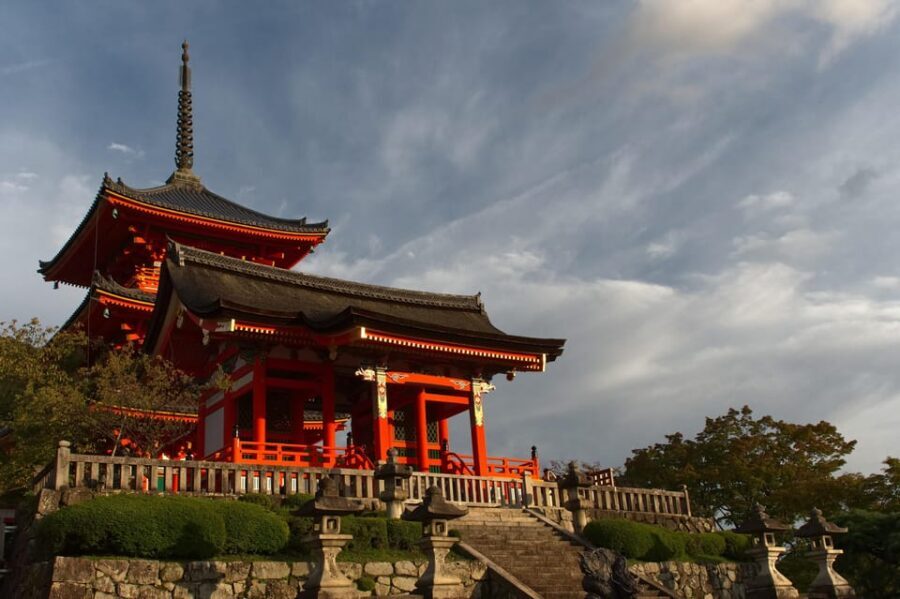
- UNESCO Kiyomizudera with the Kannon peace-and-mercy angle and the seiryuu blue dragon story
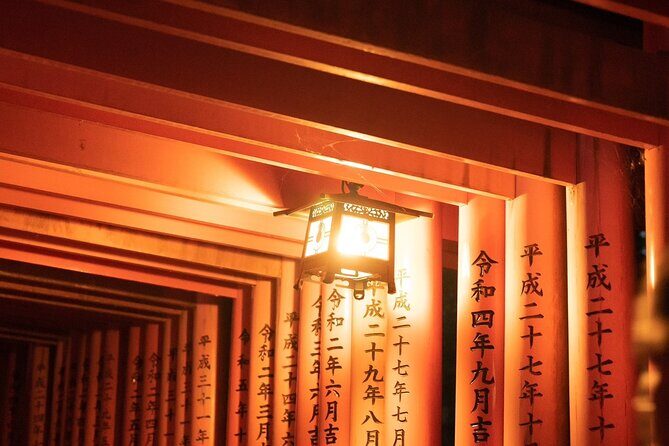
- Old-street stroll along Sannenzaka, Ninenzaka, and Nene no Michi
- Kōdai-ji Temple tied to Toyotomi Hideyoshi’s wife, with Zen gardens and lavish interiors
- Yasaka Shrine + Maruyama Park with Shinto culture explained in plain language
- Max 9 people for a calmer experience and more time with your guide
- Good value at $54 because entrances to Kiyomizudera and Kōdai-ji are included, plus snacks
Kiyomizudera to Gion-Shijo in 3 hours: how the timing works
This is a temple-and-shrine walk, not a bus tour. You start at a clear meeting point near central Kyoto—7-Eleven—and you end at Gion-Shijo Station, which is handy because you can keep exploring without retracing your steps.
The big question is pacing. A 3-hour format is short enough to fit into a busy Kyoto schedule, but long enough to see more than one major site. You’ll spend about an hour at Kiyomizudera, then move through the classic old streets, and finish with Kōdai-ji and Yasaka Shrine. The rhythm is simple: look, learn, walk, repeat.
The other timing perk: it’s small-group by design. When your group is limited to 9, your guide can slow down for a photo moment or a question without turning the whole tour into a traffic jam. If you like Kyoto with less stress and more back-and-forth, this suits you.
A few more Kyoto tours and experiences worth a look

Entering Kiyomizudera: Kannon, the seiryuu blue dragon, and the views
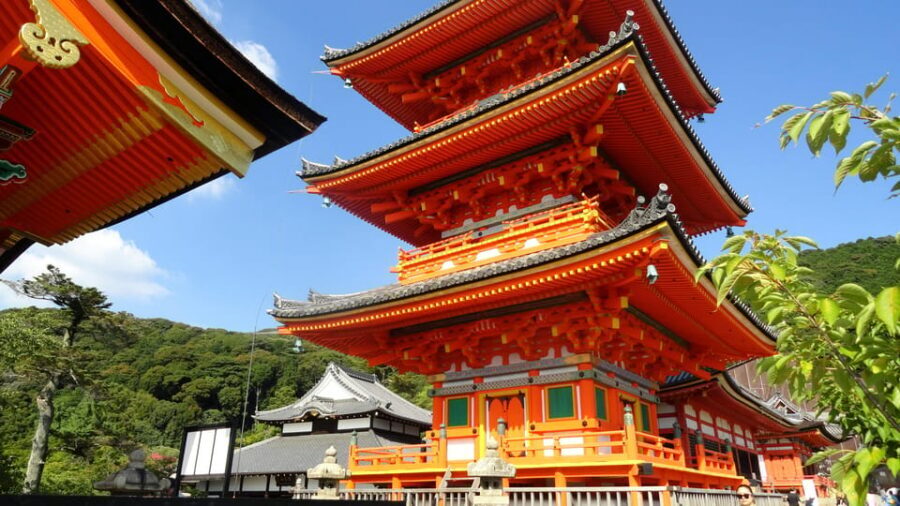
Kiyomizudera is the kind of place that makes you pause without trying. Even if you’ve seen photos, the scale and the viewpoints land differently in person. The tour starts here for a reason: you get the main visual impact early, before the rest of your energy gets spent.
Your guide shares the religious context in a way that helps it stick. You’ll learn about Kannon, described as the deity of peace and mercy, and you’ll hear about the sacred blue dragon (seiryuu). These are not random trivia facts; they’re the doorway to how people understand what they’re seeing at the temple.
Then there are the practical pieces. Your guide helps you spot where to look and where to stand for good panoramas. One of the strongest repeated themes from guides on this tour is photo strategy. Miyake, for example, is praised for pointing out great spots, so you’re not left guessing while everyone else streams past.
Wear shoes you trust. Temple grounds can mean uneven stone, stairs, and changes in slope. If you go in expecting a casual stroll, you’ll feel it fast. But if you go in expecting a workout with a big payoff, you’ll enjoy it.
Sannenzaka, Ninenzaka, and Nene no Michi: the old-street walk that makes Kyoto feel real
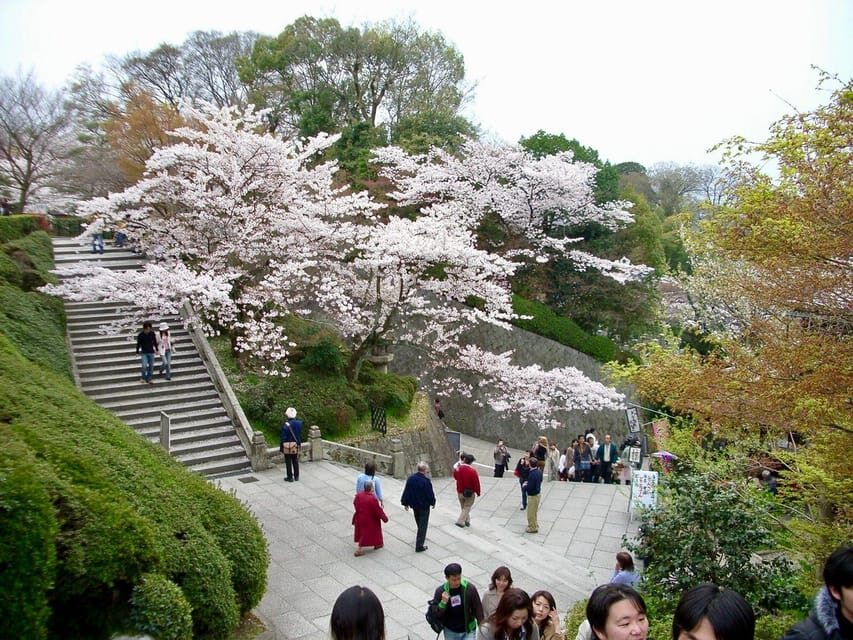
After Kiyomizudera, the experience shifts from iconic architecture to everyday Kyoto atmosphere. You walk through Sannenzaka, Ninenzaka, and Nene no Michi, the street names you’ve probably heard in a Kyoto context—but walking them is different from reading about them.
This is where Kyoto’s charm becomes tactile. You’re surrounded by traditional-style shopfronts and narrow lanes that encourage slow movement. The streets also act like a natural breather between temple sites. You’ll have time to glance into small storefronts, look at handmade items, and grab a snack if your schedule allows.
One reason I like this section with a guide: you don’t just follow a path—you get help with pacing. CC is praised for being relaxed and even for diverting for a quick matcha or shopping stop while still keeping everyone on track. That’s exactly the balance you want on an old-street walk.
One possible watch-out is timing and crowds. These streets are famous, so if you’re hoping for empty-lane photos, you may still get a few people in the frame. The workaround is to use your guide’s photo-standing tips and keep moving, rather than waiting endlessly.
Kōdai-ji Temple: the Hideyoshi connection and why the gardens matter
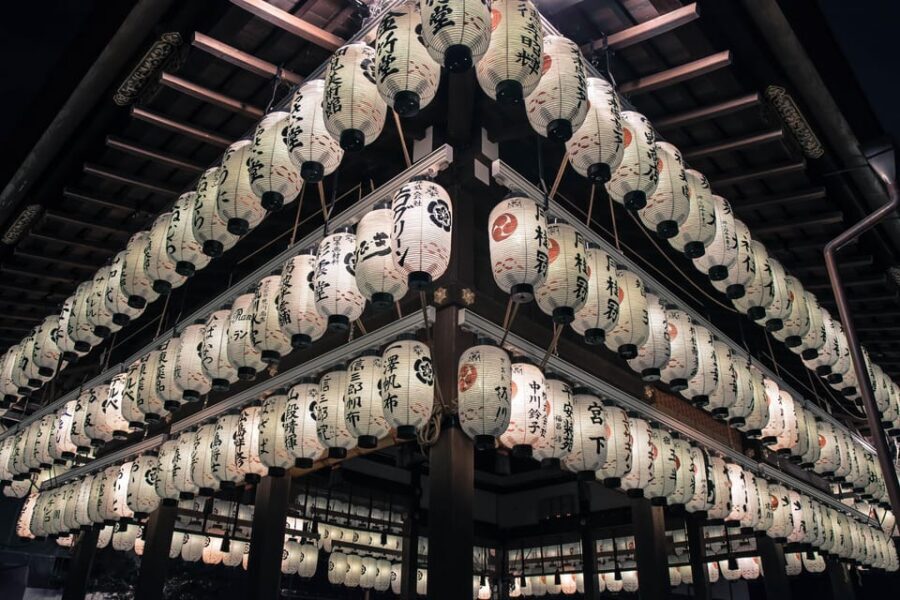
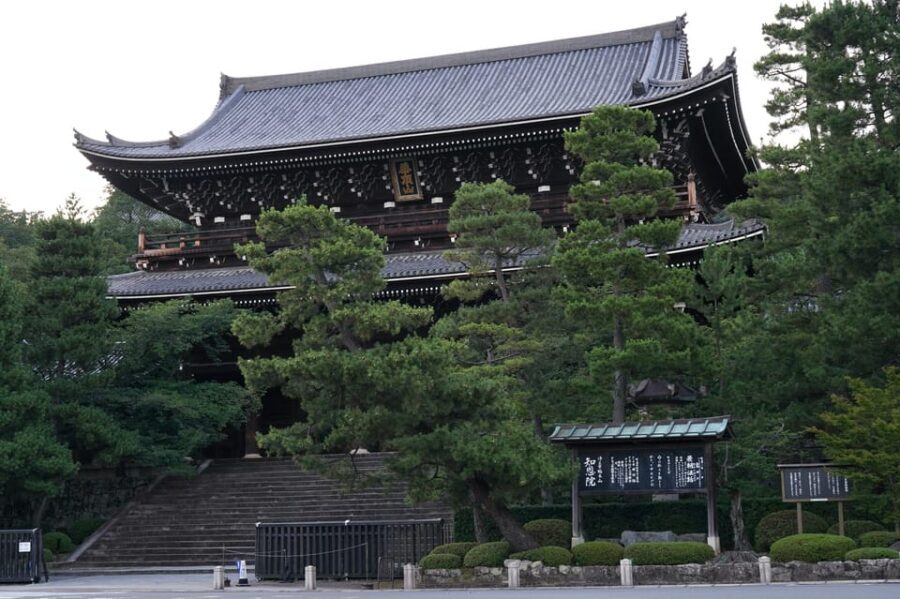
Next comes Kōdai-ji, where the mood changes. Instead of one single big view, you get a mix of garden spaces and interior richness. The tour includes entrance to Kōdai-ji, so you’re not stopping to juggle ticket lines or add extra costs mid-day.
The guide explains the temple’s key connection: it was built in memory of Toyotomi Hideyoshi’s wife. That fact gives you a thread to follow as you move through the site. You’re not just looking at buildings; you’re reading the place as a memorial.
You’ll also hear about the temple’s Zen gardens and lavish interiors. The garden piece is especially worth your attention because it changes how you see Kyoto. You realize how much of the experience is about attention—standing still for a moment, noticing how space frames views, and letting the quiet parts of the temple do their job.
This stop is short on the clock, about 30 minutes guided. That can feel tight if you’re the type who loves to linger. But with a guide, you’re getting orientation—what to look at first, what to notice, and how the site fits into Kyoto’s broader religious culture. If you want longer time, you can always return on your own later.
Yasaka Shrine and Maruyama Park: Shinto stories you can actually use
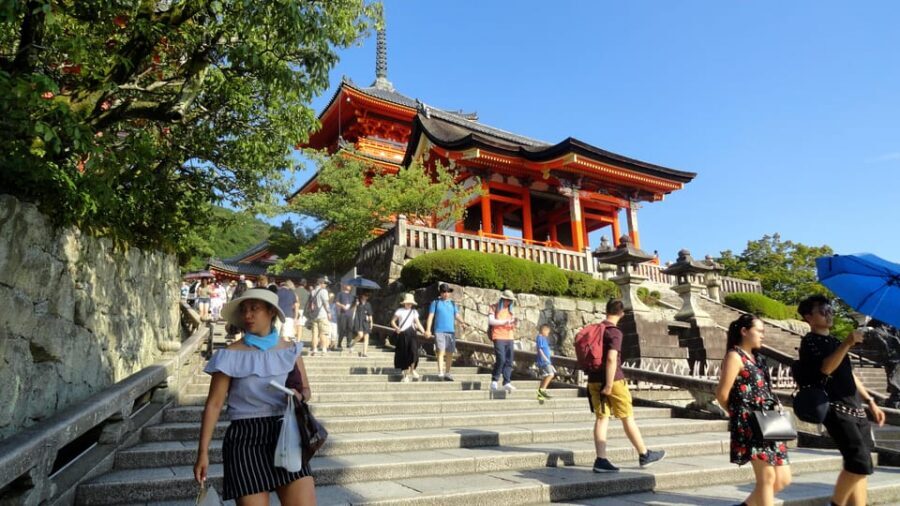
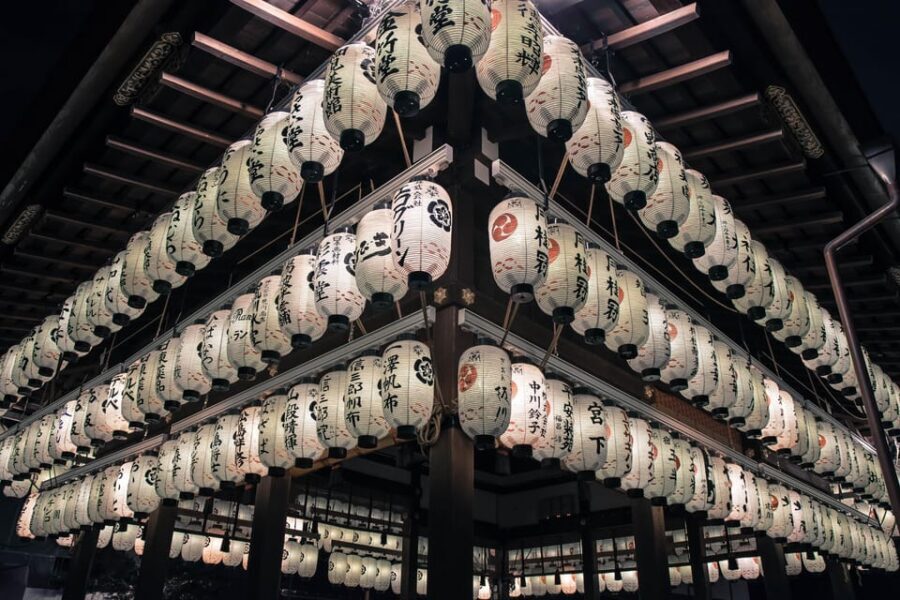
The tour wraps with Yasaka Shrine, plus a walk to Maruyama Park. This section is a nice contrast because it’s not just about temple structures—it’s also about living practices and local culture.
Your guide explains Shinto history, culture, and practices. That matters because shrines can look confusing if you don’t know what you’re seeing. With the context you get here, even simple rituals make more sense. You’re not guessing; you’re understanding what the signs and customs are pointing to.
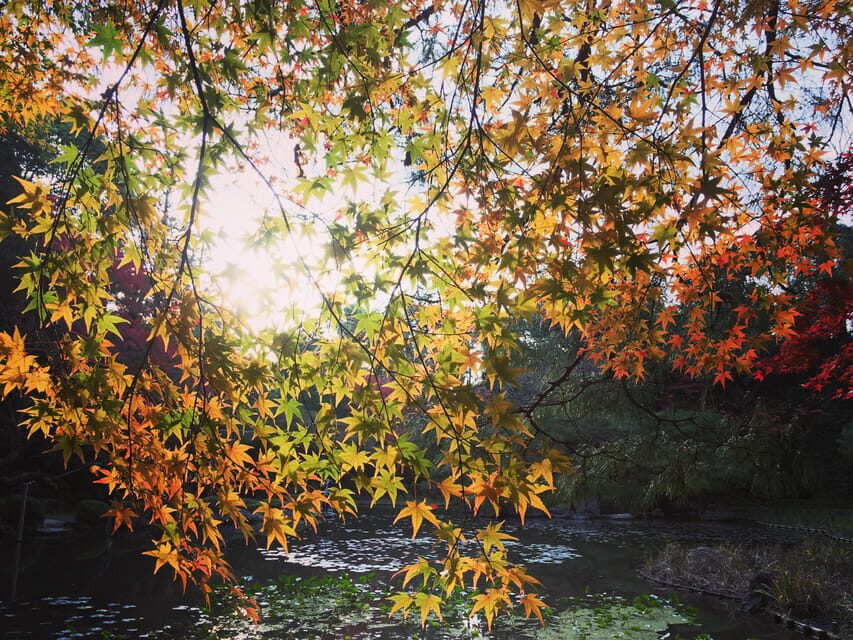
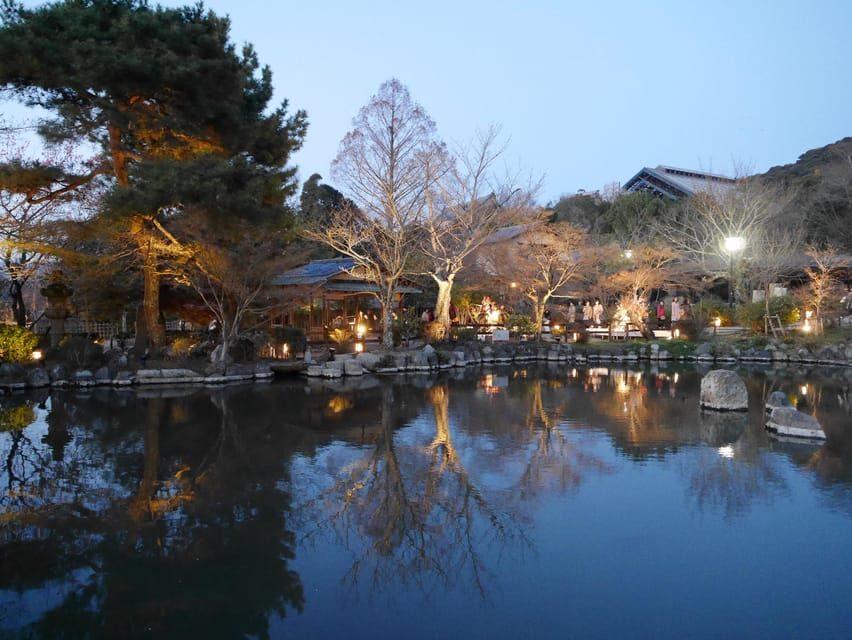
Then you exit toward Maruyama Park. The tour notes Maruyama Park as a favorite during cherry blossom season, which makes it a good “seasonal bookmark” for your Kyoto trip. Even if you’re not there in bloom, it’s a useful location to transition into the Gion area vibe.
I also like that this ending doesn’t feel like a dead stop. You finish at Gion-Shijo Station, so you can pivot immediately to dinner, evening wandering, or catching another view of the city after your guided learning time.



Price and value: what $54 buys you (and why it’s not just about tickets)
$54 for a 3-hour small-group tour can sound like a lot until you break down what’s included. Here’s what helps the value feel real:
- English-speaking guide time (multiple stops, not one single site)
- Entrance fees included for Kiyomizudera and Kōdai-ji
- Snacks along the way
So you’re paying for more than “someone walks you to temples.” You’re paying for explanation, pacing, and the practical help that saves you guesswork. When guides like Jasmine or Alex are praised for energetic delivery and clear cultural context, that’s what you’re buying: interpretation that makes the place click.
Also, the group size matters for value. Max 9 people is not just a comfort perk. It’s what lets your guide answer questions and adjust pace when someone wants a quick photo or a quick detour.
What you still pay separately: meals and drinks beyond the snacks, plus your own personal shopping. If you want lunch included, this tour won’t cover that. Plan for it and you’ll feel the value more clearly.
Logistics that matter: where to meet, what to bring, and how to plan your shoes
You meet at 7-Eleven near 112 Tatsumichō. Look for the guide wearing a TripGuru shirt or holding a TripGuru sign. The tour ends at Gion-Shijo Station, so keep that in mind when you plan dinner or your next transit move.
Bring:
- Comfortable shoes (seriously)
- A camera (this tour is built for viewpoints and street scenes)
- Cash (useful to have on hand)
The “not suitable” notes are also worth respecting. This tour isn’t for pregnant women, and it’s also not listed as suitable for people with mobility impairments, heart problems, or respiratory issues. That’s consistent with a walking route and temple stair sections.
My practical advice: think of this as a day-walk starter. Do it earlier when your legs are fresh, or at least not when you’ve already stacked multiple long sightseeing days.
Who this tour fits best (and who should choose another plan)
This tour works especially well if you’re:
- Short on time but want multiple major Kyoto sights in one go
- Traveling with a first-time Kyoto mindset and want the “what am I looking at?” layer
- The type who appreciates old streets and shrine culture, not just photo stops
- Looking for an English guide who can mix stories with real-world tips
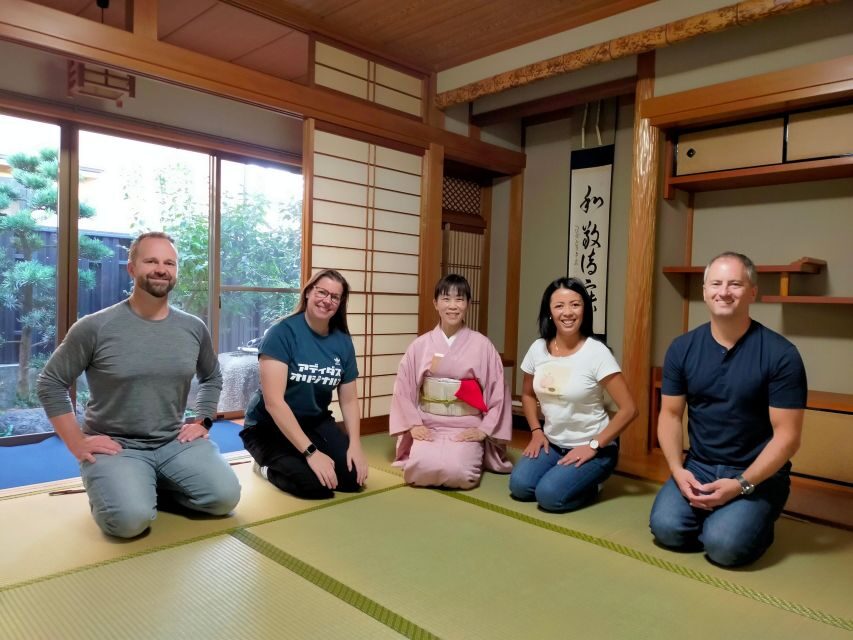
The reviews also hint at customization being possible in practice. Rafael is praised for customizing sights based on what people wanted to see, and that’s the kind of flexibility that can make a guided tour feel personal instead of scripted.
If you’re not a fan of stairs or long walking, or you’re dealing with mobility limits or health concerns covered in the tour’s notes, skip this one. Choose a less physical route instead. Kyoto is too good to force a bad fit.
Should you book this Kyoto temples and old streets tour?
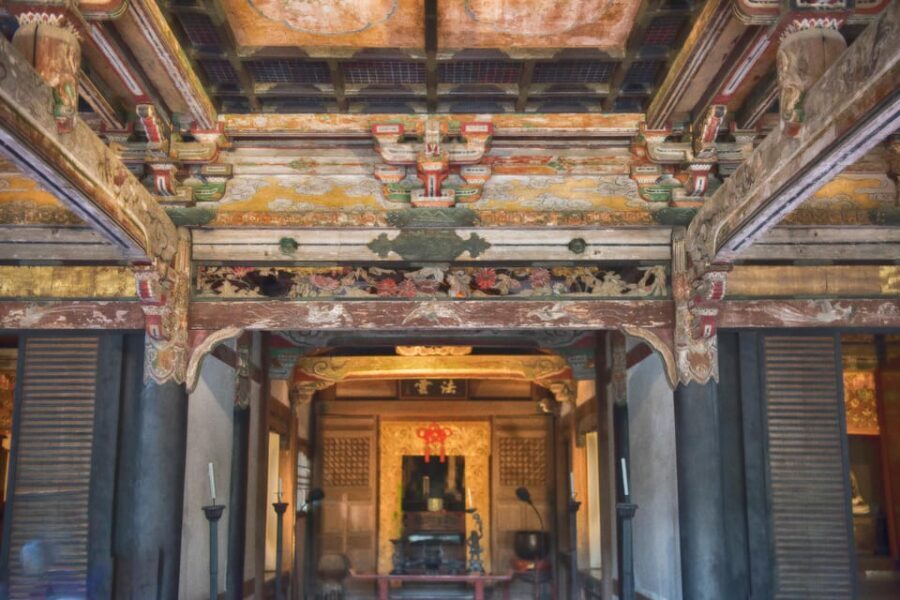
I’d book it if you want a focused Kyoto experience that feels organized but still human. The combination of Kiyomizudera, Kōdai-ji, and Yasaka Shrine is strong, and the pacing makes sense for a 3-hour slot. The small group helps, the guide quality seems consistently high across different names, and the included entrances make the math easier.
I wouldn’t book it if you’re worried about uneven ground and stair sections. Even with a guide, you’re moving through temple terrain. If that’s an issue, save your energy for a different kind of Kyoto day.
If your goal is to understand why Kyoto’s sights matter—religious stories, street character, and what to notice while you walk—this tour delivers that value without wasting time.
FAQ
How long is the Kyoto Kiyomizudera, Higashiyama and Yasaka Discovery Tour?
It lasts 3 hours total, with guided time at Kiyomizudera, Sannenzaka, Kōdai-ji, and Yasaka Shrine.
Where do I meet the tour, and where does it finish?
You meet at the 7-Eleven at 112 Tatsumichō, looking for a guide in a TripGuru shirt or holding a TripGuru sign. The tour ends at Gion-Shijo Station.
Is the tour guide English-speaking?
Yes. The tour includes a live English-speaking guide.
What is included in the price?
Entrance fees for Kiyomizudera and Kōdai-ji are included, along with snacks.
What group size should I expect?
The tour is a small group limited to 9 participants.
What should I bring for the walk?
Bring comfortable shoes, a camera, and cash.
Is the tour suitable for mobility impairments or pregnancy?
No. It is listed as not suitable for pregnant women and not suitable for people with mobility impairments, heart problems, or respiratory issues.
Can I cancel and get a refund?
Yes. Free cancellation is available up to 24 hours in advance for a full refund.