Kyoto’s street stories start fast. This 5-hour walk links the old pilgrimage approach to Kiyomizu-dera with the souvenir lanes of Sannenzaka and Ninenzaka, then lands you in atmospheric Gion and the nightlife edge of Pontocho. It’s a practical way to see a lot without spending your whole day figuring out routes.
I especially like the Italian-speaking guide (Omae) who explains cultural and religious details while you move. I also like that the price is set up for convenience: transport and entrance tickets are included, so you’re not doing math every time you stop at a gate. One possible drawback: the timing is tight around the lanes and photo stops, so if you want long shopping breaks, you’ll need to ask the guide to adjust where possible.
In This Review
- Key highlights at a glance
- From Kyoto Station to Pontocho in 5 focused hours
- Meeting at Kyoto Station (Karasuma-Guchi): find the group quickly
- The short ride to Kiyomizu-dera: start with momentum
- Kiyomizu-dera in about an hour: what the approach teaches you
- Sannenzaka and Ninenzaka: classic lanes with sweets, shops, and a time squeeze
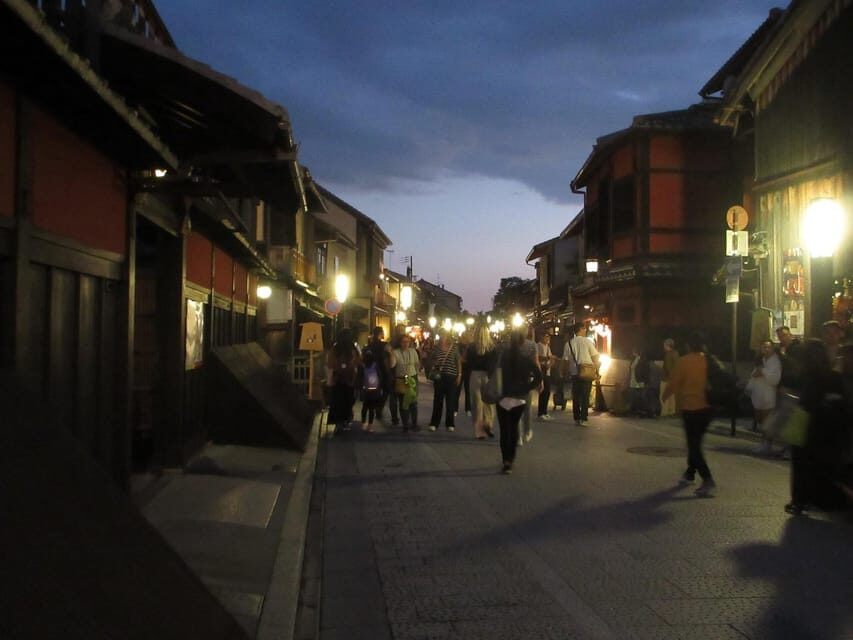
- Gion for 30 minutes: the meaning behind the streets
- Kyoto Minami-za pass-by: a quick context hit
- Ending in Pontocho: you get a place to keep going
- Price and value: why $117 can feel fair here
- What makes the guide experience work (Omae and the question-friendly pace)
- Logistics you should plan for (without killing your vibe)
- Who should book this Kyoto Kiyomizu–Gion route
- Should you book this Kyoto experience?
- FAQ
- What language is the tour guide speaking?
- How long is the tour?
- How much does the tour cost?
- Where do I meet the tour?
- Is transport included?
- What are the main stops during the route?
- Can the itinerary be adjusted?
- Is the tour wheelchair accessible?
- What is the cancellation policy?
Key highlights at a glance
- Italian guide (Omae) answers questions along the way and keeps the pace understandable
- Transport + monument entry included for a smoother, lower-stress day
- Flexible timing when requested so you’re not trapped in a rigid script
- Honest slice of the pilgrimage walk from old routes toward Kiyomizu-dera
- Gion in 30 minutes with enough context to make it more than just street views
- Ends at Pontocho, so you can keep exploring after the tour
From Kyoto Station to Pontocho in 5 focused hours
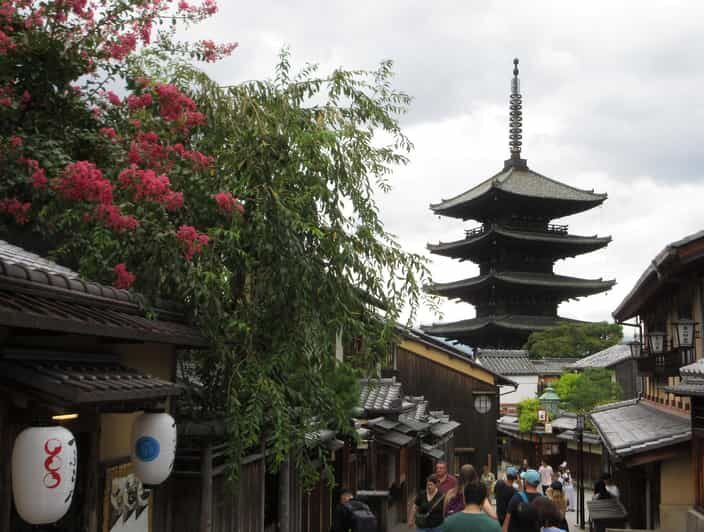
This tour is built for people who want the classic Kyoto hits in one morning/afternoon block, but still enjoy walking at human speed. You start at Kyoto Station and then move quickly into the historic zone—about a short bus/coach ride first, followed by mostly on-foot strolling through preserved streets and temple approach areas.
The walk pattern matters. Instead of jumping from one faraway sight to another, you get a continuous flow: temple area → old hillside streets → Gion. That makes the cultural context click, because you’re seeing the same neighborhood logic stretch across multiple stops.
And you’re not just left to wander. You’re accompanied by an Italian-speaking guide who can clarify what you’re looking at—especially helpful in places where signs, customs, and temple etiquette aren’t always obvious to non-Japanese speakers.
A few more Kyoto tours and experiences worth a look

Meeting at Kyoto Station (Karasuma-Guchi): find the group quickly
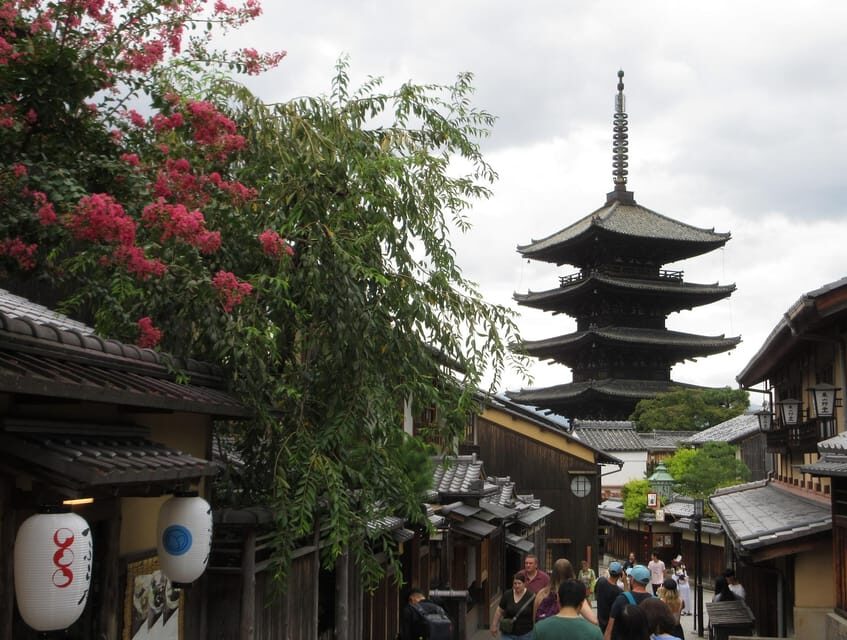
Your biggest “day saver” is knowing exactly where to meet. This tour’s meeting point is at Kyoto Station, North Entry (Karasuma-Guchi). You should look for the space between the four escalators in front of the cab (not bus) terminal, on the east side just outside the central north entrance.
Here’s a helpful visual cue: from that spot, you can see Kyoto Tower in front of the station, up on the top left (not right) of where you’re standing. That kind of reference point reduces stress, especially when Kyoto Station is busy.
You’ll get an email the day before confirming and detailing the meeting point. I treat that as essential prep: read it the night before, then take one quick look at the station area on a map so you know which entrance you’re aiming for.
The short ride to Kiyomizu-dera: start with momentum
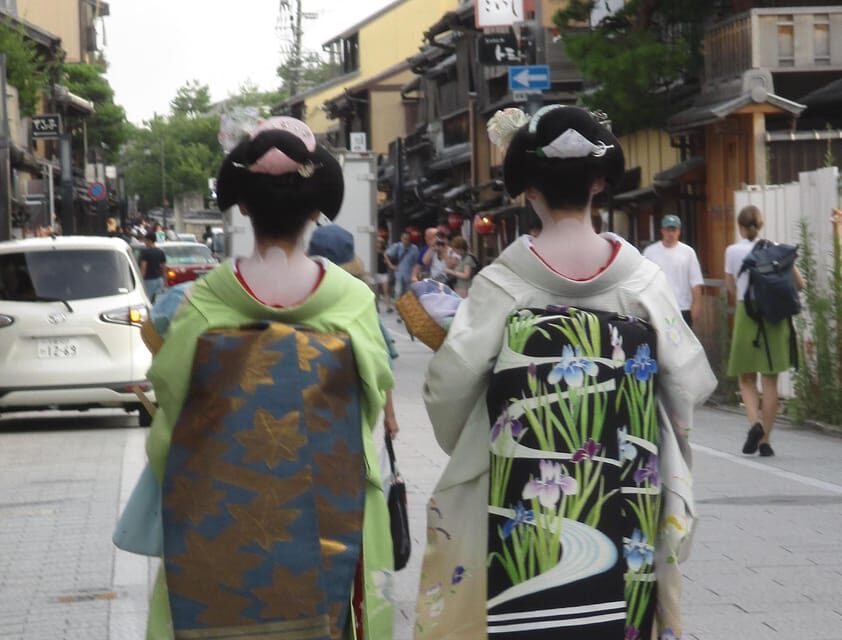
After meeting, there’s a bus/coach segment of about 15 minutes. That’s a smart choice for a first stop, because it gets you into the temple approach area without eating your entire schedule on transit.
It also sets the tone. You arrive and immediately shift into the walking rhythm of Kyoto’s historic core—rather than spending the early part of the day hauling luggage and checking directions.
Kiyomizu-dera in about an hour: what the approach teaches you
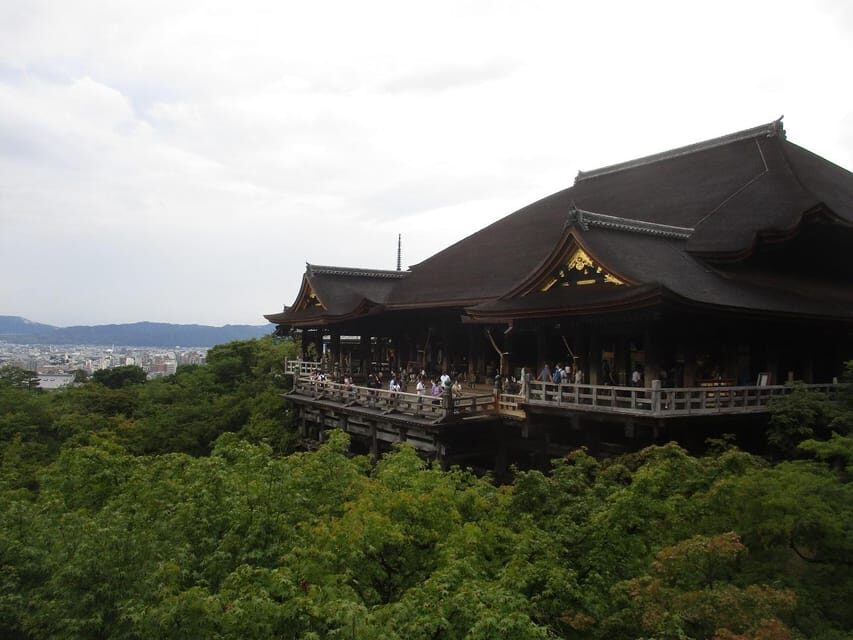
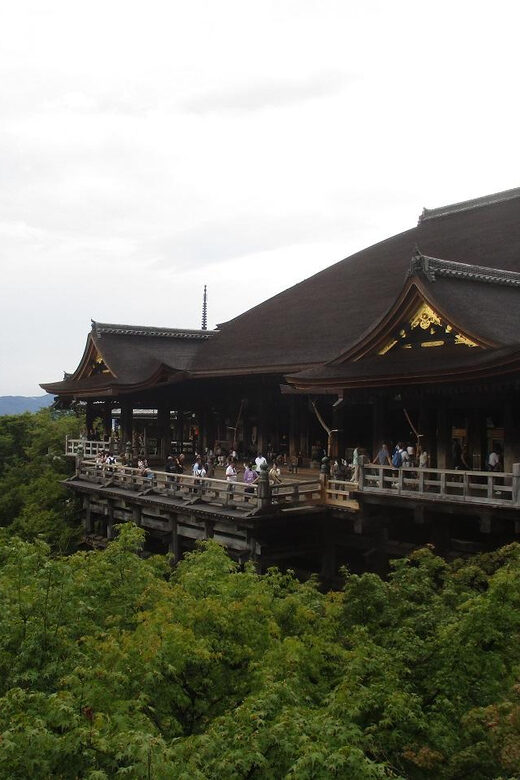
The highlight start is Kiyomizu-dera, with about 1 hour for a guided visit and sightseeing. Even with limited time, the guide’s job is to help you understand what you’re seeing, not just where to stand for photos.
What I like about doing Kiyomizu-dera as part of a route (instead of as a lone stop) is that it frames the temple area as the end of an older pilgrimage experience. The experience is described as connected to ancient pilgrimage routes that developed from the 8th century to today. You feel that time layering in the way you walk and in the context your guide gives you along the way.
A practical note: temple visiting can involve small walking loops and crowded viewpoints. With only an hour, you’ll want to move with the group and trust the guide’s pacing. If you’re particularly interested in one angle, ask the guide quickly where to prioritize first so you don’t lose time later.
Sannenzaka and Ninenzaka: classic lanes with sweets, shops, and a time squeeze
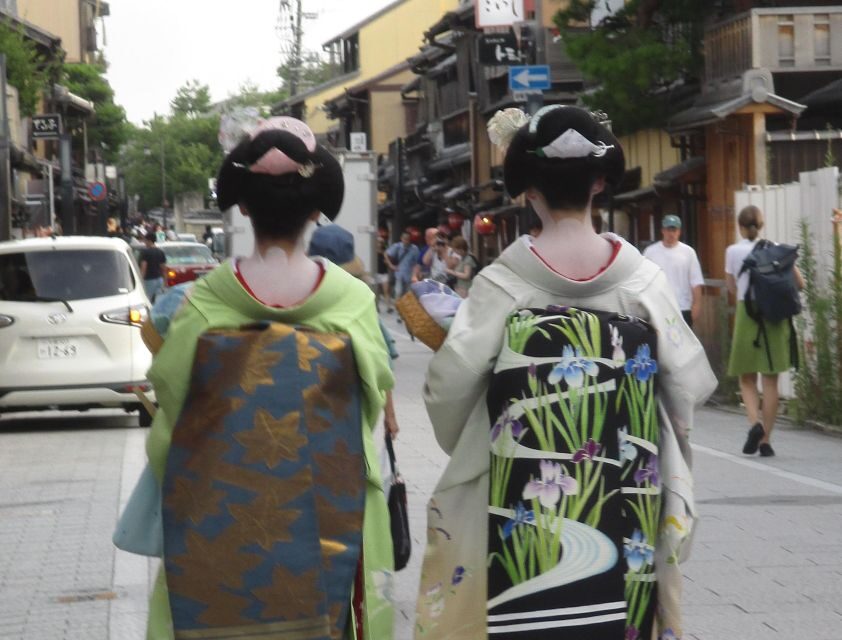
After Kiyomizu-dera, the tour transitions to the hillside streets via short on-foot segments. You spend time walking through Sannenzaka first, then Ninenzaka.
These streets are known for the old-style lanes lined with souvenir shops and sweet stores, plus cafes and places to stop. The goal of this tour isn’t a long shopping spree. The value is that you get context and flow while you pass through the scenery that makes Kyoto feel like Kyoto.
Timing here is real:
- You walk Sannenzaka for about 3 minutes.
- Then Ninenzaka includes a longer walking segment of about 15 minutes.
So what should you do with this? Plan for quick browsing and one small treat, not a full shopping mission. If you want to pick up gifts, decide fast which stall you’re targeting. Otherwise the group pacing can feel rushed.
Also, these lanes can get crowded at peak times, so patience helps. The guide can help you choose where to pause for photos without blocking others.
A few more Kyoto tours and experiences worth a look



Gion for 30 minutes: the meaning behind the streets
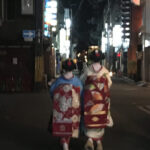
Next comes Gion, with about 30 minutes for a guided visit and sightseeing. For many people, Gion is the postcard version of Kyoto. But what makes this stop worthwhile is getting it explained while you’re actually walking.
In a short slot like this, the guide’s value is turning street visuals into cultural understanding. You learn what to pay attention to and why certain details matter—so you’re not just counting rooftops and alleyways.
There’s also a realistic limit here. 30 minutes doesn’t equal a deep exploration. It’s enough time to get oriented, see the vibe, and understand how this neighborhood fits into Kyoto’s broader cultural world. If you want longer time in specific corners of Gion, you’ll likely want to come back later on your own after the tour finishes.
Kyoto Minami-za pass-by: a quick context hit
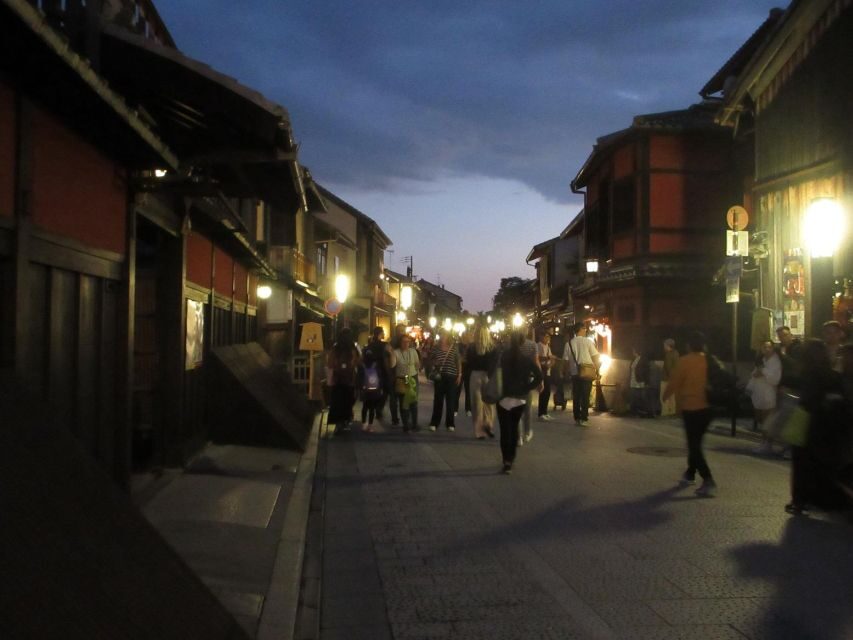
The itinerary includes a short pass by Kyōto Minami-za (about 3 minutes). This kind of “see it, know it, keep moving” stop is useful if you want a sense of what’s around you without turning the tour into a museum day.
Because it’s brief, don’t expect a full performance or long explanation. Instead, use it as a mental bookmark: you’ll know what building you saw, which makes it easier to plan an evening or a separate show visit later if that’s your style.
Ending in Pontocho: you get a place to keep going
The tour finishes in Pontocho. This is a smart way to end, because Pontocho is the kind of area where you can extend your day naturally—dinner, drinks, or a casual evening stroll—without needing transport planning.
Think of it as a “day ending on your feet.” You’ll likely be within easy walking distance of more exploring options, and you won’t feel like your trip ends abruptly after the temple and streets.
Price and value: why $117 can feel fair here
At $117 per person for a 5-hour experience, you’re paying for more than a stroll. You’re buying three kinds of convenience:
First, the tour includes transport (the bus/coach segment) plus the required entrance tickets for the scheduled sights. That matters because those individual costs add up quickly in Japan if you’re booking everything yourself.
Second, you get a live guide in Italian, which is often the difference between seeing sights and understanding them. If you travel in a language other than English or Japanese, this kind of guided framing is a big value multiplier.
Third, the tour offers flexible itineraries and schedules on request as far as possible, plus assistance during the itinerary. That means you’re not stuck if something small goes off plan. It won’t turn into a private charter, but it helps if you need minor adjustments.
The fair way to judge value is to ask yourself one question: do you want structure and context, or do you want to fully self-guide? If you want structure and less friction, the price makes sense. If you’re comfortable navigating and want maximum free time at each street, you might prefer a slower independent route.
What makes the guide experience work (Omae and the question-friendly pace)
The strongest praise centers on the guide experience. The guide is described as friendly and lively, but also accurate with explanations. That blend is what you want in a language tour: someone who can keep you engaged and also handle details correctly.
A standout theme is that the guide answers questions and pays attention to specifics. That’s not just nice; it improves what you retain. When you ask what something means—religious context, cultural references, why something is arranged a certain way—you turn the tour into understanding, not just sightseeing.
So when you book, don’t be shy about questions. In fact, I’d bring a few curiosities before you go. For example: what customs should you follow in temple areas, or what the street setup is telling you about daily life and heritage.
Logistics you should plan for (without killing your vibe)
This tour is wheelchair accessible, which is a real plus. Still, remember it’s a walking route through temple areas and old streets. Even with accessibility, you’ll want to move at the pace of the group and anticipate uneven terrain where old neighborhoods require it.
Also, this is a 5-hour program. That means frequent but brief stops. The itinerary moves you from major icons to street experiences on foot in short segments—so wear comfortable shoes and be ready to walk.
Finally, the tour runs in Italian only. If Italian is not your strength, you may still enjoy the scenery, but the value of the explanations depends on your ability to follow along. A translation app can help for key points, but it won’t replace a fluent guide.
Who should book this Kyoto Kiyomizu–Gion route
This tour fits best if you:
- Want a guided introduction to Kiyomizu-dera and the surrounding pilgrimage streets
- Are traveling with a preference for Italian-language explanations
- Like a plan that covers multiple neighborhoods in one day without complicated logistics
- Want an ending point in Pontocho for your own evening plans
It might not be ideal if you:
- Want hours of free time in Gion to roam without guidance
- Are shopping-first travelers who need long stops at souvenir lanes
- Prefer to choose your own pace and timing at each location
Should you book this Kyoto experience?
If your goal is a smooth, structured Kyoto day that combines temple area meaning with classic street atmosphere, I’d book it. The guide-led context, the included transport and entrance tickets, and the fact that the itinerary is designed as a connected route make it more than a list of stops.
Book it when you want to understand what you’re seeing, not just look at it. And if you’re trying to hit Kiyomizu-dera, Sannenzaka, Ninenzaka, Gion, and finish near Pontocho without overplanning, this is a smart, time-efficient way to do it.
FAQ
What language is the tour guide speaking?
The guide speaks Italian.
How long is the tour?
The duration is 5 hours.
How much does the tour cost?
The price is listed as $117 per person.
Where do I meet the tour?
Meet at Kyoto Station, North Entry (Karasuma-Guchi), in the space between the four escalators in front of the cab (not bus) terminal, toward the east just outside the central north entrance. You should see Kyoto Tower in front of the station at the top left of your position.
Is transport included?
Yes. Transport is included, along with entrance tickets for the monuments scheduled during the itinerary.
What are the main stops during the route?
You visit Kiyomizu-dera, walk through Sannenzaka and Ninenzaka, visit Gion, pass by Kyōto Minami-za, and finish in Pontocho.
Can the itinerary be adjusted?
Flexible itineraries and schedules are available on request as far as possible, and assistance is provided during the itinerary.
Is the tour wheelchair accessible?
Yes, the tour is wheelchair accessible.
What is the cancellation policy?
You can cancel up to 24 hours in advance for a full refund.