Kyoto can feel like a maze.
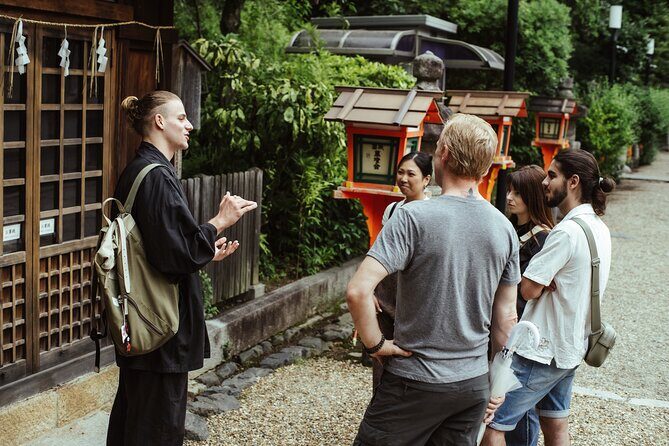
This private walking tour is built to save time while still giving you the why behind what you’re seeing—especially around Gion and Higashiyama. You’ll follow a guide through old streets, temple grounds, and shrine life, with commentary on Japanese traditions and Geisha culture. It’s also private, so you get your guide’s full attention, not a packed group shuffle.
I especially like the smart pacing: about 3 hours for a route that hits major landmarks plus classic street flavor. And I like that key stops like Kennin-ji and Yasaka Shrine are included with free admission noted, so you can budget for the guide instead of stacking entry fees.
One possible drawback: because this is a walking tour with multiple religious sites and scenic streets, you’ll want to come with comfortable shoes and a willingness to move at a steady pace. If you prefer long sit-down breaks, this format might feel a bit brisk.
In This Review
- Key things you’ll notice on this Gion and Higashiyama walk
- A Private Shortcut Through Gion and Higashiyama
- Price and what you’re really paying for ($144.88 per person)
- How the 3-hour route stays tight (and ends near its starting area)
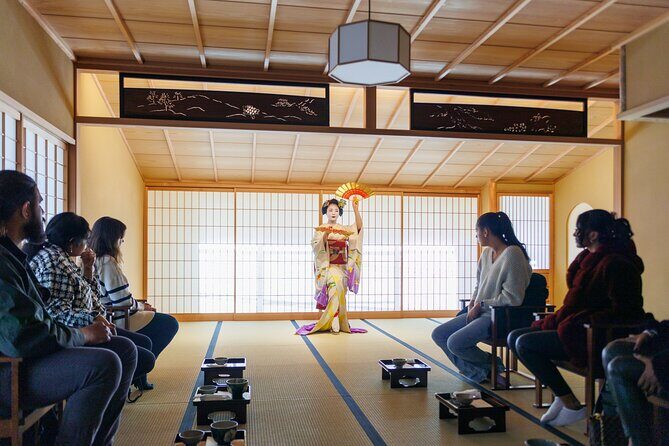
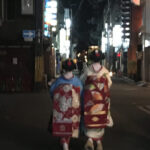
- Gion: Geisha culture on the streets of Kyoto
- Kennin-ji Temple: Zen origins in a shorter stop
- Hokan-ji Temple (Yasaka Pagoda) and the old-town streets nearby
- Ninenzaka Path: the classic Higashiyama stroll
- Maruyama Park: seasonal views tied to Kyoto’s calendar
- Yasaka Shrine: architecture, Omikuji culture, and a strong finish
- Why the guide really changes the experience (Dominic example)
- Who this private walking tour suits best
- Should you book this private Gion and Higashiyama tour?
- FAQ
- How long is the private walking tour in Gion and Higashiyama?
- Where does the tour start and end?
- What stops are included on the route?
- Are there admission fees for the listed stops?
- Is this tour private, and how do tickets work?
- What’s the cancellation policy?
Key things you’ll notice on this Gion and Higashiyama walk
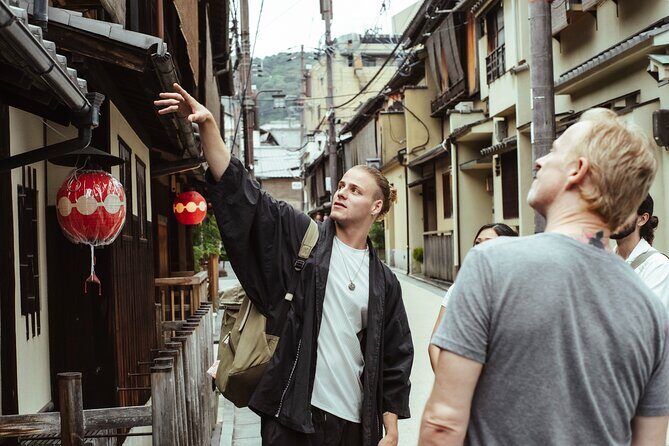
- A private guide who helps you move through the area efficiently without you doing any route research
- Gion + Higashiyama in one shot with major stops like Yasaka Shrine and Kennin-ji Temple
- Free admission called out for the temple and shrine visits on the route
- Geisha culture explained in plain language as you walk the streets of Gion
- Classic Kyoto street segments like the Ninenzaka Path, plus Maruyama Park for seasonal views
A Private Shortcut Through Gion and Higashiyama

Gion and Higashiyama are where Kyoto puts on its best “old Japan” show—but they can also be tough to plan. Streets twist, you miss side lanes, and it’s easy to walk past important spots without realizing what you’re seeing. This tour solves that with one simple idea: you follow a guide along a tight route and stop where it matters.
The other big advantage is focus. Since it’s private, your guide can slow down when you have questions and keep you moving when you’re ready to go. That matters in a place like Kyoto, where a little context can change how a temple gate or a teahouse row feels.
This walk also hits both “story” and “scenery.” You’re not just taking photos. You’re hearing about how the traditions show up in everyday Kyoto—through shrines, temples, and the cultural world associated with Geisha in Gion.
A few more Kyoto tours and experiences worth a look

Price and what you’re really paying for ($144.88 per person)
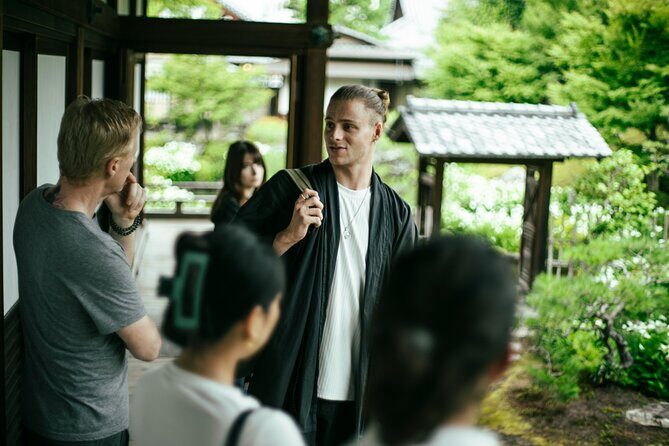
At $144.88 per person, you’re paying for convenience plus interpretation—not just walking from point A to point B. A group discount is listed, which can help if you’re traveling with friends, and the tour being private is the main value driver.
Here’s how I think about the cost:
- You’re getting about three hours of guide time, including guiding, navigation, and cultural commentary.
- Several key stops are noted as free admission, which keeps the experience from turning into a “ticket costs everywhere” day.
- The tour is designed so your guide navigates while you focus on what you’re looking at.
If you’d otherwise spend your time reading maps, lining up routes, and guessing what’s worth your attention, the price can start to look reasonable fast. If you’re the type who loves planning every minute yourself and doesn’t need a guide’s explanation, you might feel like you could replicate parts of this on your own. But if you want Kyoto to make sense while you walk, this format is built for that.
How the 3-hour route stays tight (and ends near its starting area)
The tour is listed as about 3 hours, and it’s paced as a sequence of short temple and shrine stops mixed with street walking. That matters because you get variety without feeling like you’re only doing one long museum-style visit.
You start at the Statue of Izumo-no-Okuni (Kawabatacho) in Higashiyama Ward. You end at Yasaka Shrine, at the main gate (south side), with the note that it’s about a 7-minute walk from where you started. Translation: you’re not crisscrossing the whole city. It’s a concentrated loop through the heart of the area.
You’ll also be dealing with a normal walking cadence in Kyoto. Even though some stops are short—like 10 minutes at Maruyama Park—the day works because your guide keeps the flow moving and you’re not stuck figuring out which lane to take next.
Gion: Geisha culture on the streets of Kyoto

Stop 1 is Gion, with about 1 hour here. This is the anchor of the tour, and it’s where the cultural framing starts. The tour description specifically calls out a dive into Geisha culture, tying the “who” and “why” to what you see around you.
What I like about this approach is that it helps you separate surface impressions from context. Gion is famous, but fame can flatten meaning. With a guide pointing out what to watch for—historic streets, traditional teahouse areas, and the cultural world connected to Geisha—you’re more likely to notice details you’d otherwise miss.
A practical note: Gion can change block by block. One lane might feel quiet and old; another might feel busier. Because you’re on a guided path, you’re not wandering aimlessly trying to “find the right vibe.”
Kennin-ji Temple: Zen origins in a shorter stop
Next is Kennin-ji Temple for about 30 minutes, described as one of Kyoto’s oldest Zen temples and linked to the origins and influence of Buddhism in Japan. This is the stop that tends to add the “spiritual framework” for the walk.
Why this is valuable on a walking tour: you’re not getting a long, slow temple lecture. You’re getting a guided snapshot—enough to understand the significance and influence, while keeping momentum for the rest of the day.
If you’re short on time in Kyoto, Kennin-ji is a strong way to experience a major religious site without turning your whole day into temple hours. And because admission is listed as free, you can focus on the explanation and the atmosphere rather than budgeting extra.
Potential drawback: a 30-minute stop means you’ll see the highlights, not everything. If you want deep quiet time or long photo breaks, you might want extra independent time here later.
A few more Kyoto tours and experiences worth a look


Hokan-ji Temple (Yasaka Pagoda) and the old-town streets nearby
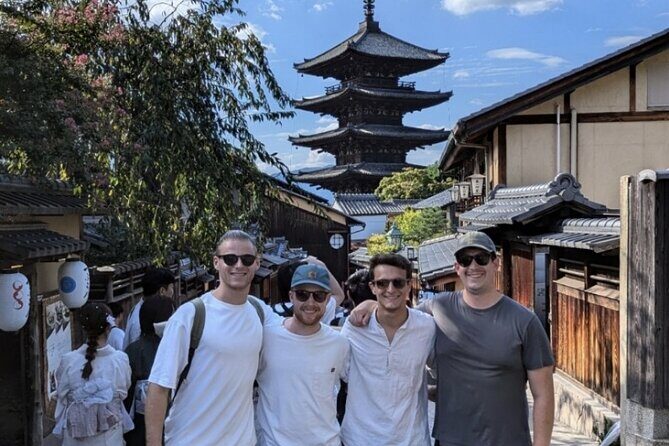
Then you head to Hokan-ji Temple, also noted as the Yasaka Pagoda, with about 20 minutes. The description emphasizes the surrounding old town—narrow streets with traditional shops and cozy cafes.
This part works well after Kennin-ji because it shifts you from “religion and origins” into “Kyoto as lived place.” Instead of only focusing on a single courtyard or hall, you start reading the street itself as part of the experience.
What you’ll likely notice is how the area around major temples creates a natural walking rhythm. Shops and side lanes make the scenery feel human-scale, even while you’re surrounded by historic landmarks.
If you’re trying to get lots of culture in one day, this stop is a good compromise: enough time to visit and absorb the temple focus, plus a bit of time to walk the charming streets around it.
Ninenzaka Path: the classic Higashiyama stroll

Between the main stops, the itinerary includes a walk along Ninenzaka Path in Higashiyama. This is a classic Kyoto street segment lined with old shops, cozy cafes, and teahouses, and it’s described as a mix of culture and charm.
This is where the tour becomes more “Kyoto daydream” than “schedule.” Street walks in Higashiyama are about atmosphere—how structures, signage, and the flow of people shape your impression.
One reason I like including Ninenzaka here: it’s a palate cleanser between temples. After you’ve absorbed historical and religious context, you get a softer, more sensory stretch of old-town street life.
Maruyama Park: seasonal views tied to Kyoto’s calendar
Next is Maruyama Park for about 10 minutes. It’s described as known for cherry blossoms in spring and momiji (autumn leaves) in fall, with park views framed by temples.
Even though the time is short, this stop gives you something you can’t easily replace with temple-focused sightseeing: seasonal Kyoto beauty. If your timing lines up with spring blossoms or autumn foliage, you’ll understand why this area gets attention.
If you’re visiting outside those peak seasons, it’s still a good “reset” moment. Think of it like a breather and a view stop to keep the day from feeling purely inside-and-stairs.
Yasaka Shrine: architecture, Omikuji culture, and a strong finish
Finally, you reach Yasaka Shrine, about 30 minutes. The tour description highlights the shrine’s historic and cultural significance and notes you’ll come across traditional practices like drawing omikuji (fortune slips).
This is a strong capstone for the route. Yasaka Shrine is a place where Kyoto’s tradition feels active, not frozen in postcards. And because it’s the endpoint, you’re finishing with a recognizable landmark rather than trailing off into quiet side streets with no closure.
What to expect here is more than architecture. The guide commentary is meant to connect the shrine’s role in Kyoto life with what you’ve seen earlier: Geisha-world context in Gion, Buddhist roots around Kennin-ji and Hokan-ji, and then shrine practice and belief culture at the end.
A small practical consideration: the shrine area is a “hang around” kind of place. If you finish your 30 minutes and want more time, you’ll be close to options because the tour ends right there.
Why the guide really changes the experience (Dominic example)
One review specifically praises a guide named Dominic. The feedback focuses on how friendly and fun he was, plus how he stayed informative and responsive to questions, adding local insights and going above and beyond.
That’s the heart of why I think a private tour is worth it here. You’re not just following a list of landmarks. You’re getting a person who can answer your curiosity in the moment—whether it’s about what something means, why it’s important, or what you’re looking at in practical terms.
And because the itinerary includes multiple cultural lenses—Geisha-related commentary, Zen temple origins, and shrine customs—you benefit from a guide who can connect the dots instead of leaving you to piece them together.
Who this private walking tour suits best
This is a great fit if:
- You want Gion and Higashiyama in one day without heavy planning.
- You like guided context and want to ask questions as you walk.
- You’re traveling as a pair or small group and prefer private over crowded.
It can also work well if you’re the type who enjoys iconic places but hates the guesswork of navigating between them while trying to interpret what you see. The route is set up to help you get the main beats without turning your day into research.
Where it might not fit as well:
- If you need lots of long breaks or you want to spend a very slow, unstructured day wandering.
- If you’re trying to pack in extra stops beyond the planned route, the 3-hour flow might limit how flexible you can be.
Should you book this private Gion and Higashiyama tour?
If your goal is to understand Kyoto while you walk, I’d say it’s an easy “yes” to consider. The route covers the key zones—Gion, Zen temple time, an old-town temple-and-street area, Ninenzaka’s classic street vibe, Maruyama Park seasonal views, and a strong finish at Yasaka Shrine—within about 3 hours.
The value question comes down to your style:
- If you want a guided shortcut with explanation and navigation, the $144.88 price is paying for convenience and interpretation.
- If you’re a solo planner who loves doing everything on your own, you could cobble together a similar day—just without the “don’t miss anything” guidance.
My practical advice: book it if you’re time-limited, curious, and you want your day to feel coherent. Book something else if you mainly want freedom to wander without structure.
FAQ
How long is the private walking tour in Gion and Higashiyama?
It’s listed as about 3 hours.
Where does the tour start and end?
The tour starts at the Statue of Izumo-no-Okuni in Higashiyama Ward, Kyoto, and ends at Yasaka Shrine near the main gate (south side).
What stops are included on the route?
The route includes Gion, Kennin-ji Temple, Hokan-ji Temple (Yasaka Pagoda), a walk on Ninenzaka Path, Maruyama Park, and Yasaka Shrine.
Are there admission fees for the listed stops?
Admission is marked as free for the stops listed (including the temple and shrine visits described).
Is this tour private, and how do tickets work?
Yes, it’s a private tour/activity with only your group participating, and it uses a mobile ticket.
What’s the cancellation policy?
Free cancellation is offered. You can cancel up to 24 hours in advance for a full refund.
If you tell me your travel month and whether you’re going solo or with friends, I can suggest how to best time this route for your vibe (spring blossoms versus autumn momiji, for example).