Kyoto can feel like a blur of temples and photos. This tour slows it down with a route that links the Fushimi Inari torii climb to the views at Kiyomizudera, with a live Spanish guide shaping what you notice along the way. I like that the day is built around walking paths and viewpoints, not just quick stops. I also like the mix of stops, from the shrine trail to the Otani area and the historic streets of Higashiyama. One drawback: the tour is rated mixed, and one booking complained the guide didn’t provide much history; if you want deep, story-heavy context, you’ll want to make sure your guide style matches your expectations.
Plan for a long, active 7 hours. The Fushimi Inari part includes climbing with trails and stairs, and the tour isn’t a good fit for people with mobility impairments. If you show up with comfortable shoes and realistic stamina, you’ll get a satisfying day that hits Kyoto’s “red torii plus big cliff views” combo without feeling scattered.
In This Review
- Key points to know before you go
- Fushimi Inari’s torii path: the day’s main event
- Meeting at JR Inari: start easy, then get moving
- The short train hop and the Pontocho lunch break
- Otani Hombyo and the Otani Cemetery: a quieter Kyoto layer
- Getting to Kiyomizudera via Higashiyama streets
- Sannenzaka shopping lanes: a satisfying finish near the end
- Price and value: what $76 buys you in real terms
- Who this tour suits best (and who should skip it)
- Tips for a smoother day on your feet
- Transport reality check: what’s not included
- Should you book this Spanish tour?
- FAQ
- How long is the tour?
- How much does it cost?
- What language is the tour guide?
- Where do I meet the group?
- What are the main stops on the route?
- Are Kiyomizudera entrance tickets included?
- Is transport included?
- Is the tour physically demanding?
- Is it suitable for people with mobility impairments?
- Are strollers or unaccompanied minors allowed?
Key points to know before you go
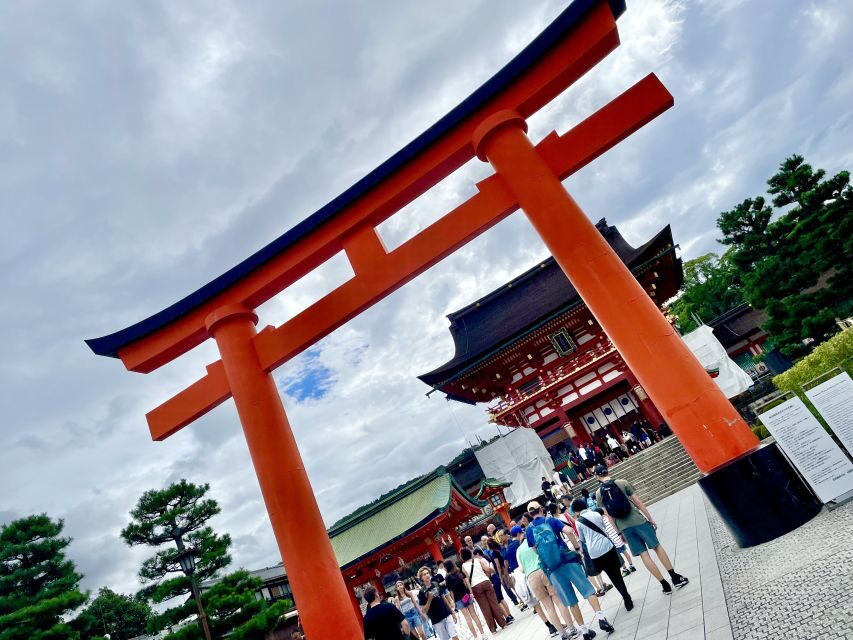
- Thousands of red torii at Fushimi Inari, plus side altars and smaller shrines you can actually notice on a walking route
- A structured break in Pontocho for lunch, so the day doesn’t feel nonstop
- Stops tied to Shinran’s mausoleum (Otani Hombyo) and a photo stop at Otani Cemetery
- Kiyomizudera entrance ticket included, saving you one ticket hassle at a busy time
- A final walk through Sannenzaka, including time for shopping and a classic Higashiyama feel
Fushimi Inari’s torii path: the day’s main event
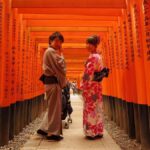
Fushimi Inari is one of those places where arriving is only step one. The real experience is moving through the trail and realizing the torii gates aren’t just decoration. They form a long path up the mountain, and the repetition changes your pace. I love that this tour doesn’t rush you past the gates; it keeps you on winding sanctuary paths where you can pause, look around, and take in panoramic views when the trail opens.
The route also nudges you toward the details. Along the way, you’ll have time to explore small altars and shrines. That’s where the place stops being a postcard and starts feeling like a living religious space. If you’re the kind of traveler who likes to look for what people pay attention to on-site, you’ll probably enjoy that slower scanning.
Here’s the trade-off: you’re going up. The activity is listed as moderate effort because you’ll climb the mountain using trails and stairs. If you want to do this day with minimal fatigue, you’ll need good shoes and a steady rhythm, especially if you’re carrying a camera bag.
A few more Kyoto tours and experiences worth a look


Meeting at JR Inari: start easy, then get moving
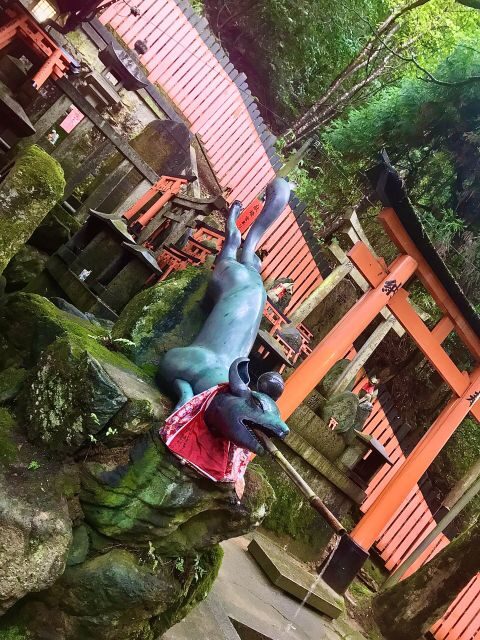
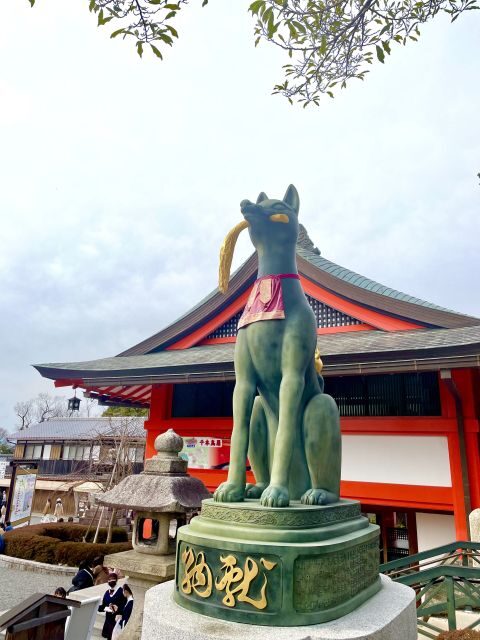
Your meeting point is simple and specific: in front of JR Inari Station, next to the fox statue. That matters because Kyoto can be confusing on arrival day—having a clear landmark helps you settle in fast.
From there, the day begins at Fushimi Inari-taisha, the most famous shrine in the area. Expect the tour to function like a guided walking circuit: the guide keeps you oriented, helps you move between spots, and points out what’s worth noticing instead of letting you guess your way through crowded lanes.
A practical tip for this kind of start: arrive a few minutes early and give yourself time to get organized. When you start climbing soon after meeting, you don’t want to be adjusting straps or asking where to go while the group is already moving.
The short train hop and the Pontocho lunch break
After Fushimi Inari, the schedule includes a 15-minute train ride. That’s not a long commute, but it’s a smart reset. You’re shifting from shrine hillside walking to city streets, and that brief transit keeps the day from feeling like one endless uphill slog.
Then you get a break time and lunch in Pontocho. Pontocho is a great place for a scheduled pause because you’re surrounded by lively street energy without needing to plan a full detour. The value here is simple: the tour gives you time for lunch without dragging out the meal.
The downside is that lunch timing depends on the group flow. If you’re picky about specific dietary needs or want a particular restaurant, you may want to have a backup plan for what’s convenient in Pontocho during your break window.
Otani Hombyo and the Otani Cemetery: a quieter Kyoto layer
This part of the itinerary adds variety. Instead of repeating the same shrine-and-temple rhythm, you’ll visit Otani Hombyo, described here as the mausoleum of Shinran. The tour includes a guided visit and a walk, plus scenic views along the way.
What I like about adding this stop is that it shifts your perspective. Fushimi Inari is all red torii paths and mountain atmosphere. Kiyomizudera later is cliff views and famous wooden architecture. Otani Hombyo and the cemetery give the day another tone—more reflective, less photo-only, and more about sacred spaces tied to Buddhism.
You’ll also stop at Otani Cemetery for a photo stop plus a guided visit and sightseeing walk. This is the kind of place where having a guide helps you read what you’re looking at, even if the schedule is tight. If you’re the type who enjoys contrast—loud versus quiet, crowds versus calm—you’ll probably appreciate how the Otani portion slows the tempo.
Getting to Kiyomizudera via Higashiyama streets
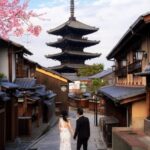
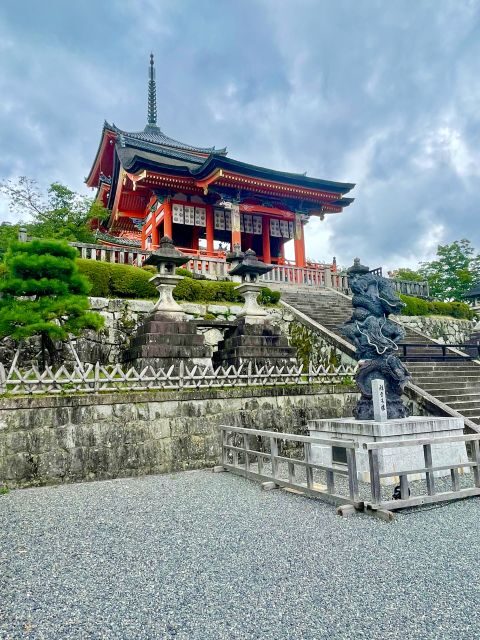
Once you head toward Kiyomizudera, you don’t just appear at the temple gate. You walk through the historic streets of the Higashiyama neighborhood until you reach the temple. This is a big part of why the day feels coherent. You get that Kyoto feeling of walking among traditional streets right before you reach one of Kyoto’s most iconic viewpoints.
Along the way, you can marvel at traditional architecture and build anticipation for the views. That’s useful because Kiyomizudera is famous, and it can be easy to treat it like just another must-see. With this route, you’ll arrive ready to look.
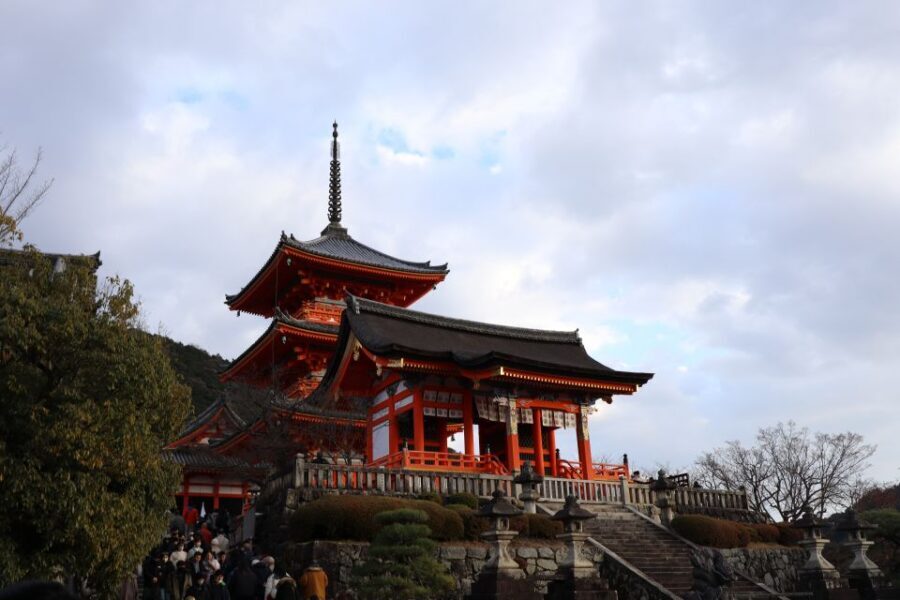
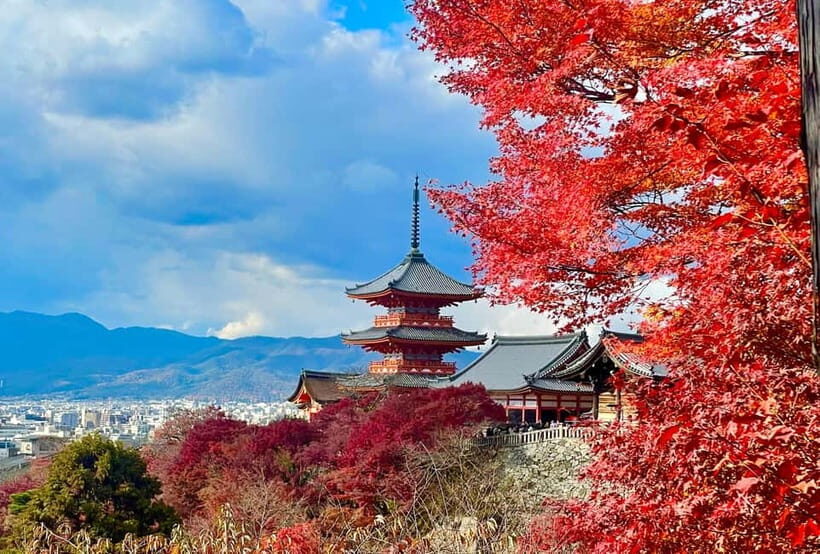
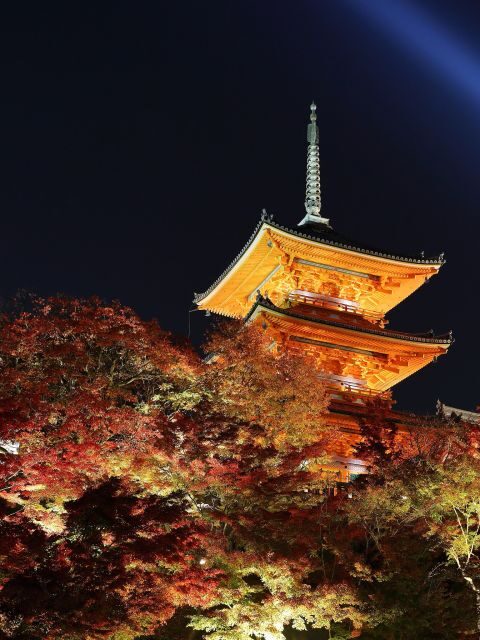
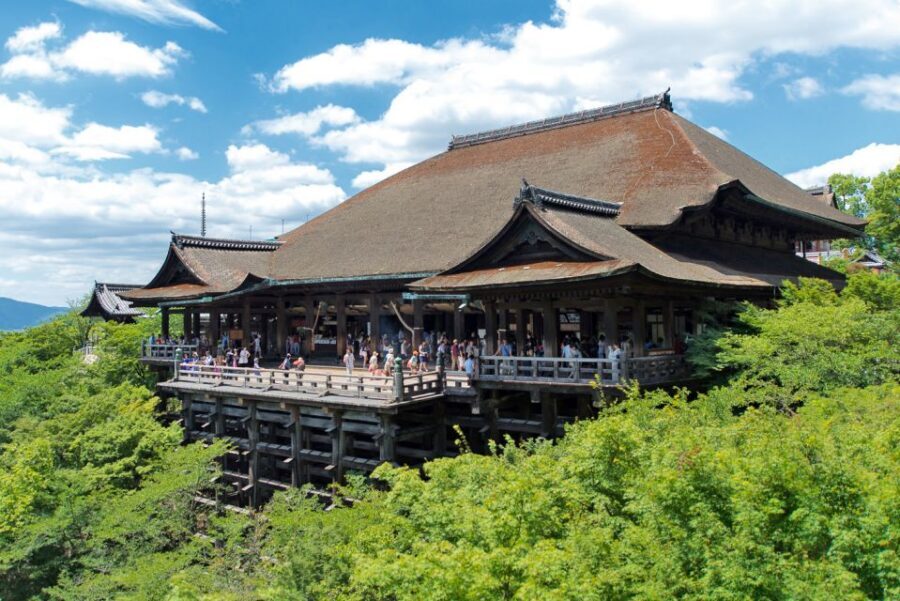
You’ll also get to experience the famed wooden platform that extends over the cliff area. The tour includes a photo stop and guided visit, so you’re not just standing there trying to figure out where the best angles are.
Inside Kiyomizudera, you can appreciate the beauty of the main hall and explore serene gardens around it. That garden time is where the temple shifts from spectacle to atmosphere. If you take a few minutes there without racing to the next photo, it’s one of the nicer breathing moments on the schedule.
A few more Kyoto tours and experiences worth a look



Sannenzaka shopping lanes: a satisfying finish near the end
After Kiyomizudera, the itinerary continues with Sannenzaka. You’ll visit with guided context, walk, and have time for shopping.
I like Sannenzaka as a closing stop because it turns sightseeing into something practical. You’re already in the Higashiyama zone, so you can pick up small souvenirs, snacks, or simple gifts without needing a separate errand plan. The tour keeps this section short—about 30 minutes—so it works well as a final stroll rather than a forced shopping spree.
The consideration here is crowd energy. Even with guided pacing, these lanes can get busy. If you hate shoulder-to-shoulder walking, treat the shopping time as a browse window and move with patience.
Price and value: what $76 buys you in real terms
At $76 per person for a 7-hour day, this tour isn’t the cheapest way to see these highlights. The question is whether it’s a good value for your style of travel.
You’re paying for three clear things:
- A live Spanish guide who leads you through multiple key areas
- Guided time at Fushimi Inari and Kiyomizudera (plus structured time at Otani Hombyo and Otani Cemetery)
- A Kiyomizudera entrance ticket included
For many travelers, that ticket inclusion and guided pacing can make the day feel less stressful. You’re less likely to waste time figuring out where to go next, and you get help turning landmarks into experiences.
But the mixed rating matters. One booking highlighted that the guide experience can vary, with one person stopping the tour early because they felt there wasn’t enough history and it felt more like company than a tour. Another booking praised Alejandro as fantastic and attentive. That means you should decide based on what you want most: a guided walk with practical pointing, or a story-heavy, history-forward narration.
If you’re mainly there for walking, views, and seeing the big icons, this price can make sense. If you want deep historical interpretation throughout, you may want to be picky about your guide’s approach—or choose a different option with more consistently strong feedback.
Who this tour suits best (and who should skip it)
This tour fits best if you enjoy guided walking and can handle moderate effort. You’ll climb at Fushimi Inari using trails and stairs, and the tour isn’t suitable for people with mobility impairments. If your comfort level is lower with stairs or long uphill walking, you’ll struggle with this itinerary’s core requirement.
It’s also a good match if you:
- Prefer a structured route that links multiple Kyoto highlights in one day
- Enjoy Spanish commentary and want help noticing details
- Like contrast in the day: red torii path, temple cliff views, and a quieter Buddhist-focused stop
It’s not a great match if you:
- Want a very light day with minimal walking
- Need stroller access (strollers aren’t allowed)
- Are traveling with unaccompanied minors (they aren’t allowed)
Tips for a smoother day on your feet
I’d plan this as a serious walking day. Bring comfortable shoes and comfortable clothes, and dress for a climb even if the forecast looks mild. The tour’s pacing is built around walking segments, photo stops, and guided explanations.
At Fushimi Inari, the biggest practical tip is to start at an even pace. Since you’ll be climbing, speed tends to break your stamina. Save your energy for viewpoints and the sections where the trail opens up, since those are the moments you’ll want your eyes and camera ready.
For Kiyomizudera, leave a little room to linger. The wooden platform and the surrounding areas are crowded at peak times, but the tour still includes time for the main hall and the gardens. Taking a short break inside can make the difference between a rushed check-off and a real memory.
Transport reality check: what’s not included
One line in the tour details is important: transport from Fushimi-Inari to Kiyomizudera isn’t included. The itinerary does include a short train ride early in the day, but this note means you should expect to cover at least part of the transit between those zones yourself.
If you like things predictable, ask your operator what the cost is likely to be for your date or what the tour will cover versus what you’ll pay. It’s better to confirm than to be surprised mid-day.
Should you book this Spanish tour?
I’d book it if you want a guided, walk-focused day that hits Fushimi Inari’s torii gates, Kiyomizudera’s cliff views, and a couple of extra spiritual stops (Otani Hombyo and Otani Cemetery) without building the route yourself. The $76 price can feel fair because you’re not just paying for entry—you’re paying for guided time plus a ticket.
I’d think twice if you’re strongly history-driven and expect a consistent, deep narrative from start to finish. With one booking mentioning a perceived lack of history and another praising Alejandro as attentive, guide style seems to matter here. If you can align with a guide who keeps you engaged, you’ll likely have a better time.
If your dream Kyoto day is mostly about movement, views, and a Spanish guide helping you spot what matters, this route is a solid way to spend 7 hours.
FAQ
How long is the tour?
It lasts 7 hours.
How much does it cost?
The price is $76 per person.
What language is the tour guide?
The tour guide speaks Spanish.
Where do I meet the group?
You meet in front of JR Inari Station, next to the fox statue.
What are the main stops on the route?
The tour covers Fushimi Inari-taisha, Pontocho, Otani Hombyo (Shinran’s mausoleum), Otani Cemetery, Kiyomizudera, and Sannenzaka.
Are Kiyomizudera entrance tickets included?
Yes, the Kiyomizudera entrance ticket is included.
Is transport included?
Transport from Fushimi Inari to Kiyomizudera is not included.
Is the tour physically demanding?
It has moderate physical effort. You’ll climb the mountain at Fushimi Inari using trails and stairs.
Is it suitable for people with mobility impairments?
No, it’s not suitable for people with mobility impairments.
Are strollers or unaccompanied minors allowed?
Strollers are not allowed, and unaccompanied minors are not allowed.