Kyoto in one focused day can feel magical. This Osaka-to-Kyoto tour strings together Sanzen-in moss gardens and Kifune’s crimson lantern path, then lands you in Arashiyama for that classic bamboo-forest photo moment. I like the tight timing built around a small group, and I also like the door-to-door pickup options that cut down stress. One consideration: the van leaves on time, and late arrivals aren’t waited for.
In practice, it’s a full, scenic arc through Kyoto’s quieter corners and its headline sights. You’ll visit three iconic stops in a 10-hour window, with photo pauses that work even if you’re not a professional photographer. And because the day includes lots of walking on uneven ground, it’s not the best match if you need wheelchair access or you’re pregnant.
In This Review
- Key moments worth getting excited about
- Price and logistics: what you really pay for
- How the 10 hours feel on the ground
- Sanzen-in: the moss garden stop that slows the day down
- Kifune Shrine: lanterns, matchmaking vibes, and mountain paths
- Togetsukyo Bridge: the iconic Kyoto frame shot
- Arashiyama Station kimono art forest: a quick visual reset
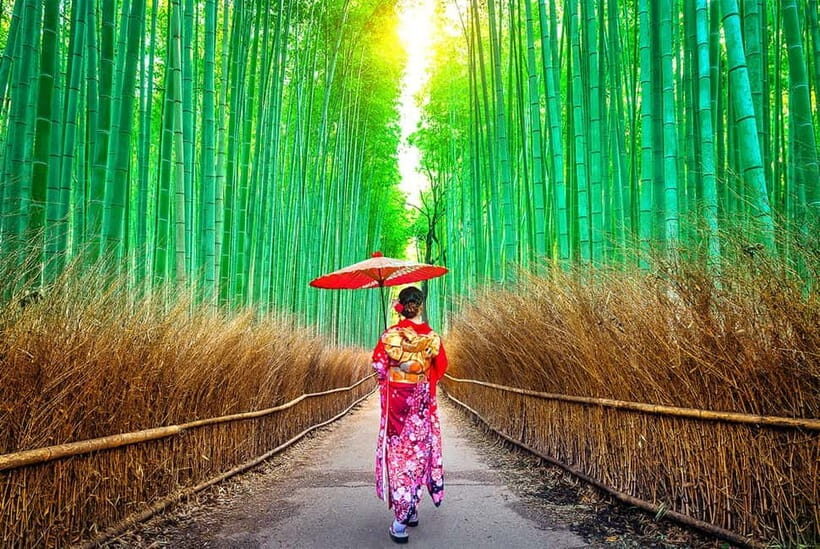
- Arashiyama Bamboo Grove: sun-dappled, classic, and worth the time
- Pickup, drop-offs, and what to expect from the van
- The guide experience that makes or breaks a day like this
- Who this Osaka to Kyoto tour fits best
- Practical tips to make the most of your day
- Should you book this tour or not?
- FAQ
- How long is the Osaka to Kyoto Arashiyama day trip?
- What time do pickups happen in Osaka?
- Where is the pickup point in Kyoto?
- How many people are in the small group?
- Are temple or shrine entrance fees included?
- Is lunch or food provided?
- Is luggage allowed in the vehicle?
- Is the tour suitable for wheelchair users or pregnancy?
Key moments worth getting excited about
- A 9-guest maximum means you’re not fighting for space on narrow lanes or inside temples
- Door-to-door pickups in the Osaka Loop Line area help you start sightseeing fast
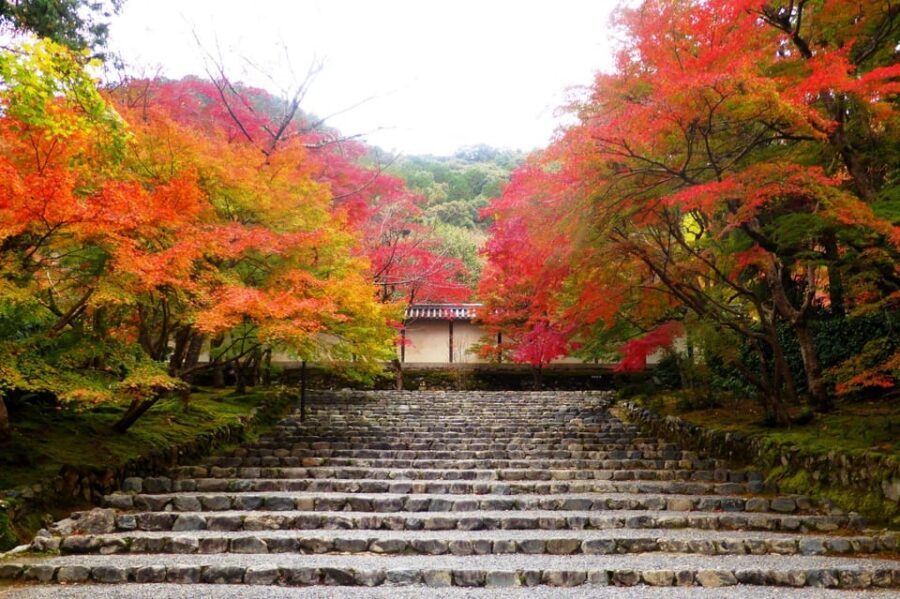
- Sanzen-in gives you that mossy, calm garden atmosphere with seasonal highlights like cherry blossoms, hydrangeas, or fiery fall maples
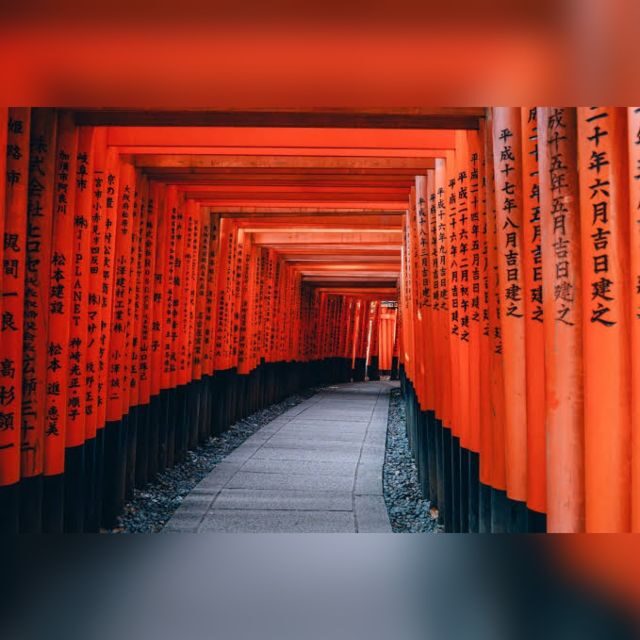
- Kifune Shrine combines lantern photos with a matchmaking vibe and a short walk through the mountains
- Arashiyama’s three hits: Togetsukyo Bridge, a kimono-art station area, and the bamboo grove
- Sun-dappled bamboo forest is timed for the best kind of pictures, not just checklist stops
Price and logistics: what you really pay for
At $69 per person for a 10-hour outing, this is priced like a value-first day trip. The big reason it feels like good value is not the temples and bamboo by themselves—it’s the way you get from Osaka to Kyoto and between stops without having to plan routes, buy extra tickets, or figure out timing.
You’re paying for:
- A small-group ride (max 9) in a luxury van
- Fuel and tolls handled
- Hotel-area pickup in Osaka (and a set pickup point in Kyoto)
- A driver cum guide who’s multilingual (Japanese, English, Chinese, Traditional Chinese). The day also leans on the driver’s practical knowledge since the guide role is mainly driving-oriented.
What’s not included matters for budgeting:
- Entrance fees (Sanzen-in is listed at ¥700 per adult)
- Meals and drinks
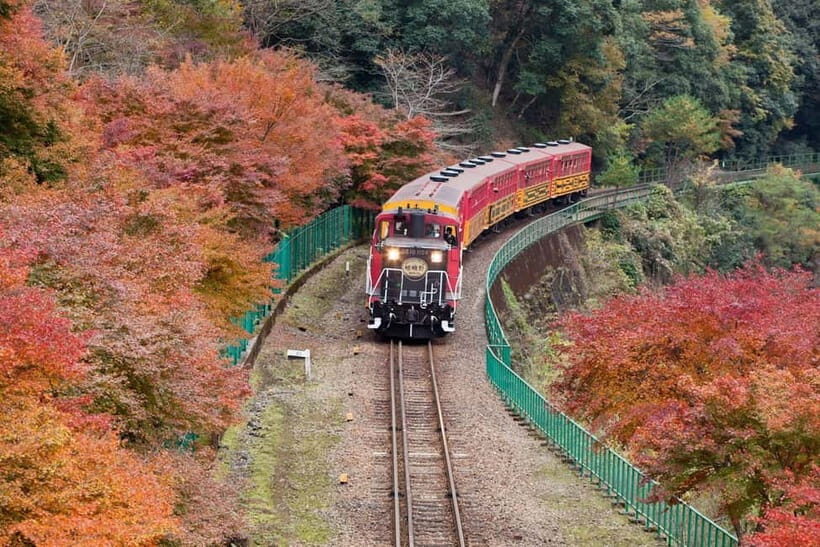
- Sagano Train tickets (optional by nature, and not included)
In other words, your money is going to transportation and tight scheduling. If you want a comfortable day with less decision fatigue, this is the right kind of ticket.
A few more Kyoto tours and experiences worth a look


How the 10 hours feel on the ground
The tour runs for about 10 hours with a strict departure style. Expect a full morning and afternoon of sightseeing, not a slow “take your time” loop.
A typical flow looks like this:
- Pickup and drive toward Kyoto (the itinerary includes a couple hours of road time)
- Sanzen-in for about an hour
- Kifune Shrine for around 100 minutes
- Arashiyama area breaks down into multiple photo stops and walking segments
- Return drive finishing around 4:40 PM departure time for the ride back, with drop-offs later in the evening
The order can adjust based on weather or operating conditions. That’s normal in Kyoto—rain, crowding, and traffic can shift what makes sense.
Sanzen-in: the moss garden stop that slows the day down
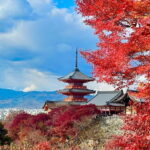
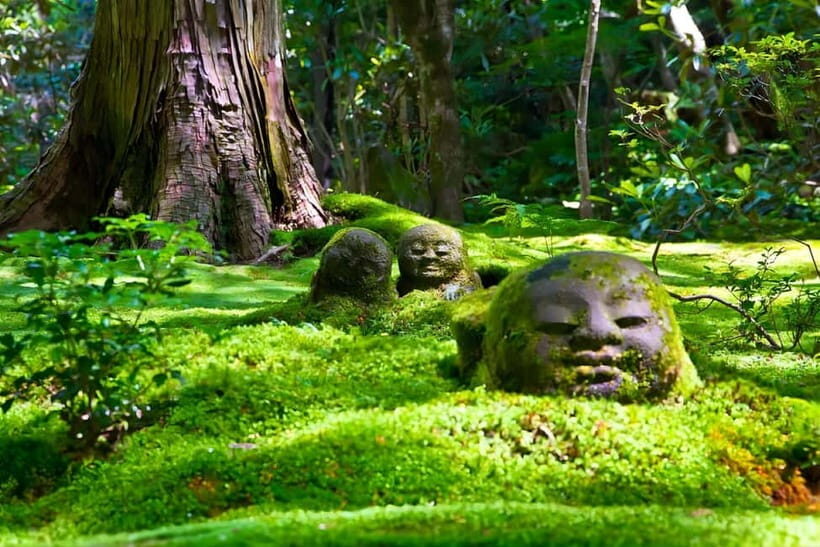
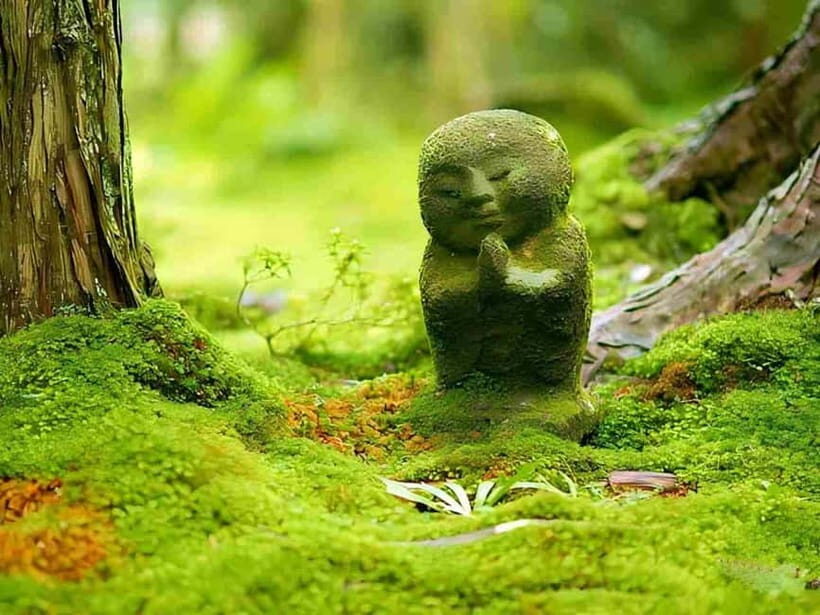
Your day begins with Sanzen-in Temple, an oasis-like sanctuary tied to the Tendai tradition with a history stretching back over a thousand years. This is not a “look from the gate and leave” stop. You get time to wander and feel the garden rhythm.
Here’s what makes Sanzen-in special for photos and for calm:
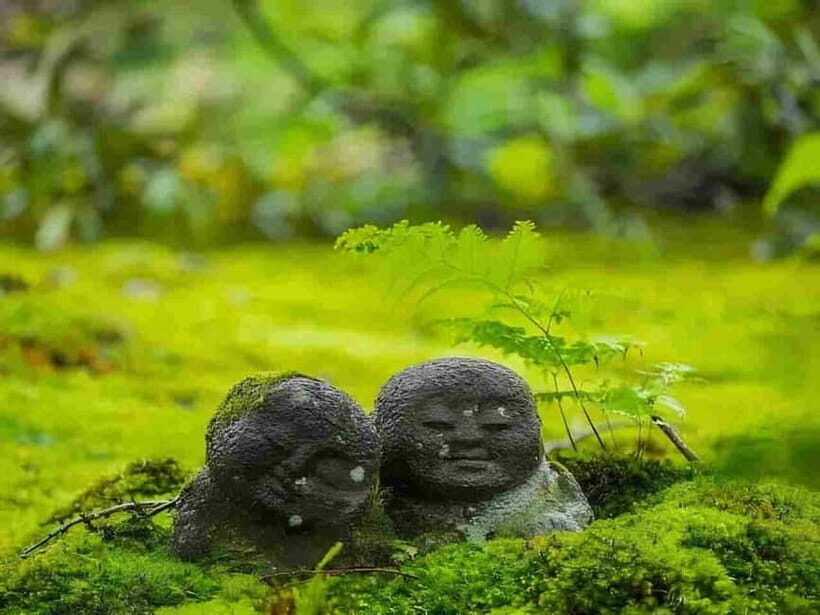
- Moss gardens that create that soft, green texture everywhere you look
- Seasonal eye-candy tied to the garden’s calendar
- cherry blossoms in April
- hydrangeas in July
- bright autumn maples in November
- Amida statues you’ll notice tucked into the setting, helping the garden feel lived-in, not staged
The reality check: gardens mean walking, and the paths can be uneven. If you like gentle strolling and you want Kyoto to feel quiet for a bit, Sanzen-in is the best “breather” on the route.
Entrance fee is not included, so plan a little cash or card-ready budget for that ¥700 adult temple ticket.
Kifune Shrine: lanterns, matchmaking vibes, and mountain paths
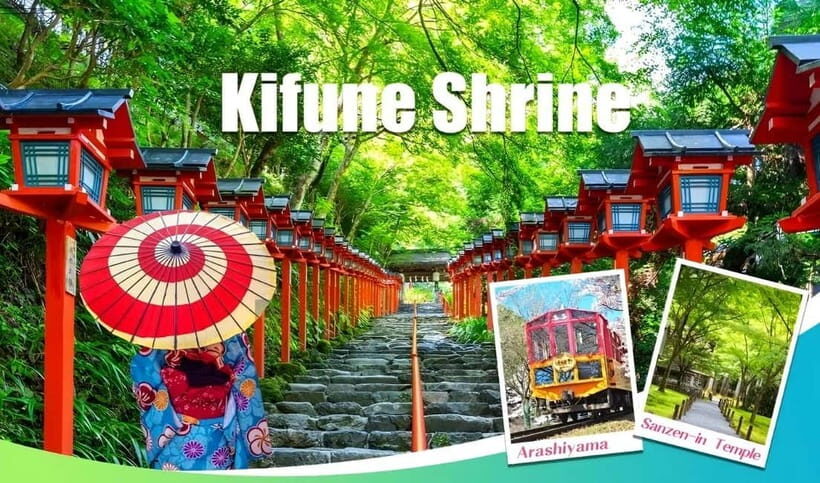
After Sanzen-in, the tour heads toward Kifune Shrine, set in a mountainous, green-feeling area. This is one of those Kyoto stops where the atmosphere does a lot of work for your photos.
What you’re doing here:
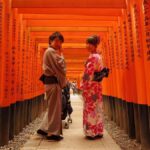
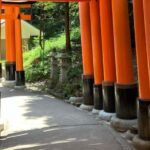
- A walk through crimson lantern paths (perfect for strong color photos)
- Water fortune-telling mentioned in the experience
- A prayer at Musubi-sha for love blessings
Seasonal notes can change what you see:
- Summer brings river terraces and illuminations
- Autumn can cover the valley with blazing maples
Timing tip: you’ll have about 100 minutes here, so don’t rush the first few minutes. The lantern area tends to look best once you’ve found an angle, not when you’re constantly moving.
Also note that the tour is built for a small group pace, so you can actually stop and step aside for photos without feeling like you’re holding up a huge bus crowd.
Togetsukyo Bridge: the iconic Kyoto frame shot
Once you reach Arashiyama, you get the Togetsukyo Bridge experience. This is a Heian-era bridge view over the Hozu River, and yes, it’s the kind of place that’s used in pop culture. More importantly, it’s a real scenic viewpoint where the river and bridge create a classic “Kyoto postcard” composition.
You’ll have about 40 minutes allocated for:
- walking and sighting
- a photo-friendly pace
- getting your bearings before you move on
If you’re photographing, give yourself a minute to scan for the angle that matches your preferred look: river motion with bridge lines, or a more people-and-landmark view. The time is tight, so it pays to plan your shot sequence fast.
A few more Kyoto tours and experiences worth a look




Arashiyama Station kimono art forest: a quick visual reset
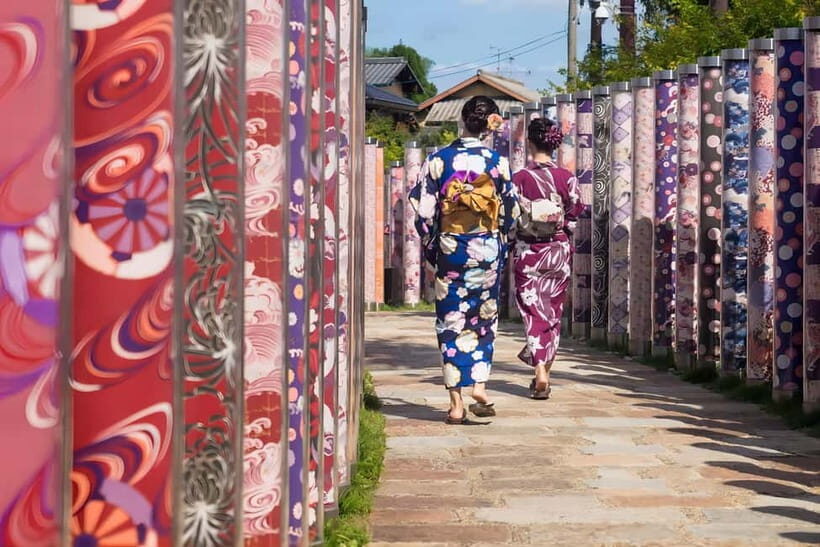
Next is the Kimono Forest area near Arashiyama Station. The tour highlights 600 dyed-pillar artworks, which sounds like marketing until you see how it changes the feel of a space.
This is a smart stop in a day that already includes temple steps and lantern walks:
- It’s more visual than spiritually focused
- It gives you color and pattern when you want something lighter
- It’s also a quick way to rest your legs before the bamboo grove
It’s also where you can recharge at a dragon-energy foot bath (listed as available). Even if you only do it briefly, it’s a nice reset for the final bamboo segment.
Arashiyama Bamboo Grove: sun-dappled, classic, and worth the time
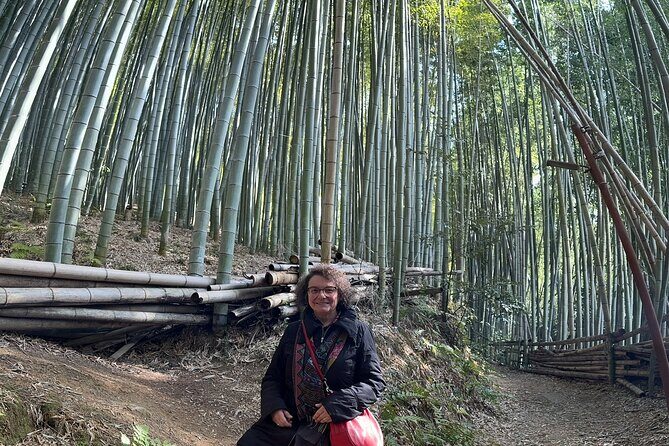
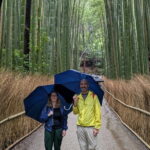
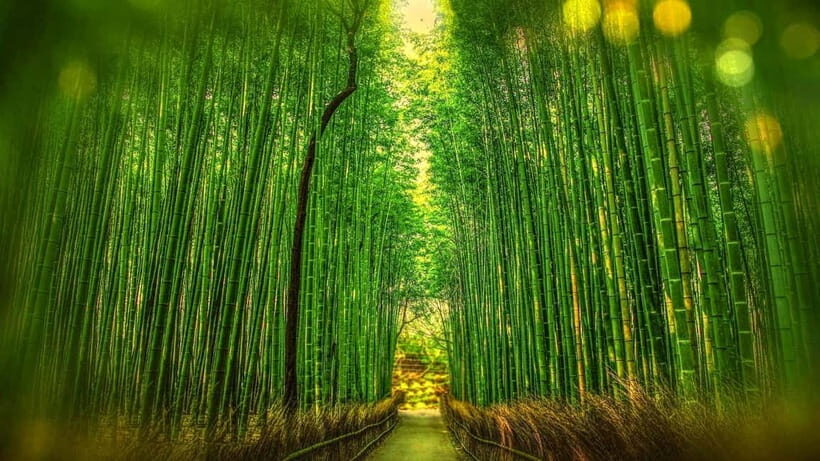
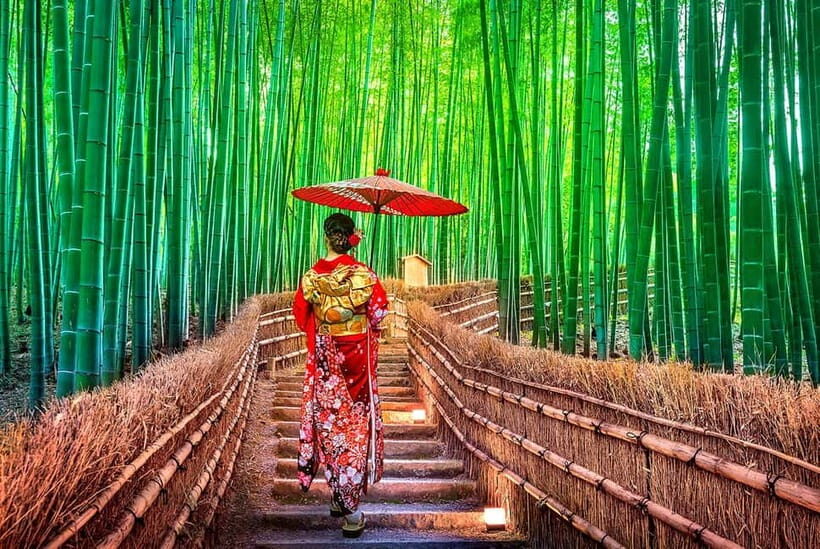
Then comes the main event: Arashiyama Bamboo Forest. You get a walk timed for that sun-dappled feeling—light slipping through tall bamboo stalks creates the “Crouching Tiger, Hidden Dragon” style photo atmosphere the tour promises.
You’ll have about 40 minutes that includes:
- break time
- sightseeing
- free time for photos
Practical advice so you get the most out of that block:
- If you care about photography, arrive in the grove ready to move slowly, not quickly
- Walk a little deeper than the first obvious cluster of photo spots
- Look up as often as you look forward—bamboo lines are what make the frame work
This is the stop that draws the biggest crowds in the region. The tour’s value is that you still get a structured route and small-group pacing so you’re not constantly waiting or getting separated. You can focus on your shots and the experience instead of the logistics.
Pickup, drop-offs, and what to expect from the van
The tour is built around pickups that reduce friction in your day.
Osaka options include:
- Nippombashi Station Exit 2 (Namba/Shinsaibashi area) at 8:30 AM
- or hotel/BnB pickup within the Osaka Loop Line area between 7:30–8:30 AM
Kyoto option includes:
- 7-ELEVEN Kyoto Hachijo-Higashi Store at 9:20 AM
- Address: 16-16 Higashikujo Nishiiwamotocho, Minami Ward, Kyoto 601-8005
Drop-offs include different areas on the return, with Osaka listed as Nihombashi (日本桥) and another drop-off address listed at Higashikujō Nishiiwamotochō, 16−16, Osakajo. Exact meeting point details can vary by booked option.
A key heads-up: luggage or large bags aren’t allowed. If you’re traveling with a big suitcase, this tour is likely a headache. Pack light and plan for a smaller daypack.
Inside the van:
- no smoking
- no alcohol
- no food or drinks
That’s not glamorous, but it keeps the ride clean and comfortable for a short, packed day.
The guide experience that makes or breaks a day like this
The strongest praised aspect from the experience feedback is the human side—especially the driver’s helpfulness. In one verified review, the driver is described as incredibly friendly and supportive, helping at the start with explanations and even taking photos of the group.
That matters more than it sounds. On a day that moves fast through multiple zones, a guide who helps you:
- get oriented early
- understand where to stand for pictures
- feel comfortable in the flow
turns a “sights tour” into a smoother day.
The tour also uses a WhatsApp group for updates, including a GPS-pinned meeting map, vehicle details, and time reminders by 8 PM the night before. This is especially useful in Japan, where exact meeting points can make or break timing.
Who this Osaka to Kyoto tour fits best
This is a good match if:
- you want Kyoto highlights without doing transit math
- you like small groups and hate the “everyone freeze, then move” bus rhythm
- you want a balanced day: one calm temple garden, one lantern shrine walk, and one big-ticket Arashiyama block
- photography is a priority and you want time at the right photo moments
It’s less of a match if:
- you need wheelchair access (not suitable)
- you’re pregnant (not suitable)
- you’re traveling with large luggage
- your schedule is flexible only in the sense that you might be late—departure is strict
Practical tips to make the most of your day
These are simple things that help you enjoy the stops instead of managing stress:
- Wear comfortable walking shoes. Temple and shrine grounds can mean uneven surfaces.
- Bring weather-appropriate clothing. The itinerary notes weather/traffic can affect the order.
- Keep your phone reachable since updates are delivered via WhatsApp.
- Plan for temple and meal costs. Entrance fees are not included, and meals aren’t provided.
- Do lantern photos early in Kifune so you’re not trying to get that color shot after you’ve wandered too far.
If you’re the type who likes to soak in one place fully, build a tiny personal rule: spend extra time on your favorite stop, but don’t let it steal time from bamboo.
Should you book this tour or not?
Book it if you want a low-stress Osaka-to-Kyoto day with the big Kyoto names—Sanzen-in, Kifune Shrine, and Arashiyama bamboo—handled for you in a small group format. At $69, the value is in the transport and pacing, especially the pickup options and the time at each standout location.
Skip it if you want a slow independent day, you’re sensitive to strict timing, or you can’t handle walking on temple/shrine paths. Also, if you’re traveling with a lot of luggage, this isn’t built for that.
My take: if your goal is to see Kyoto’s most famous scenery in one day without turning it into a logistics project, this is a solid choice.
FAQ
How long is the Osaka to Kyoto Arashiyama day trip?
The tour runs for 10 hours.
What time do pickups happen in Osaka?
Pickups include an 8:30 AM option at Nippombashi Station Exit 2, or hotel/BnB pickup within the Osaka Loop Line area between 7:30 AM and 8:30 AM.
Where is the pickup point in Kyoto?
The Kyoto pickup option is at 7-ELEVEN Kyoto Hachijo-Higashi Store at 9:20 AM.
How many people are in the small group?
The group size is limited to a maximum of 9 participants.
Are temple or shrine entrance fees included?
No. Entrance fees are not included, and Sanzen-in lists an entrance fee of ¥700 per adult.
Is lunch or food provided?
Meals and drinks are not included.
Is luggage allowed in the vehicle?
No. Luggage or large bags are not allowed.
Is the tour suitable for wheelchair users or pregnancy?
No. It is not suitable for wheelchair users, and it is not suitable for pregnant women.