Kyoto can feel like a maze of alleys and aromas. This small-group walking tour turns that maze into a simple route with 10 tastings along the way. You start near Karasuma and finish in Gion, so you’re eating your way through real Kyoto streets instead of bouncing between far-apart stops.
I especially like how the food connects to Kyoto’s identity, not just random snacks. Yuba tofu gets a real presentation, and you also get drinks like draft beer and Kyoto sake tasting alongside bites like katsudon and Wagyu sushi. One thing to keep in mind: the pace is walking-focused, and the menu can lean fried, so if you want mostly fresh, light bites, ask questions ahead of time.
You’ll also want comfortable shoes. The tour is about 3 hours 30 minutes and you’ll cover the full path from Karasuma to Gion, with breaks built in for eating and photo moments.
In This Review
- Key things I’d clock before you go
- A Karasuma to Gion food walk that makes Kyoto make sense
- Meeting point: find your orange umbrella and start on time
- Stop 2 at Kyoto Tonkatsu Katsuda Shijo Kawaramachi: start with katsudon-style comfort
- Nishiki Market: where yuba tofu, sake, and fish cakes do the talking
- The Gion walk and Pontocho + Kamo River views (food breaks included)
- Stop in Gion for Kyoto-style okonomiyaki: hearty, not fussy
- Kyoto matcha and tea tasting to end: a calmer finish in a tea-focused setting
- Wagyu sushi and the rest of the 10 tastings: why this mix feels worth it
- Small-group feel: laid-back, but communication can vary
- Price and value: $142 for 10 tastings plus drinks, not just snacks
- Who should book this Kyoto food tour (and who should skip it)
- Should you book? My take
- FAQ
- How long is the Kyoto food tour?
- Where does the tour start?
- Where does the tour end?
- How many tastings are included?
- What foods and drinks are included?
- Is the tour vegetarian or can it handle dietary restrictions?
- How big is the group?
- Is there a lot of walking?
- What if the weather is bad?
- When should I cancel for a full refund?
Key things I’d clock before you go
- Orange-umbrella meet-up at Starbucks across from Karasuma Oike Station exit 5, so you’re not hunting people in a crowd.
- Yuba tofu presentation plus multiple Kyoto-style items, not just one or two token tastings.
- Nishiki Market time gives you market energy plus practical learning while you snack.
- Gion + Pontocho + Kamo River views are built into the route, not tacked on at the end.
- Matcha tea tasting to finish keeps the last stop calm after the market-and-street eating.
- Max 10 travelers means you’ll actually be able to hear what’s going on at tastings.
A Karasuma to Gion food walk that makes Kyoto make sense
This tour is built around a single, logical walk: Karasuma to Gion. In 3.5 hours, you get food, yes, but you also get orientation—where the neighborhoods are, how the streets connect, and what a normal Kyoto day feels like when people are eating and strolling.
The value part isn’t just the price tag. It’s the mix of food types (hot meals, market snacks, sweets) plus drinks (draft beer, Kyoto sake tasting, and tea). That combination matters because Kyoto food can add up fast when you’re buying everything separately on your own.
If you're still narrowing it down, here are other tours in Kyoto we've reviewed.
Meeting point: find your orange umbrella and start on time
You meet at Starbucks Coffee – Kyoto Sanjo Karasuma Building (the address is in Nakagyo Ward). The key detail is where to stand: in front of the Starbucks across the street from exit 5 of the Subway Karasuma Oike Station.
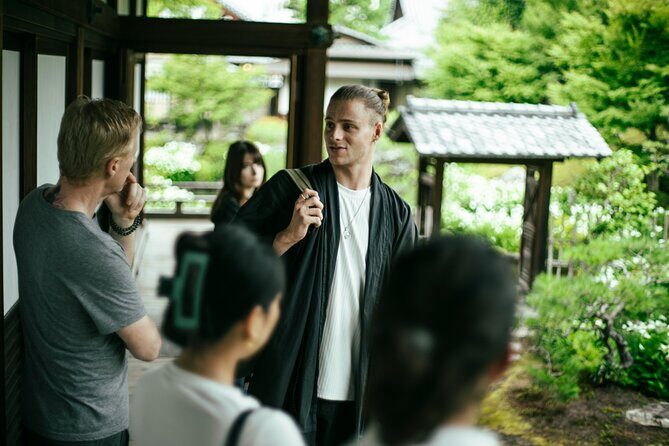
Your guide will be wearing an orange umbrella. That’s a small thing, but it makes a big difference on a busy street in Kyoto. Start is smooth, and you’ll be eating sooner rather than doing a long “where do we meet” scramble.
Stop 2 at Kyoto Tonkatsu Katsuda Shijo Kawaramachi: start with katsudon-style comfort
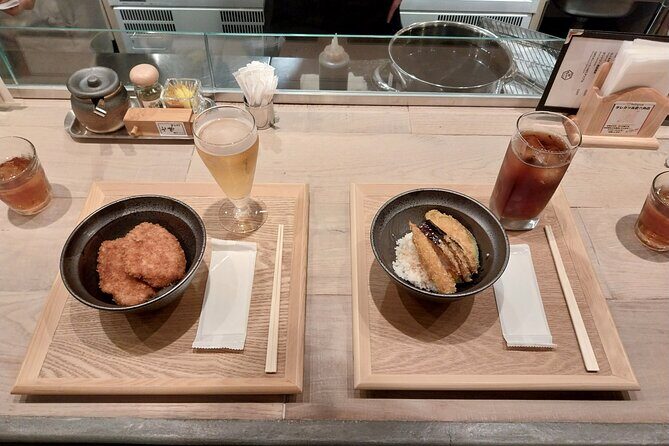
Right away you’ll dig into a traditional Japanese dish with a Kyoto twist at Kyoto Tonkatsu Katsuda Shijo Kawaramachi. Based on what’s included, this is where you’ll likely get katsudon—the pork cutlet bowl—with a sweet local flavor note.
This kind of first stop is smart. A warm, filling bite at the beginning gives you energy for the walking ahead. If you tend to get grumpy when you’re hungry, you’ll appreciate that they don’t wait until the market frenzy to feed you.
Nishiki Market: where yuba tofu, sake, and fish cakes do the talking
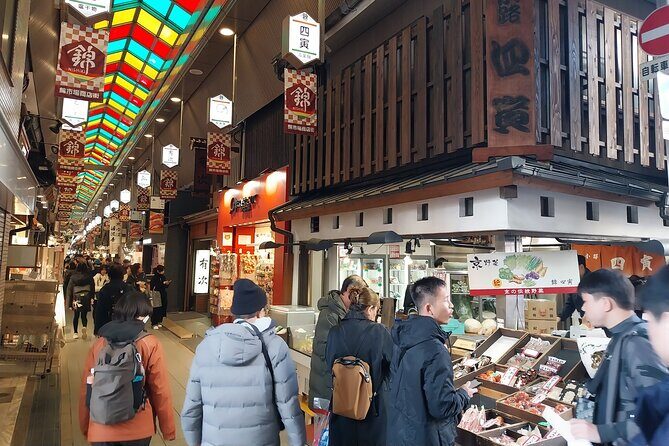
Nishiki Market is about 400 meters of food lanes, and this tour uses that space well. You’ll spend about 1.5 hours here, with tastings tied to what you’re seeing—local artisans, traditional stalls, and small bites you can’t easily replicate at a random convenience store.
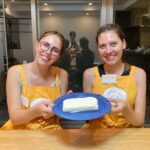
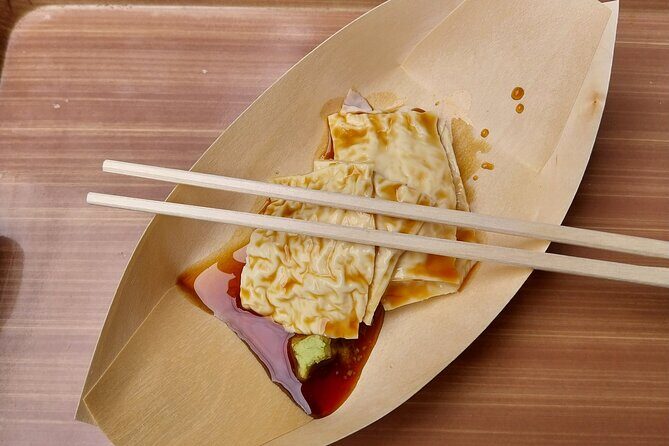
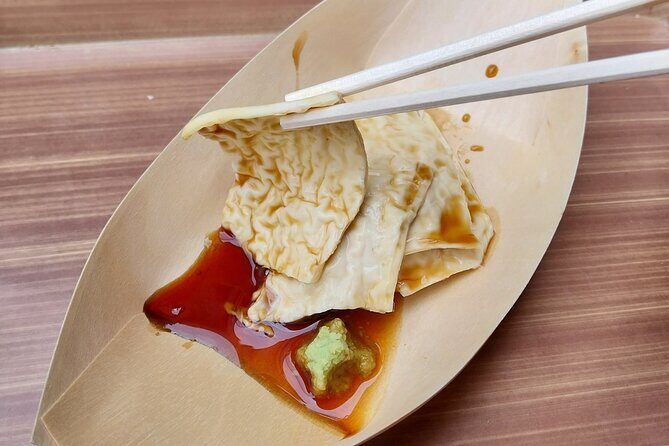
This is also where yuba tofu becomes more than a menu item. You’ll get a yuba tofu presentation, then taste it as part of the stop. Yuba (tofu skin) is one of those Kyoto-specific foods that can feel confusing until someone explains what to look for and how it’s made.
You’ll also try:
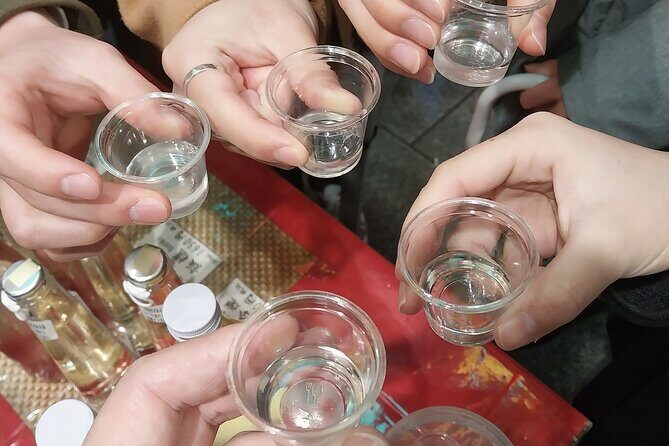
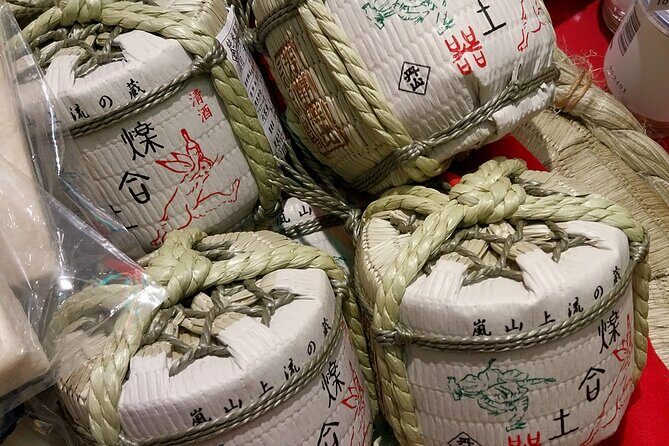
- Sake tasting from Kyoto
- Fresh fish cakes made by hand, with different flavors
Add in all the walking in the market and the tastings, and Nishiki becomes the tour’s “learning engine.” It’s not a museum stop—it’s food-as-you-go.
If you’re picky about frying or texture, this is the moment to pay attention. Some people end up wanting more fresh, lighter bites, and the market scene can include crispier items too. You’ll still get a good mix overall, but keep your expectations realistic for what street-food areas often offer.
The Gion walk and Pontocho + Kamo River views (food breaks included)
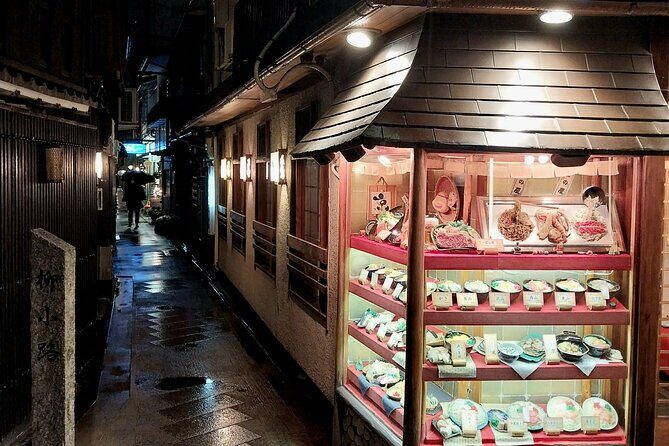
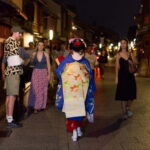
After the market, you shift from snack intensity to neighborhood atmosphere. You’ll walk through Gion streets and enjoy views of Pontocho and the Kamo River, then head into the Gion area proper.
This part is valuable even if you’re not a big “sightseeing” person. Kyoto’s beauty can be hard to capture when you’re only looking at temples. A river view and the layered streets around Gion help you understand why people fall for this city.
You also get breathing room. The tour doesn’t treat the route as one long grind; it builds in time to look around before the next meal.
A few more Kyoto tours and experiences worth a look


Stop in Gion for Kyoto-style okonomiyaki: hearty, not fussy
Next is a sit-down-ish break for okonomiyaki in a quaint restaurant. You’ll have a Kyoto-style version—savory pancake—with time to eat without rushing.
Okonomiyaki is a great “second meal” here. It’s filling, shareable, and it tastes like comfort food even when you’re in the middle of sightseeing. And because it’s warm and substantial, it helps balance the earlier market tastings.
If you’re already full from Nishiki, pace yourself. This stop is generous by design, and you don’t want to end the night feeling like you need a nap, not dessert.
Kyoto matcha and tea tasting to end: a calmer finish in a tea-focused setting
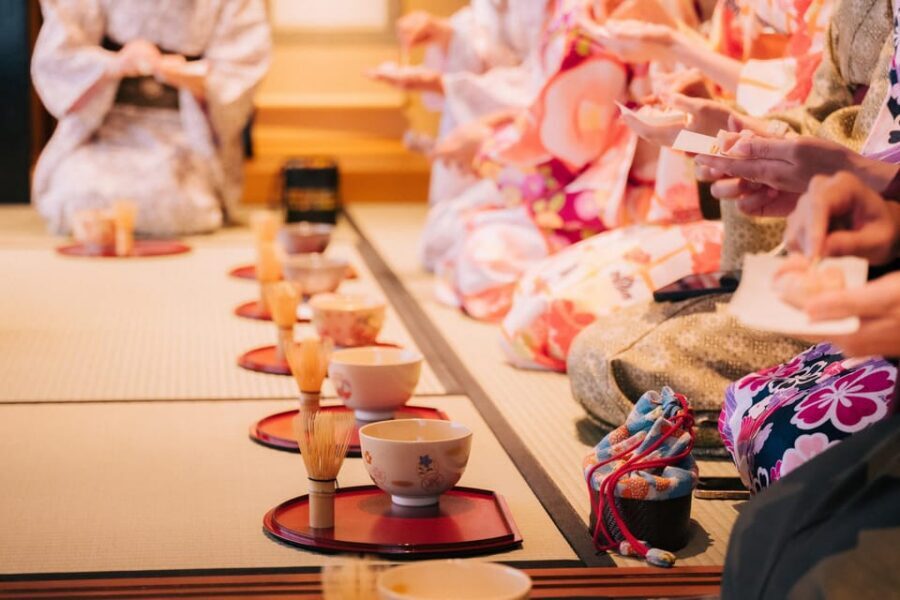
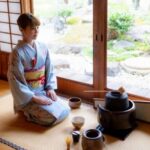
The final stop ties the tour together with Japanese tea tasting, hot or cold depending on what’s offered and what’s seasonal. This section is about matcha culture in Kyoto—complete with a stop at a well-known matcha venue during the right season.
It’s a nice finish after walking and eating. Your body cools down a bit, your palate resets, and you leave with a better sense of why matcha is treated like more than just a drink.
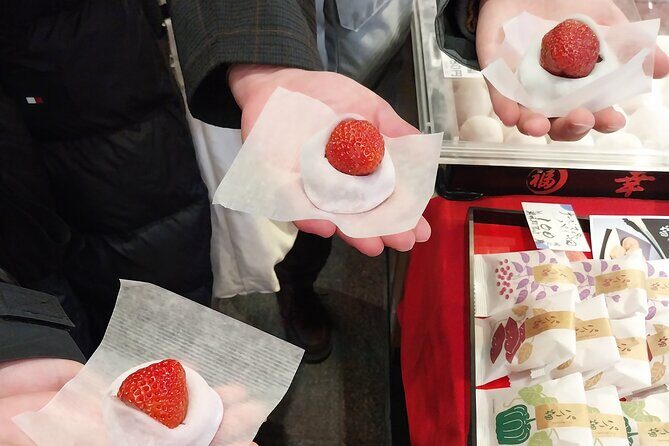
The tour also includes sweets as part of the overall tastings—like daifuku mochi with a seasonal fruit filling. So even if the matcha stop feels quieter, you’re still ending on the Kyoto food note.
Wagyu sushi and the rest of the 10 tastings: why this mix feels worth it
The tour is marketed around big names—Wagyu sushi, mochi, yuba tofu—and those are the kinds of items that can be pricey if you hunt them down solo. What makes this tour work is how it spreads strong items across the route rather than dumping everything into one restaurant.
From what’s included, you can expect:
- Wagyu sushi (seared to perfection)
- Yuba tofu with presentation
- Katsudon with a sweet local twist
- Okonomiyaki (Kyoto style)
- Fresh fish cakes
- Daifuku mochi (seasonal fruit filling)
- A secret dish they don’t fully spell out in advance
- Drinks: a glass of draft beer and a tasting of Kyoto sake
- Hot or cold tea tasting at the end
That’s a lot of food for 3.5 hours, and it’s why the price starts to make sense. When you price out separate meals, drinks, and dessert in Kyoto, this kind of bundle can feel less like a splurge and more like a shortcut.
Small-group feel: laid-back, but communication can vary
This is a group tour capped at 10 travelers, which keeps things from getting chaotic at each tasting. You also get that laid-back walking-food vibe, where the guide helps you with what to order and what you’re actually tasting, instead of reading off a script.
Guides do vary, though. Some guests have praised guides by name—like Yuma and Tomoro—for friendliness and making the market walk enjoyable. Others felt the guide was quieter and the English didn’t always give enough meal detail. That doesn’t mean the tour is bad; it just means you should go in with the mindset that this is more about the route + food than a formal food-lecture.
If you want maximum detail, bring a simple strategy: ask one or two questions about the dish you’re eating. Even a quiet guide can give you extra context when you prompt them.
Price and value: $142 for 10 tastings plus drinks, not just snacks
At $142 per person, this isn’t the cheapest way to eat in Kyoto. But you’re paying for a package: 10 tastings, plus alcoholic and non-alcoholic drinks (beer, sake tasting, and tea), delivered along a walk that also includes neighborhood sight time.
The biggest value driver for me is the drink and the Kyoto-specific items. Draft beer and sake tastings alone can add up quickly. Then you layer in yuba tofu, Wagyu sushi, and the Kyoto-style comfort dishes. If you’re the type who likes trying a wide range instead of committing to one big meal, the math usually works out better.
Also, the tour is designed to be easy to run: there’s a mobile ticket, and the meeting point is straightforward. That kind of friction reduction is underrated in a city like Kyoto.
Who should book this Kyoto food tour (and who should skip it)
I think this tour is a strong pick if you want:
- A guided walking route that covers both food and neighborhood flavor
- Kyoto-specific foods like yuba tofu and matcha culture
- A mix of savory meals, market bites, and sweets (including mochi)
- A small group size, not a big bus crowd
You might not love it as much if:
- You strongly dislike fried foods or you’re hoping for mostly fresh, light items
- You need very detailed explanations about each ingredient and cooking method
- You’re unwilling to walk a full route from Karasuma to Gion (comfortable shoes are not optional here)
Should you book? My take
If you want Kyoto in one afternoon with a clear route, I’d book it. The combination of 10 tastings, drinks, and the Karasuma-to-Gion walk makes it a practical way to eat well without spending your whole day choosing restaurants.
Just do two things to make it work for you: wear shoes built for walking, and go in ready to enjoy a snack-and-meal mix rather than expecting every bite to be light and raw. If that sounds like your kind of Kyoto day, this tour is an efficient, tasty plan.
FAQ
How long is the Kyoto food tour?
It’s about 3 hours 30 minutes (approx.).
Where does the tour start?
You meet at Starbucks Coffee – Kyoto Sanjo Karasuma Building, across the street from exit 5 of the Subway Karasuma Oike Station.
Where does the tour end?
The tour ends at the entrance of the Minami Gion district, near Gion Shijo Station on the Keihan Line, with Yasaka Shrine a few steps away.
How many tastings are included?
The tour includes 10 tastings.
What foods and drinks are included?
Included tastings include yuba tofu (with a presentation), katsudon with a sweet local twist, Kyoto-style okonomiyaki, Wagyu sushi, fresh fish cakes, and daifuku mochi with seasonal fruit filling, plus a secret dish. Drinks include a glass of draft beer, a tasting of various Kyoto sakes, and a Japanese tea tasting (hot or cold).
Is the tour vegetarian or can it handle dietary restrictions?
The tour asks you to contact them in advance for dietary requirements so they can cater for you as best as possible. Specific vegetarian options aren’t listed, so you’ll want to confirm your needs directly.
How big is the group?
The tour has a maximum of 10 travelers.
Is there a lot of walking?
Yes. It involves a fair amount of walking, so comfortable shoes are recommended.
What if the weather is bad?
This experience requires good weather. If it’s canceled due to poor weather, you’ll be offered a different date or a full refund.
When should I cancel for a full refund?
You can cancel up to 24 hours in advance for a full refund. If you cancel less than 24 hours before the start time, the amount paid is not refunded.