Ten hours, three iconic Kyoto moments. This private day trip strings together the big hit sights of Kyoto and Nara with the practical comfort of hotel pickup and drop-off. I especially like the Nara Park deer feeding and the chance to walk the vermilion torii maze at Fushimi Inari without juggling trains all day. One thing to keep in mind: traffic and lines can tighten the timing later, so the last stop may feel a bit rushed compared with the morning pace.
The human side matters here. In feedback, guides like Bong Yamaguchi, Keiko, and Steven get praised for stepping in with translation, ticket help, and smart positioning so you can actually enjoy the sights instead of just fighting crowds. That said, it’s not a full inside-every-temple guided tour, so you’ll still want to wander with curiosity rather than expect a script for every room.
In This Review
- Key Highlights You’ll Feel Immediately
- Private Door-to-Door Convenience from Osaka, Kyoto, or Kobe
- Nara Park Deer Encounters and the Walk Toward Todai-ji
- Todai-ji Daibutsuden: Seeing the Big Buddha Hall’s Scale
- Fushimi Inari Taisha: Timing the Torii Gate Stroll
- Kinkaku-ji Golden Pavilion: Gold Leaf in Three Floors
- Arashiyama Bamboo Forest and Togetsukyo Bridge Over the Katsura River
- A Seasonally Friendly Bonus: Sagano Romantic Train Option
- How the 10-Hour Schedule Really Feels (Traffic and Timing)
- English-Speaking Driver/Host Support: What They Do Best
- Food, Tickets, and the Real Price Value
- Who This Private Day Trip Is Best For
- Should You Book This Kyoto and Nara Private Trip?
- FAQ
- Where does pickup happen for this Kyoto and Nara day trip?
- Is transportation private and air-conditioned?
- Is food included?
- Are temple or shrine entry tickets included?
- Will I get a full guide through each attraction?
- What optional experience is mentioned in Arashiyama?
- Are there extras for port terminal pickup?
- What should I bring with me?
Key Highlights You’ll Feel Immediately
- Door-to-door pickup from Osaka, Kyoto, or Kobe, using a private air-conditioned vehicle
- Nara Park deer time with crackers in hand and time to walk toward Todaiji
- Todai-ji Daibutsuden scale: the massive bronze Buddha in a UNESCO-listed setting
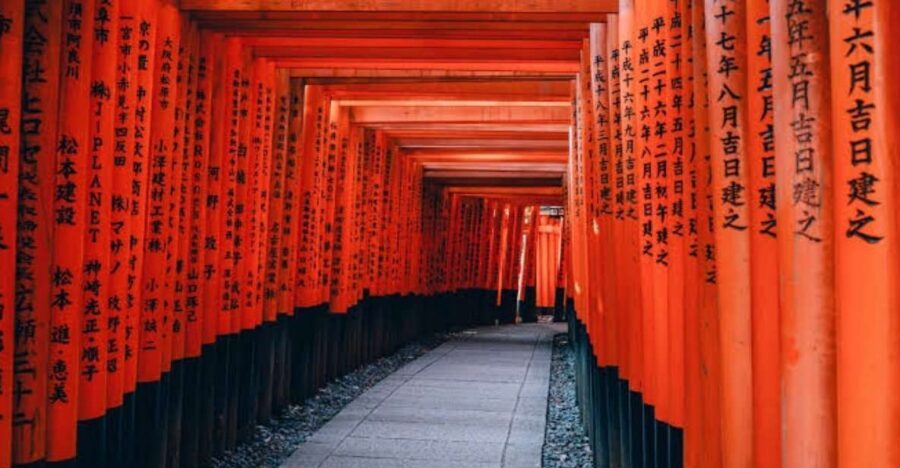
- Fushimi Inari torii gates: a long, photogenic walk through endless red gates
- Kinkaku-ji Golden Pavilion with gold leaf on the upper floors
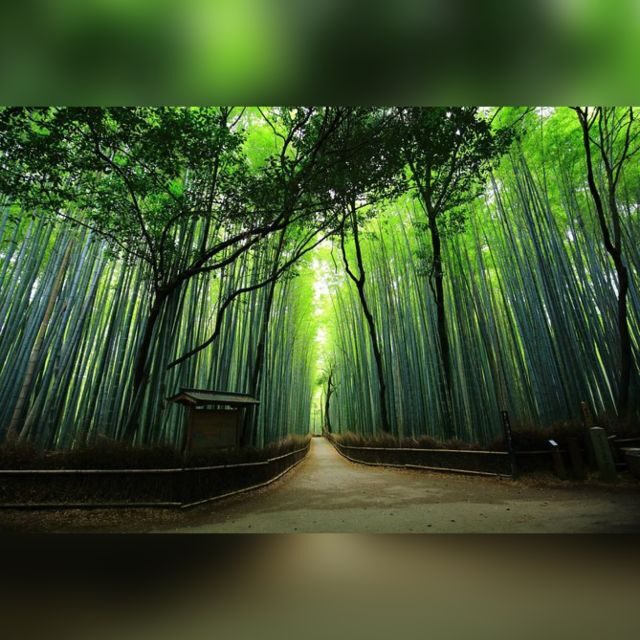
- Arashiyama combo: bamboo forest plus a Togetsukyo bridge stroll over the Katsura River
Private Door-to-Door Convenience from Osaka, Kyoto, or Kobe
This is a true private outing: you meet your driver/host at your hotel, then you’re in a car for the cross-city hops. That matters because Kyoto traffic and transit changes can eat up your day fast, especially when you’re trying to hit Nara and multiple Kyoto landmarks.
It also sets you up for calmer sightseeing. You can start early, keep your shoes comfortable for walking, and spend your energy on the sights rather than figuring out which train line goes where.
A few more Kyoto tours and experiences worth a look
Nara Park Deer Encounters and the Walk Toward Todai-ji
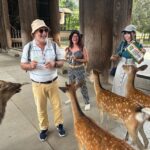
Your day begins in Nara Park, where thousands of deer roam freely at the foot of Mt. Wakakusa. You’ll have time to buy crackers (and yes, you’ll hear the gentle commotion as deer approach), then enjoy the simple joy of watching their behavior up close.
Nara is a good start because it’s playful and easy to understand fast. The deer park also gives you a natural warm-up before you jump into the more solemn world of Buddhist temple spaces.
Expect about 30 minutes here, including time to wander and move toward the Todaiji area. If you want photos without constant interruptions, go with a steady pace and don’t stand too long in the middle of paths where deer cluster.
Todai-ji Daibutsuden: Seeing the Big Buddha Hall’s Scale
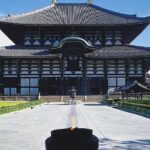
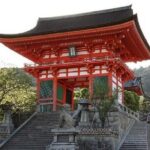
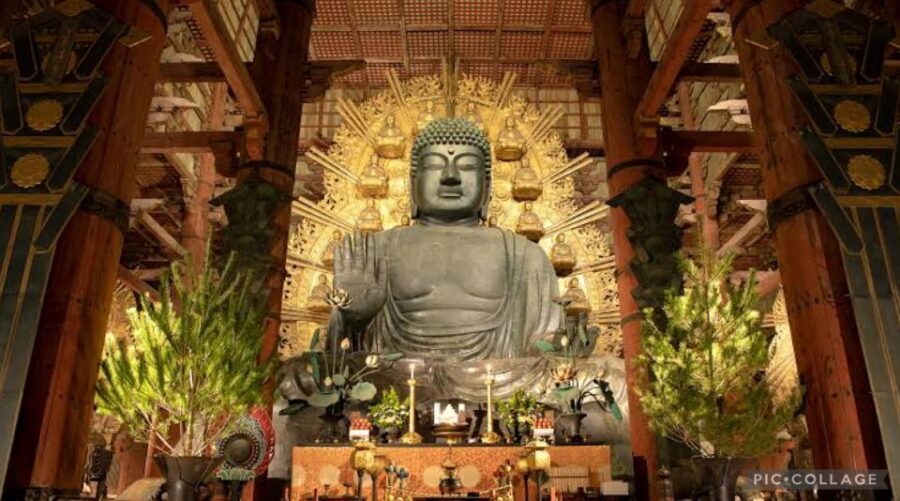
Todai-ji (Great Eastern Temple) is the anchor stop from the Nara side, and the main draw is the Daibutsuden, or Big Buddha Hall. This UNESCO site houses a 15-meter-tall bronze Buddha statue, and the scale is the point—your brain has to adjust to how large it is once you’re standing under that roofline.
This portion is roughly 40 minutes, so it’s enough time to get inside, take in the main view, and step back out without turning it into a rushed checklist. You’ll also appreciate why this hall has been a pilgrimage destination for centuries: it’s built to dwarf the visitor.
One practical note: entry timing and any on-the-spot ticket lines can affect your pace. Your host can guide you with buying tickets and waiting in line, but you should still plan to accept some real-world friction.
Fushimi Inari Taisha: Timing the Torii Gate Stroll
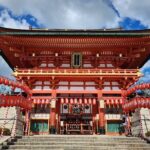
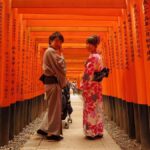
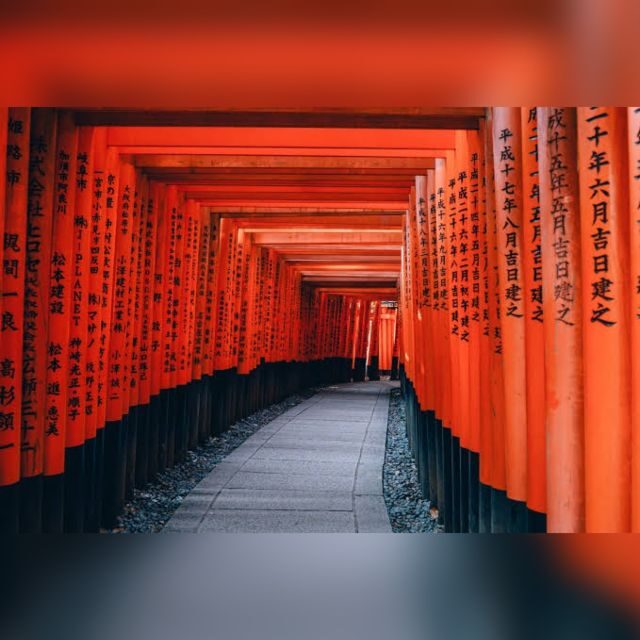
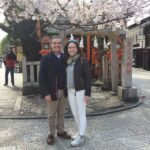
Then you move back into Kyoto’s most instantly recognizable scene: Fushimi Inari Taisha and its sea of vermilion torii gates. Walking through the gates gives you a built-in sense of rhythm—one more turn, another gate, and suddenly you’re not just viewing a shrine. You’re moving through it.
This stop is around 40 minutes, typically with a guided start and then time to wander. The best advice I can give is simple: arrive ready to walk, and don’t try to memorize every marker. Let the pattern carry you, then pause for photos when the gate lines look clean.
If you’re sensitive to crowds, you’ll still likely meet plenty of people. The good news is that the torii path naturally stretches out, so it can feel less cramped than other famous Kyoto lanes once you move beyond the entrance area.
Kinkaku-ji Golden Pavilion: Gold Leaf in Three Floors
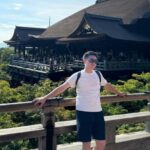
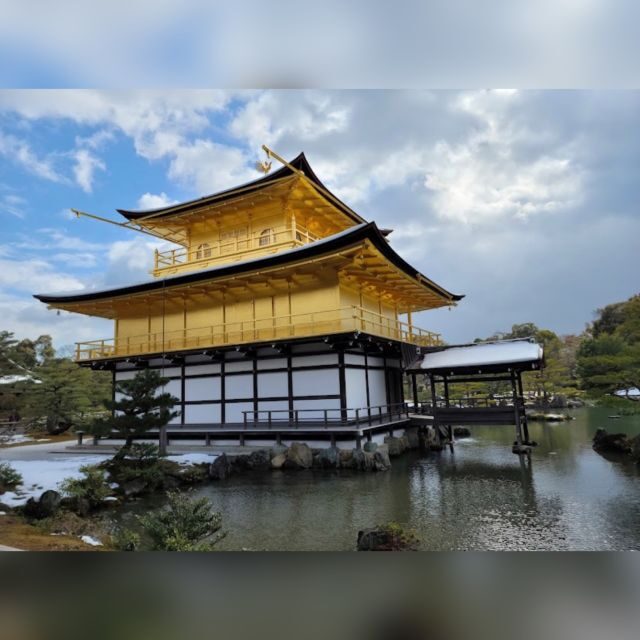
Kinkaku-ji, the Golden Pavilion, brings the day into Zen aesthetics with a very different mood than Fushimi Inari. The temple complex is famous for its three floors, and the top two are covered in gold leaf, which makes it pop even on an overcast day.
You’ll have about 40 minutes for this stop, mostly self-guided once you’ve been oriented. That mix works well here because the place rewards lingering—standing back, stepping to a new angle, and letting the reflections and rooflines change as you shift position.
If you want photos that look less chaotic, timing is everything. In some guide feedback, Steven was praised for taking Instagram-friendly pictures that helped groups look like they’re not trapped in the crowd. Even if your own photos are imperfect, the pavilion is one of those sights where even a quick stop can still feel satisfying.
Other private tours in Kyoto


Arashiyama Bamboo Forest and Togetsukyo Bridge Over the Katsura River
Arashiyama is where the day turns scenic. You’ll cross Togetsukyo, a wooden bridge over the Katsura River, then move into the Arashiyama Bamboo Forest, one of Japan’s most photographed natural scenes.
The bamboo walk is about 30 minutes, but it feels longer because you slow down. The stalks rise around you in a tight rhythm that’s hard to speed through. This is also a spot where the air and light can change quickly, so you get better results by pausing rather than racing to the next shot.
Before or alongside the bamboo area, you’ll also have a short visit and photo opportunities connected to the Arashiyama Kimono Forest concept. It’s more of a quick look and shopping/photostop moment than a major cultural lesson, so treat it as an easy break—especially if your feet are starting to complain.
A Seasonally Friendly Bonus: Sagano Romantic Train Option
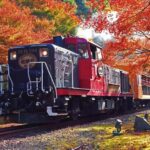
You may also have the option to ride the Sagano Romantic Train. The seasonal story is straightforward: in spring it’s known for cherry blossom views, and in fall it’s associated with maple color.
This is the kind of add-on that can be worth it if you enjoy train windows, quiet pacing, and views that feel like postcards but from inside the day. If you’re short on energy, skip it and use the time to linger in Arashiyama instead.
Just know it’s an option, not a guaranteed included ride. Your host can help you decide based on timing and conditions.
How the 10-Hour Schedule Really Feels (Traffic and Timing)
This tour is built to cover a lot in one day: Nara Park, Todaiji, Fushimi Inari, Kinkaku-ji, and Arashiyama, plus the bridge and photo stops. On paper, the time blocks look tidy; in real life, the schedule depends on road conditions and how quickly lines move at each site.
In feedback, I saw a common theme: guides can keep things on track, but Kyoto traffic can still slow the overall flow, sometimes reducing time at the very last stop. The way to handle this is mental, not mechanical. Go in expecting a full day, then prioritize your top two sights so you’re not disappointed if the last one runs a few minutes tight.
Because it’s private, you can usually flex—at least in small ways. Hosts like Keiko and others were praised for working around what the group wanted, including lunch choices and small route adjustments.
English-Speaking Driver/Host Support: What They Do Best
Your driver/host is the glue of the day. You’ll get English support, and the host also helps with practical steps like guidance with purchasing tickets and waiting in line.
This is a smart approach because it avoids the two extremes: you’re not left completely on your own, but you’re also not locked into a slow group narration in every hall. Some guides were specifically praised for being patient and helpful with steps that can be confusing in Japanese signage, especially for non-Japanese speakers.
I also liked what I saw about comfort details. In one set of comments, a guide arrived early and brought water bottles, and in another, a driver helped a handicapped couple with every step. That’s not something you should assume for every driver, but it’s a clue about the care the company tries to provide.
Food, Tickets, and the Real Price Value
The pricing is for private transportation and hotel pickup/drop-off, up to two people per group, for about 10 hours. At $632 per group, it’s not a bargain if you compare it to a shared bus. But it can be strong value when you factor in private door-to-door timing, air-conditioned comfort, and host help with ticket lines and navigation.
Entry tickets and food and drinks are not included. So your true day cost depends on what you eat and how many optional add-ons you choose.
If you’re trying to stretch value, I recommend you decide your lunch style before the day starts. In feedback, guides helped people find ramen lunches and even made reservations at a ramen restaurant when needed. If you lean into those recommendations, the price feels more justified because it reduces decision fatigue and protects your schedule.
One caution: a few people felt the pricing was high, especially when comparing it to what’s not included. If you’re the type who loves planning your own routes and you’re comfortable navigating train lines, you may find public transport cheaper. But if you want one low-stress day with expert guidance and a driver who handles logistics, this setup targets exactly that.
Who This Private Day Trip Is Best For
This works best if you want to hit the main hits without the stress of transfers. It’s especially well-suited for couples, families with mixed ages, and anyone who hates rushing between train stations.
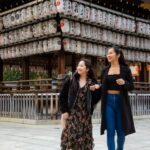
It also fits travelers who care about photo moments. Arashiyama bamboo, Fushimi Inari torii gates, the Golden Pavilion, and deer encounters all make strong visual memories, and hosts were praised for taking photos and positioning groups to reduce the chaos vibe.
If you hate walking, be cautious. You’ll do plenty of walking across shrine paths and temple areas, plus some walking on and around Arashiyama’s sightseeing routes. You can slow down, but the sights are spread enough that you should plan on being on your feet.
Should You Book This Kyoto and Nara Private Trip?
I’d book it if your goal is a “big icons in one day” experience with minimal thinking. The private pickup/drop-off and English-speaking host support are the big reasons the day runs smoothly, and the lineup is genuinely practical: Nara deer and Todaiji for tradition, then Kyoto landmarks in a logical flow.
Skip it or rethink it if you’re budget-focused and comfortable doing trains and lines on your own. Also consider whether you care about the last stop timing; the tour can feel great overall, but traffic can make the final minutes feel tighter.
If you want a day that feels organized, photo-ready, and still human—this is the kind of private itinerary that makes Kyoto and Nara feel doable.
FAQ
Where does pickup happen for this Kyoto and Nara day trip?
You can be picked up from Kyoto, Kobe, or Osaka, and you’ll be dropped off back at Kobe, Osaka, or Kyoto.
Is transportation private and air-conditioned?
Yes. You get private transportation in an air-conditioned vehicle.
Is food included?
No. Food and drinks are not included.
Are temple or shrine entry tickets included?
No. Entry tickets are not included.
Will I get a full guide through each attraction?
You’ll get an English-speaking driver/host and guidance such as ticket purchasing help and waiting in line, but a full guided tour of the attraction is not provided.
What optional experience is mentioned in Arashiyama?
The Sagano Romantic Train is an option you can choose to ride, depending on the season and timing.
Are there extras for port terminal pickup?
Yes. There’s an additional charge for Kobe Port Terminal and Maizuru Port Terminal pick up and drop off.
What should I bring with me?
Bring your passport, cash, and any personal medication you need.