That sandbar view is worth the trip.
This all-inclusive Kyoto Prefecture day tour is built to move you efficiently between major sights and quieter nature spots, with a private guide and a comfortable ride. I especially like that you get both famous highlights and calmer stops like Jingoji Temple and the dam area, so the day feels balanced, not just a checklist. One thing to consider: it’s an 8-hour schedule, so you’ll want to be ready for a full day of walking and time in vehicles.
Two things I really like are the included transportation extras and the way the timing works. You don’t have to hunt down tickets or figure out logistics for the boat and chairlift, and you’re guided through the temples with clear context. The other plus is the local-style water setting in Ine no Funaya, where you’re not just looking at photos—you’re walking the narrow lanes and seeing the funaya firsthand.
The only drawback I’d flag is the price. At $520.25 per person, it’s not “cheap Kyoto.” It makes the most sense when you value private pacing, an English guide, and having the key fees handled for you.
In This Review
- Quick takeaways before you go
- Amanohashidate and Ine: why this day feels like a smart move
- What you really get with a private English guide
- Step-by-step: Jingoji Temple to the Takao mountain temples
- Kayabuki-no-sato Kitamura and the Hiyoshi Dam break
- Chion-ji and Motoise Konojinja: short shrine stops with meaning
- Amanohashidate Kasamatsu Park and the chairlift moment
- Ine no Funaya: the waterline village you’ll remember
- Choosing the other route options: Miyama & Takao or Ohara & Biwako
- Price and logistics: is $520.25 per person worth it?
- What to pack for a full Kyoto day outside the city
- Who this tour suits best
- Should you book this day tour?
- FAQ
- How long is the tour?
- What time does the tour start?
- Is pickup included?
- Are tickets and sightseeing fees included?
- Is lunch included?
- Can I cancel for a full refund?
Quick takeaways before you go
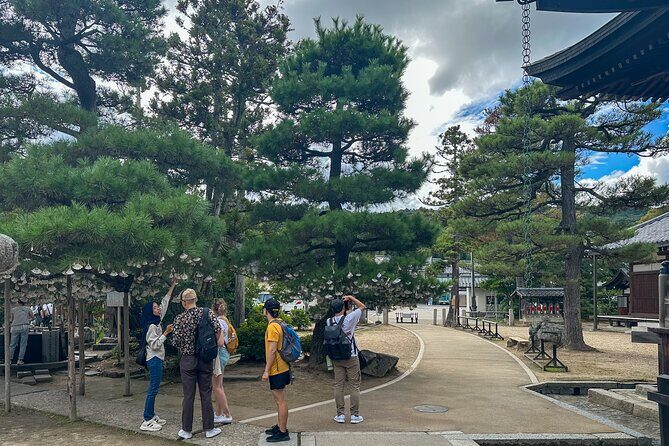
- Private car all day keeps transfer time simple and lets the guide adjust pacing when the crowds shift.
- Boat + chairlift fees are included, so you avoid surprise add-ons at Amanohashidate and Ine.
- Temple depth without extra stress: you’ll visit major sites like Kōzan-ji Temple with admission handled for the stops listed as included.
- Engineering stop included at Hiyoshi Dam, which adds a different kind of Kyoto than shrines and shopping streets.
- Ine no Funaya gives you a waterside village experience with time to stroll and take in the funaya boathouses.
Amanohashidate and Ine: why this day feels like a smart move
Kyoto has a way of pulling you into “just one more stop” mode. This tour resists that. You start at 9:00am and run a tight circuit that connects temple culture, scenic viewpoints, and water villages without you having to constantly re-plan routes.
The big reason I’d pick this kind of tour is friction. Self-guided days often turn into ticket lines, transit juggling, and figuring out where the boat leaves from. Here, the essentials are handled: you get a private car, a guide speaking English, and the boat fee and chairlift fee are included.
It also helps that the route mixes “wow” moments with quieter pauses. You get time in places like Jingoji Temple (with cedar trees, pagodas, and gardens) before you head toward the famous sandbar views. That sequencing matters. You’ll feel less rushed, and the day ends with something visually different from the start.
If you're still narrowing it down, here are other tours in Kyoto we've reviewed.

What you really get with a private English guide
A private guide sounds like a luxury until you see how it changes the day. Instead of pointing at signs, you’re walking through sites like Kōsan-ji Temple (a UNESCO World Heritage site in the Takao area) with explanations that help you understand what you’re looking at and why it matters.
You also benefit from practical, real-time decisions. A human guide can pace your group through photo spots, manage timing for boat and chairlift segments, and keep the day moving so you’re not stuck waiting around.
The best part for most first-timers (and also return visitors) is that the guide’s context turns “pretty” into “I know what I’m seeing.” Even if you’ve seen Amanohashidate or Ine before, guided interpretation and route timing often lead you to spots and details you might skip on your own.
Step-by-step: Jingoji Temple to the Takao mountain temples
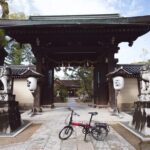
Your day typically begins with Jingoji Temple. You get about 1 hour 30 minutes here, and the focus is on atmosphere: ancient cedar trees, historic pagodas, and gardens. This is a great opener because it sets a calm tone. You’re not immediately facing crowds or water logistics—you’re walking temple grounds and letting your mind slow down.
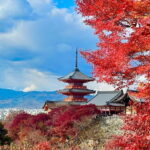
Next is Kōsan-ji Temple in the Takao area, also about 1 hour. This stop is tied to UNESCO status and sits in a lush mountain setting. The guide walks you through temple halls and gardens, sharing what to notice so your visit doesn’t become just stair-and-photo time. If you care about temple layout and scenery, this is the kind of stop that rewards slower attention.
Why this order works: it gives you cultural grounding before the scenic big hitters. By the time you reach the coast, you’ll feel like the day has a point.
Kayabuki-no-sato Kitamura and the Hiyoshi Dam break
After the mountain temples, you shift into countryside storytelling.
Kayabuki-no-sato Kitamura is where you’ll step into the world of traditional thatched-roof farmhouses. You’ll have about 1 hour here, and admission is listed as free. This stop is ideal if you want Kyoto beyond temple gates—think of it as rural Japan’s preserved “back roads” version, with a guided stroll that helps you understand what you’re seeing.
Then comes a surprising change of pace: Hiyoshi Dam. You’ll spend around 30 minutes, and it’s a free admission stop. The guide explains the dam’s role in flood control and water management for the area. Even if you’re not a “machines are cool” person, this is a worthwhile interruption. It adds a modern-engineering layer to your day, showing how water shapes the region—an extra hint of what you’ll experience later at the coast and in Ine.
A small practical note: this part of the day is a good time to use the restroom and re-check what time your boat and chairlift segments are scheduled, since the rest of the day transitions toward outdoor viewpoints.
Chion-ji and Motoise Konojinja: short shrine stops with meaning
Once you reach the Amanohashidate area, the schedule includes two shorter spiritual visits that keep things from feeling too “tour bus rushed.”
Chion-ji Temple is about 20 minutes. The focus here is peaceful Buddhist atmosphere and historic charm. With a guide, this isn’t just a quick walk-through; it’s a chance to slow down near a coast-famous sightseeing zone.
Then you’ll visit Motoise Konojinja Shrine, about 15 minutes. It’s a historic Shinto shrine with traditional architecture. The guide also explains its connection to an Ise shrine tradition (the description ties it to that ancient Ise shrine lineage).
These two stops are short on paper, but they work well because they provide cultural texture right before the main scenic moment. It’s like a breather between the inland and the view.

Amanohashidate Kasamatsu Park and the chairlift moment
Now for the headline: Amanohashidate.
You’ll head to Amanohashidate Kasamatsu Park, where you get about 1 hour 30 minutes. This is the payoff zone for panoramic views of the famous sandbar stretching across the bay. You’ll also spend time at the observation area with the guide.
The tour includes the chairlift fee at Amanohashidate Viewland, and that’s worth emphasizing. Chairlifts turn a viewpoint scramble into something easier, especially if you’re traveling with friends who don’t want to commit to steep walking. It also makes the timing work better in an all-day schedule.
One nice benefit of having a guide here: they can point out how to read the scene—what part of the view is the “sandbar” shape, where the bay sits, and how the shoreline connects to the later Ine village experience.
Ine no Funaya: the waterline village you’ll remember
The day ends in a place that feels like a different world from central Kyoto.
Ine no Funaya is a fishing village built around boathouses called funaya, lined right along the water. You’ll spend about 1 hour 30 minutes and admission is listed as free. Expect a guided walk through narrow streets with these distinctive boat homes.
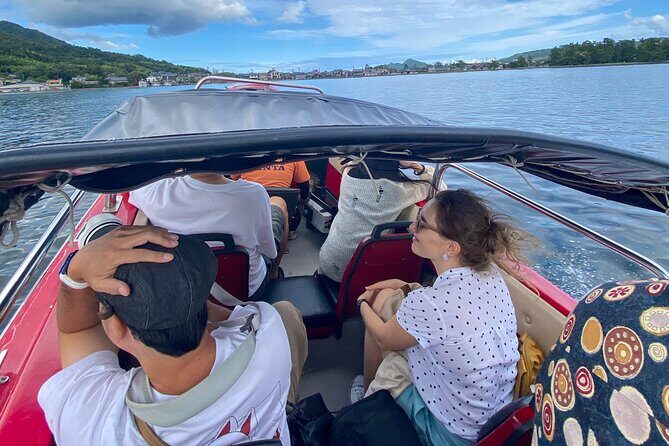
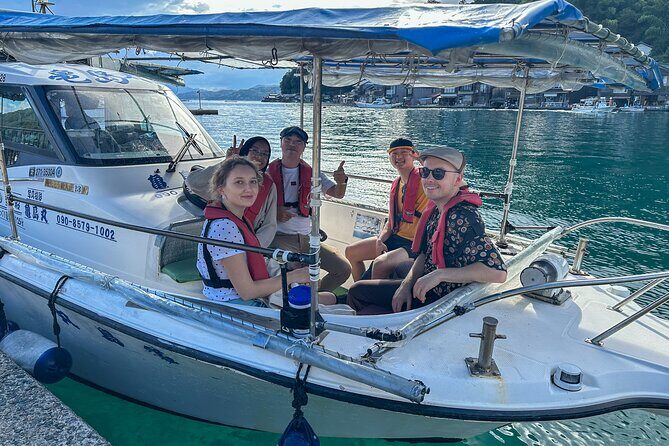
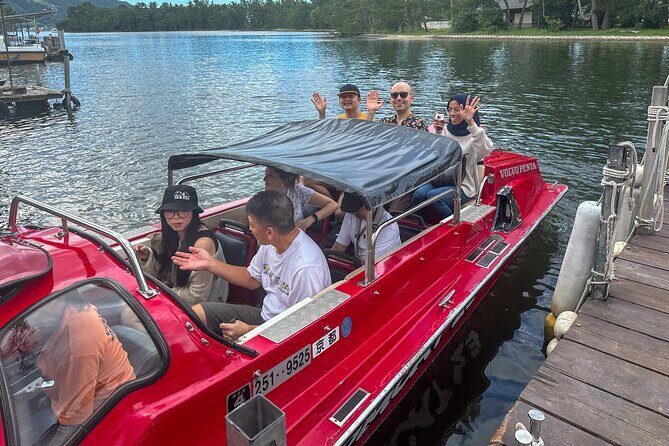
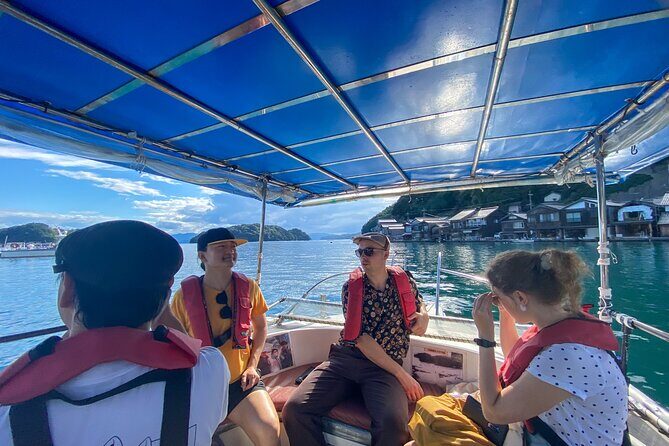
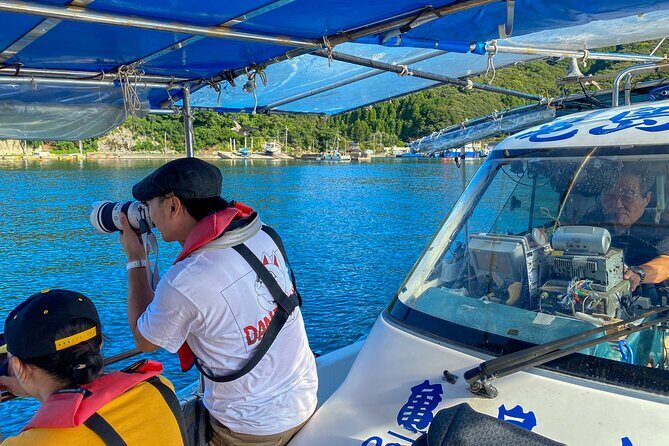
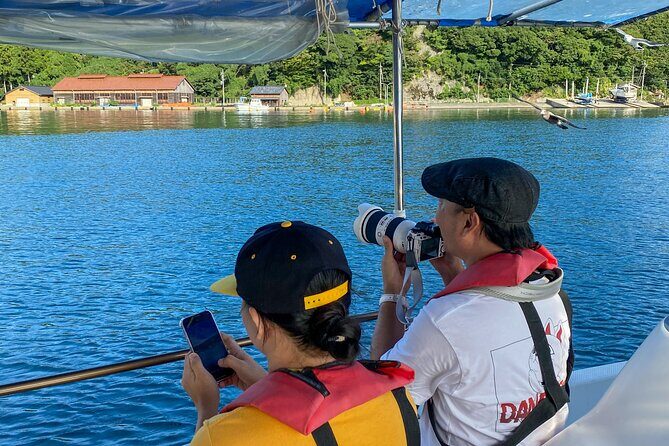
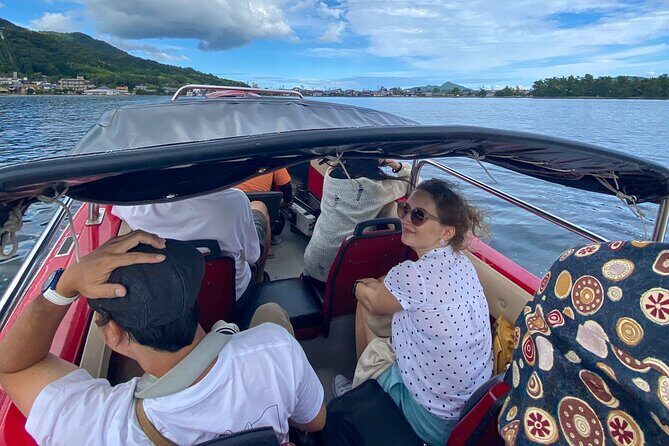
What makes Ine special in real life (and not just on postcards) is the intimacy of the setting. You don’t only see the water—you’re moving along the edges where people built their homes around workboats. The tour also includes boat time (boat fee included) for sightseeing near the famous dragon area and around the Ine area, so you get at least one perspective from the water.
That matters because the water angle shows shapes you’ll miss on land. It’s also a good break from temple walking—fresh air, open views, and a slower rhythm.
A practical tip: bring something to keep your hands comfortable on the boat ride (light gloves or a small towel can be helpful), and wear shoes you’re comfortable walking in on village streets.
Choosing the other route options: Miyama & Takao or Ohara & Biwako
The tour is sold with route choices, so your exact day depends on which option you pick.
If you choose Miyama & Takao, you’ll focus more heavily on traditional thatched-roof farmhouses and mountain temple scenery. Based on this tour’s typical structure, you can expect countryside walking, temple stops with guided context, and the kind of day where the guide helps you move efficiently between rural areas.
If you pick Ohara & Biwako, the promise is scenic rural villages and time relaxing by Lake Biwa. This option is a good fit if you want a gentler, lakeside mood rather than the coastal sandbar spotlight.
Either way, the underlying value stays the same: private car, English-speaking guide, and an all-inclusive style that includes key transport-related costs and specific sightseeing fees like boat and chairlift where they apply.
Price and logistics: is $520.25 per person worth it?
At $520.25 per person for about 8 hours, you’re paying for three things at once: time, convenience, and inclusions.
Here’s what’s included that actually reduces your mental load:
- Private car (plus gasoline, parking, and highway fees)
- English-speaking guide
- Bottled water
- Boat fees for Ine Funaya and Amanohashidate
- Chairlift fee at Amanohashidate Viewland
Not included:
- Lunch
- Tips for the guide (optional)
- Personal expenses
So, how do you judge value? If you’re splitting the cost among friends, the private-car piece becomes easier to stomach. If you’re traveling as a couple and you care about reducing decision fatigue, the “included fee” approach is meaningful. You’re not just paying to be driven; you’re paying to have your day’s key add-ons handled.
If you’re traveling solo and you’re comfortable planning transit, you might find cheaper options. But if your priority is a smooth day with cultural context and no last-minute ticket hunting, this price starts to look like paying for peace of mind.
What to pack for a full Kyoto day outside the city
Even with a private guide, you should plan for a day that mixes walking, temple steps, and outdoor viewpoints.
Pack basics:
- Comfortable shoes for temple grounds and village lanes
- A layer for changing temperatures between mountain stops and the coast
- A small bag you can keep secure during boat segments
- A plan for lunch since it’s not included
I’d also bring cash or a card for lunch and snacks, since you’ll be operating on included transport and major fees, but you still control your meals.
Who this tour suits best
This is a strong choice if you:
- Want private pacing instead of crowd choreography
- Like Japan’s mix of temples, countryside architecture, and water villages
- Prefer English guidance so the day flows with explanations
- Care about having boat and chairlift logistics handled
It’s also a good option if you’re new to Japan and want to reduce uncertainty. And if you’ve been to Amanohashidate or Ine before, the guide-led timing and the route structure can still add value—especially with short stops that help you notice details on foot.
Should you book this day tour?
If your idea of a perfect Kyoto day includes temples plus a real countryside-and-coast contrast, I’d say yes—this tour is built for that. The combination of private car comfort, included boat and chairlift fees, and guided temple stops makes the day feel effortless in the best way.
Book it if you value a structured plan with fewer logistical headaches. Skip it if you want a cheap, DIY day and you’re fully comfortable planning transit, tickets, and boat timing yourself.
FAQ
How long is the tour?
The tour runs for about 8 hours.
What time does the tour start?
The start time is 9:00am.
Is pickup included?
Pickup is offered, and the meeting point is described as being near public transportation.
Are tickets and sightseeing fees included?
Some admissions are included for specific stops, and the boat fee in Ine Funaya and Amanohashidate plus the chairlift fee at Amanohashidate Viewland are included.
Is lunch included?
No, lunch is not included.
Can I cancel for a full refund?
Yes. You can cancel up to 24 hours in advance for a full refund.