Kyoto can feel like a lot. This private one-day plan turns it into a clean route with real context for each stop. It’s built around the big-name sights, but the value is how smoothly the day runs and how much you learn about what you’re seeing.
I especially like the pickup-from-Kyoto-Station setup and the fact that the itinerary keeps pace without making you constantly figure out trains and transfers. I also like that you get an AC ride, toll coverage, and a guide/driver who’s focused on getting you to each area with minimal friction. The main drawback to consider is the price: at $569, it’s best if you’re splitting the cost or you really want private, door-to-door time for a packed day.
In This Review
- Key things to know before you go
- A private Kyoto day that starts and finishes at Kyoto Station
- Arashiyama Bamboo Grove: the morning calm at the edge of the city
- Kinkaku-ji Golden Pavilion: gold leaf and the story behind the rebuild
- Kiyomizu-dera’s wooden stage and the Pure Water legend
- Fushimi Inari and the torii tunnel: how to handle crowds and photos
- Gion district stroll: machiya lanes and geisha-era atmosphere
- Nishiki Market: Kyoto Kitchen energy for lunch and snacks
- What the private format really buys you
- Price and value: is $569 fair for an 8-hour private day?
- Who should book this Kyoto cherry blossom one-day tour
- Practical tips to make the day feel effortless
- Should you book this tour?
- FAQ
- How long is the Kyoto city cherry blossom one-day private tour?
- Where does the tour start and end?
- What time does the tour begin?
- Is pickup included?
- Is lunch included?
- Are admission tickets included for the stops?
- Is the tour private?
Key things to know before you go
- 8 hours with six major stops: roughly an hour at each highlight, so you’ll see a lot without feeling stuck in one place
- Kyoto Station start and return: easy beginning, no stress on the back end
- Private transportation with hotspot on board: handy when maps or messaging matter
- Entrance fees are on you: the tour doesn’t include ticketed entry for the listed sites
- A well-run day beats a rushed self-tour: drivers and guides are praised for timing and smart parking
- Photo-help and lunch guidance: you’ll likely get practical recommendations and support for taking great shots (from guides like Malik, Sag, Imran Khan, and Hamza)
A private Kyoto day that starts and finishes at Kyoto Station
Starting at Kyoto Station is a smart move. It’s one of the easiest places in the city to find, and it lowers the odds you lose time before you even begin.
This tour is private, so you’re not stuck behind a slow-moving herd. Your day is designed around a straightforward flow: morning temples, afternoon shrine and districts, and then shopping and food time.
The other quiet win is the time structure. With about eight hours on the clock, you get a full sweep without trying to cram everything into your own schedule.
Other guided tours in Kyoto

Arashiyama Bamboo Grove: the morning calm at the edge of the city
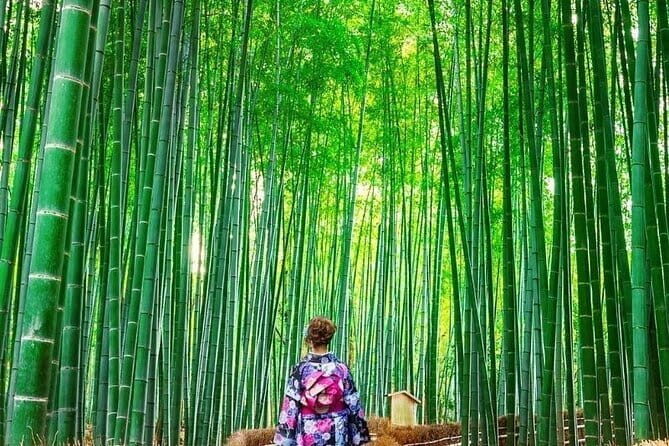
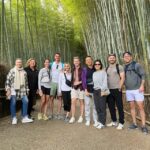
You’ll start in Arashiyama at the bamboo grove. This is the Kyoto stop most people imagine before they even arrive: tall stalks, gentle movement in the wind, and a calm you can feel even if you’re surrounded by visitors.
Arashiyama has been a destination since the Heian Period (794–1185), when nobles came out for nature and scenery. That historical echo helps the grove feel less like a photo-op and more like a place people have valued for centuries.
One practical tip: bamboo groves are photo-friendly, but they can also get crowded. Going earlier (your 8:00am start helps) gives you a better chance at slower walking, cleaner photos, and less waiting.
Kinkaku-ji Golden Pavilion: gold leaf and the story behind the rebuild
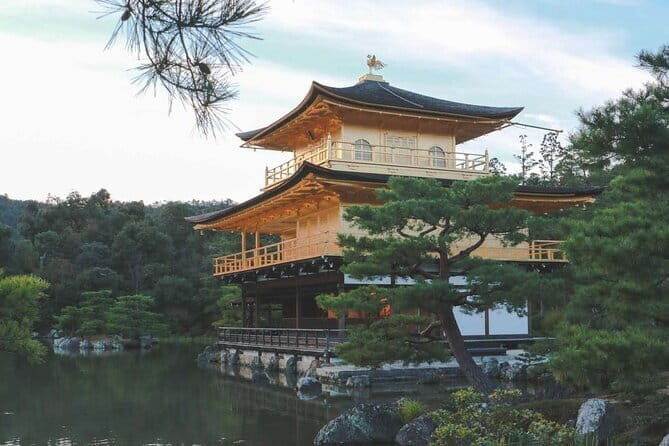
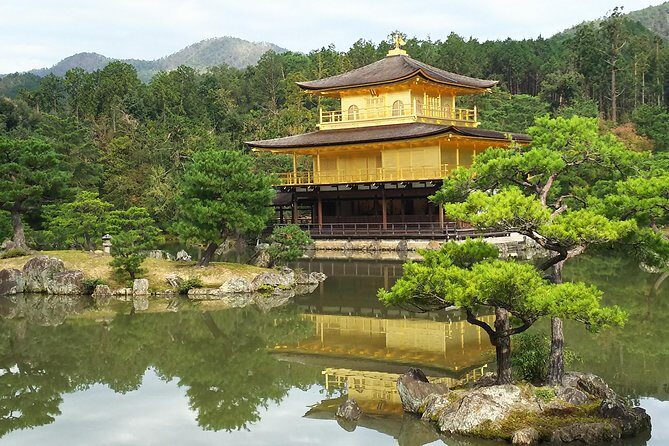
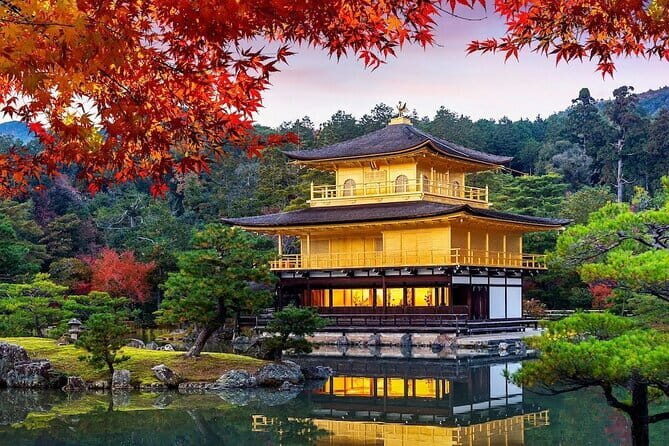
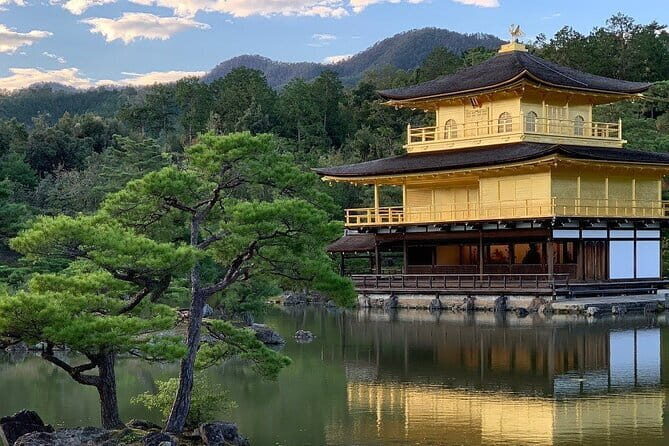
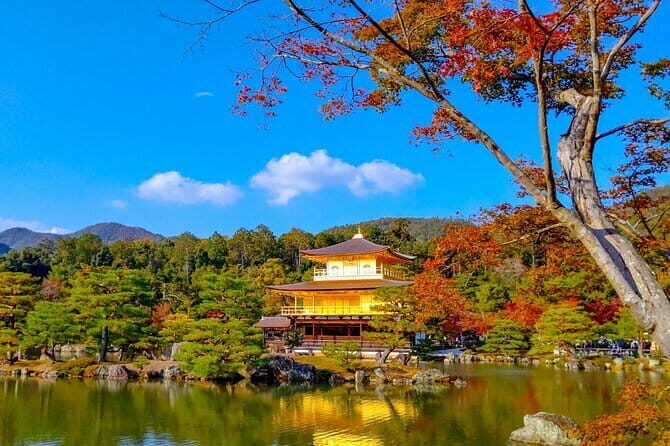
Next up is Kinkaku-ji, also known as the Golden Pavilion. The wow factor is obvious: the top floors are covered in gold leaf, and the temple looks even more striking when light catches the surfaces.
What makes this stop more than just pretty architecture is the background. Kinkaku-ji began in 1397 as a retirement villa for shogun Ashikaga Yoshimitsu, then it became a Zen temple after his death. It also has a history of fires: it burned down multiple times, and the current structure dates to 1955, after it was reconstructed following a 1950 fire.
If you like meaning behind the visuals, this is where your guide’s explanations matter. You’ll see the pavilion with a clearer sense of why it’s rebuilt, not just why it’s shiny.
Kiyomizu-dera’s wooden stage and the Pure Water legend
Then you’ll head to Kiyomizu-dera, one of Kyoto’s most iconic temples. The famous feature here is the wooden stage, which gives you a sense of how the temple fits into hillside life rather than sitting like a standalone monument.
Kiyomizu-dera is also old. It traces back to 778, making it one of Kyoto’s oldest temples. The name means Pure Water Temple, tied to the Otowa Waterfall that runs through the grounds, and the temple’s religious background shifted over time: it was associated with the Hosso sect until it became independent in 1965.
This stop can feel like two experiences at once: temple sightseeing and a walk through a historic district atmosphere. Wear shoes you’ll be happy standing and walking in, because the area encourages drifting.
Fushimi Inari and the torii tunnel: how to handle crowds and photos
After Kiyomizu-dera, you’ll go to Fushimi Inari-taisha, the shrine famous for its thousands of red torii gates. The layout creates tunnel-like pathways leading up Mount Inari, so even when you’re not climbing far, the visual rhythm pulls you forward.
This is a Shinto shrine dedicated to Inari, the god associated with rice, fertility, and agriculture. The gates—senbon torii, or thousands of torii—are donated by individuals and businesses seeking blessings, which adds a “people-powered” feeling to what looks like purely scenic scenery.
Photo and timing advice matters here. The torii look great from many angles, but the best shots take a bit of patience. A good driver/guide approach helps too: smart drop-off points and routing can make your walk feel easier even when it’s busy.
Other city tours we've reviewed in Kyoto

Gion district stroll: machiya lanes and geisha-era atmosphere
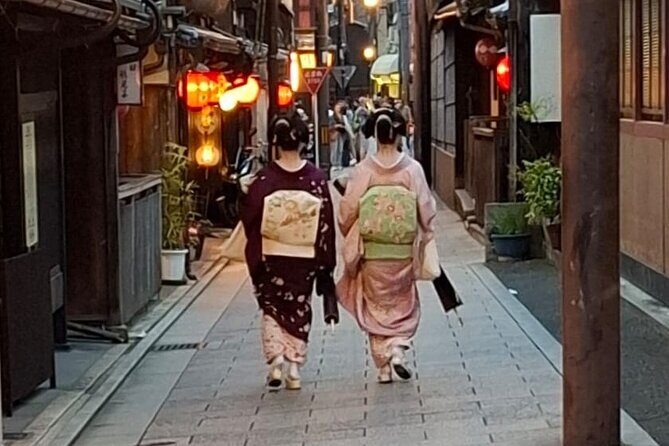
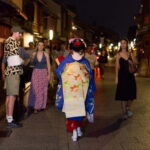
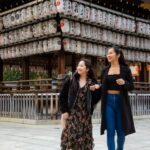
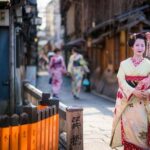
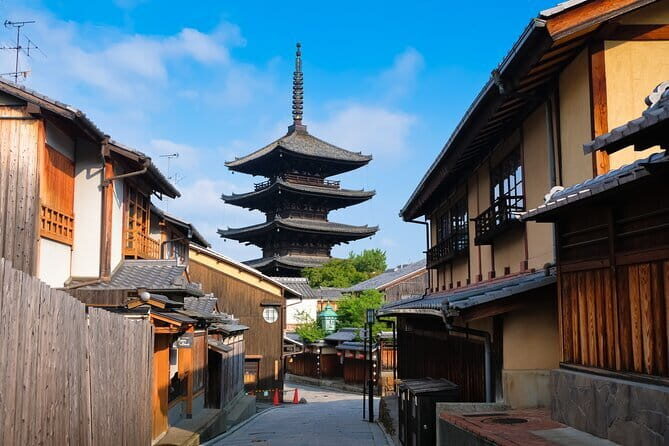
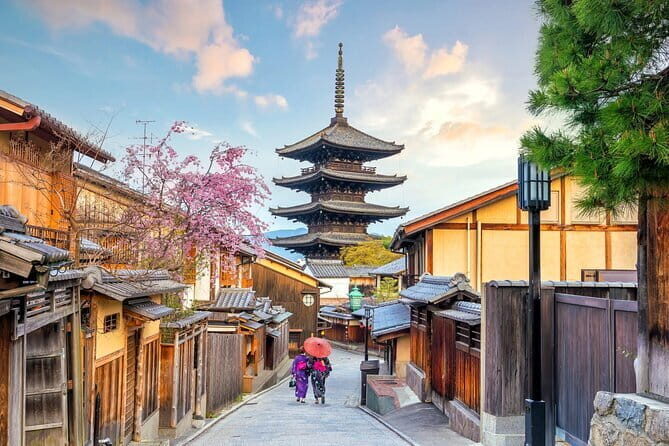
Next is Gion, Kyoto’s historic district known for traditional machiya houses, teahouses, and its well-known association with geisha culture. This is a different kind of Kyoto experience than temples and shrines: it’s about street scale, architecture, and the feeling of being in an older neighborhood.
You’ll spend about an hour here, which is enough to wander the main lanes, notice details, and get your bearings for the next area. If you’re the kind of traveler who likes small things—woodwork, lanterns, doorways—Gion rewards that mindset.
The only caution is that Gion can be crowded in peak season. If you want calmer photos, don’t just stop at the first classic view—move a few turns deeper before you lock in your shots.
Nishiki Market: Kyoto Kitchen energy for lunch and snacks
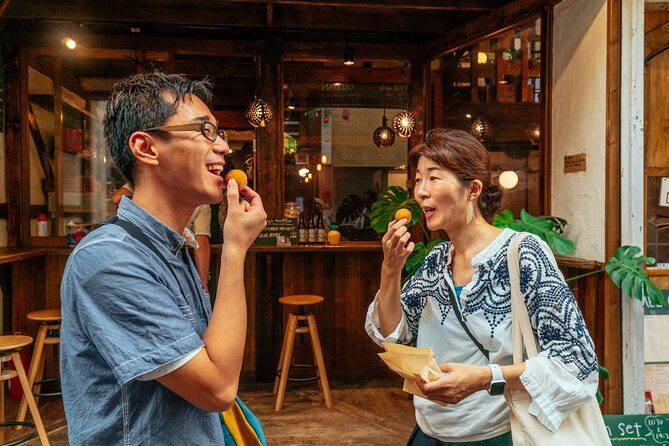
Finally, you’ll reach Nishiki Market, often described as Kyoto’s kitchen. It’s a narrow shopping street about five blocks long with over 100 shops and restaurants, and it’s been a center for food and commerce for centuries.
This is a practical end to the day. Even if you didn’t plan a full lunch here, it’s easy to grab a snack, try something small, and keep walking without committing to one long sit-down meal. The tour doesn’t include lunch, so this stop helps you solve that problem on the spot.
A useful pattern from guide behavior: many drivers are eager to recommend where to eat. In past tours, guides like Malik and Sag have been praised for making lunch recommendations that fit the day’s pace.
What the private format really buys you
Kyoto is full of “go-go-go” days. A private tour doesn’t magically slow everything down, but it usually makes the hard parts easier.
Here’s what you’re paying for in real life:
- Less time wrestling with transport between areas that can be far apart
- More control over your walking pace since it’s just your group
- Better practical timing, especially for stops like Fushimi Inari where lines and crowds can shape your experience
Also, this tour includes an air-conditioned vehicle and private transportation, plus toll taxes. That matters on a hot day or if you’re traveling with family and want comfort without thinking about logistics.
And small but helpful details exist: a hotspot on board can make planning and message-checking easier while you’re moving between districts.
Price and value: is $569 fair for an 8-hour private day?
$569 is not a budget price. The honest way to think about value is this: you’re buying a full-day route with transportation, a private format, and a guide who handles the sequencing.
If you’re traveling solo, it may feel expensive per person. If you’re traveling as a small group, it can start to look more reasonable because you’re spreading the private cost across more people.
Also, keep expectations aligned with what’s included. Lunch isn’t included, and admission fees aren’t included for the stops. Still, the tour is structured so you can spend your money where you want it—food at Nishiki Market and any temple/shrine entry fees you choose to pay.
In short: pay $569 when you want convenience, comfort, and a “done-for-you” Kyoto day.
Who should book this Kyoto cherry blossom one-day tour
This tour makes the most sense if you:
- Want to hit top Kyoto sights in one day without building your own route
- Prefer private pacing, not a rigid group schedule
- Care about context while you walk—especially at places like Kinkaku-ji and Kiyomizu-dera
- Appreciate practical support, including photo help and lunch guidance (as reflected by guides such as Malik, Sag, Imran Khan, and Hamza)
It might not be ideal if you:
- Want to spend long hours deep inside one district rather than touring six highlights
- Have very specific interests that require specialized stops beyond the major names listed here
- Need accessibility support that isn’t covered (wheelchair access isn’t indicated as included)
Practical tips to make the day feel effortless
A day like this is heavy on walking and viewpoints, so plan for comfort:
- Wear comfortable shoes for temple grounds and Inari’s pathways
- Bring a light layer if you’re in cooler months; mornings can feel different from midday
- Expect extra spending on food and temple/shrine entry fees since these aren’t included
- Use the onboard hotspot to stay connected while you’re traveling between areas
Because you start at 8:00am and return to the start point at the end, it’s smart to keep your evening plans flexible. You’ll likely be happy to recover after a full Kyoto highlight sweep.
Should you book this tour?
I’d book this if you want the fastest path to Kyoto’s best-known sights with a private approach and minimal stress. The strongest reasons are the smooth structure—start/end at Kyoto Station, an AC vehicle, and a guide-driven route—and the consistent emphasis on getting you to stops on time, including smart parking and photo help.
I wouldn’t book it if you’re aiming for a slow, deep-dive day in just one neighborhood. This tour is a highlights loop, and you’ll feel the time pressure if you need hours of wandering at each stop.
If your goal is: see Kyoto’s headline places, understand what you’re looking at, and still have energy for good food by the end—this one-day private plan is a solid bet.
FAQ
How long is the Kyoto city cherry blossom one-day private tour?
The tour runs for about 8 hours.
Where does the tour start and end?
It starts at Kyoto Station (Higashishiokoji Kamadonocho, Shimogyo Ward, Kyoto) and ends back at the meeting point.
What time does the tour begin?
The start time is 8:00 am.
Is pickup included?
Pickup is offered, and the tour includes air-conditioned vehicle transportation.
Is lunch included?
No, lunch is not included.
Are admission tickets included for the stops?
Admission/entry tickets are not included for the listed stops, and entry fees up to USD 7.00 per itinerary are noted as not included.
Is the tour private?
Yes. It’s a private tour/activity, and only your group participates.