A single hour can feel like Kyoto itself. This indoor concert pairs koto and violin in an easy-to-love set that moves between traditional Japanese melodies and recognizable anime and game tunes. The show is designed for music fans, but also for people who just want something calm, human, and different from the usual sightseeing grind.
I especially like the hands-on koto experience—you’re not just sitting and listening. I also like the matcha snack and the tea-room style spaces in the venue, which keep the whole evening soft around the edges. One consideration: at $850 per person for a short program, it’s a splurge, so you’ll want to make sure you’ll enjoy interactive, music-focused time more than a long, multi-stop tour.
In This Review
- Key Highlights You’ll Notice Fast
- Inside Suzaku Garden: What the Concert Really Feels Like
- The Music Set: Traditional Meets Modern Without Losing Its Soul
- Playing the Koto: The Part That Turns a Ticket Into a Memory
- Exploring the Tea Rooms and Traditional Spaces
- Meet the Artists: What You Learn After the Final Note
- What’s Included (and What You’ll Need to Plan On Your Own)
- Timing and Tickets: The Mobile Ticket Advantage
- Getting There: Near Public Transportation
- Who This Tour Fits Best (and Who Might Skip It)
- Practical Booking Advice Before You Click Confirm
- Should You Book This Kyoto Matcha & Koto Experience?
- FAQ
- How long is the Kyoto Matcha & Traditional Japanese Music experience?
- What kind of music will I hear?
- Do I get to play the koto?
- Is matcha included?
- Are meals included in the price?
- Do I need private transportation to get there?
- What kind of ticket do I get?
- When will I get confirmation after booking?
- Can I get a refund if I cancel?
Key Highlights You’ll Notice Fast
- Koto + violin fusion with traditional melodies alongside anime and game music
- Play-the-koto guidance during the experience, not just a performance
- Tea-room style venue spaces to slow down and reset
- Meet the artists after the concert to hear how they study and think about the instruments
- Matcha snacks included, plus café/restaurant options nearby
Inside Suzaku Garden: What the Concert Really Feels Like
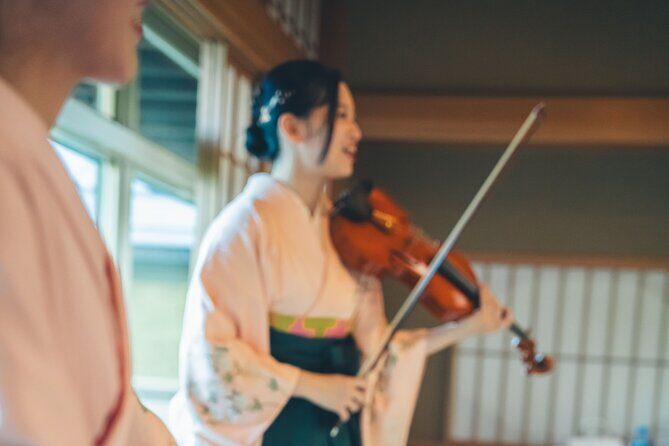
This experience takes place indoors at Suzaku Garden, and the setting matters. Instead of a loud theater vibe, it’s more like an intimate performance space where the details of sound actually come through. The program centers on a koto and violin mix, so you get two very different voices for the same musical story: the koto’s delicate, floating plucks and the violin’s expressive sweep.
The most practical thing you should expect: the music spans traditional Japanese songs and also contemporary favorites like anime and game melodies, plus original arrangements. That combination is the whole point. If you know the tunes already, you can relax into the familiarity. If you don’t, the structure still feels approachable because the performance uses a style you can follow by ear—changes in tempo, pacing, and the way the instruments trade musical roles.
A few more Kyoto tours and experiences worth a look

The Music Set: Traditional Meets Modern Without Losing Its Soul
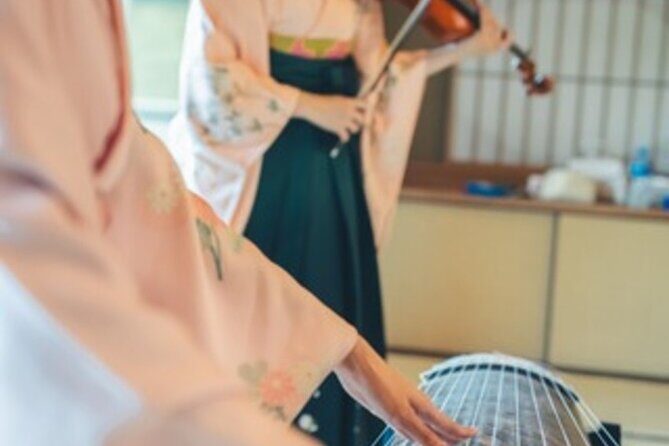
The concert’s core is a live performance featuring koto and Western violin, with traditional melodies, anime/game music, and original arrangements. In practice, this makes the show feel like a bridge. You’re not asked to treat Japanese traditional music as a museum piece, and you’re not asked to treat pop culture like it’s separate from everything else.
I like this approach because it gives you two entry points at once:
- If you’re a music person, you can listen for the technique—how the koto’s timbre shapes the harmony.
- If you’re a pop-culture person, you’ll likely recognize melodies, which helps you stay engaged for the full run time.
A possible drawback is that the show is short—about 1 hour to 1 hour 20 minutes—so it doesn’t give you a long “slow travel” arc. Think of it as a focused performance and interaction package, not a half-day immersion plan.
Playing the Koto: The Part That Turns a Ticket Into a Memory
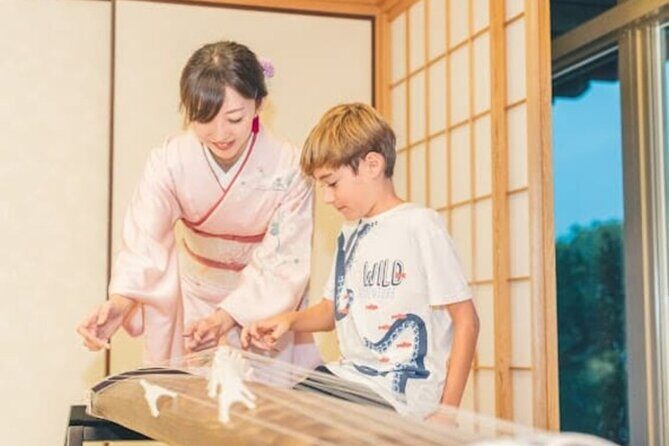
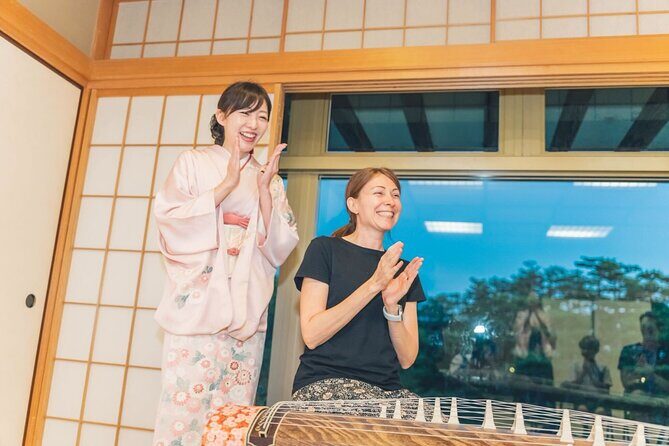
One of the standout parts is the koto experience. You get hands-on access to the instrument during the guided portion, led by the musicians. This is where the experience becomes more than entertainment. You’re not just learning about the koto from a distance—you’re physically touching the sound.
Even if you’ve never played anything before, this section works because the goal isn’t virtuosity. It’s understanding how the instrument responds. The koto’s sound comes from controlled plucking and timing, so you’ll learn quickly what makes it feel “Japanese” even to first-time ears.
Practical tip: wear comfortable clothing you can sit in for a bit. The experience is indoor and short, but koto time is hands-on, so you want your body to cooperate.
Exploring the Tea Rooms and Traditional Spaces
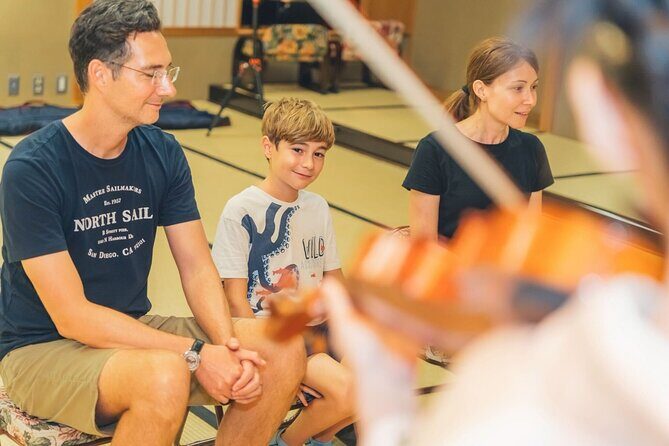
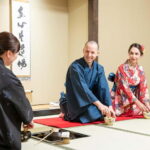
Before (or alongside) the main musical moments, you can explore serene tea rooms and traditional Japanese-style spaces within the venue. This matters more than it sounds. Kyoto can be full-steam walking—shrines, lanes, crowds, and sudden rain. Having a calm indoor pocket where you can breathe for a few minutes makes the music land better.
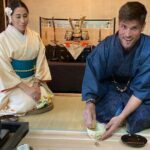
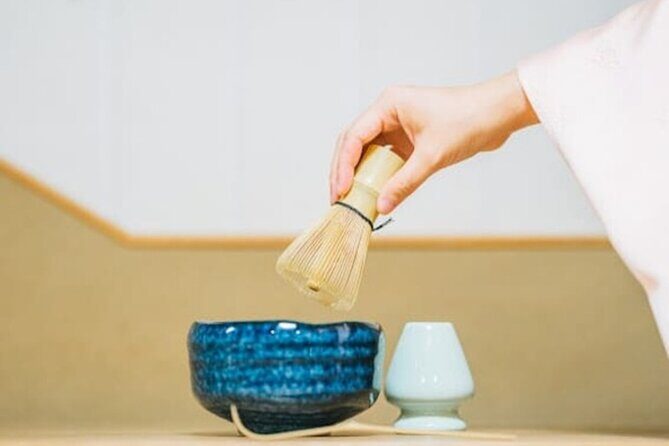
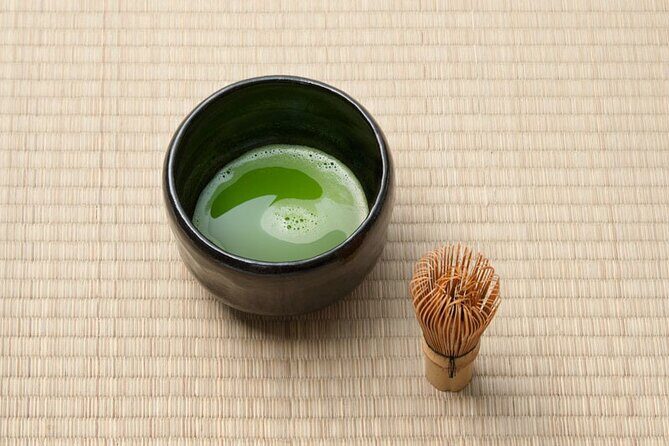
You also get matcha (green tea) snacks included, which ties the whole evening together. You’re basically being fed small tastes while being surrounded by a space that matches the mood of the performance.
From the reviews, I also picked up that people sometimes connect this part with a more personal tea ceremony-style moment—one review described sharing an unforgettable tea ceremony moment with the artists and family. That’s the kind of detail that turns a “show” into a small human story you carry home.
Meet the Artists: What You Learn After the Final Note
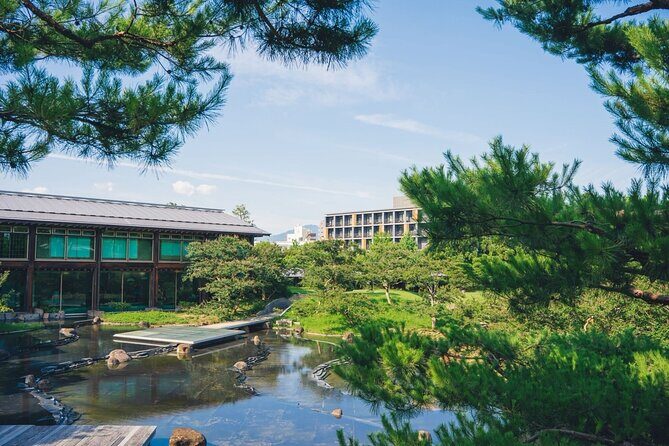
After the performance, there’s time for artist interaction. You can talk with the musicians and get insight into their dedication and what the instruments mean culturally. This is a key value driver, because the conversation usually gives context that a video can’t.
The musicians are described as young and passionate, and the show is built around passing on the charm of traditional instruments. When you ask questions after a concert, you’ll get a sense of what’s hard work and what’s instinct. And if you’re wondering why something like the koto has such a clear emotional feel, those answers usually show up in how they describe study and repetition.
If you’re shy, that’s fine. Even short interactions can be meaningful here because the venue and format are set up for dialogue, not just applause.






What’s Included (and What You’ll Need to Plan On Your Own)
Included with the ticket:
- Restroom on board (so you’re not hunting around mid-program)
- Snacks: matcha (green tea)
Not included:
- Meals. The venue has a café and restaurant on the first floor, so you can eat before or after, but you should not count on the concert ticket feeding you a full meal.
- Private transportation. You’ll need to handle getting there yourself.
The “value” angle here is simple: you’re paying for a live performance plus a guided koto try-out and time with the artists, and you get matcha snacks. That combination is hard to replicate on your own unless you plan for multiple separate experiences (tickets, classes, and venue time).
Still, because it’s $850 per person and only about an hour long, I’d only book if you genuinely want music and hands-on time. If your goal is mostly photos and wandering, you might find this less satisfying than a longer daytime itinerary.
Timing and Tickets: The Mobile Ticket Advantage
This is a mobile ticket experience. That’s helpful in Kyoto, where you might be switching between transit lines, walking a lot, and keeping track of smaller details. If your phone battery is weak, just plan ahead—bring a charger or a power bank so you can show your ticket smoothly.
Confirmation is received at booking unless you’re within 2 days of travel, in which case you should expect confirmation within 48 hours, based on availability. That’s mainly relevant if you’re traveling on a tight schedule.
Getting There: Near Public Transportation
The venue is near public transportation, which is a big deal for a calm, indoor experience. Kyoto streets are pleasant, but they can also eat time. Being near transit means you can pair this with other plans without building a whole logistics puzzle around it.
Who This Tour Fits Best (and Who Might Skip It)
This experience makes the most sense if you:
- Like traditional Japanese music and want a modern connection through anime and game melodies
- Want a hands-on element (playing the koto) rather than only watching
- Enjoy quiet, indoor Kyoto moments—tea-room style spaces and matcha snacks included
- Care about meeting artists and hearing the thinking behind the instruments
You might want to reconsider if:
- You’re mainly in Kyoto for temples and outdoor scenery and don’t want a ticket that’s heavily music-centered
- You prefer longer experiences with multiple stops
- You don’t think the interactive koto time will be worth a $850 per person splurge
Practical Booking Advice Before You Click Confirm
Because it’s booked about 27 days in advance on average, I’d treat it as something to lock in earlier rather than later—especially if you’re traveling during popular weeks. Also, because duration is fairly tight, pick a time that doesn’t force you into a rushed transition with your next activity.
One more small planning note: meals aren’t included. If you’re the kind of person who gets snacky after sitting and listening, plan to eat beforehand or use the café/restaurant on the first floor.
Should You Book This Kyoto Matcha & Koto Experience?
If you love music and you want something more personal than a standard concert ticket, I think this is a strong yes. The combination of koto + violin, anime/game familiarity, guided koto playing, matcha snacks, and artist interaction is exactly the kind of package that feels worth paying for—because you’re not just consuming, you’re participating.
If you’re on the fence because of the price, run this test: would you pay for a 1-hour show if it also included time to try the instrument and talk with the musicians? If that sounds exciting, book it. If you mainly want sightseeing time and don’t care about playing or dialogue, put your budget toward something longer and more outdoors.
FAQ
How long is the Kyoto Matcha & Traditional Japanese Music experience?
It runs about 1 hour to 1 hour 20 minutes.
What kind of music will I hear?
You’ll hear Japanese traditional music plus anime and game melodies, performed with koto and violin, including traditional melodies and original arrangements.
Do I get to play the koto?
Yes. There’s a guided koto experience where you can play the koto during the session.
Is matcha included?
Yes. Matcha (green tea) snacks are included with your admission.
Are meals included in the price?
No, meals are not included. There is a café and restaurant on the first floor of the venue.
Do I need private transportation to get there?
No private transportation is included. The venue is near public transportation, so you’ll handle getting there on your own.
What kind of ticket do I get?
You’ll receive a mobile ticket.
When will I get confirmation after booking?
You’ll receive confirmation at booking unless you book within 2 days of travel, in which case confirmation is received within 48 hours (subject to availability).
Can I get a refund if I cancel?
Yes. You can cancel for a full refund if you cancel at least 24 hours before the experience start time. Cancellation within 24 hours isn’t refunded.