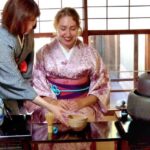
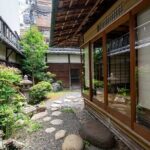
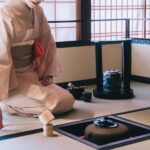
A new tea ceremony space can feel like a time machine. At Sanjo Chasuian, you start with the crawl-in nijiriguchi entrance, then you get two matcha bowls (one guided, one you whisk). I also like that it’s a small shared group and the host teaches in clear English. One thing to plan for: timing is strict, and you can’t enter late once the door locks.
This is easy to reach too, just a short walk from Karasuma Oike Station. The whole session lasts about an hour, and the pace stays calm and focused on doing the movements correctly. If you want silence and concentration, this is the kind of workshop you’ll feel good doing before dinner.
In This Review
- Key things worth knowing before you go
- A Quiet Tea Room Near Karasuma Oike Station
- Nijiriguchi: The Crawl-In Entrance That Changes the Mood
- What Happens During the Ceremony: Tea History and Two Rounds of Matcha
- Hands-On Matcha Making: Your Bowl, Your Whisk, Your Tempo
- Wagashi and Sweets: The Seasonal Pairing That Makes Matcha Taste Better
- Price and Logistics: Is $31 Worth It for One Hour?
- Socks, Chairs, and the Optional Uchikake Coat Kimono
- Small Group Energy and the Strict Start-Time Rule
- Who This Tea Workshop Suits Best (and Who Should Skip It)
- Should You Book Sanjo Chasuian Tea Ceremony?
- FAQ
- How long is the Kyoto tea ceremony at Sanjo Chasuian?
- Where is Sanjo Chasuian, and how do I find it?
- What is included in the $31 price?
- Do I get to make matcha myself?
- What should I bring?
- Is the instruction available in English?
- Is it a private tea ceremony?
- Can I wear a kimono?
- What are the entry rules if I’m running late?
- Is this suitable for children or wheelchair users?
Key things worth knowing before you go
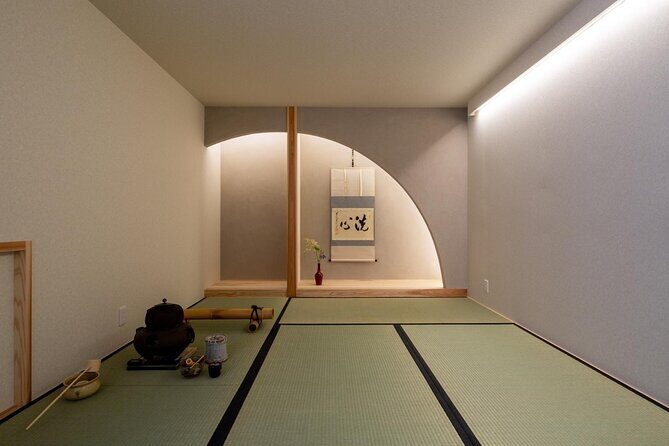
- Nijiriguchi entry: you crawl in through the traditional entrance that changes the mood instantly.
- Two bowls of matcha: you taste the host’s matcha, then you make a second bowl yourself (or with your companion).
- Seasonal wagashi included: a Kyoto-style sweet from a shop with over 100 years of history.
- Small shared group: limited to 10 participants, so it doesn’t turn into a noisy show.
- Socks required: you’ll want grippy socks for the calm, kneeling-style movements (chairs are available if you prefer).
A Quiet Tea Room Near Karasuma Oike Station
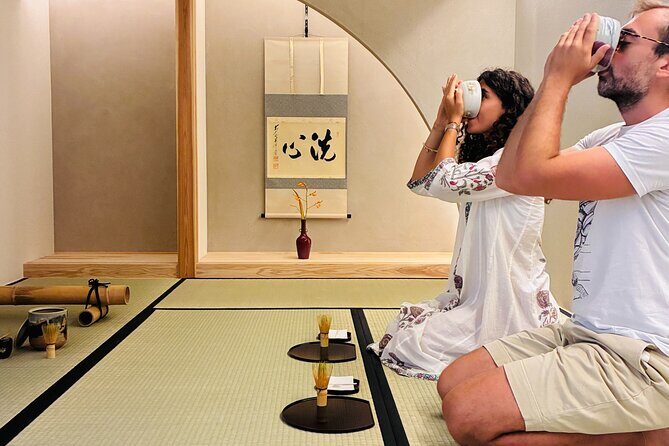
Sanjo Chasuian is a newly opened Kyoto cultural experience space, and that matters more than you’d think. When a place is new, the flow tends to be smooth: clear check-in, organized seating options, and staff who are ready to guide international guests without fuss.
Location-wise, you’re about a five-minute walk from subway Karasuma Oike Station. That’s the sweet spot in Kyoto: close enough to fit between temples, but not so central that the area feels hectic. The meeting point is simple—look for the big sign with the Sanjo Chasuian logo, open the door, and staff will be waiting.
Plan for the session to feel intentional. The experience is designed around mindfulness and respect for the moment, not around chatting through matcha. If you like structured, quiet cultural activities (the kind where you actually learn something instead of just taking photos), this format fits.
A few more Kyoto tours and experiences worth a look
Nijiriguchi: The Crawl-In Entrance That Changes the Mood
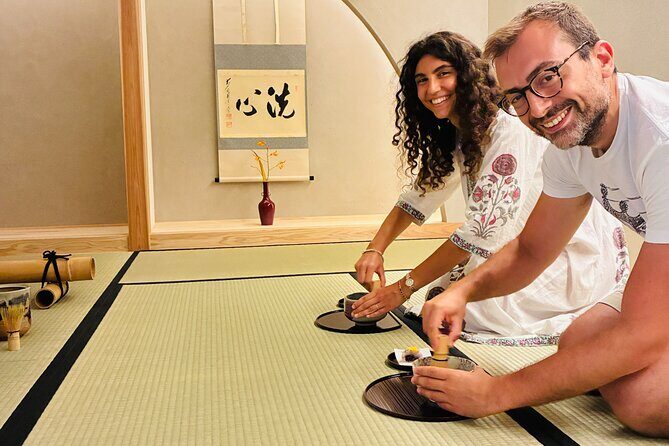
The most memorable part for me is the nijiriguchi entrance. It’s a crawl-in doorway that leads directly into the heart of the ceremony room. You’ll feel it before anyone explains it: outside, Kyoto is busy. Inside, the space shrinks your perspective and slows your body down.
This entrance isn’t just theatrics. In tea culture, the architecture helps set expectations—small gestures, careful handling, and a switch from modern pace to ceremony pace. Even before you taste anything, you start practicing the main idea: be present.
There’s also a practical note. The experience is held in a serene atmosphere, and the door locks once the session begins. Entry is allowed from five minutes before your start time, and if you’re even a minute late, you can’t join and there’s no refund. So give yourself buffer time on the walk from the station and treat this like a timed theater show.
What Happens During the Ceremony: Tea History and Two Rounds of Matcha
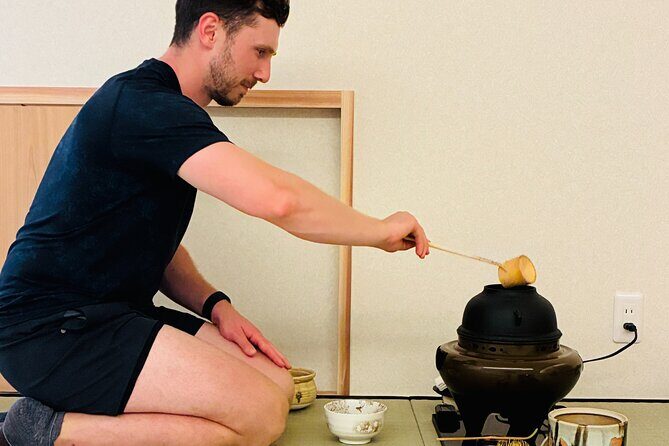
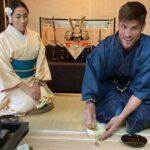
The session is about an hour, and it moves in a logical sequence. First, you’ll learn the tea ceremony’s background—enough history to make the movements make sense. Then the host guides the flow: you’ll see matcha preparation, you’ll taste the host-made bowl, and then you’ll make your own bowl.
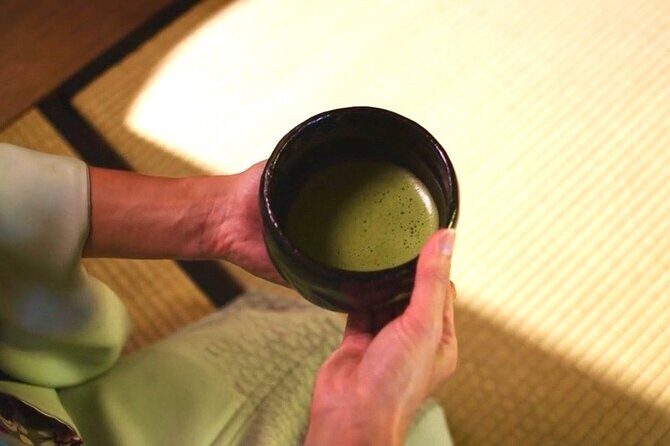
You get two servings of matcha total. One is prepared by the host, and the second is yours to whisk yourself (or you and a companion, depending on how your group is arranged). This is a big deal for value and understanding. You don’t just watch; you experience the difference between how a practiced hand handles whisking and how you adapt when you’re holding the whisk.
Between the matcha rounds, you’ll also enjoy traditional seasonal Japanese confectionary. The sweets are from a Kyoto shop with over 100 years of history, and that’s not random trivia—it’s part of how Japanese tea sweets are chosen to match seasons and soften the bold flavors of matcha.
One calm detail I appreciate: the ceremony is designed so the understanding comes from doing, not from constant conversation. You’ll get English explanations, but the room still expects focus.
Hands-On Matcha Making: Your Bowl, Your Whisk, Your Tempo
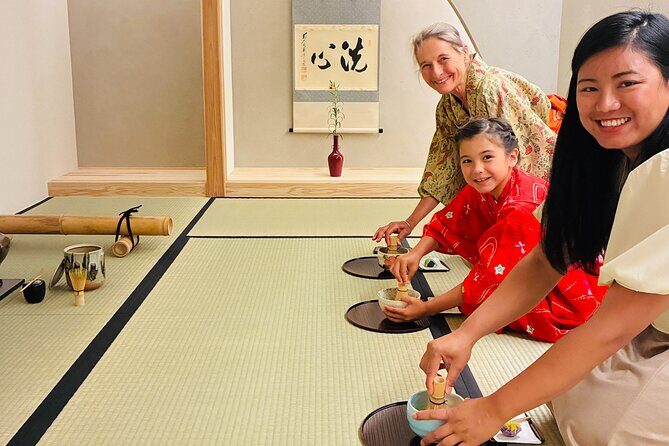
Hands-on is the point here. After watching the host’s movements, you’ll choose a tea bowl and a whisk your matcha. You’ll learn by observing and then copying the steps with help from your instructor.
In practice, this means you’re not stuck doing one tiny gesture. You’ll actually go through the motions of making matcha properly: choosing utensils, getting the whisk technique, and performing the same steps you just watched. The result is you leave with a real sense of how much attention the ceremony demands.
Hosts in English can vary by session—some recent participants have worked with people named Reina and Yuko, for example—and the consistent theme is clear guidance. The teaching style tends to be patient and structured: you’ll understand what each movement is for before you do it yourself.
Also, this kind of workshop makes it easier to order matcha later in Kyoto. You’ll start noticing texture, foaming, and how the sweetness of the wagashi balances bitterness. If you’ve never whisked matcha before, you’ll get that first taste of why the ceremony treats a bowl of tea like a small event.
If you want photos, ask when you arrive. Some hosts take pictures and videos while you’re making matcha, so you’ll have something to remember the moment without stopping your focus for long.
Wagashi and Sweets: The Seasonal Pairing That Makes Matcha Taste Better
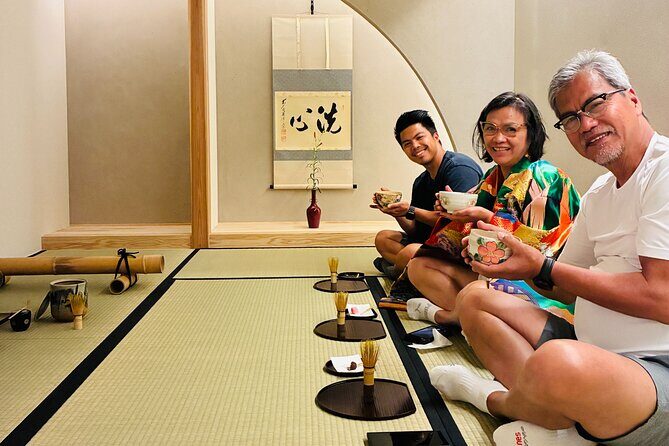
Matcha can taste intense if you’re expecting a mild green tea. That’s why the sweets matter. This experience includes traditional seasonal wagashi, served alongside the ceremony rounds.
The wagashi included here comes from a Kyoto confectioner with more than 100 years of history. That helps explain why the sweets don’t feel generic. In tea culture, wagashi aren’t just dessert—they’re designed to match the mood of the season and create contrast with matcha.
You’ll likely notice two things during the sweet course:
- the sweet has a delicate, traditional presentation
- it makes the matcha feel more balanced and less harsh
If you’re the type who normally skips desserts, don’t. This is built into the ceremony experience, not an add-on. Taking one small bite, then pausing for matcha, is part of the rhythm.
One extra note: matcha and ceremony items are available for purchase. Some people end up buying matcha after learning how it’s made, and a few also pick up tea utensils. If you’re budget-conscious, just set a limit for yourself before you go browsing.



Price and Logistics: Is $31 Worth It for One Hour?
Let’s talk value. At $31 per person for about one hour, you’re paying for a guided cultural experience that includes:
- two bowls of matcha (host-made + your own whisked bowl)
- traditional seasonal wagashi
- hands-on instruction in English
- a quiet, structured setting with small-group attention (max 10)
In Kyoto, lots of tea ceremonies charge similar prices, but many feel more like a demonstration. Here, the second round—your bowl—is where the money turns into learning. You’ll feel the difference between watching and doing.
The location also improves value. Being a short walk from Karasuma Oike station means you don’t burn time and cash on complex transfers. You can slot this into a normal day without turning it into a separate logistics project.
There’s also mention of a grand opening discount until September 15th. Since that’s time-limited, check what price you’re shown when you book. But even at the standard listed price, the combination of hands-on matcha and included sweets is a strong setup for most visitors.
Where the value can shift downward is if you want something like a long sit-down meal with multiple courses, or if you’re looking for a casual chatty experience. This is focused, not social.
Socks, Chairs, and the Optional Uchikake Coat Kimono
There are a few practical rules that help you enjoy the ceremony without stress.
First: bring socks. You’ll need socks during the experience, and you’ll want ones that won’t slip. This matters because the tea movements and room etiquette depend on staying steady and calm.
Second: chairs are available. That’s helpful if kneeling is uncomfortable. The ceremony is still designed around tradition, but you can choose a chair option if you prefer.
Third: there’s no standard kimono rental as part of the session. However, there’s an optional uchikake (coat-style kimono) experience available for ¥1,500 (tax included). You inform staff on the day, advance reservations aren’t accepted, and quantities are limited. So if dressing is important to you, arrive early enough to ask.
Bottom line: come prepared for a traditional tea setting, not a costume-heavy tourism stop.
Small Group Energy and the Strict Start-Time Rule
This is a shared plan group experience with a limit of 10 participants. That size is ideal for this type of teaching. You’ll get English explanations and space to practice without feeling like you’re waiting your turn in a crowded room.
But the strict timing rule is real. Entry is allowed from five minutes before the start time, and once the session begins the door locks. Even one minute late means you can’t join and there’s no refund. That’s not meant to be unfriendly—it’s meant to protect the quiet atmosphere.
So my practical advice is simple:
- Aim to arrive early.
- Treat the start time as firm.
- If you’re doing this after a long walk, build in buffer time.
If you handle that, you’ll get the peaceful vibe people talk about—the kind where your body slows down along with the ceremony.
Who This Tea Workshop Suits Best (and Who Should Skip It)
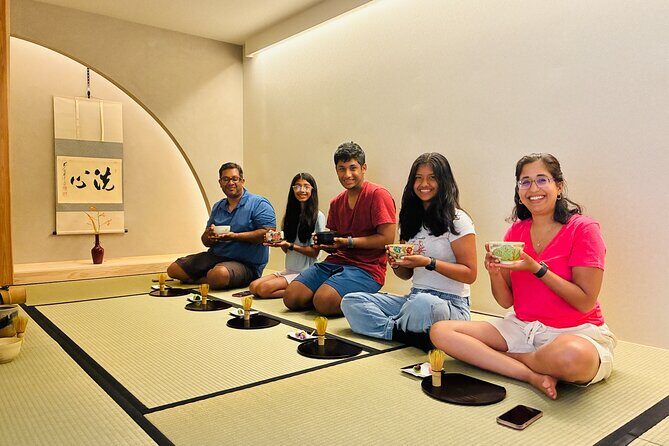
This tea ceremony fits best if you want a respectful, structured introduction to Japanese tea culture. It’s especially good for first-timers who feel unsure which tea ceremony to pick. The format includes history, you make matcha yourself, and you taste seasonal sweets in the right order.
It also suits travelers who like learning through doing. If you’ve tried cultural workshops before but found them too quick, this one has a real hands-on core: choose the bowl, whisk matcha, and drink what you made.
Not ideal for everyone:
- children under 6 years old aren’t suitable
- children under 5 can’t be booked into the shared plan and must use the private plan option
- wheelchair users aren’t suitable
If you want a ceremony with lots of flexibility, this probably isn’t it. It’s designed for calm and consistency, not improvisation.
Should You Book Sanjo Chasuian Tea Ceremony?
If you’re in Kyoto and you want a high-quality matcha experience that goes beyond watching, I’d book this. The two-bowl structure is the big reason: you taste the host’s work and then learn your own whisking technique. Add in included wagashi and an English explanation, and the one-hour format becomes a very efficient cultural stop.
I’d pass only if you can’t meet the strict timing rule, hate quiet activities, or need wheelchair accessibility. Otherwise, this is the kind of experience that makes the rest of your Kyoto day feel slower—in a good way.
FAQ
How long is the Kyoto tea ceremony at Sanjo Chasuian?
It lasts about 1 hour.
Where is Sanjo Chasuian, and how do I find it?
It’s about a 5-minute walk from subway Karasuma Oike Station. At arrival, look for the big plate with the Sanjo Chasuian logo, open the door, and staff will welcome you.
What is included in the $31 price?
You get two cups of matcha (one made by the host and one you make), plus traditional seasonal Japanese confectionary (wagashi).
Do I get to make matcha myself?
Yes. You’ll make your own bowl of matcha during the hands-on part of the ceremony.
What should I bring?
Bring socks (and plan to wear them during the experience).
Is the instruction available in English?
Yes. The instructor provides guidance and explanations in English.
Is it a private tea ceremony?
This is a shared plan group session. It’s limited to 10 participants.
Can I wear a kimono?
There is no standard kimono rental as part of the ceremony. An optional uchikake (coat-style kimono) experience is available for ¥1,500 (tax included), but you must request it on the day and availability is limited.
What are the entry rules if I’m running late?
Entry is allowed up to 5 minutes before the start time. Once the session begins, the door is locked. Even 1 minute late entry means you cannot join and there are no refunds.
Is this suitable for children or wheelchair users?
Children under 6 years old are not suitable for the shared experience. Wheelchair users are not suitable.