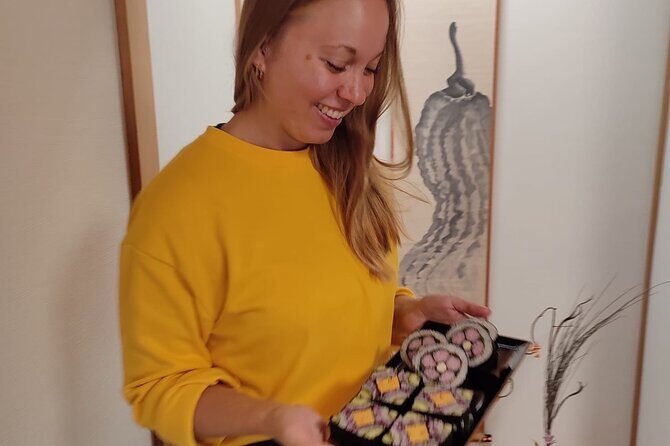
A sweet workshop beats another museum stop, especially in Kyoto-style flavors. In this Japanese traditional sweets making class, you’ll shape two seasonal Nerikiri (flower-shaped and Kinton Nerikiri) using real bean paste sourced from long-established Kyoto shops, then finish with Tatedashi Matcha.
What I especially like is the hands-on pace: you’re not just watching, you’re making and eating. And the focus stays practical—how the sweets are formed and how they’re enjoyed, right away. One thing to consider: the room can feel crowded, so if you prefer lots of space and slow, quiet instruction, you might want to plan around busier times.
In This Review
- Key highlights at a glance
- Kyoto-style Nerikiri: what you’re really learning
- Finding the class near Gojo Station (and why the location helps)
- How the 65 minutes are paced (so you don’t feel rushed)
- Shaping Nerikiri: from a flower to Kinton
- Flower-shaped Nerikiri
- Kinton Nerikiri
- The bean paste that makes the shaping work
- Tatedashi Matcha: the finish that makes it feel complete
- Price and value: is $14 worth 65 minutes?
- Who this class suits best (and who should rethink it)
- Practical tips for a smoother class day
- Should you book Japanese Traditional Sweets with Tatedashi Matcha?
- FAQ
- What is the duration of the experience?
- Where is the meeting point?
- What do I make during the class?
- What is included in the price?
- Can I eat the sweets on the spot?
- Is Tatedashi Matcha included?
- Are take-out boxes included?
- Is there a certificate included?
- What languages are available?
- Is the experience wheelchair accessible?
Key highlights at a glance
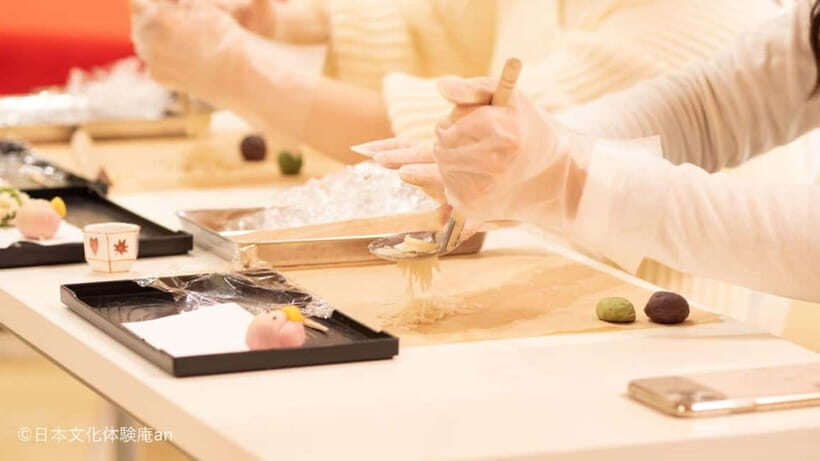
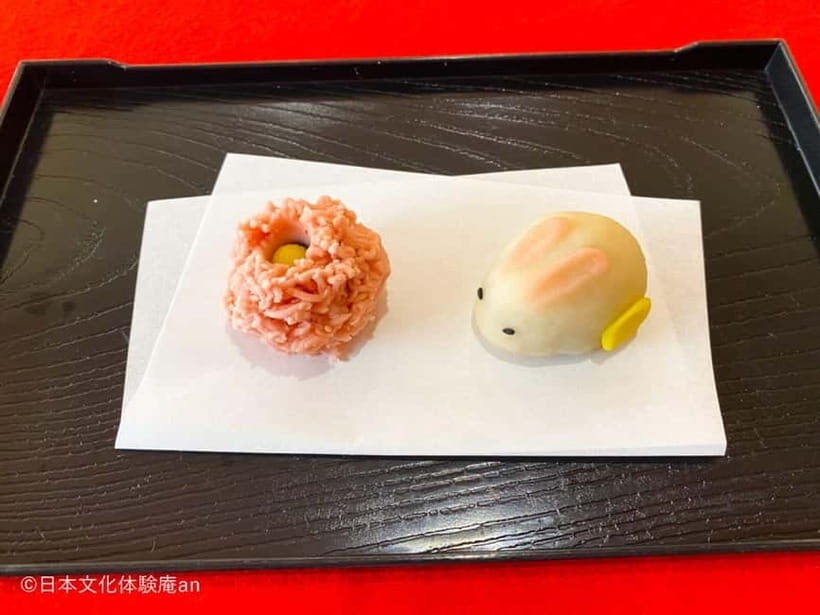
- Two seasonal Nerikiri you make: flower shaped plus Kinton Nerikiri
- Kyoto bean paste: white/red bean paste from long-established shops
- You eat what you make: enjoy the sweets on the spot
- Tatedashi Matcha included: paired at the end of class
- 65 minutes total: explanation, shaping, then tasting
- Gojo Station location: just a 1-minute walk from Exit 1, store front on Gojo-dori
Kyoto-style Nerikiri: what you’re really learning
If you’ve ever seen Nerikiri and wondered why it looks like a tiny work of art, this is your chance to understand it with your own hands. Nerikiri sweets are known for their smooth, sculptable texture and their themed shapes—often tied to the calendar and the mood of the season. Here, the class is built around that idea: you’ll make seasonal sweets, not random practice pieces.
The centerpiece is the bean paste. You’ll work with white/red bean paste produced by Kyoto’s long-established shops. That matters because the quality and texture of the filling are what let you shape details instead of struggling with something dry or crumbly. You end up learning how the sweet behaves as you form it—more like working with modeling paste than wrestling dough.
And then there’s the matcha. You don’t just get a drink at the end; you get Tatedashi Matcha, which is provided after you finish shaping your sweets. Even if you’re not a matcha expert, it gives a clear finish to the experience: make, then taste, on the spot.
A few more Kyoto tours and experiences worth a look

Finding the class near Gojo Station (and why the location helps)
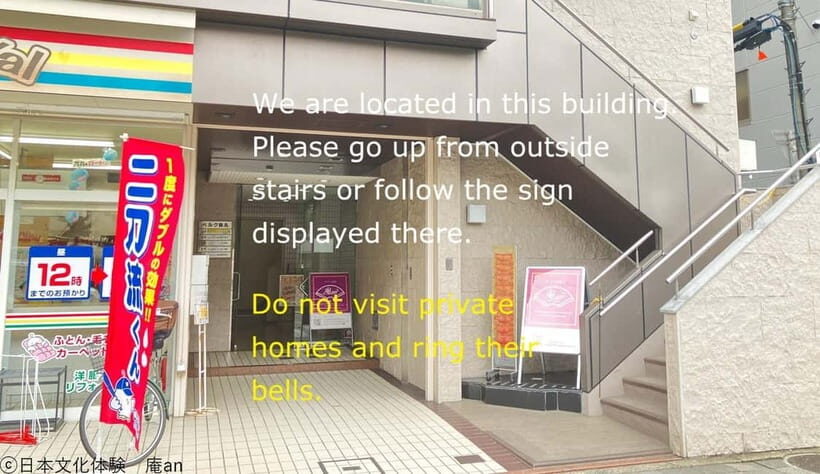
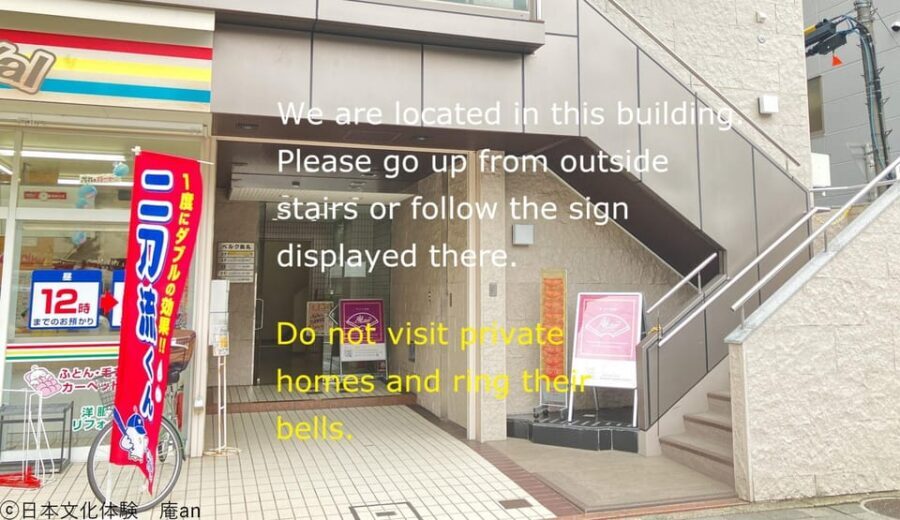
This experience is set up for easy, walk-in discovery once you’re in Kyoto. The meeting point is 1 minute from Exit 1 of the Subway Karasuma Line Gojo Station. The store entrance faces the main street, Gojo-dori, so you’re not playing “find the tiny door” with a tight schedule.
That location is useful because it plugs into a normal sightseeing day. A 65-minute activity fits well before or after nearby sights, shopping streets, or dinner plans. It also means you can keep things simple: you don’t need a half-day detour or complicated transit planning.
Two practical notes you should know upfront. The building has no elevator, and you’ll need to take stairs to reach each venue. Also, the staff won’t hold the event for delays—so arrive a bit early, take a breath, and get settled before the explanation starts.
How the 65 minutes are paced (so you don’t feel rushed)
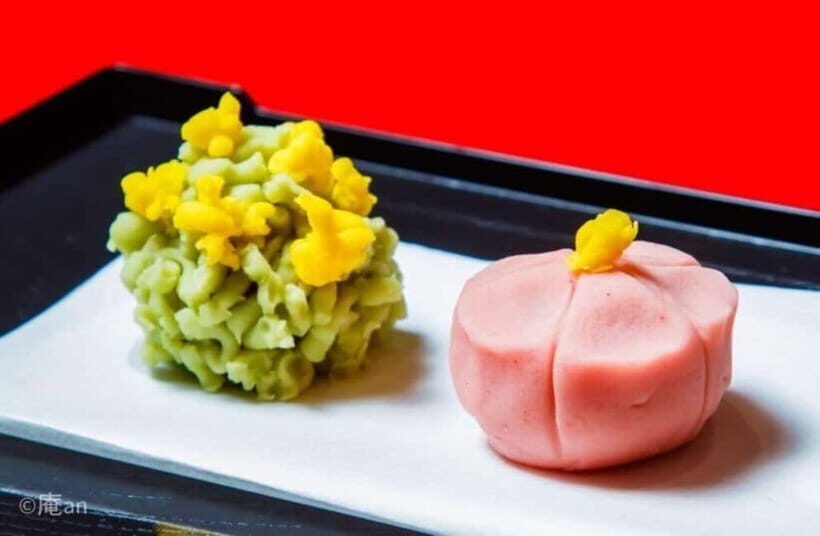
The class runs 65 minutes total, and it follows a tight rhythm. The first part is an explanation about Japanese traditional sweets, which is your quick orientation—enough to make what you’re doing feel meaningful without turning the session into a lecture.
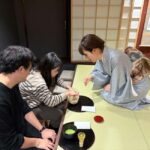
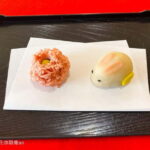
Then you move into shaping. You’ll make a flower shaped Nerikiri first. This is a smart warm-up: flowers give you an obvious target, and they teach the basics of forming and arranging the pieces. After that, you’ll shift to Kinton Nerikiri. The name tells you the theme, and the process shows you how the structure changes when the sweet’s style changes.
At around the 55-minute mark, the making portion ends. Then the matcha arrives, followed by eating and drinking time. The departure is at 65 minutes, so the class is designed to be friendly for people who are sightseeing and don’t want a long sit-down.
Shaping Nerikiri: from a flower to Kinton
This is where the class earns its keep. Making Nerikiri isn’t about memorizing steps; it’s about getting the texture and shape right. You’ll feel that in the moment, especially when you start forming the flower.
Flower-shaped Nerikiri
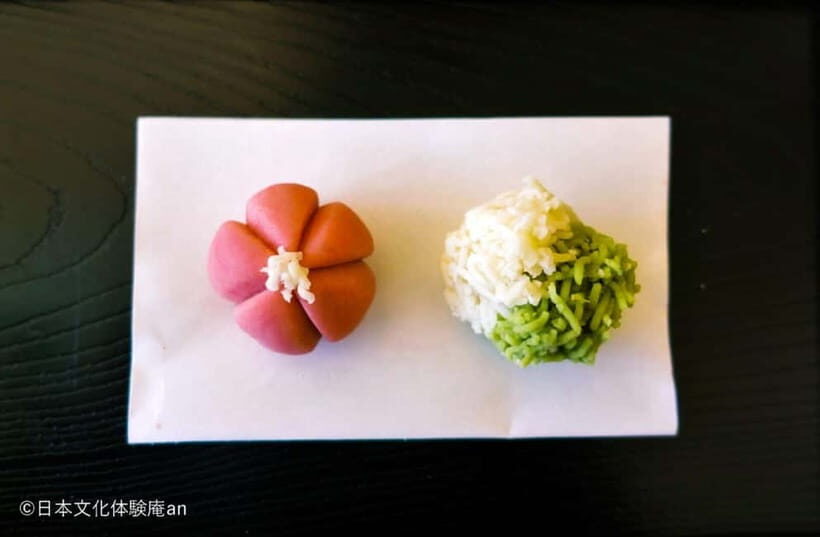
Flower shapes are forgiving in the best way. You get a clear visual goal, and you learn how to shape the sweet into layers and curves. It’s also the type of project that gives quick satisfaction. Even if you’re not “crafty,” you can usually find a satisfying look once you understand the basic handling.
A few more Kyoto tours and experiences worth a look


Kinton Nerikiri
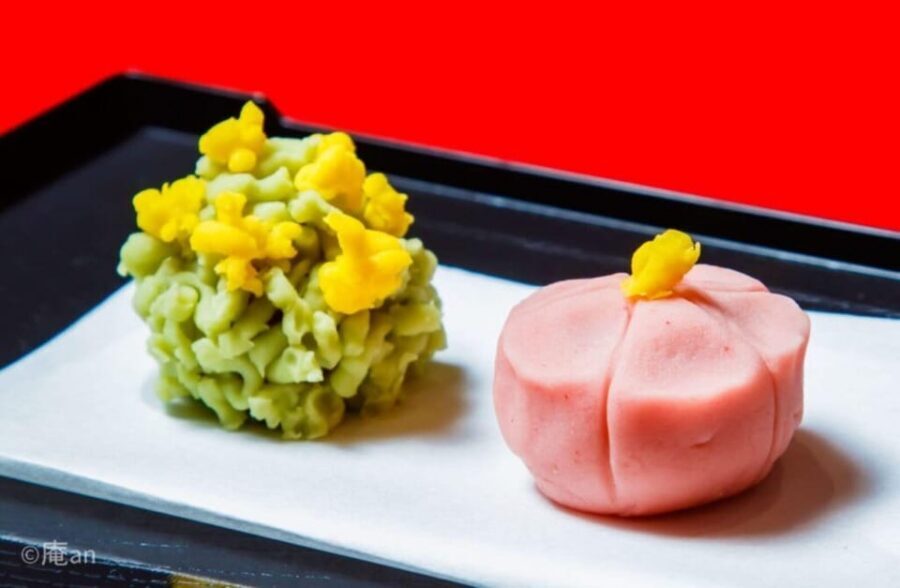
Then comes Kinton Nerikiri. This is the style that adds variety and keeps you from feeling like you’re just repeating the same motion. Changing the style changes the way you think about proportions and finishing touches. It’s also the part that tends to make people feel like they really produced something distinct and seasonal, not just practiced one technique twice.
One caution: depending on the group and the pace, some people may feel the experience stays more hands-on than explanatory. If you want a deep breakdown of ingredients and theory, the class may feel more like a guided craft than a chemistry lesson. If you prefer learning by doing, this format is exactly what you’ll want.
The bean paste that makes the shaping work
You’re using white/red bean paste from Kyoto’s long-established shops, and that detail isn’t just a marketing line. The texture of the paste affects everything: how easily it forms, how smooth it becomes, and whether you can create clean shapes without tearing or cracking.
So when you’re working, think of it like this: good paste gives you control. Better control means you spend less effort fighting the material and more time enjoying the craft part—especially when you’re building a flower shape and then moving to Kinton Nerikiri.
It also helps that you’re not guessing what goes into the sweets. The class highlights the bean paste as a key ingredient, so you understand what the main filling role is in the overall experience.
Tatedashi Matcha: the finish that makes it feel complete
After shaping, you get Tatedashi Matcha, included as part of the experience. This is the “okay, now enjoy it” phase, and it’s important.
First, it gives your sweets context. Matcha isn’t just a beverage here; it’s part of how these sweet treats are typically enjoyed. Second, it turns the class into something you can share. You can point at what you made, take a bite, and then sip matcha to reset your palate.
This is also the moment that tends to impress. People often walk into classes like this hoping the end result tastes good, and in this case, the focus includes the tasting part—so you’re not stuck with a craft project that ends up as an awkward souvenir.
Price and value: is $14 worth 65 minutes?
At $14 per person, you’re paying for a very specific set of included things: the hands-on Nerikiri-making session, the included ingredients (including the Kyoto bean paste), and Tatedashi Matcha at the end. You also get time to eat the sweets on the spot.
So how does that translate into value for you?
- You’re not just buying a snack. You’re making two sweets—so you get the learning moment plus the reward moment.
- You’re getting a guided structure: explanation, shaping, then tasting. That’s hard to replicate on your own without buying supplies and guessing how to use them.
- You’re finishing with matcha, which makes the experience feel like a complete mini-course rather than a quick craft.
Two add-ons exist, but they’re optional. Sweets take-out box costs 100 JPY, and there’s an experience completion certificate for 300 JPY. If you’re thinking “I just want to make and eat,” you can keep it simple and skip extras.
Who this class suits best (and who should rethink it)
This experience fits you if you want a hands-on cultural stop. It’s especially good for people who like tangible results: you’ll walk out holding a memory you can taste and talk about.
You’ll likely enjoy it if:
- You like seasonal themes and visual food craft
- You want a short class that doesn’t eat a whole day
- You’re okay with a practical workshop vibe near central Kyoto
You might not love it if:
- You’re sensitive to crowded rooms or prefer private instruction
- You expect a long, detailed lecture about ingredients beyond what’s necessary for making the sweets
- You want more time for slower, careful finishing beyond the 65-minute structure
One more angle: the class is described as fun and simple, and it can feel very approachable. That means it often works well as a break from the busy rhythm of sightseeing—less “watch and move on,” more “make and enjoy.”
Practical tips for a smoother class day
Here’s how to make the session go smoothly once you arrive near Gojo Station.
- Arrive early and calm down. The event won’t be held for delays, and the stairs can slow you down if you’re rushing.
- Plan for stairs. There’s no elevator, and you’ll take stairs to reach the venues.
- Expect Japanese-first instruction. The language is Japanese, with English translation provided as much as possible. If you want more help, contact the operator.
- Take a quick look at the season theme. Even if you don’t know Japanese food terms, the seasonal focus makes it easier to understand what you’re creating.
- Be ready to taste right after. The matcha and eating time come after you finish shaping, so save your big lunch for later.
Also, note the operation hours: 10:00 to 17:00. If you book for a time after 17:00, it’s processed the next day.
Should you book Japanese Traditional Sweets with Tatedashi Matcha?
I’d book it if you want a Kyoto activity that’s short, hands-on, and clearly worth the time. For $14, you get a guided making session, the chance to shape two Nerikiri, and Tatedashi Matcha plus on-the-spot tasting. It’s a good way to slow down your day without committing to a long class.
Skip it if you strongly dislike crowded group settings or you want a deeper, lecture-heavy explanation before you touch anything. The format is built around doing, not endless theorizing.
If you want a practical cultural experience with visible results at the end of the hour, this one is a strong pick.
FAQ
What is the duration of the experience?
The experience lasts about 65 minutes total.
Where is the meeting point?
It’s a 1-minute walk from Exit 1 of the Subway Karasuma Line Gojo Station. The store entrance faces Gojo-dori.
What do I make during the class?
You will make two Japanese traditional sweets called Nerikiri: a flower shaped Nerikiri and Kinton Nerikiri.
What is included in the price?
The class includes Japanese traditional sweets making with Tatedashi Matcha.
Can I eat the sweets on the spot?
Yes. You can eat the sweets during the eating/drinking time at the end of the experience.
Is Tatedashi Matcha included?
Yes. Tatedashi Matcha is provided after you finish making the sweets.
Are take-out boxes included?
No. A sweets take-out box is available for 100 JPY.
Is there a certificate included?
No. An experience completion certificate costs 300 JPY.
What languages are available?
The activity language is Japanese, and English translation is provided as much as possible.
Is the experience wheelchair accessible?
Wheelchair access is listed as available, but there is no elevator and you will need to take stairs to reach each venue.