Some workshops feel like a performance. This one feels hands-on.
You’ll make Ohigashi (dried wagashi using Wasanbon sugar), form seasonal Nerikiri with Kyoto bean paste, then grind single-origin matcha and take part in a casual tea ceremony. I especially like that you leave with a real taste of Japanese sweets craft, not just a quick explanation, and that the matcha part includes hands-on grinding. One thing to consider: the setup is a structured class-style workshop, so the vibe depends on the group, and the tea ceremony may feel more instructional than a fully staged, quiet ritual.
This takes place in Honshu, in Kyoto’s Gojo area, and it’s timed well for a morning or afternoon slot. You’re also close to the subway—1 minute walk from Exit 1 of Karasuma Line Gojo Station—so you can fit it into a sightseeing day without major transit stress. Seasonal sweets are the star here, meaning the shapes and pairings can change with what’s in season when you go.
In This Review
- Key Things I’d Plan Around
- Japanese Sweets Workshop Meets Matcha Grinding: What This Is Really Like
- Arrive at Gojo Station and Get Your Bearings Fast
- The Full 125-Minute Schedule, Step by Step
- Start: Orientation to Traditional Sweets
- Step One: Ohigashi (Dried-Type Sweets) From Wasanbon
- Break Time: Regroup Before Shaping Nerikiri
- Step Two: Nerikiri Flower-Shaped Kinton Nerikiri
- Another Break: Head Into Matcha and Tea Explanation
- Tea Stage: Grinding Demonstration and Casual Tea Ceremony
- Finish: Eat, Drink, and Take Pictures
- The Sweet-Making Part: Why Ohigashi and Nerikiri Feel Different
- The Matcha and Tea Ceremony Piece: What You Gain Beyond a Drink
- Value and Price: Is $28 Fair for 125 Minutes?
- Who This Workshop Suits Best
- Quick Practical Tips Before You Go
- Should You Book This Japanese Sweets and Matcha Workshop?
- FAQ
- What do I make during the workshop?
- How long is the experience?
- Where is the meeting point?
- Is there English help available?
- How much does it cost?
- Are there extra fees during the workshop?
- Is the workshop wheelchair accessible?
Key Things I’d Plan Around

- Three kinds of wagashi in one session: Ohigashi plus two Nerikiri sweets you actively make
- Kyoto-linked ingredients: white/red bean paste from long-established Kyoto shops, plus Wasanbon sugar for Ohigashi
- Hands-on matcha: you grind the matcha and then drink it as part of the tea ceremony
- Seasonal Nerikiri making: you shape sweets to match the season rather than copying the same pattern every day
- English support is built in: English translation is provided as much as possible, and at least one guide (Maiko) translated clearly in practice
- Plan for stairs: no elevator, and you’ll need to climb to reach the venues inside the building
Japanese Sweets Workshop Meets Matcha Grinding: What This Is Really Like

If you want an experience that turns culture into something you do with your hands, this workshop delivers. You’re working through a full sequence: sweets first (Ohigashi and Nerikiri), then tea (matcha grinding and a ceremony-style tasting). That flow matters. A lot of food experiences stop at eating. This one builds from ingredient to process to final cup.
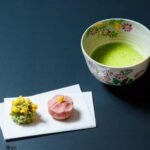
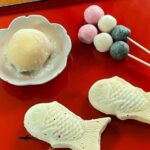
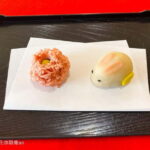
The sweets focus is specific, not generic. Ohigashi here means a dried-type wagashi made using Wasanbon, a traditional Japanese sugar. Then the Nerikiri portion is all about shaping and molding: white/red bean paste is used, and you make two seasonal Nerikiri sweets. One of them is called Kinton Nerikiri, so you’ll see how that style is formed rather than just hearing about it.
Then comes the matcha. You’re not only handed tea. You get a grinding demonstration and then take part in the ceremony experience. The workshop uses a single-origin special Matcha, which makes the taste discussion more concrete. You can compare what you made with what matcha is supposed to taste like—smooth, grassy, and a bit complex, depending on how it’s prepared and whisked.
A few more Kyoto tours and experiences worth a look
Arrive at Gojo Station and Get Your Bearings Fast

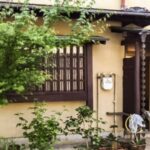
Meeting point is easy: you’re told it’s a 1-minute walk from Exit 1 of the Karasuma Line Gojo Station. The store entrance faces Gojo-dori, so you’re not hunting down a backstreet for an unmarked door.
Timing is also straightforward. The workshop runs from 10:00 to 17:00, and if your reservation is after 17:00, it’s processed the next day. The total duration is 125 minutes, ending with eating and drinking time and picture time.
One practical note that can trip people up: there’s no elevator. You’ll take stairs to reach each venue. If stairs are hard for you, build in extra time and consider whether you’ll be comfortable moving between areas during the workshop.
The Full 125-Minute Schedule, Step by Step

This is not just a single activity. It’s a timed program that moves through three craft moments: Ohigashi, Nerikiri, and matcha/tea.
Start: Orientation to Traditional Sweets
At the start, you get an explanation of Japanese traditional sweets. Expect this to be short and practical—enough so you know what you’re making and why those techniques matter.
What I like about this approach is that it prevents the hands-on parts from feeling random. Even if you’re not a sweets expert, you’ll understand the basic idea: ingredients, texture goals, and how seasonality guides the shape and flavor balance.
Step One: Ohigashi (Dried-Type Sweets) From Wasanbon
Your first making block is Ohigashi, the dried-type wagashi. The key ingredient called out is Wasanbon, a traditional Japanese sugar. That detail matters because Wasanbon is part of what gives certain wagashi their characteristic sweetness and texture.
You’ll work during the first making segment, then there’s a break. This makes sense because dried sweets work needs focus and precision, and the workshop style keeps your brain fresh before you shift into the softer, moldable Nerikiri stage.
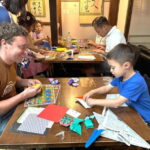
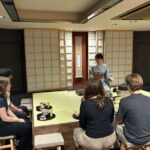
Potential drawback: if you’re expecting a super-private, quiet workshop, the classroom-style format may feel less intimate. In one experience, the instructor was attentive and informative, but the room was filled with tourists who were noisy and disrespectful. So if you’re sensitive to group energy, aim to go at a time when you expect fewer people.
A few more Kyoto tours and experiences worth a look
Break Time: Regroup Before Shaping Nerikiri
There’s a break after the Ohigashi making. Use it to reset your expectations for the next stage: Nerikiri is more about tactile shaping and careful form than the more process-style work of dried sweets.
This break also helps because you’ll be switching tools, textures, and handling techniques. Your hands will thank you.
Step Two: Nerikiri Flower-Shaped Kinton Nerikiri
The next making segment is Nerikiri, and you’ll make two seasonal Japanese sweets. The program mentions a flower-shaped Nerikiri making segment, then a second Nerikiri making phase specifically described as Kinton Nerikiri.
Here’s what you should know about Nerikiri that makes the experience worth it: Nerikiri is judged by shape, smoothness, and how cleanly the maker gets edges and details without tearing or cracking the paste. Even if your final look isn’t perfect, you’ll learn how delicate it is, and why wagashi artists practice the same shapes again and again.
Also, the workshop uses white/red bean paste produced by Kyoto’s long-established shops. That’s not just a sourcing detail—it affects how the paste behaves when you mold it, and it affects the final taste you experience at the end.
Another Break: Head Into Matcha and Tea Explanation
After the Nerikiri block, there’s another break. Then you move into tea-focused time.
This second break is your chance to slow down. Once matcha starts, you’re shifting from hands-on making to flavor and technique comprehension, which is harder to absorb when you’re tired.
Tea Stage: Grinding Demonstration and Casual Tea Ceremony
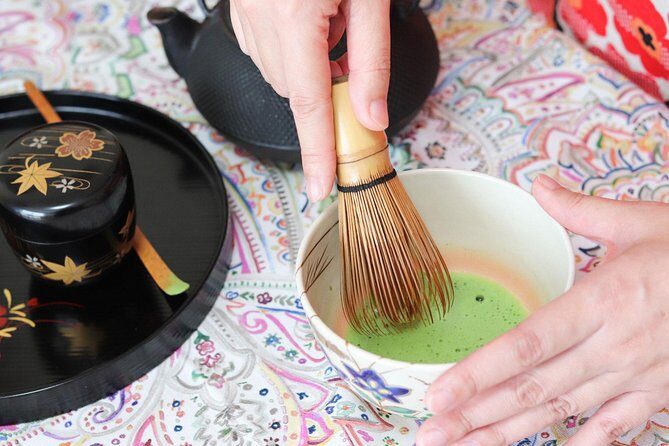
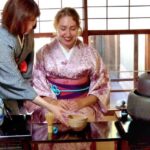
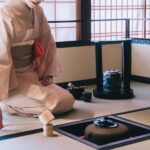
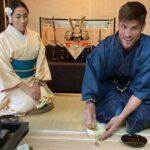
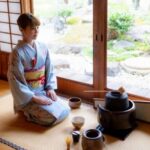
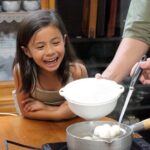
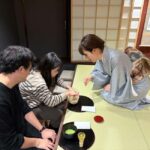
You’ll get an explanation regarding tea, including a matcha grinding demonstration. Then you do the tea ceremony experience in a more casual format.
At least one participant noted that it felt more like an informative session than a fully staged ceremony, and that they ended up making and drinking a cup of matcha rather than watching a long ritual. That’s still a win, in my view. You’ll leave knowing what to do with matcha at home or in a tea shop: grind, whisk, and taste.
Also, matcha quality and style matter for how the whole workshop lands. With the single-origin special matcha, you have something specific to pay attention to instead of generic green tea.
Finish: Eat, Drink, and Take Pictures
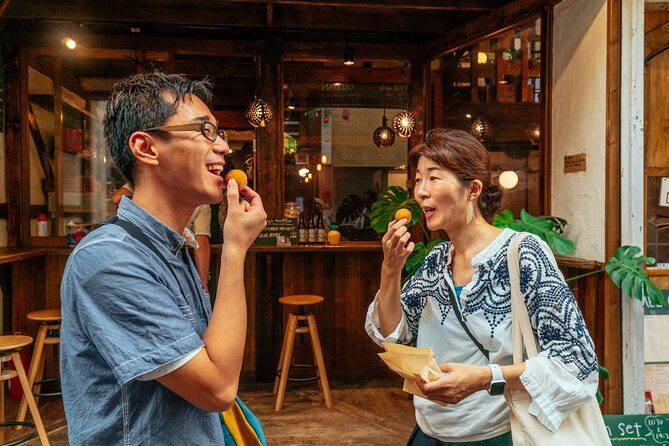
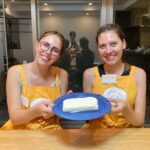
The experience closes with eating and drinking time and picture time. This is where it all comes together: you finally taste what you made, in order, and compare sweetness and texture across the different wagashi types.
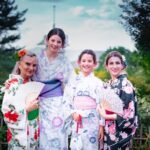
This final step is also helpful if you’re traveling solo or with friends. Food workshops can feel like a lot of action with no proof you did it. The picture time gives you a clean closer.
The Sweet-Making Part: Why Ohigashi and Nerikiri Feel Different

Even if you like Japanese sweets already, this pair of techniques teaches you something quickly: Japanese wagashi isn’t one category. It’s a set of methods shaped by texture.
Ohigashi (dried-type) teaches you about sugar handling and stability. The mention of Wasanbon tells you the workshop takes tradition seriously rather than using a generic sweetness.
Nerikiri (molded bean paste sweets) teaches you about precision. It’s softer, more shape-dependent, and often more visually intricate. Making two seasonal Nerikiri means you’ll see how the paste is treated differently depending on what form you’re trying to create.
In other words, this workshop gives you contrast. If you only did one kind of sweet, you’d miss why Japanese sweets artisans vary their processes. Here, you get both in one outing.
The Matcha and Tea Ceremony Piece: What You Gain Beyond a Drink
Plenty of workshops hand you tea at the end. This one focuses on the matcha process itself.
The matcha grinding demonstration is important because matcha powder doesn’t behave the same way if it’s processed and handled properly. When you grind and participate in the ceremony experience, you get a first-person connection between preparation and taste.
And the tea experience is practical. Even if you end up thinking the ceremony is more informational than ultra-formal, you still learn how the cup should taste and what to notice. That helps you order matcha later with more confidence, because you’ll know what you liked and what you want to replicate.
One more detail I appreciate: the workshop uses single-origin special matcha. That gives you a stronger reference point for flavor discussion, which makes the tea time feel more grounded and less like a general green tea lecture.
Value and Price: Is $28 Fair for 125 Minutes?

At $28 per person for about 125 minutes, you’re paying for more than tasting. You’re paying for materials, instruction, and three distinct parts: Ohigashi making, two Nerikiri sweets, and matcha grinding plus a ceremony-style tasting.
Here’s how I’d think about value as a traveler:
- You’re not just getting one craft. You’re making multiple items, then eating them. That reduces the usual cost-per-bite complaint.
- The ingredients are named: Wasanbon sugar for Ohigashi, Kyoto-linked bean paste, and single-origin special matcha. When an experience names ingredients like that, it usually means the quality is part of the point.
- The time is long enough to be real. 125 minutes is plenty for learning and actually producing something you can take photos of.
Extras exist if you want them: adding color (200 JPY), a sweets take-out box (100 JPY), and an experience completion certificate (300 JPY). If you don’t care about add-ons, your base price covers the core making and tea.
Who This Workshop Suits Best

This is a great fit if you want:
- A structured, hands-on Japanese food craft experience near major Kyoto transit
- A matcha experience that includes grinding and drinking, not only watching
- A seasonal wagashi focus, so your sweets feel tied to the time of year
- Enough English support to feel comfortable following steps, since English translation is provided as much as possible
It might be less ideal if you want a fully quiet, intimate private workshop atmosphere. If you’re easily bothered by noise, consider going when you expect smaller crowds. The experience quality can depend on group behavior, and at least one person noted a crowded, noisy room.
Quick Practical Tips Before You Go

- Wear something comfortable for food prep. You’ll be shaping paste and handling sticky textures.
- Expect stairs. Plan for walking inside the building.
- If you care about photos, keep your camera ready for the picture time at the end.
- Come hungry enough to enjoy tasting after you make the sweets. You’ll spend the last part eating and drinking.
Should You Book This Japanese Sweets and Matcha Workshop?
I’d book it if you want a Kyoto experience that’s genuinely participatory: Ohigashi plus two Nerikiri sweets, then matcha grinding and tea tasting. The ingredient details—Wasanbon, Kyoto bean paste, and single-origin matcha—signal that the workshop isn’t winging it.
Skip it (or at least rethink it) if you’re sensitive to group energy and you’re hoping for a super intimate tea-ceremony-only experience. This is structured and instructional, and the overall feel can vary with the room.
If you’re on the fence, pick it if your priority is making and tasting Japanese sweets you can talk about later, not just learning about them.
FAQ
What do I make during the workshop?
You make dried-type Japanese sweets called Ohigashi, and you also make two seasonal Nerikiri sweets using white/red bean paste. You’ll also grind matcha and take part in the tea ceremony experience.
How long is the experience?
The duration is 125 minutes, and the program runs from 10:00 to 17:00.
Where is the meeting point?
The meeting point is about a 1-minute walk from Exit 1 of the Karasuma Line Gojo Station. The store entrance faces Gojo-dori.
Is there English help available?
English translation is provided as much as possible. If you want to add English translation, you’re asked to contact the organizer.
How much does it cost?
The price is $28 per person.
Are there extra fees during the workshop?
Possible extras include adding color (200 JPY), a sweets take-out box (100 JPY), and an experience completion certificate (300 JPY).
Is the workshop wheelchair accessible?
Wheelchair accessible is stated, but there is no elevator in the building, so stairs are required to reach each venue.