Kyoto can be loud. This tea ceremony is the opposite. In Gion, you’ll sit close enough to actually see the care behind chanoyu, then you’ll learn the why as much as the how—history of tea, Zen philosophy, and the spirit of omotenashi (hospitality). I really like that it’s framed as approachable and meaningful, not stuffy, so you can jump in even if you’ve never done floor seating or Japanese rituals before.
Two things I especially like: you make your own bowl of matcha, and you get to do it while seated on chairs. The session also includes traditional sweets and a Q&A, so you leave with something practical to remember, not just photos. One possible drawback: the whole experience is about 1 hour, so if you want a long, multi-course tea journey, this won’t feel that long.
In This Review
- Key Highlights You’ll Actually Notice
- Where to Find the Ceremony in Kyoto’s Gion (and Why the Setting Helps)
- The Chair-Safe Chanoyu Setup: History, Zen, and Omotenashi
- Watching First, Then Trying: Your Matcha Lesson in Real Time
- Traditional Sweets During the Second Half: How They Fit the Tea
- Q&A Time: Turn What You Tasted Into Something You Understand
- Price and Value: $22.86 for Matcha, Sweets, and Close-Up Instruction
- Who Should Book This Kyoto Tea Ceremony (and Who Might Skip It)
- Should You Book This Traditional Tea Ceremony With Matcha and Sweets?
- FAQ
- FAQ
- How long does the tea ceremony last?
- Where is the meeting point in Kyoto?
- Do I need to sit on the floor?
- What’s included in the experience?
- Will there be a Q&A?
- How large is the group?
- What ticket do I need?
- What’s the cancellation policy?
Key Highlights You’ll Actually Notice
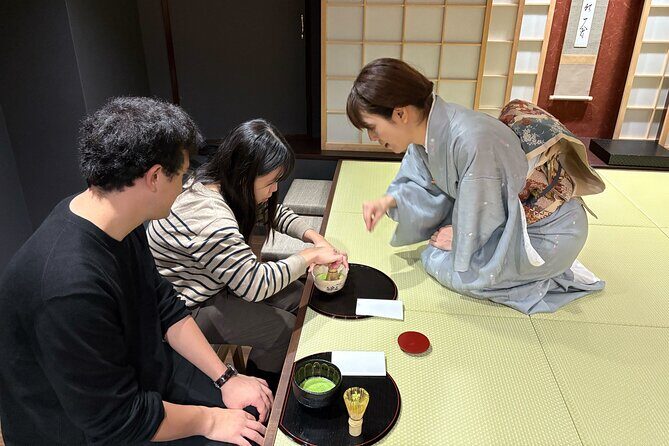
- Chair seating for chanoyu: you experience the ritual without needing to sit on the floor.
- Close-up tea master technique: you watch authentic movements up close, not from the back row.
- Matcha whisking, hands-on: you’ll make your own bowl using premium tea.
- Sweets in the second half: you taste traditional wagashi from long-established artisans.
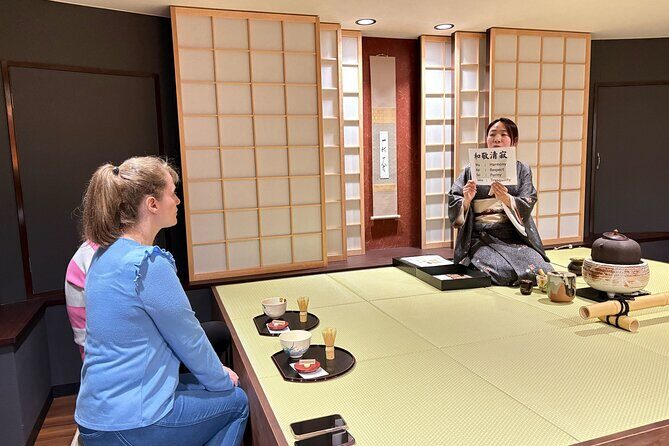
- Tea culture context: history, Zen philosophy, and omotenashi are part of the lesson.
- Small group size (max 13): more time to ask questions and keep the pace calm.
Where to Find the Ceremony in Kyoto’s Gion (and Why the Setting Helps)
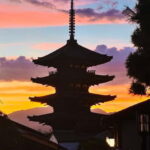
You’ll start in Kyoto’s Higashiyama Ward, right in the Gion area—at 1 祇園田中屋ビル (Yamatochō). That matters more than it sounds. Gion is one of those neighborhoods where you can feel the old Kyoto vibe without needing to hunt for a museum ticket. Walking there before your session makes the whole ritual click faster.
The meeting point is also described as near public transportation, which is useful in Kyoto, where you’ll often be moving between neighborhoods. And because the experience ends back at the meeting point, you’re not stuck figuring out a new endpoint after you’ve had matcha.
This is a small-group format (up to 13 travelers). That size keeps things personal. You’re not competing for attention while a group leader rushes to finish on time. It also makes the lesson feel more like a conversation that happens to include a traditional tea ritual.
One more practical note: you’ll use a mobile ticket. Kyoto is great, but paper slips can vanish fast in a day of walking. A phone ticket is the sensible choice.
A few more Kyoto tours and experiences worth a look
The Chair-Safe Chanoyu Setup: History, Zen, and Omotenashi
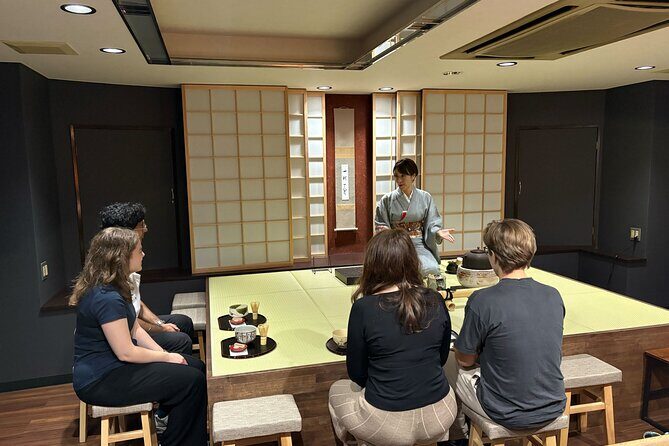
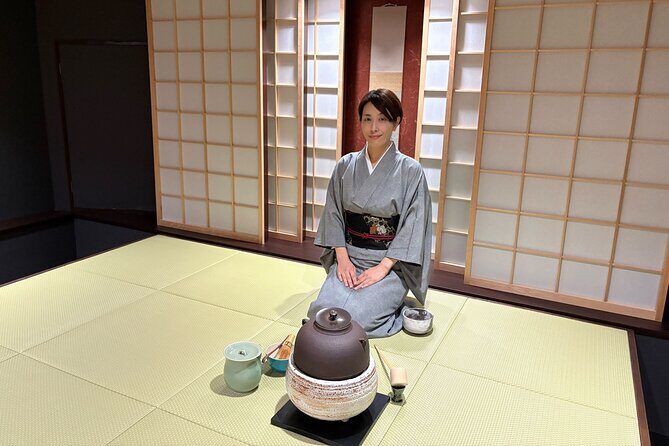
This experience is built to feel traditional, but not intimidating. Many tea ceremonies are known for floor seating and formal strictness. Here, you sit on chairs, which means you can focus on the ceremony instead of fighting your legs or worrying about posture.
From the start, you explore the story behind tea in Japan and how Zen philosophy shaped the heart of the ceremony. You also get the human side: omotenashi, meaning hospitality and care shown through small actions. Even if you’ve never studied Japanese culture, you’ll understand the idea quickly: this is a ritual designed around respect—for guests, for tools, and for the moment.
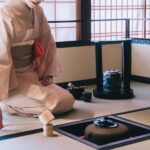
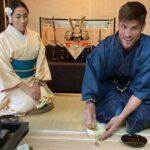
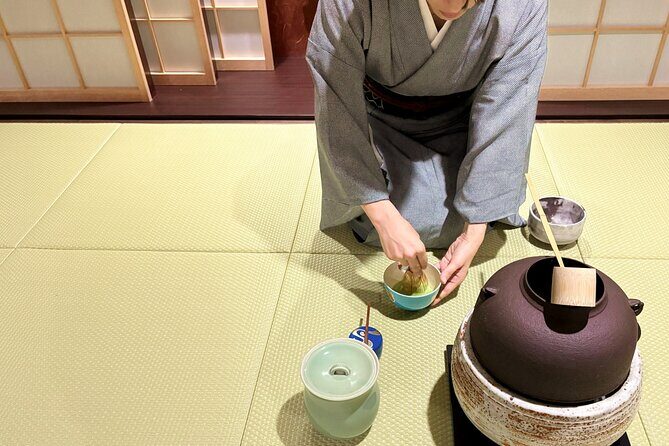
Then you watch the tea master perform techniques up close. The lesson approach is important: you’re not just observing from a distance. You’ll see how every motion is purposeful, even when it looks slow or simple. That close view helps you understand what beginners usually miss, like why certain steps are done in a specific order.
In past sessions, tea masters such as Mitsune and Yuki have been praised for bringing real insight into the philosophy, not only the steps. That shows you what to look for: the best teachers don’t just recite tradition—they connect it to how you should feel while doing it.
A final touch I appreciate in this format is the tone. It’s described as welcoming and accessible, aiming to share the beauty of tea ceremony in a comfortable way. That’s a big deal if you’re traveling with limited mobility or simply want a calm, low-stress introduction.
Watching First, Then Trying: Your Matcha Lesson in Real Time
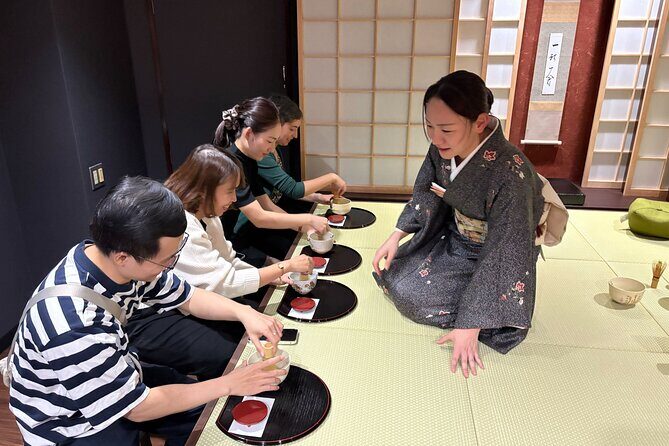
The session is hands-on, but it’s not thrown at you all at once. You’ll first observe authentic technique performed by the tea master. That lets you watch the flow—how the tools are handled, how attention is placed, and how the ritual steps fit together like a small choreography.
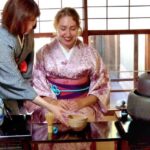
After that comes your turn: you’ll whisk your own bowl of matcha. You’re not just tasting pre-made tea. You’re learning what it feels like to produce matcha the way it’s intended—using premium tea sourced from a family-run farm (as described).
Here’s why this matters for you as a traveler: Kyoto can tempt you into doing activities that are mostly photo stops. This one gives you a repeatable memory. If you later buy matcha in Japan, you’ll taste it differently because you learned how it behaves when whisked properly.
I also like that the experience keeps the pace supportive. The goal isn’t to test you. It’s to help you do it correctly enough to understand the craft. You’ll get the guidance you need, then a chance to practice the motions yourself.
If you’re nervous about technique, you can treat this like a cooking class where the chef is teaching you the logic of each step. The ritual part is the structure; the teaching part is what makes it land.
Traditional Sweets During the Second Half: How They Fit the Tea
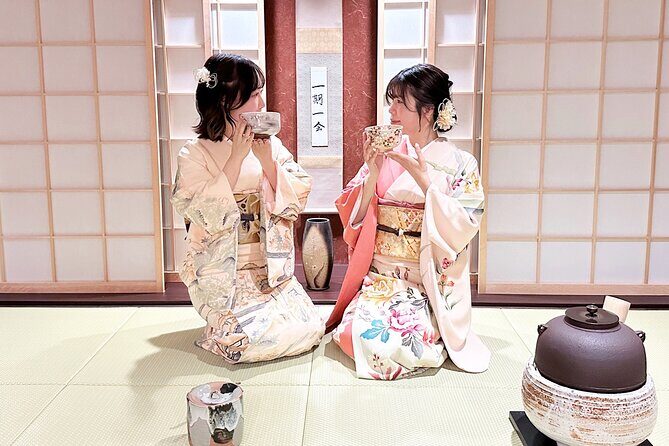
Halfway through, you shift from making and observing matcha to savoring traditional sweets. These aren’t described as generic snacks. The sweets are selected from long-established artisans, which signals that this is meant to be part of the tea experience, not an afterthought.
In practical terms, wagashi (tea sweets) change the experience. Matcha is grassy and intense, with a deep, slightly bitter character. Sweets balance that with shape, sweetness level, and texture—so you can taste the matcha more clearly, instead of getting hit with one flavor direction the whole time.
Because this is in the second half, the order also works. You build the matcha foundation first—how to prepare it and what to pay attention to. Then you taste and learn how sweets interact with that flavor profile.
One small “consideration” you might keep in mind: if you’re sensitive to sweetness or have dietary restrictions, you should check before you go. The data provided doesn’t list ingredients or allergy options, so the safest move is to ask in advance when confirming your booking.
Q&A Time: Turn What You Tasted Into Something You Understand
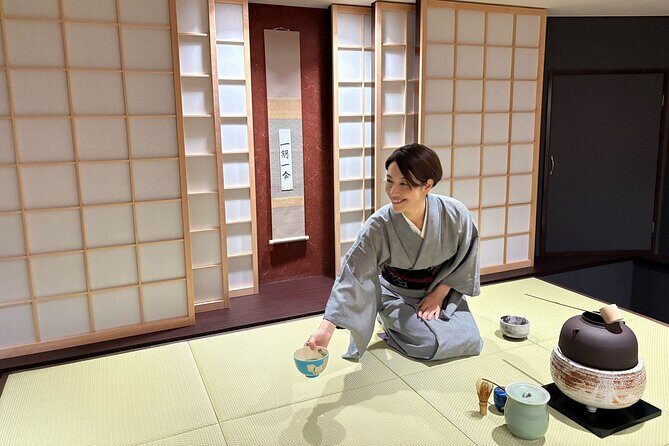
At the end, you get a Q&A session. This is where a good tea ceremony becomes useful. Without Q&A, you can leave with a nice memory but still wonder things like: Why this step? What’s the point of that tool? How do Zen ideas show up in normal behavior?
The Q&A gives you a chance to connect what you did—watching, whisking, tasting—back to the meaning you were taught earlier. You’ll also get a deeper understanding of the ceremony’s heart, especially the link between Zen philosophy and how guests are treated.
In similar sessions led by instructors like Mitsune and Yuki, people have highlighted the warmth and clarity of the teaching. That usually means the Q&A isn’t just quick answers. It’s a chance to make sure you understood the message behind the ritual.
A few more Kyoto tours and experiences worth a look


Price and Value: $22.86 for Matcha, Sweets, and Close-Up Instruction
At $22.86 per person for about 1 hour, this isn’t a budget snack. But it also isn’t an expensive “luxury only” performance. For the price, you’re getting a lot of value that’s hard to recreate on your own.
What you’re paying for:
- Hands-on matcha whisking using premium tea
- Traditional sweets from established makers
- A guided explanation of tea history, Zen influence, and omotenashi
- Close-up watching of authentic technique
- A Q&A at the end
- A small group size (max 13), which makes instruction more personal
Could you buy matcha and sweets in Gion for less? Sure. But you won’t get the technique lesson, the context, or the ritual structure that explains how to experience tea properly.
And in a city like Kyoto, timing matters. Spending an hour well beats spending three hours piecing together “tea stuff” that doesn’t connect. This is designed to be a focused stop that improves how you understand the rest of your trip.
Who Should Book This Kyoto Tea Ceremony (and Who Might Skip It)
Book it if:
- You want a first-time-friendly introduction to Japanese tea culture.
- You want to make matcha yourself, not just taste it.
- You prefer a small, calm setting in Gion rather than a large, noisy group tour.
- You care about meaning—history, Zen philosophy, and hospitality—along with technique.
You might consider skipping if:
- You’re specifically looking for a long, formal ceremony with extended courses. This is about an hour.
- You want a purely cultural show with no hands-on component. This one is hands-on by design.
Also, if you’ve got limited mobility concerns, the chair seating is a major plus. The whole experience is framed so you can participate without needing floor seating.
Should You Book This Traditional Tea Ceremony With Matcha and Sweets?
My take: yes, it’s a strong booking for most people doing Kyoto for the first time. You get the key ingredients—matcha you whisk yourself, sweets that belong to the ritual, and a teacher who explains what the ceremony is really about. The small group size keeps it comfortable, and the chair setup makes it accessible without turning it into something watered down.
If your schedule is tight or you want one meaningful activity that doesn’t eat your whole day, this fits well. If you’re chasing a super long, high-formality tea marathon, you might want a different type of ceremony.
FAQ
FAQ
How long does the tea ceremony last?
The experience is approximately 1 hour.
Where is the meeting point in Kyoto?
You meet at Japan, 605-0802 Kyoto, Higashiyama Ward, Yamatochō, 1 祇園田中屋ビル, and the tour ends back at the meeting point.
Do I need to sit on the floor?
No. Guests are seated on chairs, so you can take part without floor seating.
What’s included in the experience?
You’ll learn the history of tea in Japan, watch the tea master’s techniques, prepare and whisk your own bowl of matcha, and enjoy traditional sweets. There’s also a Q&A at the end.
Will there be a Q&A?
Yes, the session ends with a Q&A to deepen your understanding.
How large is the group?
The maximum group size is 13 travelers.
What ticket do I need?
You’ll receive a mobile ticket.
What’s the cancellation policy?
You can cancel for free up to 24 hours in advance of the experience’s start time for a full refund, based on local time.
If you want, tell me your travel dates and what else you’re doing in Kyoto that day, and I’ll suggest a smart time slot around your schedule.