Sweet tooth, meet Kyoto.
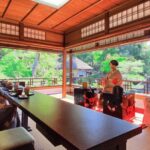
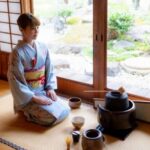
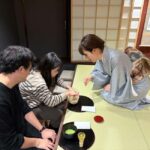
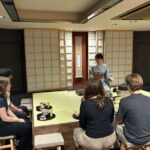
This wagashi class is set in an authentic Japanese-style house, where the vibe feels like you’re being invited in for tea, not herded through a factory-like workshop. You’ll sit in a traditional room, make about three Japanese sweets, then enjoy what you made with matcha and a garden view.
Two things I really like: the hands-on cooking (you actually work on the sweets, not just watch) and the fact that the class is taught in English by licensed guide interpreters. One possible drawback to plan for: there’s no hotel pick-up, so you’ll want to be ready to make your own way to the meeting point near public transportation.
In This Review
- Key highlights at a glance
- A calm, traditional setup near Fushimi Inari
- How the class flows: demo, then you cook, then you eat
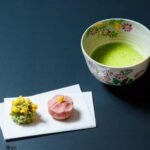
- What wagashi looks like when you make it yourself
- The tea moment: matcha in a traditional room changes the whole vibe
- Take-home recipes: real value for your kitchen back home
- Dietary options: vegetarian and vegan friendly with advance notice
- English instruction that keeps the class moving
- Small group (max 6) means you get real attention
- Price and value: what $79.26 buys you in Kyoto sweets
- When this class is a great match (and when it’s not)
- Should you book the Kyoto wagashi class near Fushimi Inari?
- FAQ
- How long is the wagashi cooking class?
- Where does the class start and end?
- Is the class taught in English?
- How many people are in the group?
- What’s included in the price?
- Are vegetarian or vegan guests welcome?
- Do I get recipes to take home?
- Is hotel pick-up included?
- Can I get a refund if my plans change?
Key highlights at a glance
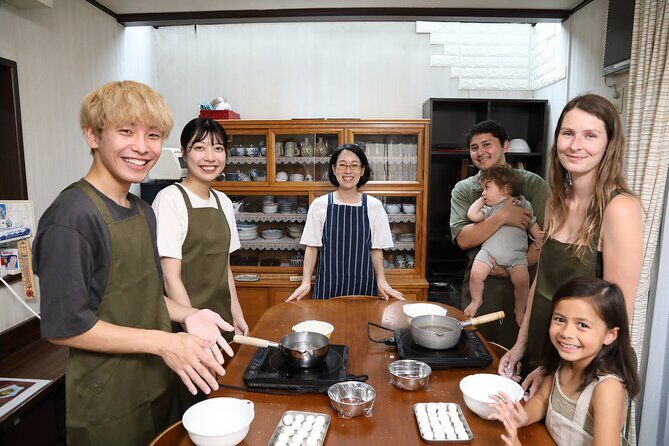
- Max 6 people: a relaxed pace and more time with the instructor
- You make about 3 wagashi: demo first, then you do the steps yourself
- English-led class: licensed guide interpreters explain clearly throughout
- Traditional room + matcha: you taste your work together with tea and a garden view
- Vegetarian and vegan friendly: tell them dietary restrictions in advance
- Take-home recipes: all recipes from what you prepare
A calm, traditional setup near Fushimi Inari
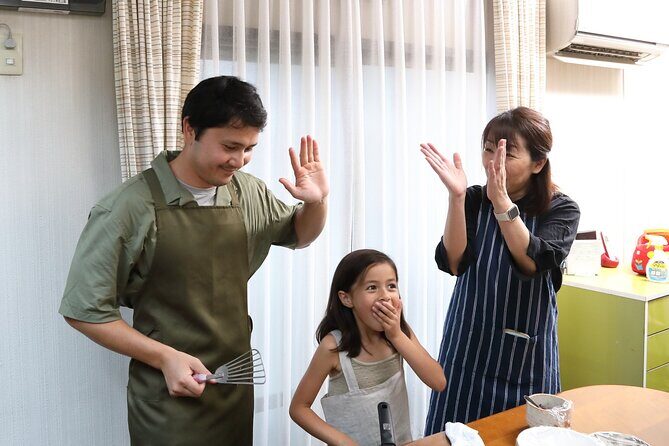
The meeting point is at 38-4 Fukakusa Watamorichō, Fushimi Ward, Kyoto, and the class ends back there. Even though you’ll be close to the Fushimi Inari area, the experience itself is meant to slow you down. When you arrive, you’re not rushing into a kitchen line. Instead, you start by relaxing in a traditional Japanese room—the kind of setting that makes wagashi feel connected to everyday Japanese culture rather than just food as a souvenir.
The experience is held in an authentic Japanese-style house with traditional rooms and a garden view. That matters more than you’d think. Wagashi is as much about the experience as the flavor: the look, the texture, the seasonal feel, and the way it’s served with tea. In this kind of space, you’ll understand why people take it seriously.
One practical plus: the class is near public transportation. Also, you get a mobile ticket, so you don’t need to wrestle with paper in transit. If you’re the type who likes to get your bearings fast, plan to arrive a little early, then use the time to settle in before cooking starts.
Other cooking classes in Kyoto


How the class flows: demo, then you cook, then you eat
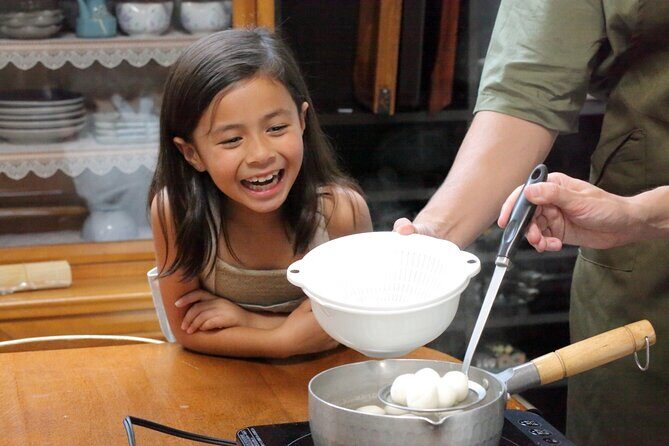
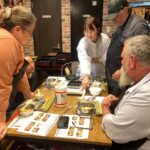
The class runs about 2 hours 30 minutes, and the structure stays simple and clear. First comes the relaxed start in the traditional room. Then you’ll prepare about three different types of wagashi, working either on your own or with a partner, depending on what the group does that day.
Here’s the key part: your instructor demonstrates steps in front of you before you start cooking. That’s a big deal for wagashi, because techniques like forming, shaping, and timing can be tricky if you only have a vague idea from photos. The demo gives you the “why” behind the actions, and then you get to practice immediately.
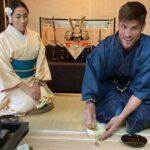
After you finish making the sweets, you and the other participants sit together to enjoy them. You’ll also have a cup of matcha, and this is where the experience becomes more than a class. It’s a shared pause—tea in a traditional room, food you made, and a garden view to keep the pace from feeling rushed.
The class is conducted entirely in English, and the instructors are licensed guide interpreters. So you’re not stuck piecing together food instructions with translation apps. Even if your Japanese is limited, you’ll still be able to follow along because the teaching is built for clear understanding.
What wagashi looks like when you make it yourself
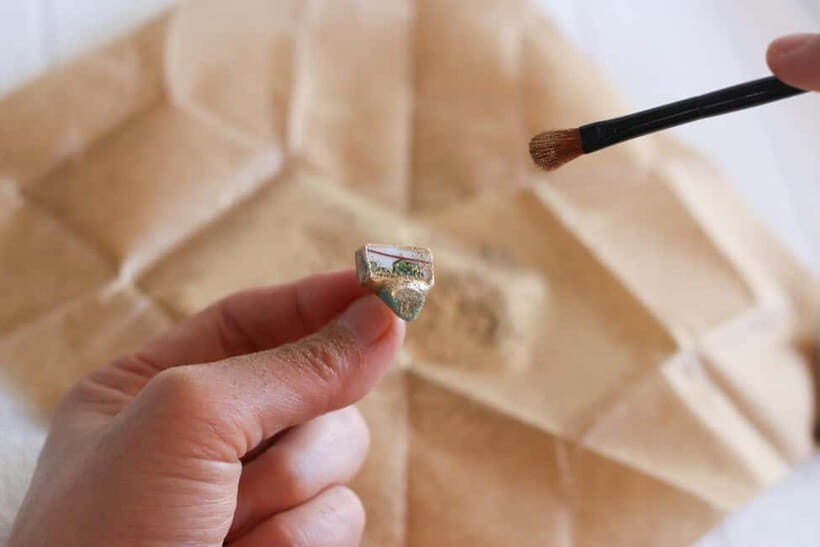
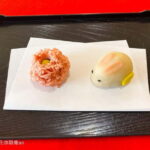
Wagashi can feel mysterious before you try it. It’s delicate, often shaped into seasonal forms, and the flavors can be subtle but memorable. In this class, you’ll get a hands-on feel for how Japanese sweets are built—both in texture and in sweetness balance.
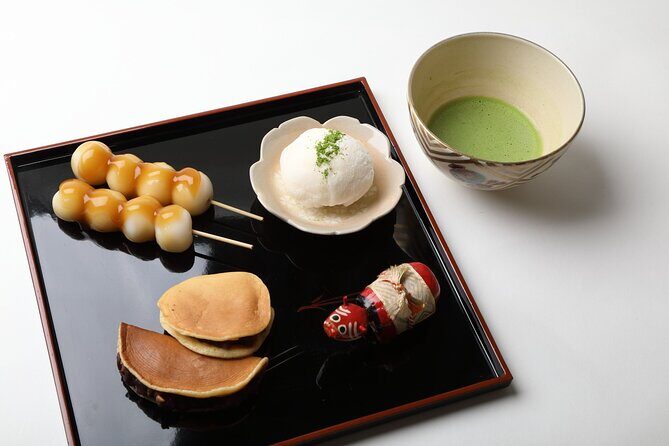
You’ll make about three wagashi types during the session. From the experience notes and real feedback, some sweets from this class include black sesame mochi and mitarashi dango. If you’ve had either before, you’ll probably notice how different it is when you cook it rather than buy it. If you haven’t, you’ll get a shortcut to understanding what people love about them.
- Black sesame mochi: that deep sesame flavor can be surprisingly addictive once you taste it fresh and get the texture right. One participant was already into it during the class and left obsessed, which is a pretty good sign you’ll enjoy it too.
- Mitarashi dango: many people know dango from street stalls, but wagashi-style teaching helps you understand the glaze balance—sweetness, stickiness, and that comforting chew.
Your third sweet may vary since the class introduces “three popular” desserts, but the point stays the same: you’ll learn processes you can repeat at home, not just memorize a recipe list. You’ll also get insight into techniques that show up across Japanese sweets, even when the final shapes differ.
The tea moment: matcha in a traditional room changes the whole vibe
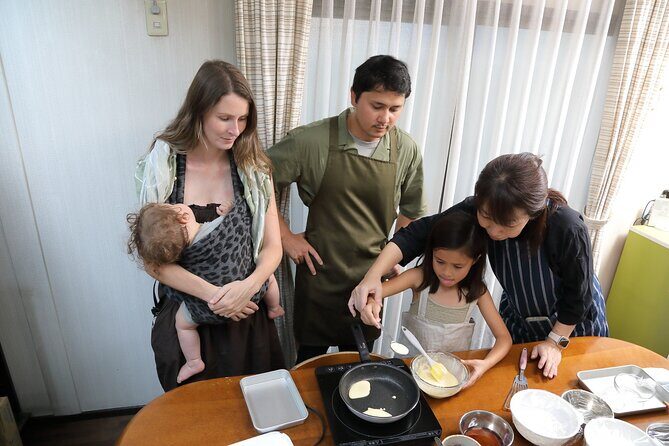
I like that this class doesn’t end the moment the sweets are done. You sit down and enjoy your creations together with matcha. In many food experiences, there’s a “cook fast, eat later” feel. Here, the sitting part is built in, and it helps you slow down enough to actually taste and compare.
Also, the garden view is part of the payoff. Even if the Kyoto outside world is moving fast, the classroom experience is designed to feel steady. You’ll be able to enjoy the sweets at the right moment, when they’re best, and notice differences in texture and sweetness you might miss if you’re eating in a hurry.
If you’re someone who likes food experiences that include atmosphere (not just instruction), this is one of those classes that gets the mood right.
Take-home recipes: real value for your kitchen back home
One of the best parts of the experience is that you get all the recipes for the desserts you make. That turns the class into an “I can repeat this” skill, not a one-time tasting.
Think about it: Kyoto is full of delicious food, but you can’t exactly bring the same ingredients and timing back home. Recipes bridge that gap. And because the class is run as a hands-on cooking session, the recipes aren’t random. They’re the same instructions you followed during the class, which makes them easier to understand when you’re cooking later without an instructor beside you.
If you plan to cook for family or friends, this is where the experience pays off. You can explain what you learned, not just say you ate it in Kyoto.
A few more Kyoto tours and experiences worth a look


Dietary options: vegetarian and vegan friendly with advance notice
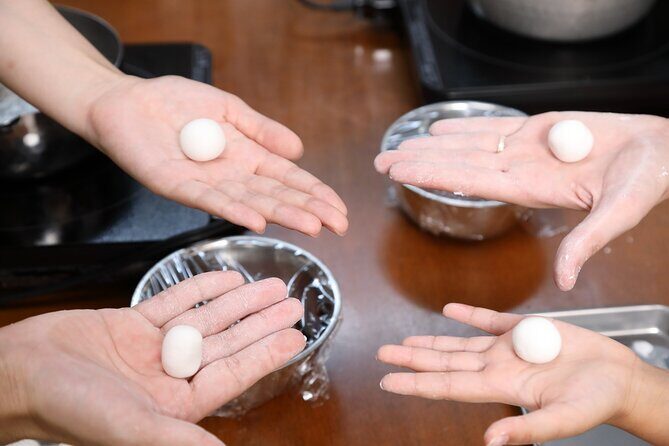
Good news here: the class is vegetarian welcome and vegan friendly. The important detail is to let them know ahead of time about dietary restrictions. That’s not just courtesy. Wagashi depends on specific ingredients, and small ingredient swaps can change texture.
So if you’re vegan or vegetarian, message them early with what you need to avoid. Then you can enjoy the class without feeling like you’re watching from the sidelines while everyone else cooks something else.
If you have allergies or strict dietary needs beyond vegetarian/vegan, the only safe move is to confirm directly with the provider before you go, since the data you have only states vegetarian/vegan friendliness generally.
English instruction that keeps the class moving
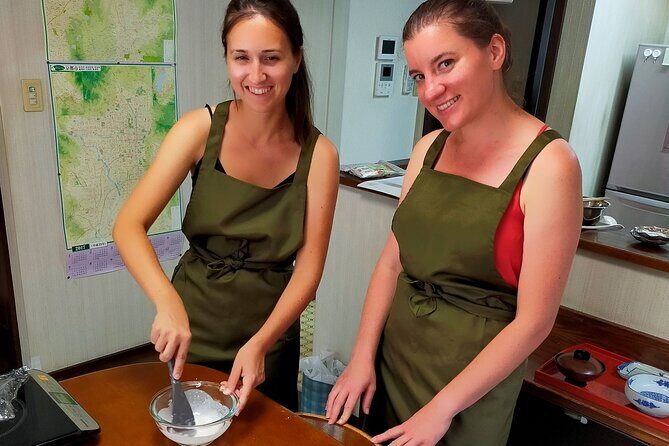
You’ll hear a lot of phrases online about English-friendly experiences, but this one makes the promise in a clear way: the class is entirely conducted in English. It’s also taught by instructors who are licensed guide interpreters, which matters because cooking classes need more than basic English—they need clear step-by-step explanation.
This is also a good option if you’re traveling with non-English speakers. The information is presented so participants can understand it, even if they don’t speak English themselves.
I’d also keep this in mind: wagashi instruction includes hands-on technique. Having it explained in your language makes it easier to troubleshoot when something feels off. That’s part of the reason small group teaching works—less waiting, more immediate support.
Small group (max 6) means you get real attention
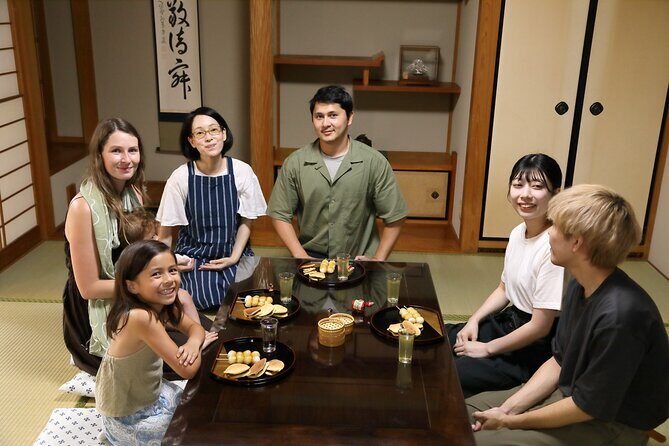
The group size is limited to six travelers. That changes the feel. In larger groups, instructors can only correct a few people before time runs out. Here, you’re more likely to get help when you need it.
You can also join even if you’re coming alone. That’s another underrated part of small group classes: you’re not forced into social awkwardness or stuck watching other people eat while you wait. You’ll be cooking and sitting together, which makes it easier to find your rhythm.
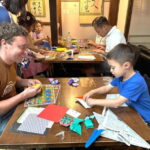
This also shows up in the overall tone of the experience: relaxed, organized, and not too formal. One family experience focused on teenagers doing well with the process, which tells me the class doesn’t talk down to younger cooks. If your group is curious and willing to try, you’ll probably have a good time.
Price and value: what $79.26 buys you in Kyoto sweets
At $79.26 per person, this isn’t a cheap snack stop. But it’s also not priced like a museum ticket. It’s priced like instruction plus ingredients plus a sit-down tea experience in a traditional house.
Here’s what you’re getting that supports the cost:
- all seasonings and ingredients for cooking
- an English-speaking instructor
- all fees and taxes included
- coffee and/or tea
- recipes for everything you make
And you’re doing it in a group capped at 6, so the instruction time per person is likely better than a big class. You’re also learning three desserts in one sitting, which reduces the “I paid for one bite” feeling you get with some food tours.
Not included items are pretty standard: gratuity isn’t part of the price, and there’s no hotel pick-up/drop-off. If you have to take a taxi from far away, your total cost rises. But if you’re already near Fushimi Inari or within a practical commute, the value gets much easier to swallow.
When this class is a great match (and when it’s not)
This is a strong pick if you:
- love Kyoto culture beyond temples and photos
- have a sweet tooth and want to learn the “how”
- want a hands-on activity that still feels calm and traditional
- want a workable plan for a family group, including teenagers
- care about dietary options like vegetarian or vegan cooking (with advance notice)
You might skip it if you:
- want a walking tour component, because this experience focuses on the cooking class itself
- need hotel pick-up or door-to-door service, since you’ll make your own way to the meeting point
- are trying to stack it with tight sightseeing schedules, because 2 hours 30 minutes will take real time out of your day
Also note that the experience requires good weather. If it’s canceled due to poor weather, you’ll be offered another date or a full refund. That’s worth keeping in mind when you plan around Kyoto’s seasonal mood swings.
Should you book the Kyoto wagashi class near Fushimi Inari?
If you want something genuinely Kyoto that isn’t just eating, I think this is worth booking. The mix of hands-on wagashi making, small group size, and a structured sit-down finish with matcha gives you both skills and memory. The fact that you take home the recipes is the big “future value” advantage.
Book it if you’re excited by Japanese sweets you may have seen in anime or manga, or if you simply want to leave Kyoto with a new technique you can actually use later. If you’re vegan or vegetarian, message ahead so you can cook comfortably.
And if you’re on the fence mainly because of the price: remember that ingredients, instruction, tea, and recipe handouts are included. You’re paying for guided learning in a traditional setting—not just for tasting.
Go in with a relaxed mindset. You’ll learn, you’ll eat what you made, and you’ll probably leave thinking about black sesame mochi or mitarashi dango long after the class ends.
FAQ
How long is the wagashi cooking class?
The class lasts about 2 hours 30 minutes.
Where does the class start and end?
It starts at 38-4 Fukakusa Watamorichō, Fushimi Ward, Kyoto, and it ends back at the same meeting point.
Is the class taught in English?
Yes. The class is conducted entirely in English.
How many people are in the group?
The class has a maximum of 6 travelers.
What’s included in the price?
The price includes all seasonings and ingredients, an English-speaking instructor, all fees and taxes, and coffee and/or tea.
Are vegetarian or vegan guests welcome?
Yes. Vegetarian guests are welcome, and the experience is vegan friendly. Let them know in advance about dietary restrictions.
Do I get recipes to take home?
Yes. You receive all the recipes of the desserts you prepare.
Is hotel pick-up included?
No. Hotel pick-up and drop-off service are not included.
Can I get a refund if my plans change?
Yes. You can cancel up to 24 hours in advance for a full refund. The experience also requires good weather, and if it’s canceled due to poor weather, you’ll be offered a different date or a full refund.