Nara rewards smart planning, not just fast sightseeing. This private 8-hour day trip lets you choose 3 to 4 sites from the Nara core list, then walk the day with a government licensed multilingual English-speaking guide. I especially like the way it mixes “big-name” places like Todaiji and deer in Nara Park with slower, human-scale spots like Naramachi and gardens. One drawback to plan for: tickets and transport costs are on you, and it’s a lot of walking for one day.
The best part is control. You tell your guide what you care about, and the route can flex around crowds, weather, and your pace. Still, because it’s a walking-focused day from Kyoto, you’ll get the most value if you’re comfortable moving between stops and buying any needed entrance tickets yourself.
In This Review
- Key things I’d aim for on this tour
- Nara in One Day: the deer, the temples, and why a guide changes everything
- Price and logistics: what $201.51 really covers
- Your 8-hour plan from Kyoto: how to make it feel un-rushed
- Picking your 3–4 stops: the best combinations for different moods
- For first-timers who want the Nara essentials
- For history and architecture fans
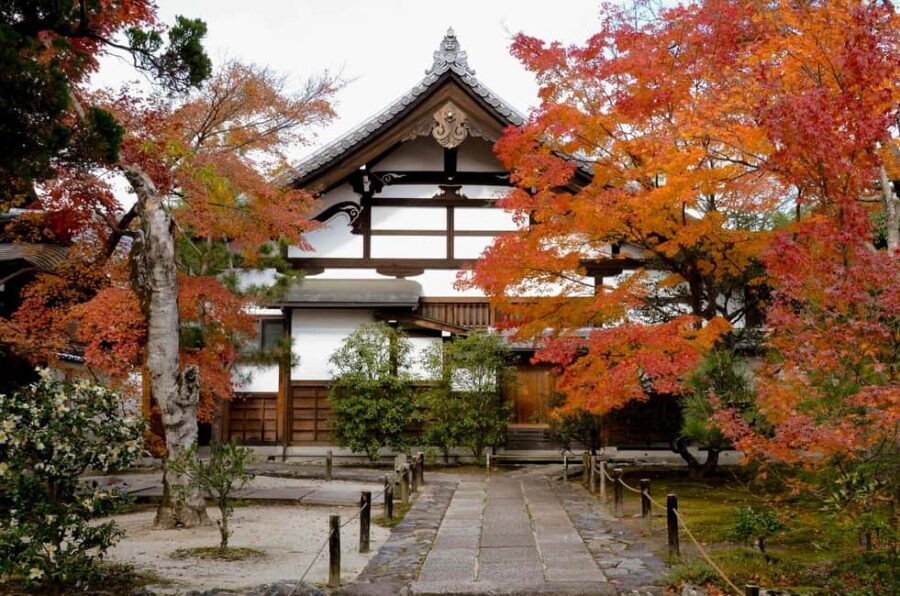
- For a calmer day with photos and walking
- Stop-by-stop: what you’ll experience (and what to watch for)
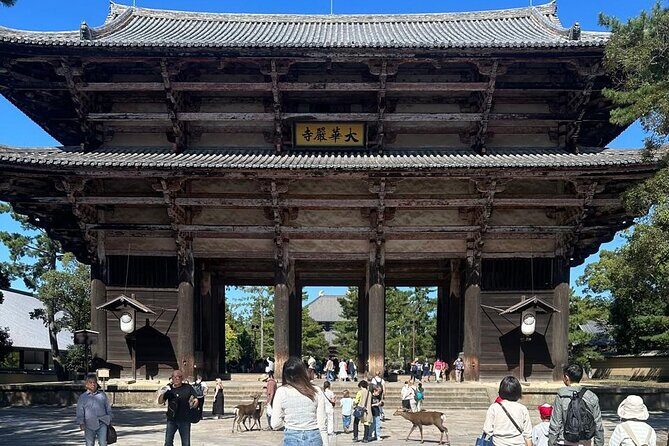
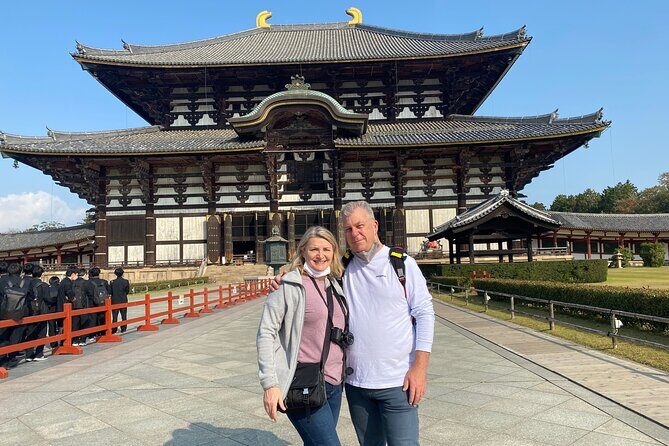
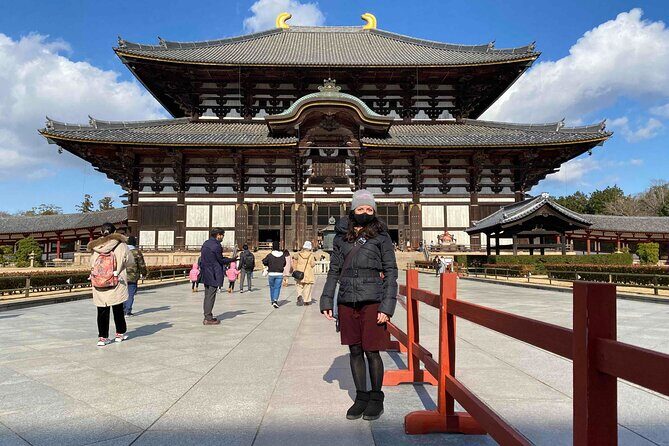
- Todai-ji Temple: the moment you understand why it’s famous
- Nara Park: deer up close, plus the sacred “park advantage”
- Kasuga Taisha Shrine: lantern paths and a softer spiritual rhythm
- Wakakusayama Hill: the view stop that costs energy
- Horyu-ji Temple: early Buddhism, older buildings, a different tempo
- Kōfuku-ji: a lesson in power and change
- Yakushiji and Shin-Yakushiji: symmetric temple layouts and medicine-buddha focus
- Nara National Museum: the indoor option when weather or crowds get loud
- Heijō Palace Site Historical Park: the capital without the crowds of a temple
- Toshodai-ji: Ganjin’s influence and Nara’s Buddhist networks
- Isuien Garden and Yoshikien: garden time with “borrowed scenery”
- Naramachi: the Edo-era merchant district that feels like daily life
- What the best guides tend to do (and how you can benefit)
- Who this tour is best for
- Should you book the Nara 8-hour Private Tour from Kyoto?
- FAQ
- What is included in the tour price?
- Is this tour a private experience?
- Is it a walking tour or is there a vehicle?
- How many sites will we visit in Nara?
- Are entrance tickets included?
- Do we get a ticket on our phone?
- How quickly will we get confirmation after booking?
- Are there any cancellation rules to know?
- Is the guide required to speak English?
Key things I’d aim for on this tour
- Pick 3–4 highlights so you don’t get railroaded through the whole city
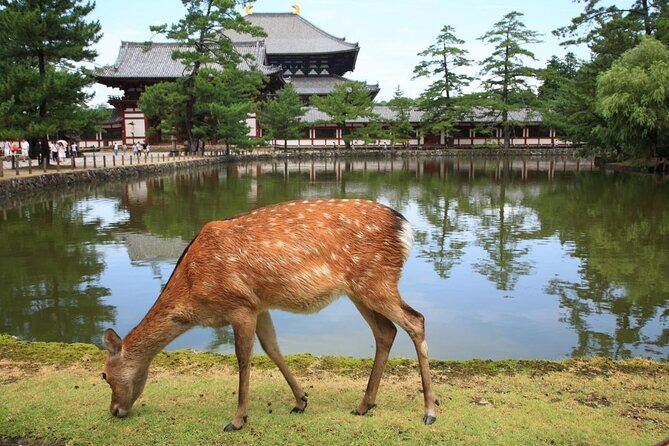
- Todaiji + Nara Park + Kasuga Taisha is a powerful first-day combo
- Naramachi old streets add that Edo-era feel beyond the temples
- Optional temple and garden stops let you lean history, architecture, or quiet time
- Licensed local guides often fine-tune the day for pacing, photos, and lunch
Nara in One Day: the deer, the temples, and why a guide changes everything
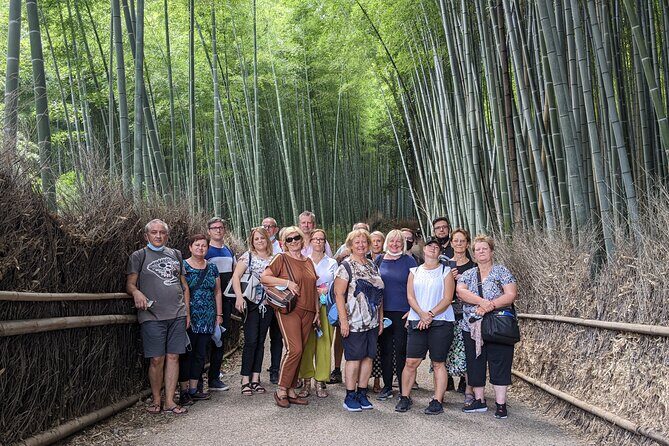
Nara is the kind of place where it’s easy to “see stuff” and still miss the meaning. A guided day fixes that fast. You’ll walk from one important landmark to the next with context for why each site exists, how the buildings fit into Japanese religious life, and what to look for while you’re there.
I like how the route naturally creates contrast. You go from Todaiji’s monumental scale to the open, almost chaotic energy of Nara Park (with deer that act like they’ve been waiting for you). Then you can shift to calmer Nara streets and gardens, where the day feels less like a sprint.
The other reason this works is simple: your guide is local and adjust-y. Names like Junichi, Ken, Haru, Yuka, and Taku pop up in guide stories, and the common thread is clear communication and real prep. Some guides are praised for planning that keeps the day moving without wasting time, and for helping with practical stuff like public transportation navigation.
A few more Kyoto tours and experiences worth a look
Price and logistics: what $201.51 really covers
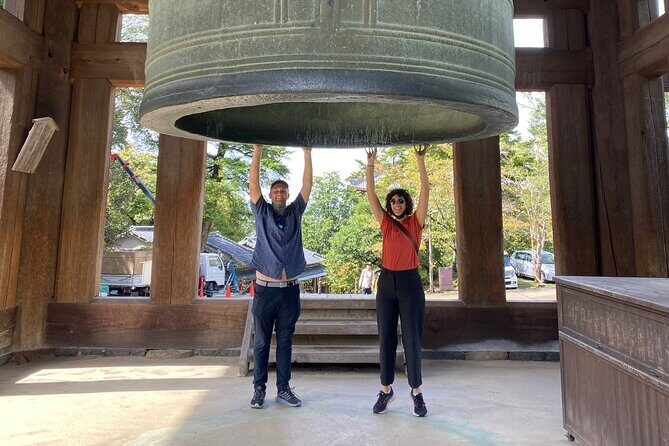
At about $201.51 per person, this is not a cheap “bus tour.” What you’re paying for is the private structure plus a licensed guide doing all the interpretation and route management while you walk.
What’s not included matters:
- Transport fees (so factor in the cost to get to Nara from Kyoto)
- Entrance fees (some stops list admission as not included)
- Lunch
- Any extra personal expenses
That means you’ll get better value if you already know which 3–4 stops you want most. If you’re unsure, let the guide help—but choose with your feet in mind. There’s only so much you can comfortably do in 8 hours, especially if you add hills or museums.
Also note: this is a private activity, and it’s a walking tour. “Pickup offered” in this setup means you meet your guide within a designated Kyoto area, and you’re on foot for the walking plan rather than getting driven around inside the city.
Your 8-hour plan from Kyoto: how to make it feel un-rushed
Think of the day as two phases: iconic Nara core first, then optional “choose your flavor” stops.
Because you pick 3–4 sites, the guide can protect your day from two common problems:
- Over-ambitious checklists that leave you tired and annoyed.
- Crowds that make you lose time and attention.
Todai-ji, Nara Park, and Kasuga Taisha form the core “instant Nara” loop. Then you can add something that matches your interests:
- More early Japanese Buddhism (Horyu-ji, Yakushiji, Toshodai-ji)
- Old-town streets and daily life (Naramachi)
- Quiet architecture or garden time (Isuien, Yoshikien)
- Museum or palace archaeology (Nara National Museum, Heijō Palace Site)
Your guide may also help with “how to move” during the day. One guide story notes help with train navigation and public transit basics, and that’s huge if you plan to continue traveling on your own after the tour.
Picking your 3–4 stops: the best combinations for different moods
Here’s the practical way to choose. Pick one anchor, one “outdoor mood” stop, and one bonus.
For first-timers who want the Nara essentials
- Todai-ji
- Nara Park (deer + big central area)
- Kasuga Taisha
- Add either Naramachi or Wakakusayama Hill depending on your energy
This combo gives you temples, sacred forest paths, and deer in one day without turning it into a long museum run.
Other guided tours in Kyoto



For history and architecture fans
- Horyu-ji
- Tōshōdai-ji (Toshodaiji)
- Kōfuku-ji
- Add Yaku-shiji (Yakushiji) or a garden stop if you want a slower break
This leans into older temple eras and big structural details.
For a calmer day with photos and walking
- Naramachi
- Isuien Garden
- Yoshikien
- Add Nara Park only if you’re ready for deer time
You’ll still see major landmarks, but you’ll spend more time in spaces that feel less like a crowd funnel.
Stop-by-stop: what you’ll experience (and what to watch for)
You won’t visit every stop listed, but you’ll recognize the “feel” of each option if it’s included on your day.
Todai-ji Temple: the moment you understand why it’s famous
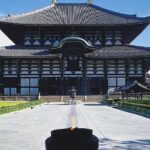
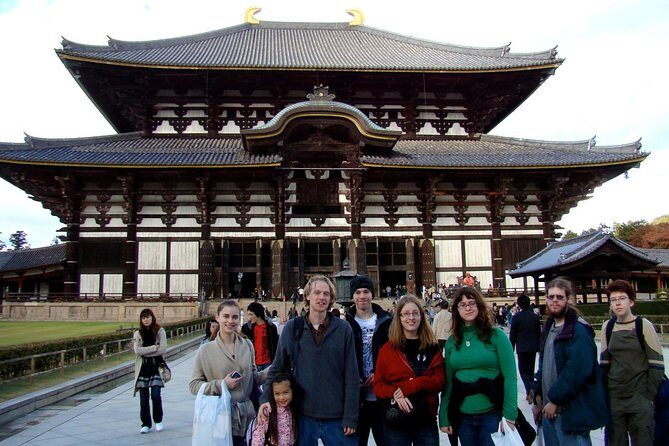
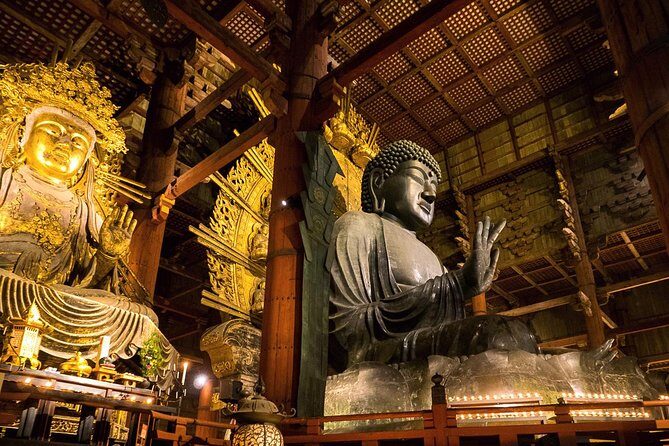
Todai-ji is your big scale opener. You’ll step into Japan’s temple tradition where importance is measured in size and symbolism, and your guide can point out what to look at as you move through the complex.
Practical note: admission is typically not included here, so expect to pay the entry fee. Also, Todaiji can be crowded with school excursion groups. One guide story specifically mentions students lining up and trying to crawl through a hole in a huge pillar, a tradition tied to academic success. If you’re there during a busy moment, your guide can help you time it so you still get a proper look at the Great Buddha area.
Nara Park: deer up close, plus the sacred “park advantage”
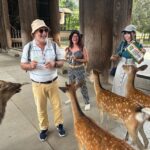
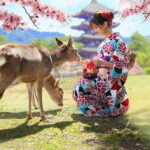
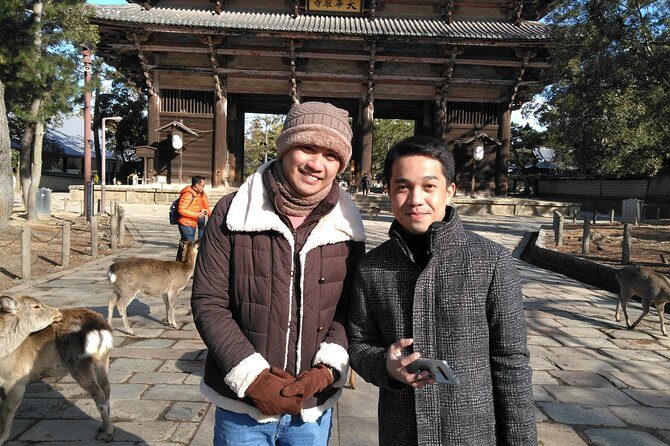
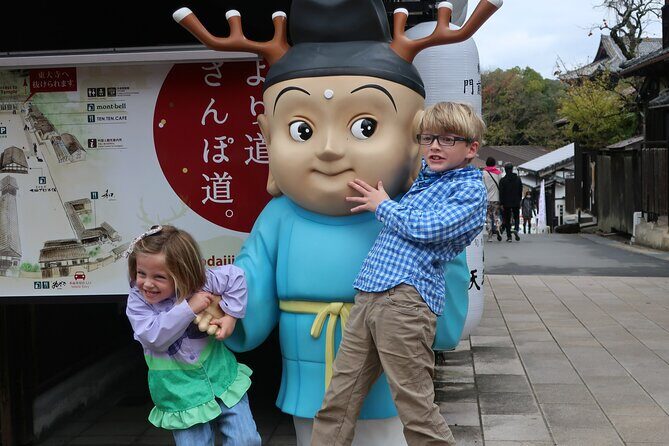
Nara Park is where the day becomes fun in a very physical way. Deer are free roaming, and you’ll get a real sense of how people and wildlife share the space.
This stop is marked as free. That’s helpful because it keeps your entrance-costs predictable. Just be ready for the deer “experience” to be the busiest and noisiest part of the day—this is the place where you’ll want to follow your guide’s pacing.
Kasuga Taisha Shrine: lantern paths and a softer spiritual rhythm
Kasuga Taisha is one of Nara’s most celebrated shrines, and the vibe shifts from temple scale to shrine atmosphere quickly. The shrine dedication is tied to protection of the city, and your guide should help connect that to how the site feels today.
Admission is free, which is great for your budget. Plan to slow down a little here. The route through the shrine area is where you’ll notice details like stone lanterns and the way the space guides your attention.
Wakakusayama Hill: the view stop that costs energy
Wakakusayama Hill (behind Nara Park) is about views. If your day includes it, you’ll get unobstructed panoramas over the Nara area.
Admission isn’t included here. And because it’s a hill, it’s also an energy decision. If you already know you’re prone to fatigue, ask your guide whether this is worth it for your group. If you do go, you’ll likely feel it in your calves.
Horyu-ji Temple: early Buddhism, older buildings, a different tempo
Horyu-ji is known as one of Japan’s oldest temples, connected to Prince Shotoku and early Buddhism. If you pick this stop, you’ll likely feel the day slow down into “architecture and age” mode.
Admission isn’t included. But even if you’re not an architecture fanatic, your guide can make the age feel real by tying the site to early temple development in Japan.
Kōfuku-ji: a lesson in power and change
Kōfuku-ji ties to the Fujiwara clan during Nara and Heian periods. If it’s included, you’ll be looking at how political power overlaps with religious sites.
Admission isn’t included. This is also a good stop to pair with a museum option (if your guide chooses to include it) so you can contextualize what you’re seeing in the buildings.
Yakushiji and Shin-Yakushiji: symmetric temple layouts and medicine-buddha focus
Yakushiji is associated with Emperor Tenmu and a recovery-related story, and it’s noted for a symmetric layout. Shin-Yakushiji also has roots in the Nara Period and is devoted to Yakushi Buddha, linked to medicine in Japanese Buddhism.
Admission isn’t included for these options. This is a strong pick if you like repeat visits to temple details: you’ll likely notice how each site expresses devotion through space and layout.
Nara National Museum: the indoor option when weather or crowds get loud
The Nara National Museum focuses on Japanese Buddhist art, and it can be a relief when crowds spike or the weather turns.
Admission isn’t included here. It’s also a good “value add” stop if you want your day to include more explanations about objects and styles, not only buildings.
Heijō Palace Site Historical Park: the capital without the crowds of a temple
Heijō Palace Site is about Nara’s time as a capital. You won’t experience it like a single “holy building”; you’ll get a sense of the scale of the former capital layout and the historical importance.
Admission isn’t included. This can be a nice change of pace if your earlier stops already gave you a heavy dose of temple architecture.
Toshodai-ji: Ganjin’s influence and Nara’s Buddhist networks
Toshodai-ji was founded by Ganjin, a Chinese priest invited to Japan. If you include it, your guide should help you connect how Buddhism moved across borders and how training shaped Japanese religious life.
Admission isn’t included here. It’s also the kind of stop where explanation can make the site feel more alive than it would on your own.
Isuien Garden and Yoshikien: garden time with “borrowed scenery”
Isuien uses “borrowed scenery,” using the surrounding environment as part of the composition. Yoshikien is also a garden experience, named after the Yoshikigawa River nearby.
Admission isn’t included for both. This is the best choice if you want a break from the deer-and-temple intensity. It’s also a strong photo stop when lighting is kind.
Naramachi: the Edo-era merchant district that feels like daily life
Naramachi is where Nara shows you a different side of itself. Instead of only sacred structures, you get preserved homes and warehouses, plus shops and cafes.
Admission is marked as free. It can be an excellent last stop because it gives you time to browse, snack, and reset your legs.
What the best guides tend to do (and how you can benefit)
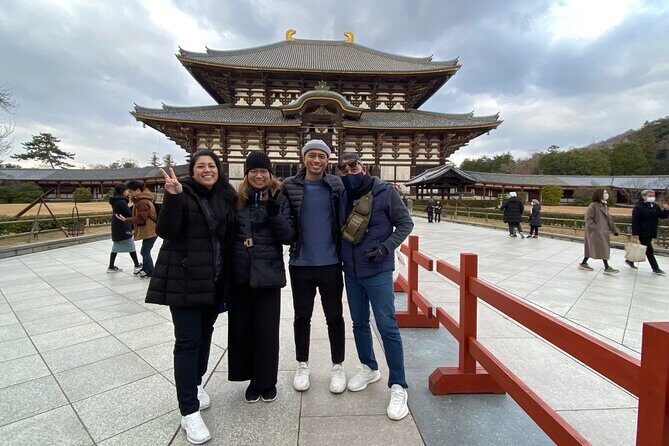
Across guide stories, a few patterns repeat. You’ll likely feel these on your day:
- They plan around your interests. One guide is praised for building the day around what a teen wanted, while another handled adjustments for specific temple requests like Yakushiji.
- They communicate the difference between Shinto and Buddhism. If that’s in your curiosity wheel, you’ll probably get it explained during shrine-to-temple transitions.
- They handle the practical friction. Some guides are praised for help with train navigation and public transportation tips, and for locating lunch spots that fit special needs (including vegetarian options).
- They make crowds manageable. When school groups are around Todaiji, a good guide helps you still get time to look, not just pass through.
Guide names you may see referenced include Ken, Haru, Yuka, Junichi, Taku, Hiro, Masaaki, Toshi, and Momoyo. Since the exact guide is assigned after booking, you can’t pick your person in advance based on this info—but the track record suggests the agency takes training and English capability seriously.
Who this tour is best for
This tour is a great fit if:
- You want Nara’s most important sites without turning it into a nonstop checklist.
- You like history explained in plain language, not just signs and audio guides.
- You prefer a private pace that you can adjust with your guide.
- You’re based in Kyoto and want to add Nara without spending extra days.
It may be less ideal if:
- You hate walking for long stretches. This is a walking tour, and one day can feel intense.
- You’re expecting everything to be included. Entrance fees and transportation are separate.
Should you book the Nara 8-hour Private Tour from Kyoto?
If you’re choosing between a DIY day trip and a guided one, I’d lean guided—especially if it’s your first time in Nara. The price buys a licensed guide, a route built around your preferences, and a calmer way to experience both temple scale and Nara Park deer energy.
Book it if you can handle the walking and you’re happy to pay entrance fees where required. Don’t book it if you want a low-effort, everything-included package with minimal decision-making. This tour works best when you show up ready to choose your 3–4 priorities and let your guide steer the rest.
FAQ
What is included in the tour price?
You get a licensed local English-speaking guide, a customizable route choosing 3–4 sites, and a meeting point on foot in a designated Kyoto area. Entrance fees, transportation, lunch, and personal expenses are not included.
Is this tour a private experience?
Yes. It’s a private tour/activity, so only your group participates.
Is it a walking tour or is there a vehicle?
It’s a walking tour, with pickup on foot within the designated Kyoto area. A private vehicle is not included.
How many sites will we visit in Nara?
You choose 3 to 4 sites from the available options. The guide customizes the exact mix based on your interests.
Are entrance tickets included?
No. Admission is listed as not included for several stops, while some stops (like parts of Nara Park and Kasuga Taisha) are free.
Do we get a ticket on our phone?
A mobile ticket is listed as a feature.
How quickly will we get confirmation after booking?
Confirmation is received within 48 hours of booking, subject to availability.
Are there any cancellation rules to know?
Free cancellation is available up to 24 hours in advance for a full refund. Changes made less than 24 hours before the start time aren’t accepted.
Is the guide required to speak English?
The tour includes a licensed English-speaking local guide, and the tour description states they’re multilingual and licensed.