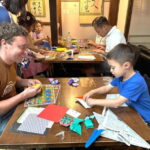
Flour, water, and a lot of fun. In this Kyoto cooking class, you learn hand-cut udon from scratch, then move on to classic rice shapes and crispy tempura with real coaching from Josh and Nakajima-san. I love that it’s not a sit-and-watch show; you’re working the dough and learning by doing, and it ends with the food you make. One consideration: it’s a solid 2.5-hour block, so you’ll want to plan your day around eating (and skipping breakfast if you can).
I also like the small-team feel: your group is capped at 8 travelers, so questions don’t get lost in the shuffle. You’ll get downloadable English recipes and a set of tour photos sent by email afterward, which makes it easier to recreate what you learned later. If you want a hands-on Japanese cooking experience that feels personal, this checks that box.
Here’s the practical vibe: start at 10:00 am near public transportation (at the 7-Eleven on Uraderachō), cook with an udon master plus an English-speaking local guide, and leave with enough skills to make udon, onigiri, inari sushi, and tempura at home. And yes, there’s a mini sake tasting to cap it off.
In This Review
- Key Highlights I’d Plan Around
- Hand-Cut Kyoto Udon and Tempura in 2.5 Hours
- Starting With Flour and Water: The Real Udon Lesson
- Onigiri and Inari Sushi: Shaping Skills That Travel Well
- Tempura Frying: Crisp Results Depend on Timing
- Eating What You Cook: Udon, Sushi, Tempura Plus Sake
- Recipes, Photos, and Making It Again at Home
- Price and Group Size: What $85.39 Buys You
- Who Should Book This Kyoto Udon and Tempura Class?
- Should You Book This Kyoto Udon and Tempura Class?
- FAQ
- How long is the cooking class?
- What does the class include?
- Do I need cooking experience?
- Are drinks included, and is sake part of it?
- Will I get recipes to use at home?
- Does the tour include photos?
- How big is the group?
- Where does the class start, and when does it begin?
- Can I cancel for a full refund?
Key Highlights I’d Plan Around
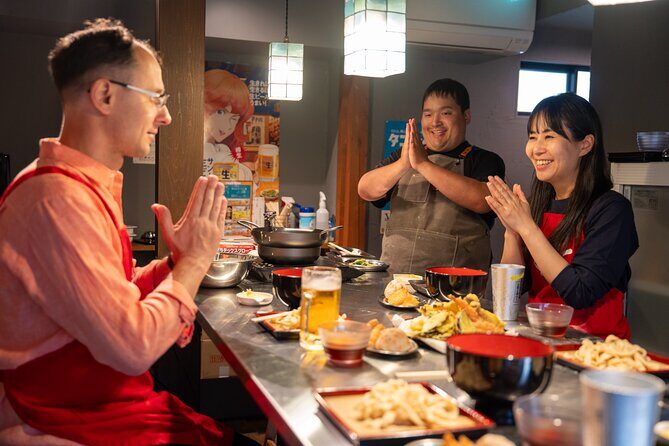
- Hand-cut udon from flour and water, guided step by step by an udon master
- Udon + rice + tempura in one session, so you get variety without rushing
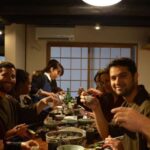
- Small group limit (8 max) for real attention and quick course-correcting
- A meal you actually eat, plus a mini sake tasting
- English recipes + emailed tour photos so you can repeat at home
Hand-Cut Kyoto Udon and Tempura in 2.5 Hours
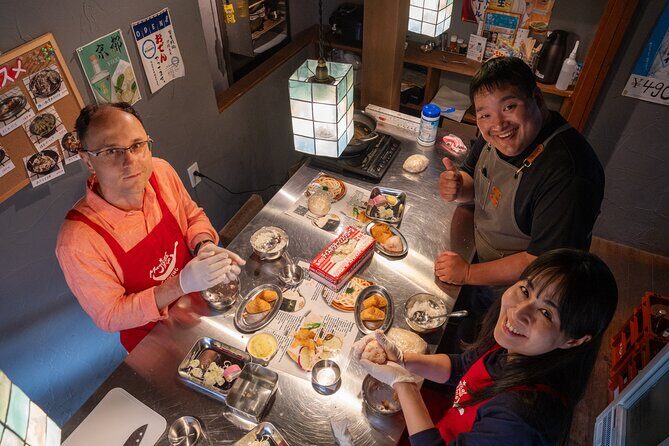
This class is a focused, full-activity kind of experience. In about 2 hours 30 minutes, you’ll go from raw ingredients to a plate of udon, onigiri, inari sushi, and tempura—and you’ll eat it all at the end.
What I like most is the order of operations. You start with dough work (udon), switch to shaping and filling (rice dishes), then finish with frying (tempura). It’s a smart flow because the skills build in your hands, not just in your head.
You’ll also notice the teaching style. The instruction is friendly and built for beginners, so you’re not punished for being new at the technique. That matters in a cooking class, because confidence is half the recipe.
Other cooking classes in Kyoto


Starting With Flour and Water: The Real Udon Lesson
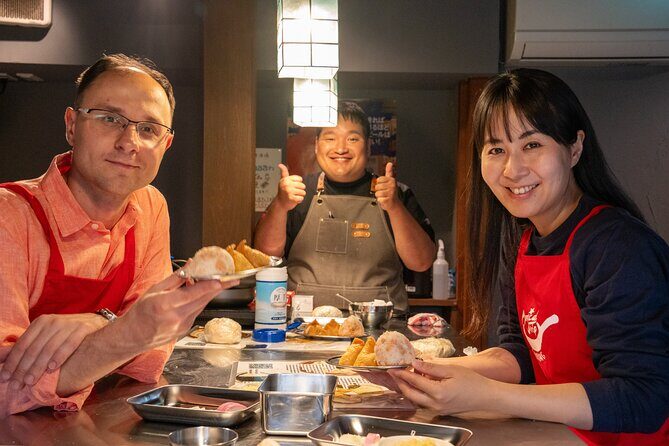
The udon portion begins simple: flour and water. You knead, roll, and cut the noodles by hand with guidance from a local udon master and an English-speaking local guide. If you’ve never made dough before, this is still manageable because they guide you through the whole process.
Why this is valuable: udon isn’t just “noodles.” It’s texture. When you physically knead and cut the dough yourself, you start to understand what makes udon chewy and satisfying. And because you’re working on your feet with supervision, you can adjust fast when something feels off.
Also, you’re not learning udon in isolation. After the noodles are done, you’re part of a full meal plan, not a single-dish workshop. That turns the technique into a full sensory experience—taste, compare, and connect the final result to your hands-on steps.
One practical tip: come ready to get a little doughy. Even with careful instruction, you’re working with your hands for a while, and you’ll want to keep your energy up.
Onigiri and Inari Sushi: Shaping Skills That Travel Well
Once you’ve moved past the noodle work, the class shifts to Japanese rice dishes: onigiri and inari sushi. You’ll prepare these as part of the lesson, which is great because they teach you the “feel” of shaping and filling rather than just showing you a finished photo.
Here’s the connection to real life: onigiri is the kind of food people make at home in Japan because it’s portable and forgiving. Inari sushi is a fun counterpart because it involves sweet-savory flavors and a different assembly. Doing both in one session gives you two different ways to think about rice.
I also appreciate that the class includes easy English recipes. When you can recreate the steps later—especially for shaping and filling—it turns your class into a long-term skill, not a one-night memory.
And if you’re traveling with anyone who loves eating but worries they’ll be “bad at cooking,” this part helps. Shaping is tactile and satisfying. You’ll see quick progress, which is exactly what you want from a hands-on activity.
Tempura Frying: Crisp Results Depend on Timing
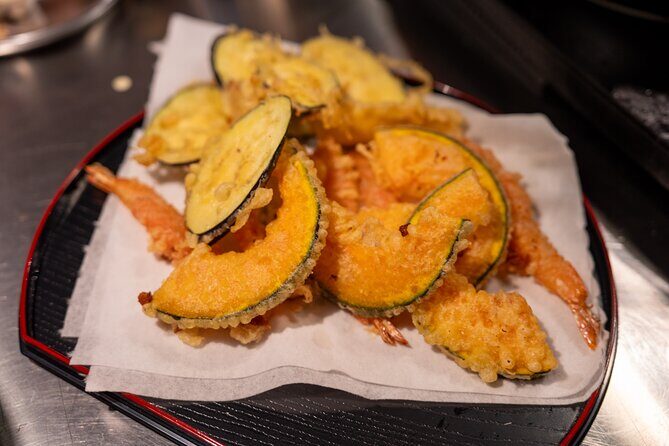
Next up is tempura, where you’ll learn to fry crispy, golden pieces with instruction from the chef team. Tempura is one of those dishes where technique matters more than people expect. If your oil is the wrong temperature or the batter sits too long, you’ll lose the crispness.
In this class, you get the guidance you need to do it right. You’ll handle the process, learn how to keep things moving, and practice how to get that light, crunchy finish. It’s not just “pour and hope.” It’s cooking with attention.
The best part is that you’re not leaving tempura to a restaurant to figure out for you. You taste what you fry at the end of the lesson, so you can feel the difference between good technique and average technique. That kind of feedback is hard to get when you’re only watching.
If you’re someone who normally eats tempura only when you see it on a menu, this is a smart way to understand what makes it work.
Eating What You Cook: Udon, Sushi, Tempura Plus Sake
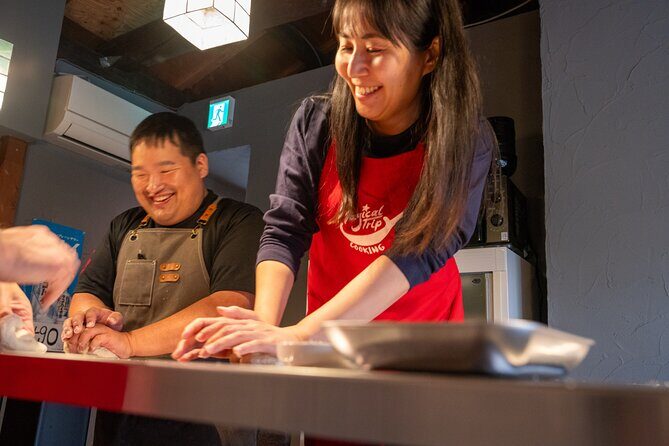
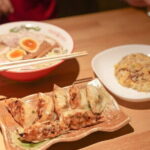
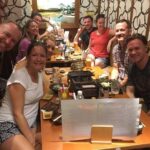
After cooking, you enjoy everything you made: udon, sushi, and tempura. This is a key point. A lot of cooking classes teach, then send you away for the meal. Here, the tasting is part of the experience.
You’ll also have two drinks included. The class says you can choose alcoholic or non-alcoholic options, and sake is included in the drink plan. On top of that, there’s a mini sake tasting paired with the meal, which gives you a Kyoto-flavored closing moment.
One small lesson baked into this part: you start cooking with one goal—technique—and end with another goal—balanced enjoyment. Eating your own tempura right after frying is a reminder of why timing matters. Eating your udon makes you connect noodle texture to kneading and cutting.
I’d plan to arrive hungry. Based on how the class runs and what’s included, you’ll be eating a full set of dishes.
A few more Kyoto tours and experiences worth a look


Recipes, Photos, and Making It Again at Home
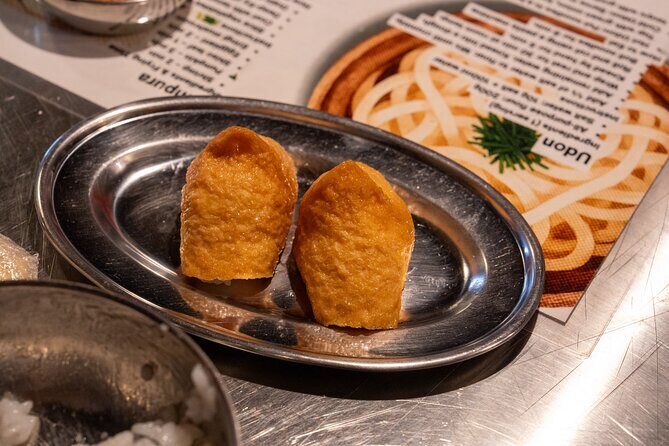
You don’t just leave with a full stomach. You get downloadable recipes in English, designed to help you recreate udon, onigiri, inari sushi, and tempura after your trip.
That’s more useful than it sounds. Many cooking classes give you vague memories like you “made something Japanese.” Here, you get instructions you can actually follow. That means you can turn this into a repeatable dinner party plan, not an event you’ll forget once you’re back in your routine.
You’ll also receive tour photos by email after the class. It’s a practical little bonus, especially if you want to remember the hands-on stages—like shaping, plating, and the final fried results.
If you’re the type who likes to cook when you travel, this combo of recipes plus photos is a big value add.
Price and Group Size: What $85.39 Buys You
At $85.39 per person, this isn’t a casual “try something small” activity. You’re paying for a full hands-on cooking session with a udon master, an English-speaking local guide, and ingredients that result in multiple dishes plus drinks.
Here’s where the value really shows:
- You’re making four dishes from scratch (udon, tempura, onigiri, inari sushi)
- You’re included for the full tasting meal
- You get two drinks with a mini sake component
- You leave with English recipes and emailed photos
- The group stays small, with a maximum of 8 participants
When a class packs this much into 2.5 hours, it typically means you’ll spend more time practicing and less time waiting. That’s what you want for a cooking class—time on your hands.
It’s also a good price point compared to the cost of eating a similar multi-item meal at restaurants plus paying for a guided experience. You’re basically buying instruction and the chance to repeat it later at home.
Who Should Book This Kyoto Udon and Tempura Class?
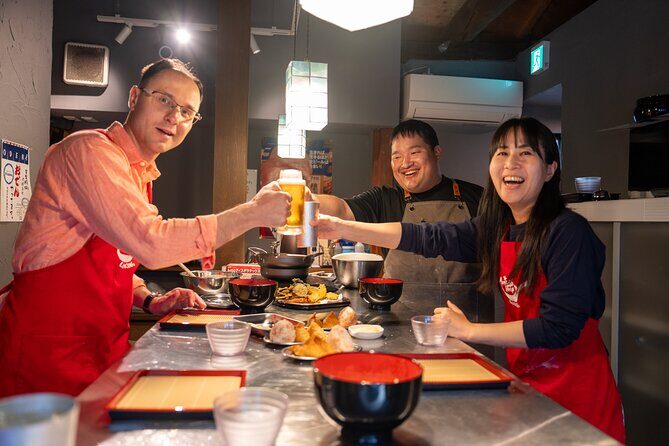
This class is a great fit if you want a practical Japanese cooking experience in Kyoto—one where you’ll actually make noodles, shape rice dishes, and fry tempura yourself. It’s also a solid pick for couples and families because the pace is hands-on and the instruction is designed to be beginner-friendly.
If you’re traveling with kids, the structure helps. You’ve got different stations and different tasks, so it doesn’t feel like one long stretch of the same activity. And because you end by eating everything you make, it naturally ties work to reward.
I’d also recommend it if you care about eating well beyond a Kyoto food checklist. This teaches technique, not just “what to order.”
If you hate getting your hands messy or you prefer purely observational tours, you may find this too active. But if you like learning with your sleeves rolled up, you’ll probably enjoy it.
Should You Book This Kyoto Udon and Tempura Class?
Book it if you want hands-on Kyoto cooking with real instruction, a small group, and a full meal you made yourself. The mix of udon, onigiri, inari sushi, and tempura gives you variety in one go, and the English recipes plus photos mean you can bring the skills home.
I’d skip it only if your schedule is too tight for a 2.5-hour commitment or if you’d rather not do dough work and frying at all. For most people, the value lands because you leave with both food and repeatable know-how.
FAQ
How long is the cooking class?
The experience lasts about 2 hours 30 minutes.
What does the class include?
You learn to make udon and tempura, plus onigiri and inari sushi. You’ll also enjoy what you make, along with two drinks.
Do I need cooking experience?
No cooking experience is required. Instruction is designed to be friendly and beginner-friendly.
Are drinks included, and is sake part of it?
Yes. Two drinks are included, and sake is part of the drink options. The meal also includes a mini sake tasting.
Will I get recipes to use at home?
Yes. You’ll receive downloadable English recipes to recreate the dishes at home.
Does the tour include photos?
Yes. Your guide takes photos during the tour and sends them to you by email afterward.
How big is the group?
The class has a maximum of 8 travelers.
Where does the class start, and when does it begin?
It starts at 7-Eleven at 599 Uraderachō, Nakagyo Ward, Kyoto, and begins at 10:00 am. The activity ends back at the meeting point.
Can I cancel for a full refund?
You can cancel for a full refund if you cancel at least 24 hours before the experience’s start time. If you cancel less than 24 hours before, the amount you paid will not be refunded.