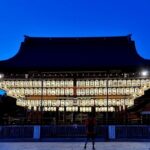
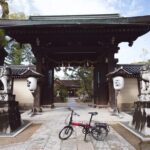
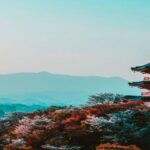
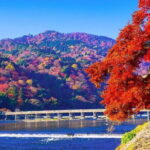
Kyoto slows down on this walk. This tour strings together several of Kyoto’s most peaceful stops with an English guide, so you get context without rushing. I especially love the start at Nanzen-ji, where the Sanmon Gate and the brick aqueduct of the Lake Biwa Canal make Zen feel big and real. I also love the finish at Ginkaku-ji, with its simple wabi-sabi gardens—white sand, moss, and quiet corners that reward slow looking. Even the guide experience can be a highlight, with examples like Eiko and Ayoko showing up in the comments for clear explanations and thoughtful attention.
The mid-tour break helps a lot. You’ll pause at Blue Bottle Coffee Kyoto Cafe in a 100-year-old townhouse, then keep going while your brain is still in vacation mode. My only caution is the walking: it’s a fair amount of it, and the tour specifically notes it’s not suitable for people with mobility impairments (even though wheelchair accessibility is listed). Wear comfortable shoes and plan for uneven temple paths and plenty of steps.
In This Review
- Key things I’d circle on this Kyoto walking tour
- A calm 4 hours in Kyoto: what this route feels like
- From Keage Station to Nanzen-ji: Sanmon drama and the Lake Biwa Canal
- Blue Bottle Coffee Kyoto Cafe in a 100-year-old townhouse
- Eikando (Zenrin-ji): Amida Buddha, pond gardens, and seasonal atmosphere
- The Philosopher’s Path walk: cherry trees, quiet canal views, and Nishida’s footsteps
- Ginkaku-ji (Jisho-ji): wabi-sabi gardens and the charm of quiet design
- Price and value: what $61 really buys you
- Pace, footwear, and who this tour fits best
- Small tips that make a big difference on this walk
- Should you book this peaceful Kyoto walking tour?
- FAQ
- Where does the tour start?
- How long is the Peaceful Kyoto Walking Tour?
- What is included in the tour price?
- What extra costs should I plan for?
- What should I bring and wear?
- Is this tour wheelchair accessible?
Key things I’d circle on this Kyoto walking tour

- Nanzen-ji’s Sanmon Gate plus the Lake Biwa Canal aqueduct gives you instant scale
- A real coffee stop at Blue Bottle Kyoto inside a 100-year-old townhouse
- Eikando (Zenrin-ji) and its Amida Buddha, pond garden, and autumn focus
- The Philosopher’s Path stroll along the canal with seasonal flowers and cherry trees
- Ginkaku-ji’s wabi-sabi gardens: Ginsadan (white sand) and a moss-covered garden
- English guidance that aims to answer questions and keep the pace calm
A calm 4 hours in Kyoto: what this route feels like

This is the kind of Kyoto day where you trade crowds for breathing room. The whole idea is “depth over distance.” You cover several famous sights, but the schedule gives you real time inside each place to notice details: garden design, temple layout, and small cultural cues you’d miss if you just followed the flow.
The timing also matters. Four hours sounds short, but it doesn’t feel like a sprint because you get a mix of guided time and breathing breaks. One hour at Nanzen-ji anchors the morning. Then you pause for coffee. After that, you get a guided visit at Eikando (Zenrin-ji), a scenic walk along the Philosopher’s Path, and a guided finale at Ginkaku-ji.
If you like structure—but not pressure—this works well. You don’t need to map anything between stops. You also don’t need to translate garden terms or temple layouts on your own. The English guide part is a big value add here, especially if you’re the type who likes to ask questions and get a straight answer.
Other walking tours we've reviewed in Kyoto

From Keage Station to Nanzen-ji: Sanmon drama and the Lake Biwa Canal

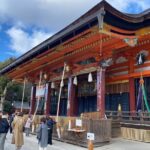
You start at Keage Station (蹴上駅), then head into Nanzen-ji, one of Kyoto’s signature Zen complexes. You spend about an hour here with a guide, which is perfect for a place with multiple layers.
Here’s what makes Nanzen-ji so satisfying on foot:
- Sanmon Gate: It’s imposing. Even if you’ve seen plenty of temple gates in Kyoto, this one has a strong presence. It sets the tone fast.
- Hojo Garden: You’ll have time for the garden to sink in. It’s not just pretty; it shows how Zen aesthetics work with space, not noise.
- The brick aqueduct of the Lake Biwa Canal: This is the curveball that makes Nanzen-ji feel modern-history connected. You get that brick structure experience right in the middle of the temple world.
Practical note: Nanzen-ji includes classic stone and garden pathways. You’ll feel your legs after a while, so comfortable shoes are not optional. Bring a camera, too, because you’ll likely want photos of both the gate and the aqueduct lines.
The biggest benefit of the Nanzen-ji start is that it trains your eye. After you see the gate and gardens up close, the later stops feel easier to read. You start noticing how each temple stages quiet moments.
Blue Bottle Coffee Kyoto Cafe in a 100-year-old townhouse

If you’ve ever tried to do Kyoto’s temples on empty calories, you already know the problem. This tour builds in a short coffee break at Blue Bottle Coffee Kyoto Cafe, inside a 100-year-old townhouse.
A few things I like about this stop for a walking tour:
- It’s not a random quick snack. It’s a sit-down break long enough to reset your energy.
- The setting helps you slow down. A traditional townhouse interior gives you that “in-between worlds” feeling—modern coffee culture inside old architecture.
- It’s a good place to plan the next stretch mentally. Once you leave a temple garden, you want something simple to do next.
One caution: coffee (and tea) is not included. Plan to pay for your own drink. Still, the value here is that you’re not guessing where to take a break or eating something on the run while your legs protest.
Eikando (Zenrin-ji): Amida Buddha, pond gardens, and seasonal atmosphere

Next comes Eikando (Zenrin-ji). You’ll get about 30 minutes of guided time, and you’ll also have a chunk of freedom to wander.
Eikando is known for its seasonal look, especially autumn foliage, but even outside peak season it tends to feel calm. You’ll see:
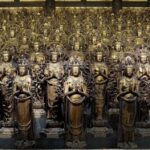
- Amida Buddha statue
- Tranquil pond garden
This combination matters. Many Kyoto temples push you toward either grand architecture or garden aesthetics. Eikando gives you both, and the pond garden adds a reflective feel—good for photography, but also good for your mood.
The schedule includes 30 minutes of free time. That’s enough to step away from the group and take your own route without feeling like you’re missing the “right” view. If you’re visiting in autumn, this is the stop where you’re most likely to feel that cinematic Kyoto vibe—leaves, reflections, soft light.
The Philosopher’s Path walk: cherry trees, quiet canal views, and Nishida’s footsteps

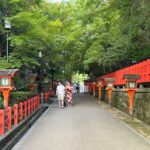
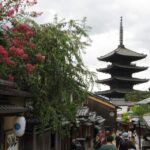
After Eikando, you’ll stroll along the Philosopher’s Path, a scenic canal-side route known for cherry trees and seasonal flowers. The path is traditionally associated with Kitaro Nishida, a philosopher who is said to have walked there while thinking.
This part is the change of rhythm: less doorways and gates, more open air and continuous views. You walk north in the direction toward Ginkaku-ji, and the scenery keeps rolling past in a way that feels naturally paced.
What you’ll like if you’re a slow walker:
- You don’t have to hunt for the best photo angle. The path itself does the work.
- You get a “Kyoto in motion” feeling without the stress of traffic or subway navigation.
- It’s a great segment to notice seasonal texture: flowers, leaves, and how the canal edge frames the greenery.
What to watch: this is still a walk. You’re moving between temples, and Kyoto paths can be uneven. If the morning started with lots of stone steps, save your energy here so you don’t arrive at the final stop too tired to appreciate it.


Ginkaku-ji (Jisho-ji): wabi-sabi gardens and the charm of quiet design

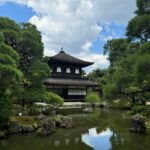
You end at Ginkaku-ji (Jisho-ji), a UNESCO World Heritage site. You’ll get about 30 minutes of guided time, which is just enough to cover the key garden features without turning your experience into a checklist.
Ginkaku-ji is often described as a counterpart to Kinkaku-ji, but it doesn’t try to outshine with maximum flash. Instead, it leans into wabi-sabi—beauty in simplicity, quiet imperfection, and lived-in calm.
Here’s what the tour highlights at Ginkaku-ji:
- Ginsadan (the white sand garden)
- A moss-covered garden
- The serene study hall area
The white sand garden is the classic “pause and look” moment. Don’t rush it. This is where your eyes start making sense of why Zen gardeners think in lines, negative space, and careful placement.
You finish at 東山慈照寺, which is a good end point if you want to keep wandering afterward. Just know you’ll likely want a slow exit. Ginkaku-ji makes it hard to move quickly—good news for your photos, and also for your sanity.
Price and value: what $61 really buys you

At $61 per person for a 4-hour walking tour, the value is mostly in two places: an English guide and efficient sequencing of high-interest sites.
Here’s the part to plan around: temple admission fees are not included in the tour price.
You should budget roughly:
- Nanzen-ji: JPY 600
- Eikando (Zenrin-ji): JPY 600
- Ginkaku-ji: JPY 500
Coffee or tea at Blue Bottle is also not included.
So why pay for this instead of doing it alone? Because the guide helps you:
- Make sense of temple layout and garden intent fast
- See key features without wasting time figuring it out
- Keep your day calm rather than stressful
Also, the pace is a real selling point. The tour blends guided time with walking and short “reset” breaks, so you’re not spending the whole day darting between lines and entrances.
If you’re the kind of traveler who likes to understand what you’re looking at, $61 is a sensible spend. If you’re traveling on a shoestring and don’t care about explanations, you could DIY—but you’ll trade away context and time savings.
Pace, footwear, and who this tour fits best

This is best for people who want a meditative Kyoto morning or afternoon without a rigid museum vibe.
You’ll be on your feet for most of the day. The tour advises comfortable shoes and bringing water and a camera. It’s also not recommended for people with mobility impairments, since the route includes walking and temple grounds that can be hard to navigate.
About wheelchair access: the activity lists wheelchair accessible, but it also says it’s not suitable for people with mobility impairments. That contradiction means you should plan to confirm details directly with the operator if you have mobility needs. If you can handle uneven temple walking and steps, you’re likely fine. If you can’t, this probably won’t be comfortable.
Group size isn’t stated here, so I can’t promise a certain vibe. But multiple guide experiences in English suggest the group stays organized and attentive, with guides like Eiko and Ayoko noted for clear explanations and care for individual needs.
Small tips that make a big difference on this walk

- Start hydrated. You’re doing multiple temple gardens plus a canal path. Water helps more than you think.
- Bring a light layer. Kyoto mornings can be cooler than you expect, and temples don’t warm up like streets do.
- Use your coffee break strategically. Don’t try to do shopping right after—save that energy for later along the Philosopher’s Path.
- At each temple, pick one thing to look at longer than you think you should. With Zen gardens, the second look is where the magic happens.
- If you’re visiting during cherry season or peak autumn, expect the Philosopher’s Path to feel especially busy at the edges. That said, the tour structure keeps you moving with a guide, which helps.
Should you book this peaceful Kyoto walking tour?
Book it if you want Kyoto without the chaos. This route is strong when you care about understanding what you see—Zen architecture, garden design, and the logic of a calm itinerary. The Blue Bottle break in a 100-year-old townhouse also turns this from a “temples only” day into something that feels like a real experience, not just sightseeing.
Skip it (or at least confirm first) if you have mobility limitations, because the tour’s walking requirement and temple terrain are a real factor. Also skip it if you hate guided pacing and prefer total freedom.
If your travel style is: walk, look, learn, rest, and then walk some more—this tour fits that pattern nicely. And at $61, with English guidance and thoughtful timing, it’s a fair value way to spend a quiet half-day in Kyoto.
FAQ
Where does the tour start?
The tour starts at Keage Station (蹴上駅).
How long is the Peaceful Kyoto Walking Tour?
The tour lasts 4 hours.
What is included in the tour price?
The tour includes a guided walking tour with an English guide.
What extra costs should I plan for?
Nanzen-ji admission is JPY 600, Eikando (Zenrin-ji) admission is JPY 600, and Ginkaku-ji admission is JPY 500. Coffee or tea at Blue Bottle is not included, so you’ll pay for your own drink.
What should I bring and wear?
Wear comfortable walking shoes. Bring a camera and water, especially since you’ll be walking for much of the tour.
Is this tour wheelchair accessible?
The activity lists wheelchair accessible, but it also states it is not suitable for people with mobility impairments. If you have mobility needs, you should confirm the fit with the operator.