Gion looks different after dark. This 90-minute evening walk takes you through Kyoto’s most famous geisha district when the streets calm down, with lantern light, classic landmarks, and stories you can actually talk about. You’ll also hold a cup of local sake while you stroll, which turns the whole thing from sightseeing into something more human.
I particularly like two parts: the nighttime access to Yasaka Pagoda and the surrounding temple-and-shrine area, and the way the guide keeps it conversational so you can ask real questions about geiko and maiko life. I’ve also seen guides mentioned by name, like Shumpei and Nick, for being friendly, funny, and patient—exactly the vibe you want in a small group.
The one real consideration is simple: this is still a walking tour. If you have back problems, this route may not be your best match, and comfortable shoes are a must.
In This Review
- Key things you’ll enjoy most
- Why Gion at night feels like a different Kyoto
- The 90-minute flow: Shijo-Kiyamachi to Yasaka Shrine
- Hanamikoji Street after dark: tea houses and atmosphere with less noise
- Yasui Kompira-gū Shrine and its power-stone tradition
- Hōkan-ji and the five-story Yasaka Pagoda lit up at night
- Ninenzaka: cobblestones, old Kyoto streets, and the night quiet
- Yasaka Shrine finish: a 1,300-year backdrop for the closing moments
- Sake included: how the drink fits the culture without getting cheesy
- Photo assist that actually helps you stop thinking
- Price and value: why $32 makes sense for this format
- Who should book this Gion evening walk
- Practical tips for a smooth evening (and better photos)
- Should you book this Kyoto Gion Evening Walk?
- FAQ
- How long is the Kyoto Gion evening walk?
- What’s included in the tour price?
- How big is the group?
- Where do we meet the guide?
- Is the tour guide available in English?
- What should I bring or wear?
- Is this tour suitable for people with back problems?
Key things you’ll enjoy most
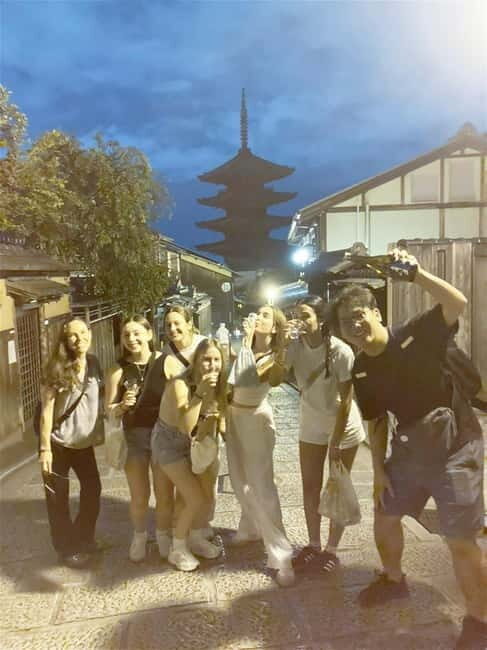
- Small-group pace (max 10) so the evening stays relaxed and easy to talk through
- Lantern-lit photo stops with on-the-spot help, not just “good luck with your camera”
- Icons after crowds: Hanamikoji, Hōkan-ji’s Yasaka Pagoda, and Yasaka Shrine at a quieter hour
- A cup of sake included that fits naturally into the walk
- Local shrine stories like Yasui Kompira-gū and its power stone
Why Gion at night feels like a different Kyoto
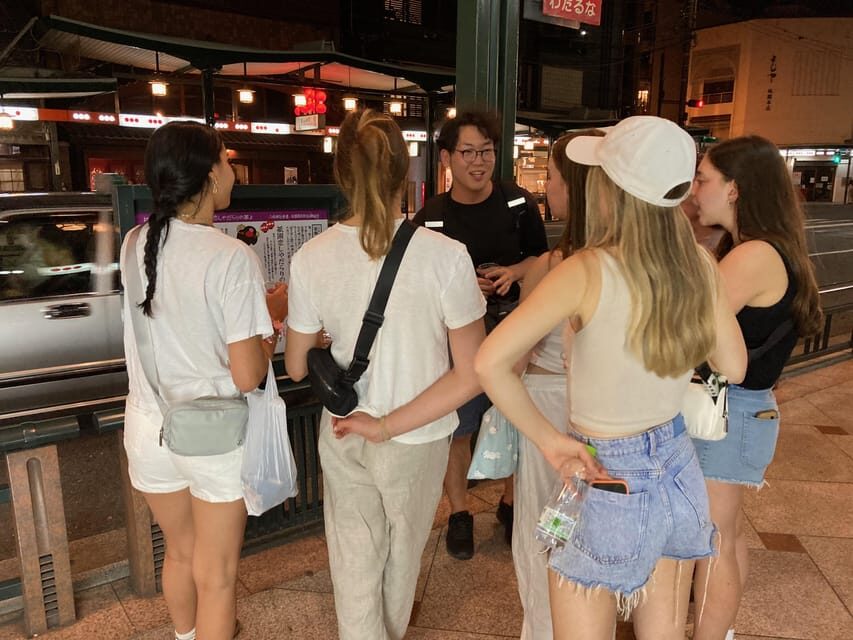
Daytime Gion can be a parade. At night, it turns into something quieter and more atmospheric. You still get Kyoto’s famous look—traditional streets, wooden townhouses, and the glow of lanterns—but with more breathing room and a slower rhythm to match your feet.
What makes this experience work is that it doesn’t feel like you’re sprinting between photo spots. The pace stays relaxed, so the landmarks connect into a story: geisha district life, Shinto and Buddhist context, and why these places matter beyond the Instagram shot. You can walk, look, and ask questions without feeling rushed.
And yes, the sake matters. Not just for the taste, but for the mood. Holding a cup while you move through the district makes the whole evening feel more like a cultural stroll than a checklist.
A few more Kyoto tours and experiences worth a look


The 90-minute flow: Shijo-Kiyamachi to Yasaka Shrine
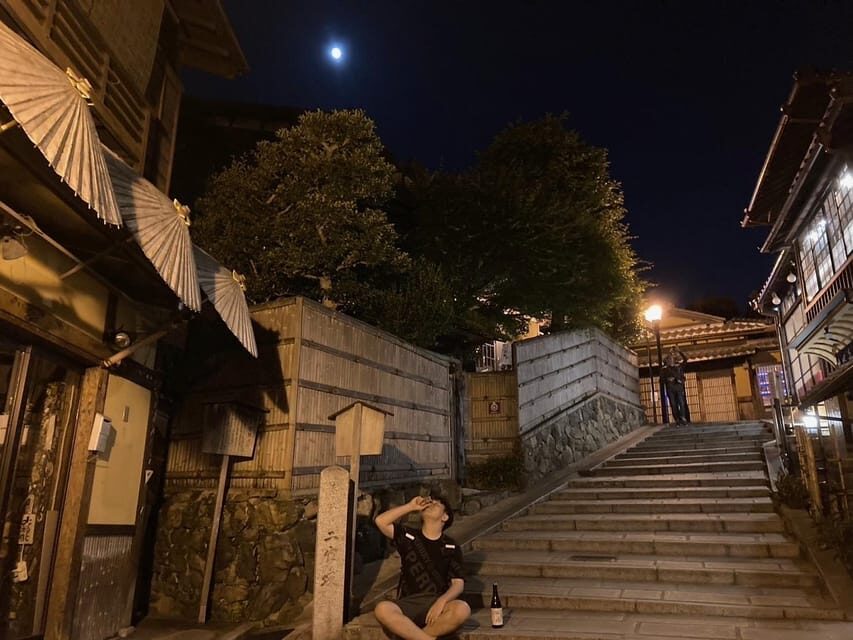
You meet at Shijo Kiyamachi, near the cluster of major streets and easy transit connections. The guide is there holding a sign that says Otatrip Guide, positioned between McDonald’s and the Japanese restaurant Kikunoi Roan, a bit south on Kiyamachi Street. The key here is timing: the tour starts promptly, and if there are other participants, you don’t want to be the reason the group has to wait.
From there, you’ll follow a tight route that stays walkable in about 70–90 minutes of guided walking, depending on the pace and photo stops. The stops are spaced so you get time to look at details, listen, and take pictures—especially in areas like Hanamikoji and around the temple-and-shrine zones.
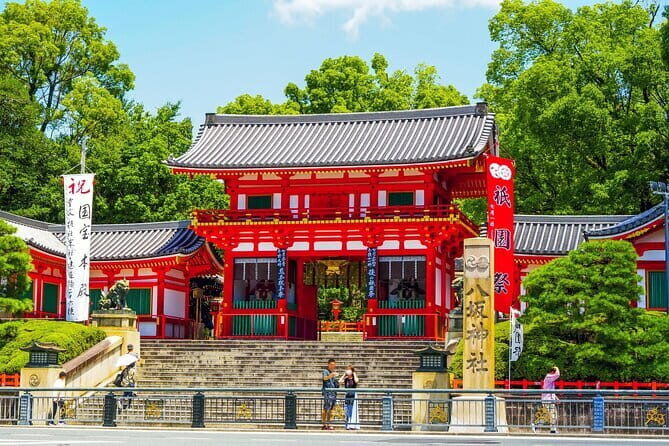
You also finish at Yasaka Shrine, which is a strong closer. The route is designed so you end with a big emotional backdrop: a spiritual landmark that has watched over Gion for over 1,300 years.
Hanamikoji Street after dark: tea houses and atmosphere with less noise
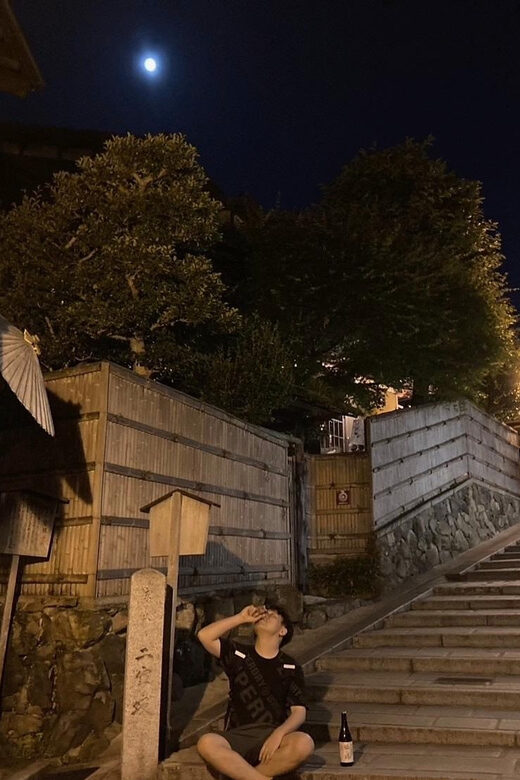
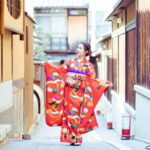
Hanamikoji Street is the postcard street of Gion. But at night, it shifts. The same alleyways and traditional tea-house frontage feel calmer, and the lantern lighting makes textures pop—wood grain, stone edges, and the gentle curves of the street.
This stop is also where the guide’s storytelling gets practical. Instead of only naming places, the guide ties together what you’re seeing: how geiko and maiko culture fits into the district, and how the tea-house world and entertainment traditions shaped Gion’s identity. It’s history explained in plain language, with room for follow-up questions. If you’re into details, you’ll get them. If you just want a clear, friendly overview, that works too.
Photo-wise, Hanamikoji can be tricky because lighting changes fast and streets aren’t always wide. That’s where the photo assistance comes in—your guide helps you frame shots at the moment rather than handing you a vague tip and disappearing.
One small note: keep your voice down as you move through residential and sacred areas. It’s part respect, part common sense—and it keeps the whole evening pleasant for everyone around you.
Yasui Kompira-gū Shrine and its power-stone tradition
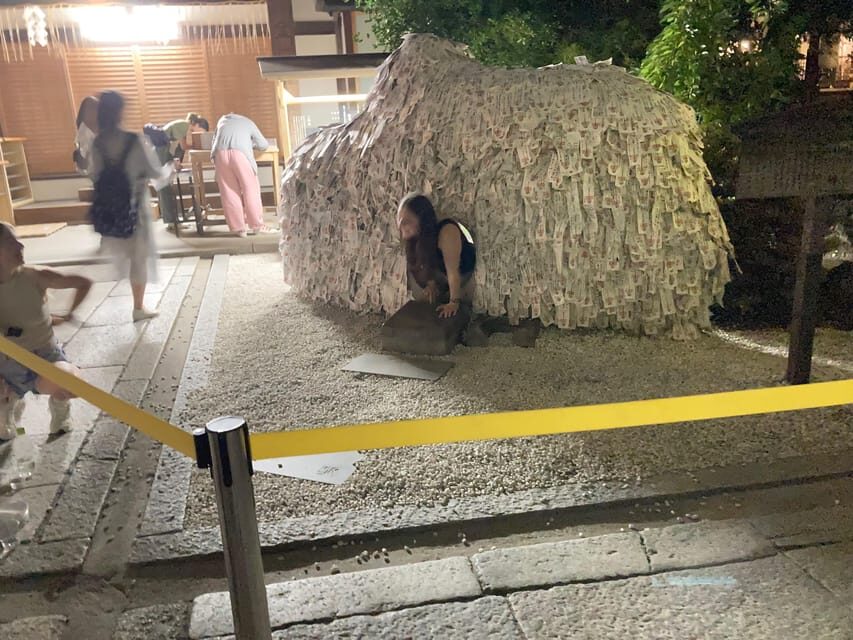
Next up is Yasui Kompira-gū Shrine, known for a distinctive practice centered on a power stone. People come with a specific intention: cutting bad ties and strengthening good ones. It’s not just a pretty stop; it’s a glimpse into how locals think about relationships, luck, and personal change through ritual.
You’ll get time to visit and take photos, but the real value is the explanation. The guide helps connect Shinto practice to everyday mindset. You learn what the place is for, why the tradition matters, and how a shrine like this fits into life in Kyoto. It’s especially interesting if you want culture that isn’t only museum-style facts.
Downside? This isn’t a “big view” location in the way some famous overlooks are. Instead, it’s about atmosphere, ritual details, and meaning. If you’re only chasing dramatic scenery, you might want to mentally reframe this stop as a cultural moment.
Hōkan-ji and the five-story Yasaka Pagoda lit up at night
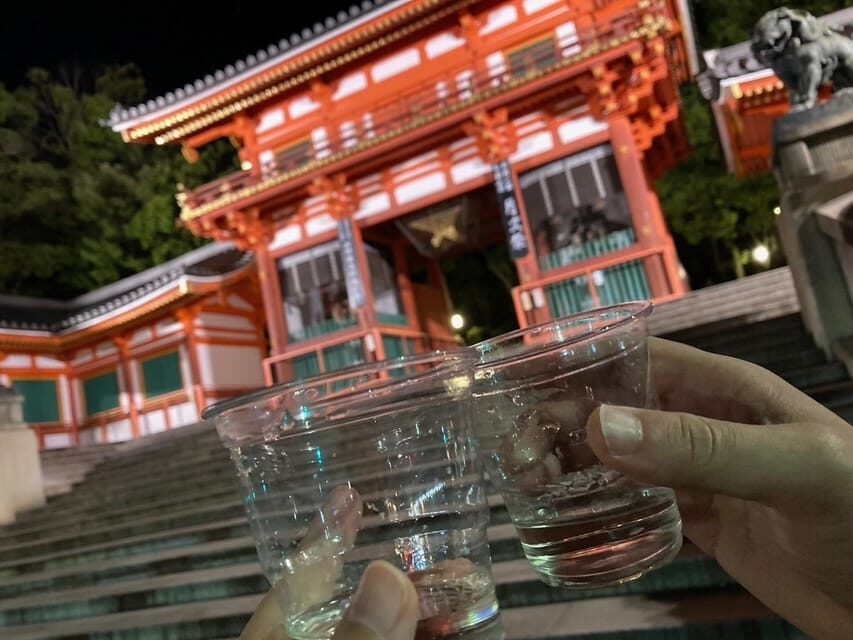
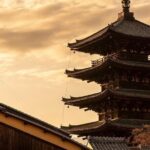
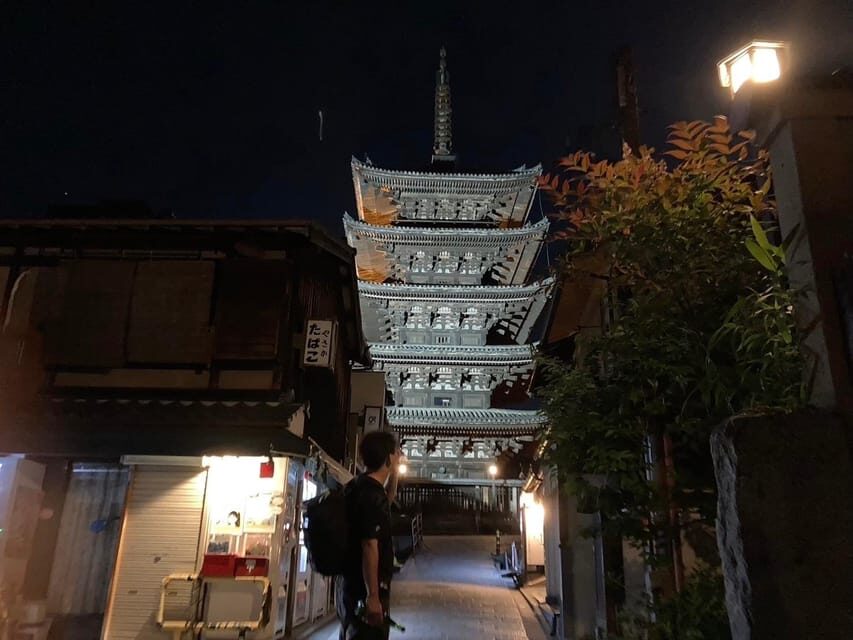
Then you reach Hōkan-ji Temple, home to the five-story Yasaka Pagoda. This is one of Kyoto’s most photographed landmarks, but nighttime changes the whole experience. The pagoda’s shape becomes more elegant when it’s lit, and the area feels calmer than daytime.
This stop is a classic reason to book an evening walk: you get the iconic sight without the worst of the daytime crowds. And because your guide keeps things moving at an easy pace, you’re not stuck in a traffic line of people trying to angle their phone.
Photo help is especially useful here. Temple lighting can fool your camera, and pagoda photography often needs a steady frame. Your guide helps you get the right angle and timing so you can actually enjoy the view instead of fiddling for ten minutes.
One more practical point: temple grounds can feel cooler at night than you expect. Bring layers if you’re visiting in colder months, even if Kyoto daytime felt warm.
Other walking tours we've reviewed in Kyoto




Ninenzaka: cobblestones, old Kyoto streets, and the night quiet
Ninenzaka is the charming cobblestone slope that makes Kyoto feel old on purpose. At night, the slope and traditional wooden townhouses look extra cinematic—stone underfoot, dim street lighting, and a sense of stepping back in time.
This is a fun stop because it’s not only about a single landmark. It’s about moving through a street with rhythm. Your guide keeps the route smooth and points out details you might otherwise miss: the way buildings face the street, how the slope shapes movement, and why the district’s layout matters.
There’s also a practical payoff: Ninenzaka can be crowded in daytime. At this hour, you get better viewing time and fewer people blocking your line of sight. If you’re someone who likes to photograph streets, this is one of the most satisfying segments of the walk.
The caution here is footwear. Cobblestones and slopes mean you’ll want comfortable shoes with grip.
Yasaka Shrine finish: a 1,300-year backdrop for the closing moments
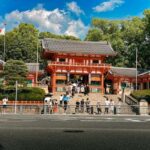
You end at Yasaka Shrine, and it’s a strong closer. The shrine is deeply tied to the Gion area and has been a spiritual presence for over 1,300 years. Ending here gives the walk a feeling of completion: from geisha-district streets, to temple and shrine traditions, to a final grand spiritual landmark.
This final stop also tends to be where conversations loosen up. By then, you’ve heard multiple stories and learned enough context that the shrine doesn’t feel like a random dot on a map. You understand why people treat it as important—not just pretty architecture.
If you want a simple way to make the most of the last minutes: slow down. Use the final stop to notice what the guide told you earlier, and see how it shows up in the setting right in front of you.
Sake included: how the drink fits the culture without getting cheesy

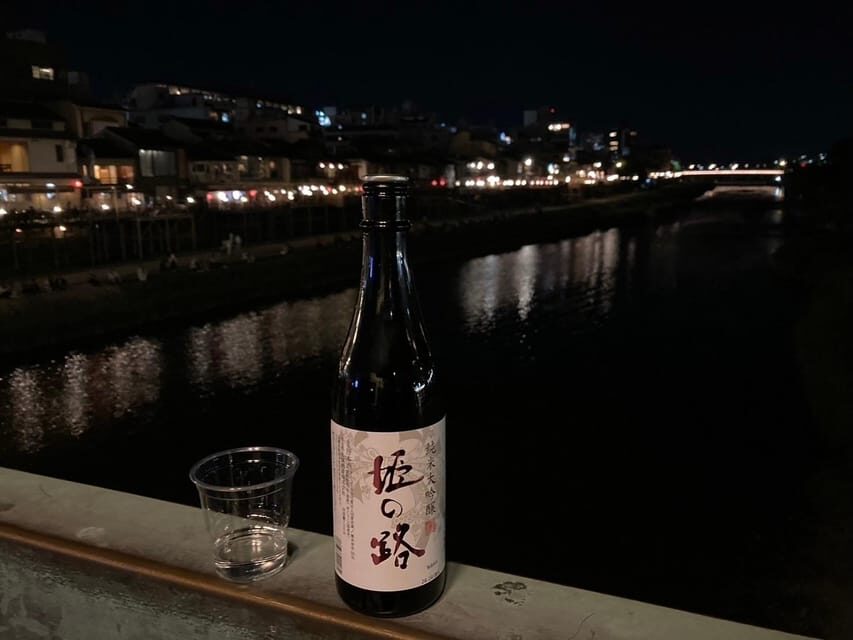
Sake is included—served as a cup while you stroll. That makes it feel integrated rather than like a separate “and now we drink” detour. It’s also a nice equalizer: even if you’re traveling with people who don’t want a heavy drinking night, this is a manageable taste that supports the evening mood.
From what I’ve seen in guide-and-guest feedback, the sake is treated as part of the experience with respect and good humor. You might even get guides credited for being generous with the sake. Still, the right attitude matters: keep it responsible and respectful, especially in quieter sacred areas.
Also, if you’re not into alcohol, you might still value the cultural explanation that often comes along with the drink. It’s not just about the taste; it’s a way to make the district feel personal and lived-in.
Photo assist that actually helps you stop thinking
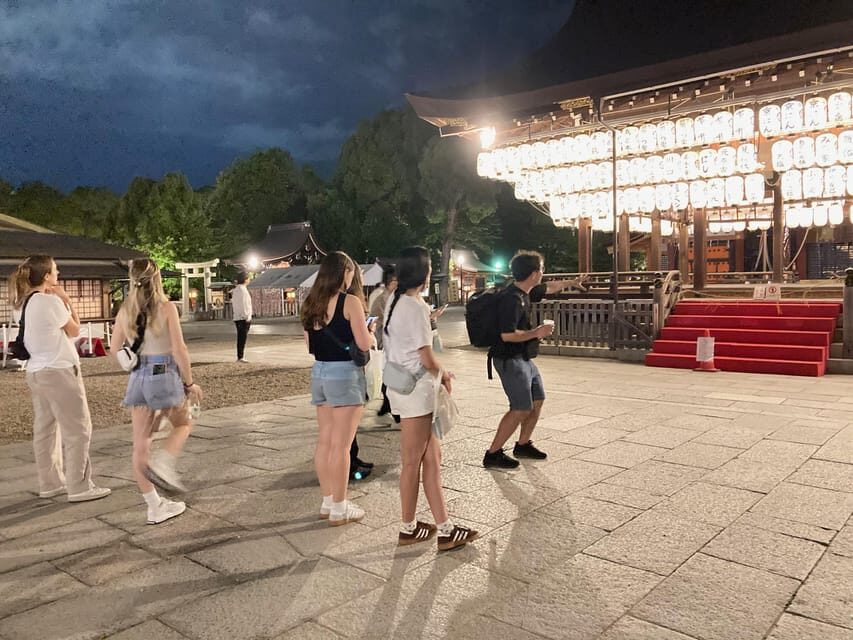
One of the best values here is photo assistance. Many tours promise photos, then give you a few generic pointers and move on. This one builds photo stops into the walk with time to look and guidance on where to stand and how to frame.
That matters in Gion, because the best angles change by second: lanterns brighten and dim, people pass through narrow lanes, and the pagoda or shrine lighting shifts with your position. With help, you can get keeper shots faster and spend more time absorbing the atmosphere.
If you’re traveling solo or with a partner who doesn’t love taking photos, this helps a lot. You can focus on the moment and still come home with images that feel real—not blurry souvenirs.
Price and value: why $32 makes sense for this format
At about $32 per person for a 90-minute guided evening walk, this tour is priced for what you get: guided storytelling, small-group attention, entry-free visits to major sights, and a cup of local sake.
Here’s the practical value calculation. You’re paying for three things that are hard to replicate alone:
- a route that strings key sights together in a smart order
- a guide who explains culture in a conversational way and helps with photos
- the added experience of sake while you walk
If you tried to do this yourself, you’d still need to map out the route, research what each stop means, and figure out photo angles in low light. The cost isn’t just the physical walking—it’s the time saved and the context added.
The small-group limit (max 10) also changes the feel. You’re not competing for the guide’s attention every time someone has a question.
Who should book this Gion evening walk
This is a great fit if you:
- want Gion after crowds, with lantern-lit streets
- like asking questions rather than listening to a one-way lecture
- care about photography but don’t want to fight low-light settings alone
- enjoy a light cultural add-on, like the included sake
It’s also a solid choice if you want a friendly way to understand what you’re seeing—especially for the geiko and maiko context and Shinto/Buddhist background.
I’d steer you away if:
- your back or mobility issues make longer uneven walking a problem
- you dislike guided tours and only want self-paced exploring
- you’re strictly looking for huge scenic vistas rather than shrine-and-street atmosphere
Practical tips for a smooth evening (and better photos)
A few things will make your night go smoother:
- Wear comfortable shoes. Cobblestones and slopes come with the territory.
- Arrive a few minutes early. The guide starts promptly at the meeting area.
- Keep your voice low in sacred and residential sections. Respect is part of the experience here.
- Don’t smoke during the tour. Smoking is not allowed.
- If it rains, the streets can still feel calm and atmospheric. The lantern look tends to keep working.
One more small strategy: ask your guide what you should do next after the tour. Since the format is conversational, you can often get practical suggestions based on what you like—food, sights, or just what to see before you head out.
Should you book this Kyoto Gion Evening Walk?
Book it if you want Kyoto at night with less friction: a tight route, small-group energy, meaningful context at each stop, and sake while you walk. At $32 for a 90-minute experience with guide-led photo help and cultural storytelling, it’s strong value—especially compared to trying to piece together the same atmosphere on your own.
Skip it if walking uneven streets is uncomfortable for you or if you prefer to wander without guidance at all. This tour is best when you want to talk, learn, and look—then leave with photos that match what you felt in the moment.
If you’re aiming for an evening in Gion that feels calm, friendly, and actually informative, this is an easy yes.
FAQ
How long is the Kyoto Gion evening walk?
The tour runs about 90 minutes.
What’s included in the tour price?
You get a guided walking experience (about 70 to 90 minutes walking), photo assistance, and a cup of local sake.
How big is the group?
It’s a small group limited to a maximum of 10 participants.
Where do we meet the guide?
The meeting point is Shijo Kiyamachi. The guide will be holding a sign that says Otatrip Guide between McDonald’s and the Japanese restaurant Kikunoi Roan, slightly south along Kiyamachi Street.
Is the tour guide available in English?
Yes, the tour is conducted in English.
What should I bring or wear?
Wear comfortable shoes for walking.
Is this tour suitable for people with back problems?
No, it’s not suitable for people with back problems.