Matcha, made personal.
This hands-on Zen temple tea experience is built around one thing: you whisk your own bowl of matcha while a host explains what each gesture means. I like the practical guidance you get (so it’s not just watching), and I also like that you’re not rushing past the point—you get the tea ceremony story and the tasting as part of the same calm flow. One possible drawback: this is a small location, so if you arrive late or miss the entrance details, it can be harder to find than bigger, more obvious sights.
You’ll step into a serene Japanese temple setting, learn the history behind the tea ceremony, then take your time with the calming ritual. You also get Kyoto sweets and a photo shoot, which makes this feel more like a “memory + meaning” stop than just a quick snack. For some people, the format may feel too still—so it’s not ideal if you have back problems or you’re traveling with kids under 10.
In This Review
- Key things to know before you go
- A Zen Temple Setting Where You Whisk Your Own Bowl
- How to find the meeting point fast
- Tea Ceremony History Turned Into Real Gestures
- Your 45-Minute Matcha Session, Step by Step
- 1) Welcome and tools overview
- 2) Whisk your own matcha
- 3) Taste the matcha and slow down
- 4) Photo shoot
- A note on pacing and comfort
- Kyoto Sweets and What They Add to the Matcha
- English Host Experience: Questions, Warmth, and Practical Tips
- Price and Value: Is $32 for 45 Minutes Fair?
- Location Logistics: When Signs Are Small and Timing Matters
- Who Should Book This Matcha Ceremony (and Who Should Skip It)
- Should You Book This Zen Matcha Session?
- Final take
Key things to know before you go
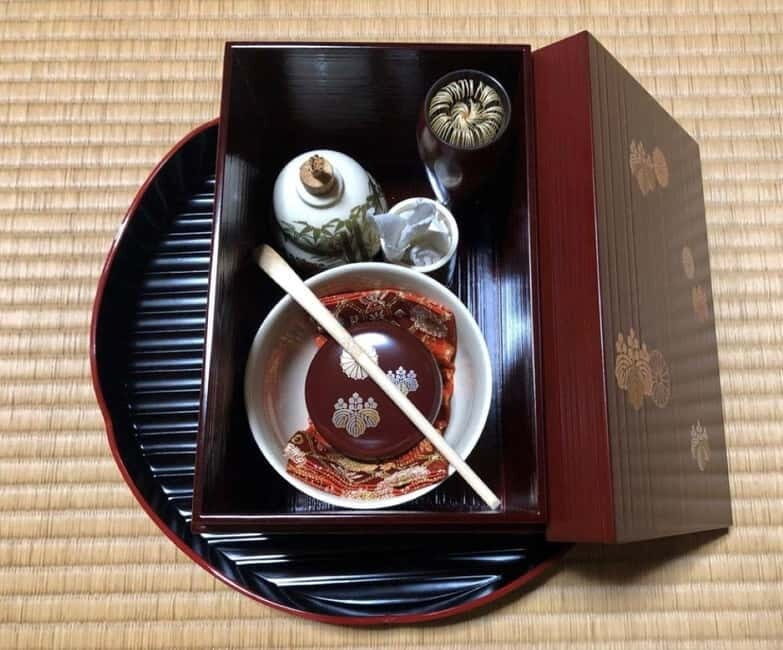
- You whisk your own matcha using traditional tea tools, not just drink a cup.
- English instruction is provided by the host, with time for questions.
- You get Kyoto sweets alongside the tea, plus a photo shoot.
- It’s short and focused: 45 minutes, so expect a tidy sequence rather than a long lesson.
- The meeting spot is small and sign-light, so arrival timing and attention matter.
- Not for everyone: no alcohol or party groups, and it’s not suitable for children under 10 or people with back problems.
A Zen Temple Setting Where You Whisk Your Own Bowl
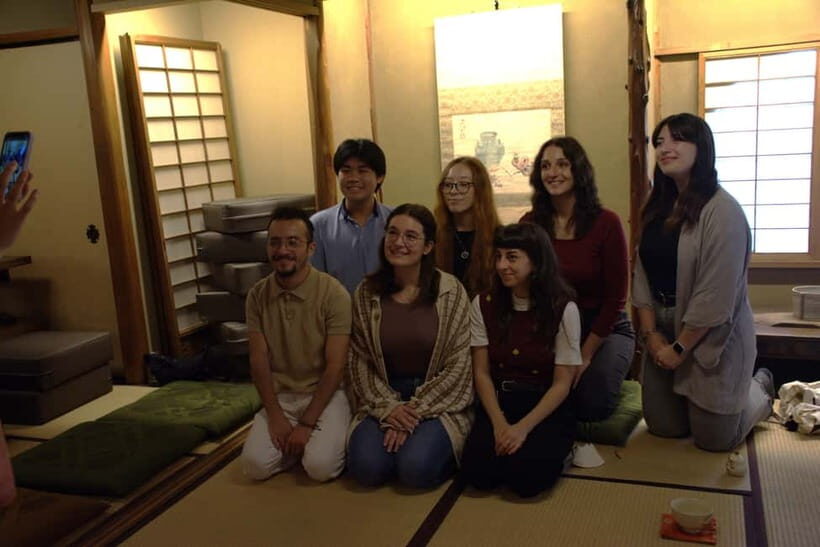
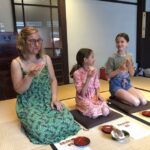
This experience takes place in a Japanese temple atmosphere in Honshu, with the meeting point at Shokoji Temple. That matters, because the whole point of the tea ceremony is not performance—it’s attention. Even if you’ve never done anything like this, you’ll be in a calmer environment that sets the pace for a hands-on ritual.
I like that you’re not expected to be an expert before you arrive. The host guides you through the process, so your job becomes simple: follow along, whisk, and taste. You’ll also get a brief education on why the ceremony is tied to Zen practice and mindfulness, which helps the actions make sense instead of feeling random.
A few more Kyoto tours and experiences worth a look

How to find the meeting point fast
From Kyoto Station, take the north central exit and head straight north. Walk along Karasuma Street for about 10 minutes. Shokoji Temple should be on your right-hand side, just past several intersections. It’s small, so keep an eye out for the sign at the entrance.
If you run into trouble, don’t “wander and hope.” Use the contact number: 080-5259-3796. Having a direct way to reach the team is especially important because a couple of past experiences went wrong due to the guide not being there or guests struggling to locate the right entrance.
Tea Ceremony History Turned Into Real Gestures
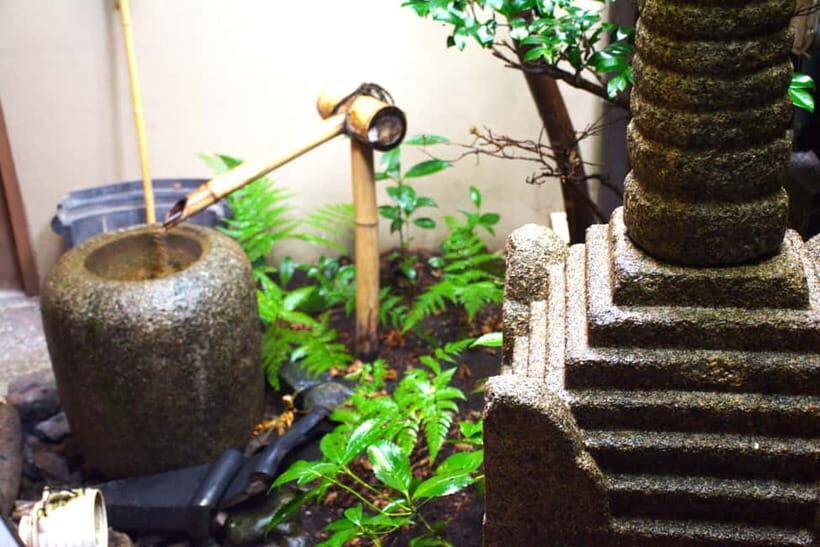
A big part of the value here is that you’re taught the tea ceremony as culture, not as a set of tricks. The host shares the history of the tea ceremony, plus the cultural meaning behind each motion. In practice, that means the session has an order: you learn why you’re doing something, then you do it.
This approach helps a lot if you’re new. It also helps if you’re a tea nerd, because you’re not just collecting facts—you’re connecting them to the ritual itself: the tools, the whisking action, and the pacing of the tasting.
One detail I really appreciate is that the host is English-speaking and makes room for questions. Several people highlighted how much they appreciated being able to ask things and get clear explanations. That changes the vibe from passive to interactive, and you leave with more than just matcha breath.
Your 45-Minute Matcha Session, Step by Step
The whole experience runs 45 minutes, which is a sweet spot. Long enough to learn something and taste properly, short enough that it fits into a busy Kyoto day without becoming a second job.
Here’s the flow you should expect:
1) Welcome and tools overview
You start in the calm temple setting and get oriented. The host explains the tea ceremony approach and introduces the traditional tools. If you’ve never seen a tea whisk and bowl used like this, pay attention early, because the session becomes physical quickly.






2) Whisk your own matcha
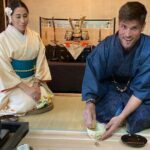
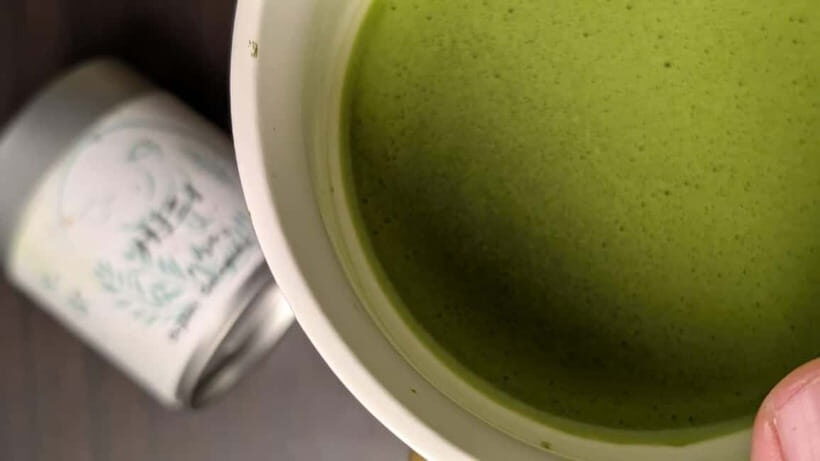
This is the headline moment: you whisk your own bowl of matcha. The host guides you through the ritual so you’re not left guessing how hard to whisk or what “good” looks like. Even if your first try isn’t perfect, you’re learning a process, not chasing a score.
This hands-on part is where the experience earns its keep. You’re paying for instruction plus the act of doing it yourself, which is exactly what turns matcha from a drink into a skill.
3) Taste the matcha and slow down
Once your bowl is ready, you taste your matcha as part of the ceremony. You’ll also get a traditional Kyoto sweet alongside it, which helps balance the flavor. Matcha tends to be earthy and a bit grassy, and pairing it with a sweet is a classic way to make the flavors feel intentional rather than harsh or one-note.
4) Photo shoot
You also get a photo shoot, so you leave with more than memory in your head. It’s a practical add-on: in a small temple setting, good photos can be tricky when you’re alone. Having someone help handle timing and angles makes a real difference.
A note on pacing and comfort
Because this is a structured ritual, it includes a calm, seated pace. That’s wonderful if you can sit comfortably. It’s not suitable if you have back problems, so if that’s you, skip this one and choose a more flexible activity.
Kyoto Sweets and What They Add to the Matcha
Matcha gets all the attention, but the traditional Kyoto sweet is part of why the session works. You’re tasting the tea as part of a pair, and that pairing is where many people feel the ceremony becomes more than novelty.
Some past guests specifically mentioned enjoying mochi as the sweet. You should think of the sweet as “Kyoto-style with a comfort-food vibe,” meant to soften the tea and create contrast. If you don’t usually like super-sweet desserts, you’ll still likely appreciate the balance, because the sweet is served as a small companion to the tea—not a sugar overload.
English Host Experience: Questions, Warmth, and Practical Tips
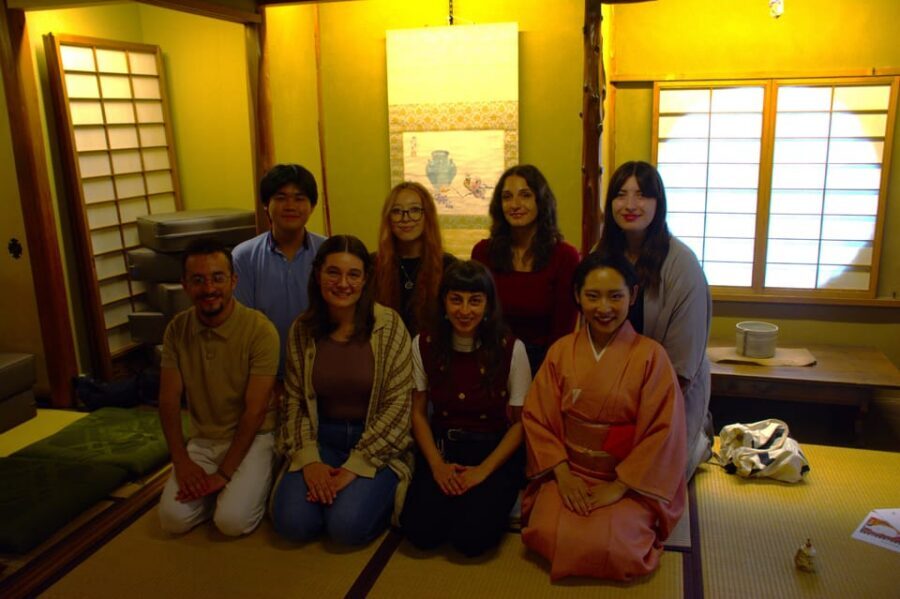
The instructor is listed as English-speaking, and the host experience is consistently one of the strongest parts. In several accounts, the host is named Sakura, and people praised how friendly and well-informed she was. The best reviews also mention that she created space for questions and kept the session light, sometimes with warmth and laughter.
That’s the difference between a tea talk and a tea experience. When you can ask what you’re seeing and why it matters, you start noticing details on your own later—like how the gesture timing changes the feel of the ritual.
Some guests also said the host offered recommendations for where to buy matcha after the ceremony. That’s not always guaranteed in every session, but it’s a smart kind of add-on because it helps you turn a one-time experience into something you can repeat at home.
Price and Value: Is $32 for 45 Minutes Fair?
At $32 per person for 45 minutes, this isn’t a throwaway “drink and go” stop. You’re paying for a guided, hands-on tea ceremony in a temple setting, with the key ingredients included: tea, a traditional Kyoto sweet, and a photo shoot.
Here’s the practical value breakdown:
- You get real instruction (you whisk, not just observe).
- You get materials handled for you (traditional tools are part of the experience).
- You get tea + sweet included, so you’re not piecing together costs.
- You get a photo shoot, which can easily add value if you’re traveling without a companion who can take good photos.
If you’re the kind of traveler who enjoys learning by doing, the price makes sense. If you only want a quick caffeine fix, you’ll probably do better grabbing matcha elsewhere. The ceremony works best when you want meaning, calm, and a small cultural skill.
Also, there’s flexibility baked in: you can cancel up to 24 hours in advance for a full refund, and you can use a reserve-and-pay-later approach. Those options reduce stress if your Kyoto schedule shifts.
Location Logistics: When Signs Are Small and Timing Matters
Most logistics are simple on paper: meet at Shokoji Temple near Kyoto Station, then you’re taken care of. The reality is that small temples can be easy to miss, especially if you show up rushed, in the wrong minute of the day, or expecting a big tourist-style sign.
One reason this matters: a couple of negative experiences described difficulty finding the tea ceremony and confusion around a lack of clear signage. Another negative experience described a situation where the guide didn’t show up.
So here’s my straight advice:
- Arrive a few minutes early.
- Use the exact directions to Shokoji Temple along Karasuma Street.
- Keep the contact number handy (080-5259-3796), and reach out if you’re lost instead of guessing.
- If you’re using your phone map, zoom in and confirm you’re near the correct entrance area.
And if you’re the type who likes a visual cue, one guest tip mentioned that in the wider area there can be a Grapevine Cafe marked by vines near the top and that you may need to knock to enter. That kind of detail is useful if you’re trying to confirm you’re looking at the right place when everything feels confusing up close.
Who Should Book This Matcha Ceremony (and Who Should Skip It)
This is a strong fit if you want:
- A calm, hands-on cultural activity in Kyoto
- English instruction and time for questions
- A short experience that still feels meaningful
- A paired tasting of matcha + Kyoto sweets
- Photos included, without needing to coordinate them yourself
It may not be your best choice if:
- You have back problems, because the session isn’t suitable
- You’re traveling with kids under 10
- You’re joining a party group or you expect alcohol to be part of the vibe (alcohol and drugs are not allowed)
- You need a totally flexible agenda, since the ceremony is structured and time-boxed
Wheelchair accessibility is listed as available, which is a big plus. If you need extra time or specific seating arrangements, it’s smart to contact the team ahead of time so they know what to expect.
Should You Book This Zen Matcha Session?
If you want an experience that’s more than drinking matcha, this is worth considering. You’re whisking your own bowl, learning the tea ceremony history, and tasting a Kyoto sweet in a temple setting. The session length is a good match for most Kyoto itineraries, and the included photo shoot adds real practical value.
I’d still book with the mindset of a serious “meet me at the right spot” traveler. The small-location issues in a few cases are a reminder to arrive early and use the contact number if anything feels off.
Final take
If you like quiet cultural skills and you’re happy to follow instructions for 45 minutes, book it. If you’re chasing a big, obvious landmark experience, you may find the location hunt more stressful than relaxing.