Kyoto hits hard when it’s served in layers. This small-group walk strings together Fushimi Inari torii-gate magic, Arashiyama bamboo, and the calm reset of Tenryu-ji.
I love the way Fushimi Inari turns a shrine stop into a real hike up through thousands of red gates. I also love that you get quiet time at Tenryu-ji’s Zen garden right after the busier areas, so the whole day feels balanced.
One consideration: the climb to the Monkey Park hill is steep, and the route is longer than you’d think when you’re staring at the views.
In This Review
- Key highlights that make this tour worth your time
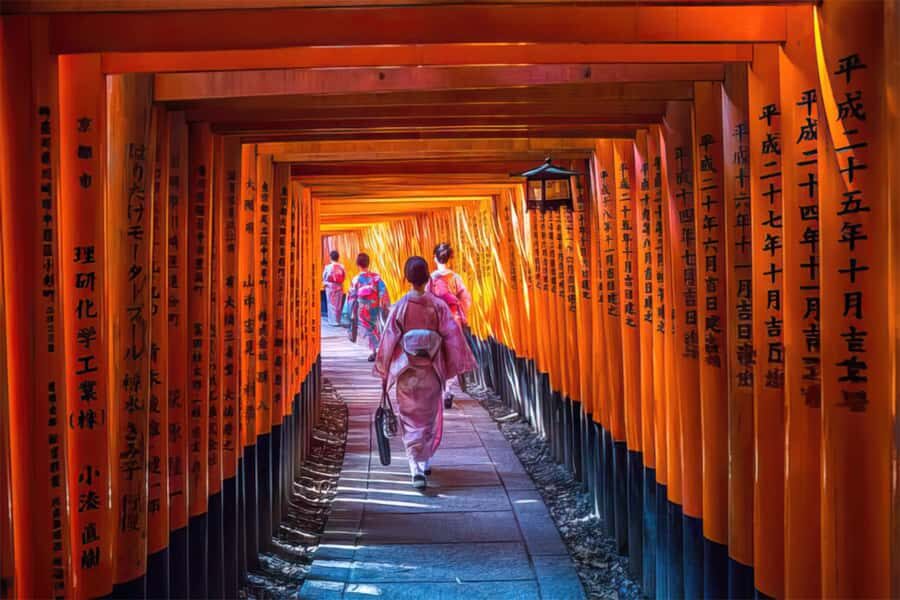
- Fushimi Inari’s red gates: where the walk becomes the point
- Practical note
- Arashiyama bamboo: the Kyoto photo everyone recognizes
- What to watch for
- Tenryu-ji Zen garden: your calm break with a reason to slow down
- The only catch
- Togetsukyo Moon Crossing Bridge: a short walk with big payoff
- Monkey Park hill climb: wild macaques and a very real workout
- Feeding and behavior basics
- Hidden Kyoto paths: why the guide makes the day feel smarter
- Price and value: what $88 buys you in Kyoto
- Timing, pacing, and what to wear (so you enjoy it)
- Who should book this Kyoto Fushimi and Arashiyama walk
- Should you book this tour?
- FAQ
- Where is the meeting point for this tour?
- What does the tour include?
- Are train fees included in the price?
- Are food and drinks provided?
- Is there a lunch stop during the tour?
- What should I bring?
- Is the tour suitable for wheelchair users or mobility impairments?
- Are strollers allowed?
- Can I record video during the tour?
- Is there a minimum number of guests?
Key highlights that make this tour worth your time
- Fushimi Inari Taisha’s torii maze: thousands of gates winding upward
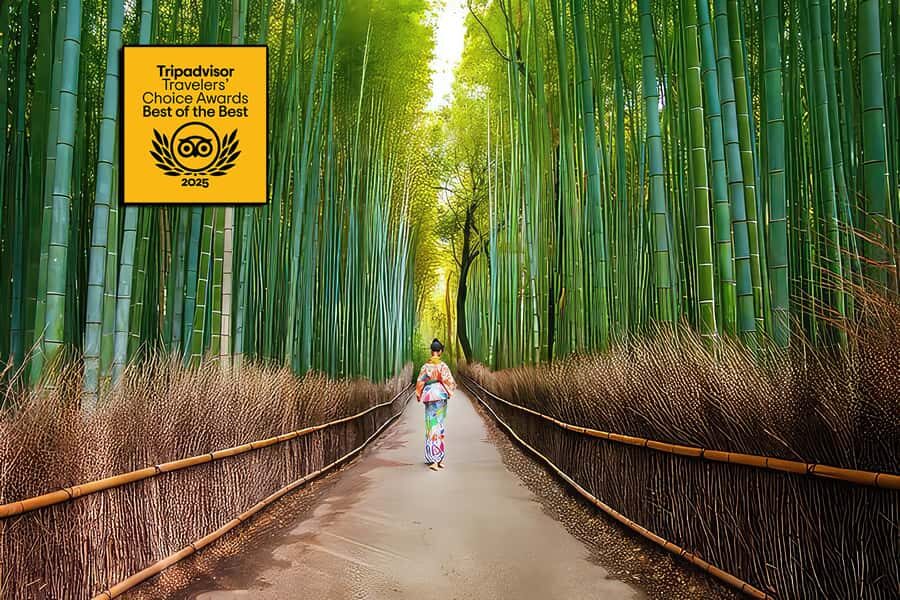
- Arashiyama bamboo forest walking time: a signature Kyoto moment with photo-ready angles
- Tenryu-ji Zen garden (UNESCO): entry included, designed for slow looking
- Togetsukyo Bridge (Moon Crossing Bridge): the classic river crossing built for photos
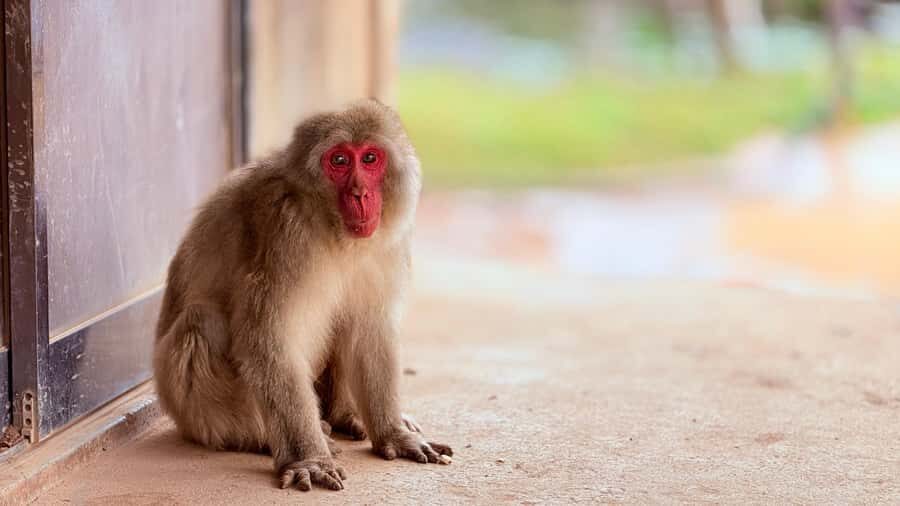
- Monkey Park hill walk + wild macaques: get close to animals on their home turf
- Guides who manage the day well: people often mention photo help and a steady pace (including guides like Aron, Aaron, Teri, and Max)
Fushimi Inari’s red gates: where the walk becomes the point
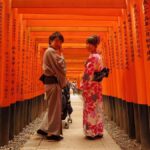
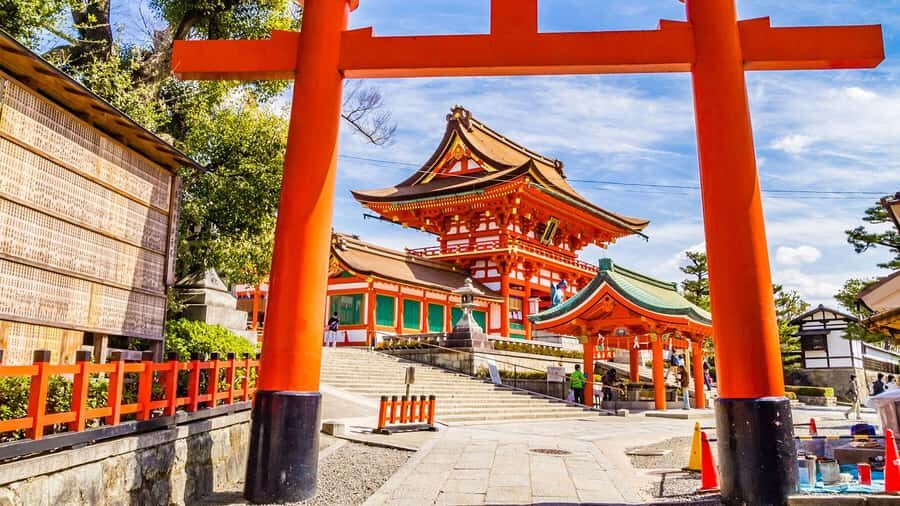
Most shrine visits in Kyoto are pretty quick. Fushimi Inari isn’t. You start at Inari Station, then work your way into the shrine complex where the famous torii gates climb the mountain in a constant red ribbon.
What makes this stop special is the flow. You’re not just looking at gates—you’re walking through them, turning corners, and noticing how the whole place changes as you gain elevation. That’s why it feels memorable even if you’ve seen photos before.
You’ll see torii gates everywhere, but the tour helps you understand what you’re actually looking at as the path shifts from “crowded entrance” to “serene climb.” And since climbing Mount Inari is part of the experience (with entry included), you’re doing it with momentum instead of guessing your way through the timing and routes.
A few more Kyoto tours and experiences worth a look
Practical note
This isn’t the place for flip-flops. You’ll want comfortable shoes right from the first steps, because you’re going to keep walking. Also, if you’re bothered by crowds, expect plenty of people near the main shrine areas—still, the day’s pacing is designed to give you quiet pockets as you move on.
Arashiyama bamboo: the Kyoto photo everyone recognizes
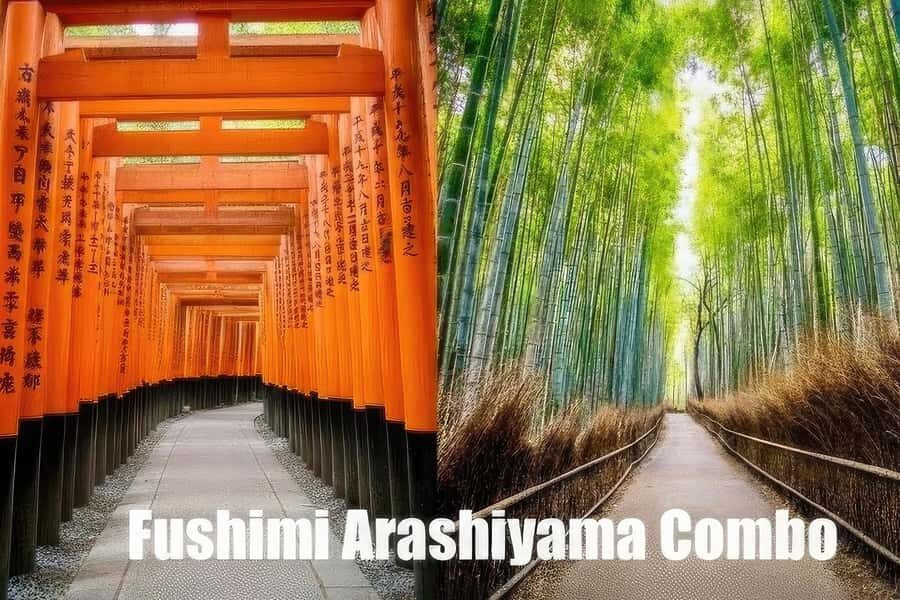
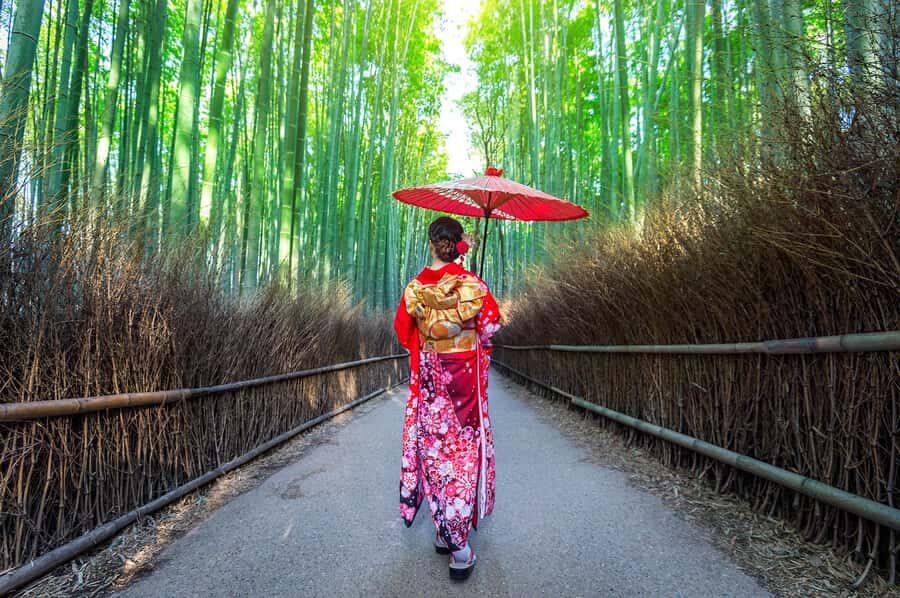
Next comes Arashiyama, and yes, the bamboo grove is famous for a reason. The towering stalks create that soft, rhythmic sound as leaves and wind work together overhead. It’s instantly atmospheric, even on a normal day.
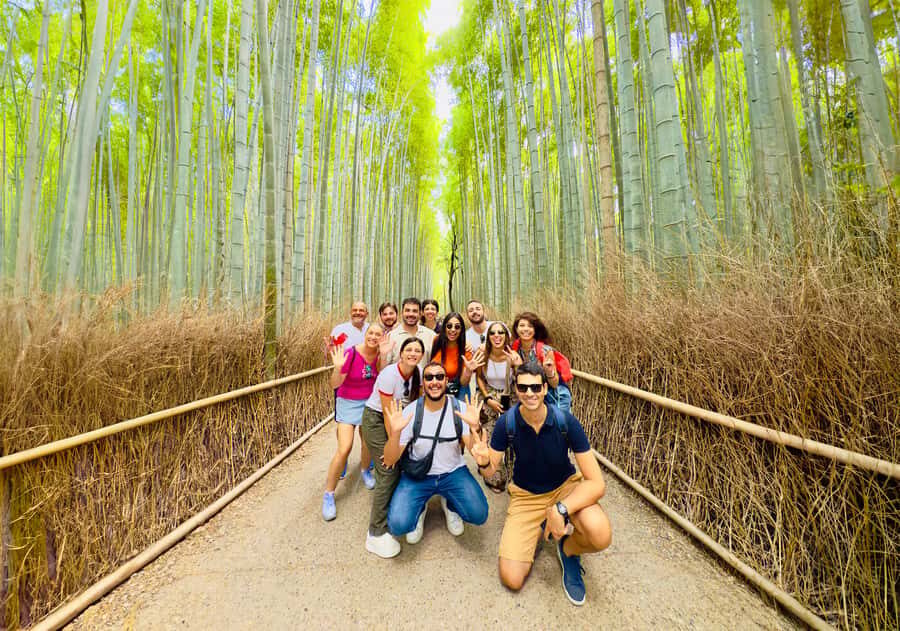
Here’s the value of doing it with a guide: you’re less stuck in the “main flow” of the busiest times and more able to move as a group, pause when it’s worth it, and get a few photo angles without turning your trip into a traffic jam.
I like that the tour doesn’t treat bamboo as a quick checkbox. You’re walking through it and taking in the way the light changes between dense sections of the grove. That makes the photos better, but more importantly, it makes the moment feel real—not just screen-worthy.
What to watch for
If it’s hot or rainy, bamboo days can feel long because you’re outside so much. One strong theme in the feedback is that guides kept the pace workable and found chances to cool off when temperatures rose, and even handled wet-weather days smoothly. If you come in summer, bring water habits you trust, and wear shoes that won’t hate wet pavement.
Tenryu-ji Zen garden: your calm break with a reason to slow down
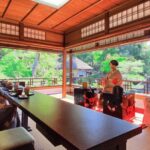
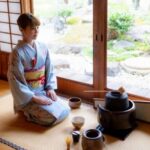
After bamboo, Tenryu-ji is the reset. Tenryu-ji’s garden is UNESCO-listed, and it’s the kind of place that rewards quiet attention. You’ll find views framed for walking paths, not just standing and snapping.
This is where the tour’s structure matters. Instead of jumping from one loud sight to another, you land in a garden that’s designed for contemplation. Even if you’re not a formal garden person, you can feel the intention in the layout: where to look, when to pause, and how the scenery is meant to be seen step-by-step.
The garden entry is included, so you avoid the common “ticket shuffle” that can steal time from the best moments. And with a local expert leading, you’re more likely to notice details that most people miss when they rush through.

The only catch
Tenryu-ji can feel busy depending on the day. One piece of feedback flagged that the sheer number of people can be overwhelming. If you know you get stressed by crowd density, plan for it mentally, and use the quiet indoor/outdoor pacing when your guide calls for stops.
Togetsukyo Moon Crossing Bridge: a short walk with big payoff
Then you’re across the river at Togetsukyo, often called the Moon Crossing Bridge. It’s the classic Arashiyama river view: long sightlines, the bridge in the frame, and that Kyoto “postcard” sense of place.
This part works because it’s a breather. You’re not climbing. You’re not standing still forever. It’s a clean transition between temple-garden calm and the animal-park hill ahead.
I also like that the tour includes this bridge as a moment, not just a route between stops. A good guide will help you time your photos and walk it at a pace that keeps the rest of the day from dragging.
Monkey Park hill climb: wild macaques and a very real workout
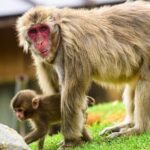
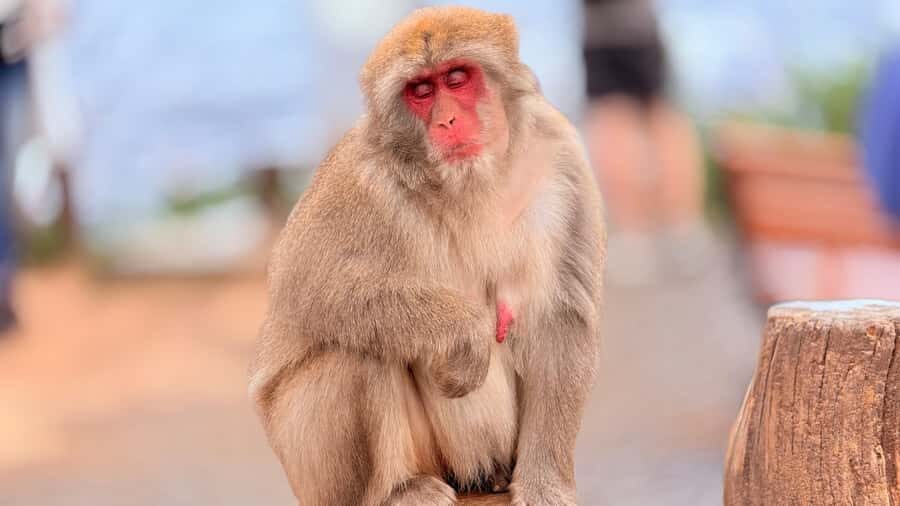
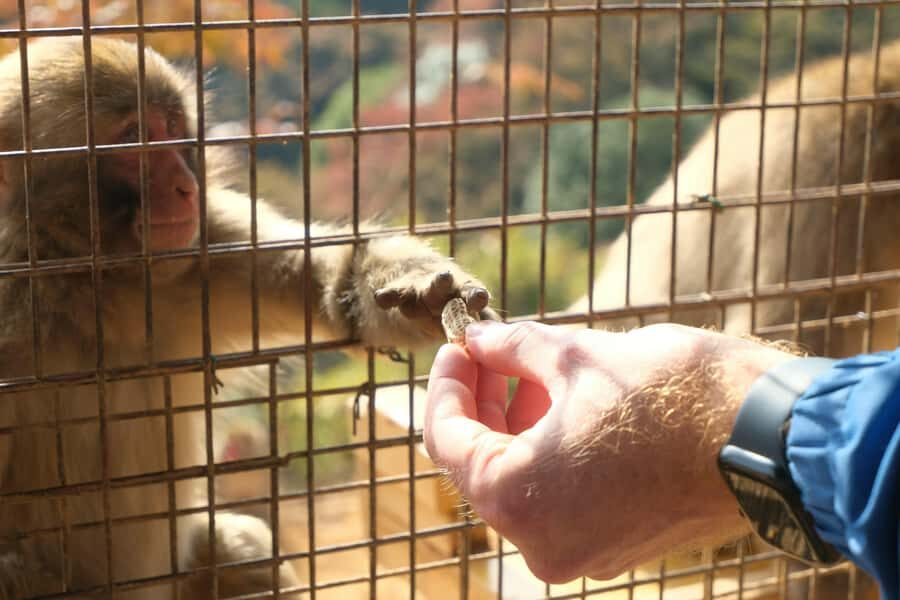
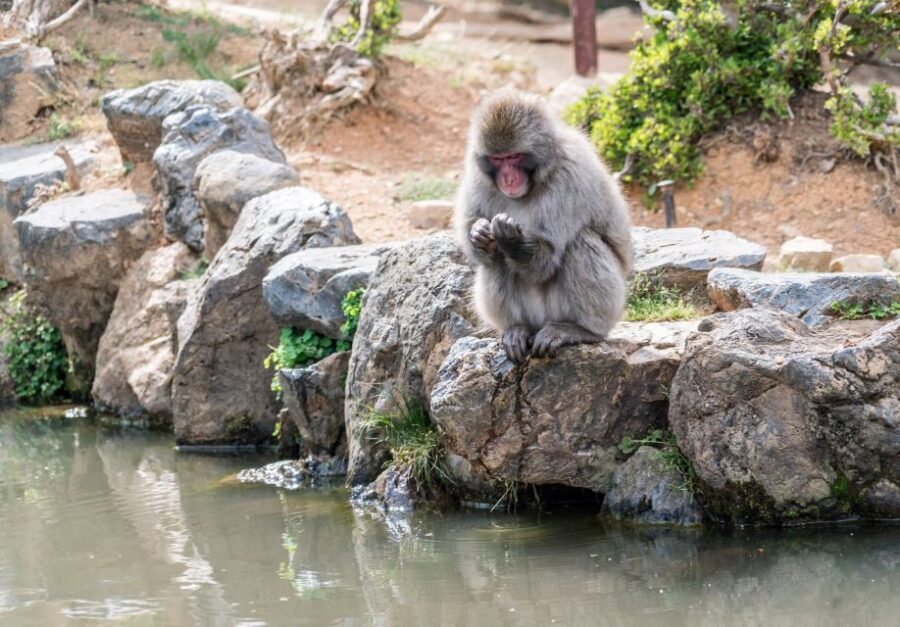
The Monkey Park portion is where the tour gets exciting—and where you need your legs. You climb a hill toward a monkey area where wild macaques roam freely, plus you’re up high enough for panoramic views over Kyoto.
The “one thing to know” here: the climb is steep. One review specifically warned that the climb is quite steep, and another mentioned a route around 525 feet up. Translation: if you’re out of practice with hills, you’ll feel it.
Is it worth it? For most people, yes. The payoff is twofold: you get close to monkeys in a natural setting, and the view from the top makes the effort feel earned. It’s also a moment of pure motion contrast—after bamboo and gardens, you’re suddenly in an active, outdoorsy scene.
Feeding and behavior basics
The tour includes monkey time, and the experience includes feeding them at the park. That means the guide will likely manage timing and safety so you aren’t flailing around trying to figure it out. Still, keep your hands close and follow instructions. You’re in their space, not a zoo enclosure.
Hidden Kyoto paths: why the guide makes the day feel smarter
This tour isn’t only about the headline sights. You’ll also walk through quieter lanes and side paths that most people don’t stumble into on their own. Guides share legends and cultural stories along the way, and that context turns random street corners into something you actually remember.
Another practical win: your guide will help with photo stopping points and timing. Reviews repeatedly mention guides taking photos, offering practical photography guidance, and keeping the pace so you aren’t stuck standing around. Names that came up include Aron, Aaron, Teri, Max, and Tim, and the common thread is that they kept groups moving without rushing the key moments.
You’ll also have chances for small bites and snacks along the route. Food and drinks aren’t included, but it helps to know there’s usually an eating option somewhere along the day, including a lunch stop people noted around a small food area with multiple choices.
Price and value: what $88 buys you in Kyoto
At $88 per person, the big question is whether you’re paying for “a walk” or for a managed experience. In this case, you’re paying for several included entries and a guide who strings together distant areas efficiently:
- Bamboo grove walking time with guidance
- Tenryu-ji garden entry included
- Monkey Park entry included
- Fushimi Inari climb with entry included
- Bilingual local guide, small-group format
Train fees aren’t included, and food isn’t included. But when you add up the included admissions across multiple famous stops, plus the time savings of not figuring out routes and entrances alone, it starts to look like fair value—especially if you want the day to feel smooth rather than stressful.
If you’re traveling solo, you may be able to book, but there’s a minimum of two guests for the tour to run. That’s not a small detail—it affects whether your date is guaranteed—so it’s worth checking before you lock in your Kyoto plan.
Timing, pacing, and what to wear (so you enjoy it)
This is a walking tour, and the design is “steady effort,” not “sit down and watch.” Reviews often highlight that the pace was managed well, including in intense heat and rainy weather. Still, you’re dealing with multiple outdoor sections and at least one steep climb.
Bring:
- Comfortable shoes (non-negotiable for the monkey hill)
- Cash (the tour explicitly calls this out)
Also, plan around weather. One reviewer mentioned a rainy day going smoothly, but they advised bringing rain supplies since you’ll be walking a lot. That’s smart advice even when conditions are fine, because Kyoto weather can swing.
A quick comfort checklist:
- If your knees don’t love stairs, go slow on the hill.
- If you dislike crowds, treat the bamboo and main shrine areas as “normal busy Kyoto,” not a quiet retreat.
- If you want photos, you’ll get more good shots when you pause where your guide suggests, rather than wandering off.
Who should book this Kyoto Fushimi and Arashiyama walk
This tour fits best if you want:
- Iconic Kyoto sights in one day without jumping between unrelated plans
- A guide who adds story and practical direction
- A mix of shrine walking, garden calm, and nature views with wild monkeys
It may not fit if you:
- Need wheelchair access or mobility assistance (it’s listed as not suitable for people with mobility impairments and not suitable for wheelchair users)
- Rely on baby strollers (strollers and baby carriages aren’t allowed)
- Want to record video (video recording isn’t allowed)
Should you book this tour?
If you’re aiming for a “greatest hits” Kyoto day—with Fushimi Inari, bamboo, Tenryu-ji, river views at Togetsukyo, and monkey park time—this is a strong choice. The pricing makes sense because several major entries are included, and the small-group format plus guide help seems to be a big part of what people love.
I’d book it if you’re comfortable with walking and you can handle a steep climb. I’d skip it or swap for a gentler plan if hills and crowds stress you out. But for the right traveler, this is one of those days where Kyoto feels like a story you can walk through, not just a checklist you cross off.
FAQ
Where is the meeting point for this tour?
You meet in front of the gates of the Inari station. The tour ends back at the meeting point.
What does the tour include?
It includes walking through the bamboo forest, visiting Monkey Park, entry to Tenryu-ji Temple Garden, climbing Mount Inari to see the red torii gates, and a bilingual local guide. Small-group experience and entry tickets are included for the listed sites.
Are train fees included in the price?
No. Train fees are not included.
Are food and drinks provided?
No. Food and drinks are not included.
Is there a lunch stop during the tour?
One review mentions a lunch stop at a small food area with several options, but the tour listing itself doesn’t promise a specific lunch setup.
What should I bring?
Bring comfortable shoes and cash.
Is the tour suitable for wheelchair users or mobility impairments?
No. The tour is listed as not suitable for wheelchair users and not suitable for people with mobility impairments.
Are strollers allowed?
No. Baby strollers, non-folding strollers, baby carriages, and baby strollers are not allowed.
Can I record video during the tour?
No. Video recording isn’t allowed.
Is there a minimum number of guests?
Yes. Solo travelers can book, but a minimum of two guests is required. If only one guest is booked, the tour may be canceled with rescheduling or a full refund offered.