Kyoto can feel like sensory overload.
This private walking tour helps you make sense of it by letting a local guide steer your day, from the big-ticket sights to quieter streets and museums you care about. I especially like private customization (you shape the route) and the local street-level context that turns photos into understanding, whether you’re hearing temple stories from Maria or geisha details from Wajid.
One watch-out: it’s still a walking-focused day. You’ll cover real ground, and meals and attraction tickets aren’t included, so you’ll want comfy shoes and a simple budget plan before you start.
In This Review
- Key Things I’d Prioritize Before You Book
- Getting Your Kyoto Bearings on Foot
- Private and Custom: How Your Guide Shapes the Day
- Fushimi Inari’s Torii Gates and the Shrine-Route Mindset
- Sanjusangendo’s 1,001 Statues: What to Look For
- Kiyomizu-dera Views and the Timing Trick
- Sannenzaka and Ninenzaka Streets: Shops, Stairs, and Photo Stops
- Philosopher’s Path, Ginkaku-ji, and a Slower Side of Kyoto
- Daimonji and the Temple vs Shrine Lesson You’ll Keep
- Gion, Maruyama Park, and Geisha-Era Details
- Price and Logistics: Is $62 Good Value?
- Who This Tour Fits Best (and Who Should Choose Another Plan)
- Should You Book This Kyoto Private Walking Tour?
- FAQ
- FAQ
- How long is the Kyoto private walking tour?
- Is the tour private or shared?
- Where do you meet the guide?
- What languages are available for the guide?
- What is included in the price?
- Are food and drinks included?
- Are attraction tickets included?
- Is transport by car included?
- Can I cancel and get a full refund?
Key Things I’d Prioritize Before You Book
- Private route design for couples, families, or solo travelers (you choose the vibe)
- Temple and shrine know-how that makes signage and worship spaces much easier to read
- Efficient movement with walking + public transport when it helps you stay on track
- Heat-aware pacing and smart stop timing, like adjusting plans on a hot day
- Extra value beyond sightseeing, including food recommendations and photo help from guides like Jerome
Getting Your Kyoto Bearings on Foot
Kyoto is beautiful, but it’s also easy to get lost in the fog of names, neighborhoods, and temple gates. This tour is built for first-time orientation without turning your day into a rushed checklist.
Because it’s private, you’re not waiting for a “group pace.” The guide can slow down for questions, re-route when something is crowded, and explain what you’re actually looking at. In reviews, guides like Maria and Gef are praised for weaving details about architecture, culture, and even the economics behind what you see—stuff that makes the whole city feel less random.
Logistically, you’ll meet your guide in Kyoto, and hotel pickup is included if you’re staying in the city. From there, expect a mostly on-foot experience, with public transport used when it makes sense for distance. If you’re the type who hates standing around, this format usually feels like a good trade.
Other walking tours we've reviewed in Kyoto


Private and Custom: How Your Guide Shapes the Day

The big selling point here is not just that it’s private. It’s that it’s customizable. You can tell your guide what you want more of, what you want less of, and whether you’d like to add a museum visit.
That matters in Kyoto, where the “main sights” are not interchangeable. One family might want more temple explanations and kid-friendly pacing. Another pair might care more about historic streets and architecture. In past tours, guides like Jerome have been noted for adapting to kids, and Kevin has been credited with pacing information so it doesn’t swamp you during the walk.
Here’s the practical way to use this customization:
- Pick your top 3 priorities (example: torii gates, a major temple view, and one traditional neighborhood).
- Decide how much time you want indoors (temples and museums) versus outdoors (streets, river walks, viewpoints).
- Mention comfort needs early. If your day includes climbs, your guide can plan breaks and photo stops.
Fushimi Inari’s Torii Gates and the Shrine-Route Mindset
If Kyoto has a walk-you-can’t-ignore icon, it’s the torii gates at Fushimi Inari. A guide-led route helps because you’re not just strolling past pretty scenes—you learn how the site is meant to be experienced.
Wajid is specifically praised for guiding people through Fushimi Inari and explaining what you’re seeing as you move deeper under the gates. That kind of context changes everything. Instead of treating each gate like a backdrop, you start noticing patterns, shrine areas, and the rhythm of the path.
What to watch for:
- Crowds: the early hours tend to be easier for photos and calmer walking.
- Shoes: even if it’s not a long trek, the ground and stairs can add up.
This is a perfect stop when you want maximum Kyoto “wow” early, then use the rest of your day for neighborhoods that feel slower and more local.
Sanjusangendo’s 1,001 Statues: What to Look For
Another stop that benefits from a guide is Sanjusangendo Temple. One review highlights how Wajid explained the 1,001 Buddha statues, which is exactly the kind of detail that keeps you from feeling overwhelmed once you’re inside.
The practical value is this: big interiors can be hard to read on your own. With a guide, you’re more likely to understand what you’re seeing—arrangement, significance, and why certain viewing angles matter. You also tend to notice things you’d otherwise rush past.
Your drawback here is simple: indoor sites can be tiring if you’re standing too long. If you want a more balanced day, ask your guide to keep this as a focused visit with a clear start and finish, then get you back outside for air.
Kiyomizu-dera Views and the Timing Trick

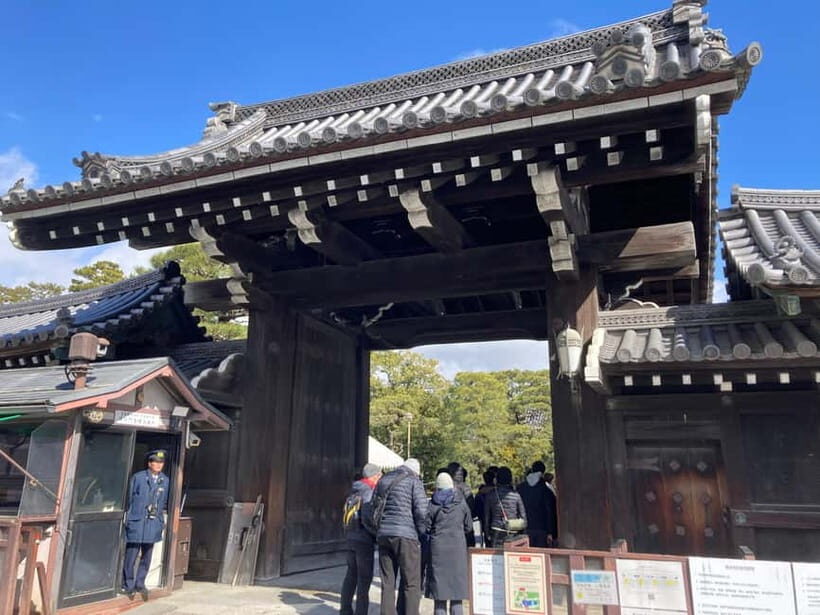
Kiyomizu-dera is a UNESCO World Heritage standout, and it’s also one of those places where the experience is partly about timing. A guide’s job is to help you reach the best viewpoints without wasting time.
Wajid’s tour route included Kiyomizu-dera with a nicely paced explanation, then continued into the historic lanes afterward. That sequencing matters. The temple can leave you with questions, and walking the old streets right after helps your brain “place” what you just learned.
The main consideration is stairs and uneven walking. If your legs aren’t thrilled by climbs, you still can enjoy it—just ask your guide to plan a route with fewer steep detours or more breaks.
Other guided tours in Kyoto




Sannenzaka and Ninenzaka Streets: Shops, Stairs, and Photo Stops
The stone lanes of Sannenzaka and Ninenzaka are famous for a reason. They’re the kind of streets where a guide helps you see past the postcard.
In Lesley’s account, Wajid pointed out cultural details and photo spots, turning the walk into something more than shopping corridors. If you enjoy small discoveries—signs, architectural quirks, and street-level traditions—this part of the day is where Kyoto can feel personal.
Reality check: this is also where crowds cluster. Plan for slower movement and expect you’ll bump elbows at peak times. If you’re sensitive to crowds, tell your guide and they can adjust the order of sights.
Philosopher’s Path, Ginkaku-ji, and a Slower Side of Kyoto

Not every Kyoto day needs to be all gates and major temples. A route that includes the Philosophers Path and Ginkaku-ji gives you a calmer pace and a different kind of beauty.
Sophie’s tour description included a walk starting after a climb day, then moving along the Philosophers Path and to Ginkaku-ji, with careful information-sharing during the walk. That’s a good reminder: in Kyoto, you don’t have to do everything in one burst. You can design a day that balances big moments with long, readable strolls.
The practical drawback: this route rewards slow thinking, not marathon speed. If you book a short duration, make sure you prioritize either the most famous sites or the most scenic slow walks—but don’t try to compress both perfectly.
Daimonji and the Temple vs Shrine Lesson You’ll Keep
Daimonji is the kind of climb that changes how you see the rest of Kyoto. One guide, Kevin, is praised for explaining the differences between temples and shrines before heading up, including what those differences mean in real terms.
That lesson is a quiet superpower. Kyoto has two big categories of sacred spaces, and without context you can misread what you’re seeing. With the temple-vs-shrine explanation, you start noticing how worship spaces function and why the details matter.
A small warning: climbs can be brutally hot. Sophie explicitly noted it was HOT in Kyoto, and the tour included stops and pacing that helped. If you’re traveling in summer, consider an early start and build in shade breaks.
Gion, Maruyama Park, and Geisha-Era Details
When your tour reaches Gion and Maruyama Park, the city shifts into its more story-driven mode. This is where a guide’s cultural commentary really adds value.
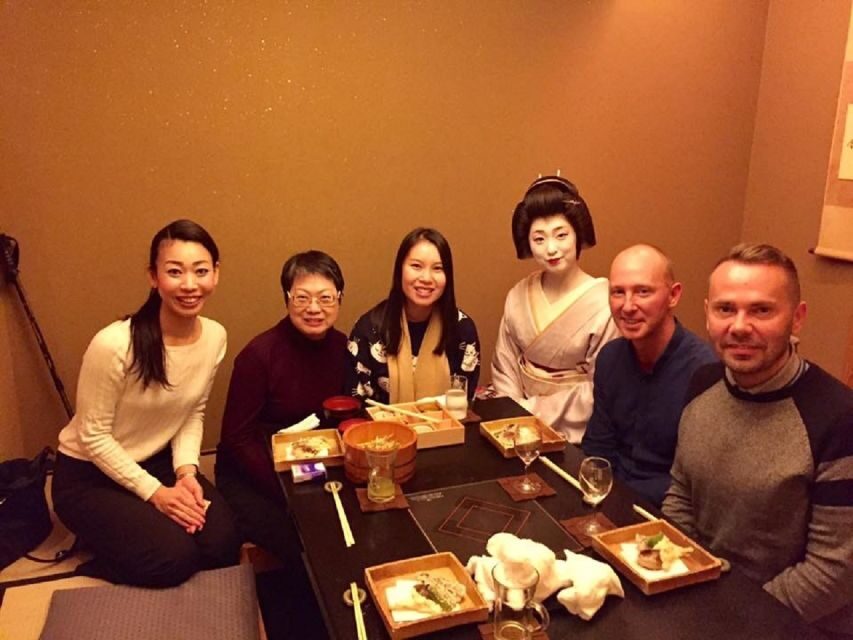
Lesley’s write-up mentions geisha culture explanations and even spotting a Pokémon manhole. That’s the kind of detail I love because it’s both playful and local. It reminds you that Kyoto is not a museum after closing time.
Practical tip: this neighborhood is great for a stroll, but it’s not always great for speed. If you’re the type who hates lingering, you might want your guide to set time boundaries so you still have energy for dinner.
Price and Logistics: Is $62 Good Value?
At about $62 per person, the value mostly comes from what you’re paying for: a private guide who can adapt your day and help you avoid common first-time friction.
Here’s what you’re getting for the money:
- Private walking tour with route customization
- Meetup flexibility with hotel pickup if you’re staying in the city
- Walking plus public transport support when needed (car isn’t part of this walking format)
- Help from the provider’s team to book tickets for the visits you want
- Multiple guide languages: Spanish, English, French, Italian
- A wheelchair-accessible option (so the tour is designed to be accessible, not just for able-bodied speedsters)
What costs extra:
- Drinks and food
- Tickets for attractions
- Any local transport beyond the walking/public-transport format described
My take: $62 is a fair price if you plan to use the guide’s brain. If you’re only after one temple you could reach yourself quickly, it’s less compelling. But if you want your day to run smoother, make sense faster, and include context (not just photos), it’s strong value—especially because the tour can flex to your pace and interests.
Who This Tour Fits Best (and Who Should Choose Another Plan)
This tour fits you if:
- You want a first-timer-friendly Kyoto orientation without guessing your way around
- You like asking questions and getting answers that connect the dots
- You care about cultural meaning, not just landmarks
- You want help with efficient movement and timing
It might be a mismatch if:
- You’re hoping for a mostly seated, low-walking itinerary
- You want fully planned meals included in the price
- You’d rather spend your time on your own schedule with zero guiding
If you’re traveling with kids, it can work well because the route is adjustable. Reviews mention guides adapting to children and keeping everyone comfortable.
Should You Book This Kyoto Private Walking Tour?
I’d book this tour if you want your Kyoto day to feel organized, explainable, and tailored. The best version of this experience is when you arrive with a couple of priorities and let your guide handle the sequencing, the pacing, and the “what does this mean?” part.
Don’t book it blindly if walking long distances stresses you out. The format is a walking tour, and you’ll likely face stairs and heat at certain stops. If you’re mindful about footwear, start times, and breaks, you’ll get a lot of value from having a guide who can turn famous sights into understandable stories—plus help you avoid dead-end wandering.
FAQ
FAQ
How long is the Kyoto private walking tour?
It runs from 2 to 8 hours. You can check availability to see starting times for your chosen duration.
Is the tour private or shared?
This is a private group tour, meaning you won’t be grouped with strangers.
Where do you meet the guide?
You meet in Kyoto, and hotel pickup is included if your accommodation is located in the city.
What languages are available for the guide?
Guides are available in Spanish, English, French, and Italian.
What is included in the price?
The tour includes a private walking tour, customization, hotel pickup (when in-city), walking tour plus public transport as described by the provider, and help from the team to book tickets for the visits you want.
Are food and drinks included?
No. Drink or food is not included.
Are attraction tickets included?
No. Tickets to attractions are not included, though the team can help you book the tickets.
Is transport by car included?
No. It’s a walking tour and local transportation around the city isn’t included as car service. Public transport may be used as part of the walking format unless you select a different option.
Can I cancel and get a full refund?
Yes. You can cancel up to 24 hours in advance for a full refund.