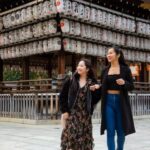
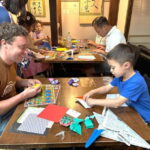
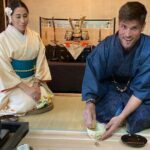
Kyoto food tells stories, fast. This private 6-hour tour pairs street-food browsing with cultural context, so you’re not just eating, you’re understanding what you’re looking at as you go. You’ll focus on classic areas like Nishiki Market, Gion, and Pontocho, and your route can be adjusted to match what you care about most.
I especially like the “small-group in spirit” feel: it’s a true private tour, so you can move at a pace that works for you and your questions don’t get lost. I also like that you’re not limited to food stops only, because the route includes cultural sights like shrines and temples alongside tastings and snacks.
One consideration: not everything is included. Entrance tickets (for you) are not included for several major sites, and lunch plus transit costs are also on you, so the final bill can creep up if you’re planning to add extra meals and paid entry.
In This Review
- Key highlights worth planning around
- Why this 6-hour private Kyoto food-and-culture route makes sense
- Nishiki Market: Kyoto’s kitchen street, five blocks of decisions
- Gion’s narrow lanes: getting your bearings without the stress
- Pontocho: an atmospheric food alley with real side-street energy
- How Kitaza sweets, Kennin-ji, and other stops fit in your 3–4 choice
- The Site of Kitaza for original Kyoto sweets
- Kennin-ji Temple for Zen calm near busy streets
- Fushimi Inari-taisha for Kyoto’s iconic shrine moment
- Tenryuji and Kiyomizu-dera if you want classic temple scenery
- Sanjusangendo for the statue focus
- Choosing Byodoin, Kyoto Imperial Palace, or Nijo Castle without surprises
- Price and value: what you’re really paying for
- Getting the most out of the guide (especially if you want meaning, not just sights)
- Logistics you’ll notice on the ground: pickup, mobile ticket, and timing
- Who this Kyoto Food & Culture tour is best for
- Should you book this Kyoto Food & Culture 6hr private tour?
- FAQ
- How long is the Kyoto Food & Culture private tour?
- Is this tour private or shared?
- What does the $153.11 per person price include?
- Is pickup included?
- Do I need to buy tickets for the sites?
- Is lunch included in the tour price?
- Are food and drinks included?
- How does customization work?
- Do I get a mobile ticket?
- Who is allowed on this tour?
Key highlights worth planning around
- Private, licensed guide: you get local explanations, not just directions
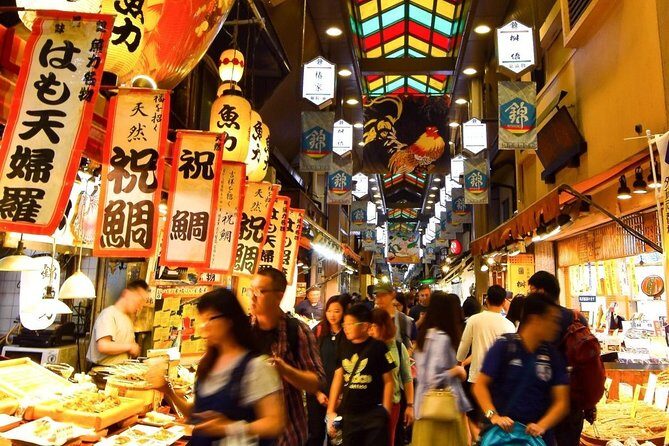
- Nishiki Market: a tight, five-block food street with 100+ shops
- Gion and Pontocho: alley settings that make food culture feel real, not staged
- Custom 3–4 stops: choose the mix that fits your interests and energy level
- Temple-and-shrine variety: from Fushimi Inari to Zen spaces like Kennin-ji
Why this 6-hour private Kyoto food-and-culture route makes sense
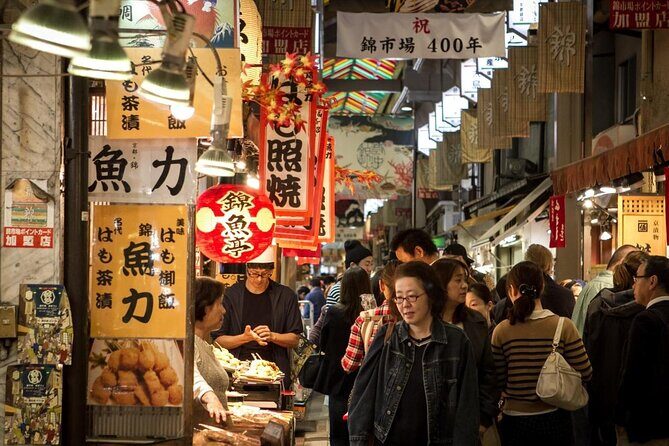
Kyoto can feel big and confusing, especially around the “famous” neighborhoods. This tour is built to give you structure: you pick a short list of stops, then your licensed guide helps you connect the food to the people, traditions, and daily life around you.
Because it’s private, you’re not stuck waiting for a big group to finish ordering or to find the same snack. You can also ask practical questions as you walk: what to try first, what’s worth the price, and how to read what you’re seeing on menus and shop signs.
The route selection is flexible too. You’ll have 3–4 site choices from a set of popular options, which is the right format for a day when you still want time to wander afterward on your own.
If you're still narrowing it down, here are other tours in Kyoto we've reviewed.



Nishiki Market: Kyoto’s kitchen street, five blocks of decisions
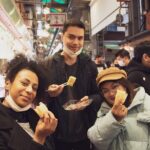
Nishiki Market is one of those places where your eyes do the ordering. It’s a narrow shopping street about five blocks long, with more than one hundred shops and restaurants packed along the lanes, so it’s easy to snack your way through without feeling like you’re committing to a full sit-down meal.
What I like about using Nishiki as a first stop is timing and momentum. The market works best early (before you’re tired), and starting here gives your guide a chance to set the theme: what local foods mean, which stalls are best for street-style bites, and how to choose snacks that match your taste.
Admission is free for this stop, so you’re paying for what you eat, not an entry fee. That’s a smart way to control cost while still getting variety, especially if you want to sample more than one thing.
Possible drawback: because it’s so concentrated, you can end up eating “just because it’s there.” If you go with a plan—sweet first, savory second, then one drink—you’ll feel more satisfied and less like you’re grazing randomly.
Gion’s narrow lanes: getting your bearings without the stress
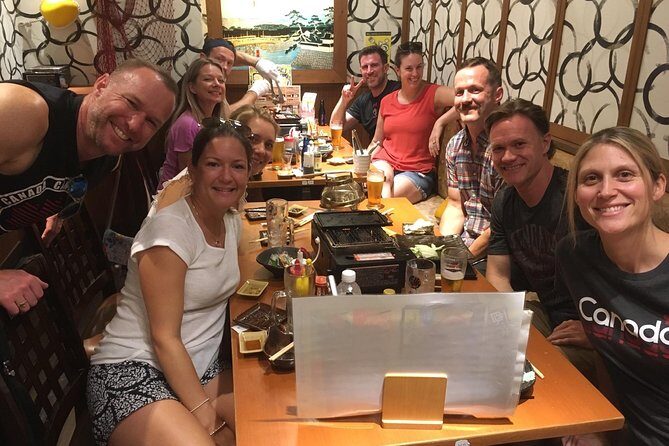
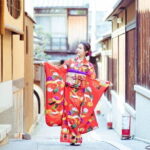
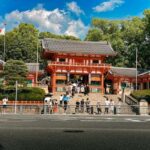
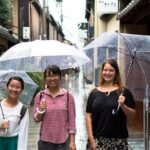
Gion is beautiful, but first-time navigation can be tricky. The tour takes you through the Geisha district area in a guided way, which helps you understand what you’re seeing and where to walk without feeling like you’re guessing.
This is also a good place to ask about etiquette and context. Even when you’re not there for a performance or a show, your guide can explain how the district’s traditions shape the neighborhood—things like the rhythm of the streets and why certain details matter.
Admission is free for this stop, so the value here is mostly in guidance and interpretation rather than tickets. In other words, you’re paying for local sense-making, not a gate fee.
If you’re short on time in Kyoto, Gion is a smart culture “anchor.” If you’re very into crowds and people-watching, it can feel busy at peak hours, so I’d plan to keep your walking pace steady and let your guide steer you around the thickest moments.
Pontocho: an atmospheric food alley with real side-street energy
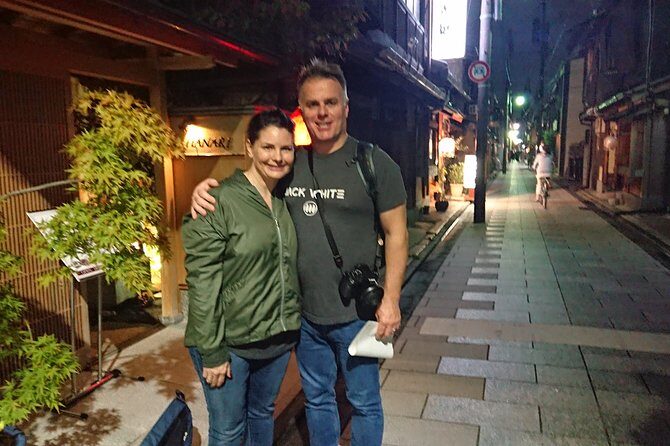
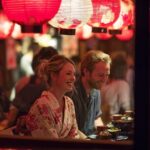
Pontocho is one of Kyoto’s most recognizable dining lanes, a narrow alley running between major streets near the Kamogawa River. It’s basically built for lingering—restaurants line the street and the vibe changes depending on the hour.
In a food tour format, Pontocho helps you connect the dots between what you tried at Nishiki and what you’ll likely order at a restaurant later. Your guide can point out differences in how dishes are presented and what kinds of bites fit street browsing versus table service.
Admission is free here too, which keeps the focus on walking and learning. Your “investment” is time and taste, not another entry ticket.
One practical tip: because this is restaurant-heavy, it’s easy to feel pressured to sit down immediately. If you’re already planning lunch on your own later, you may want to keep your spending lighter during this stop and save your biggest meal for when you’re sure you have time.
How Kitaza sweets, Kennin-ji, and other stops fit in your 3–4 choice
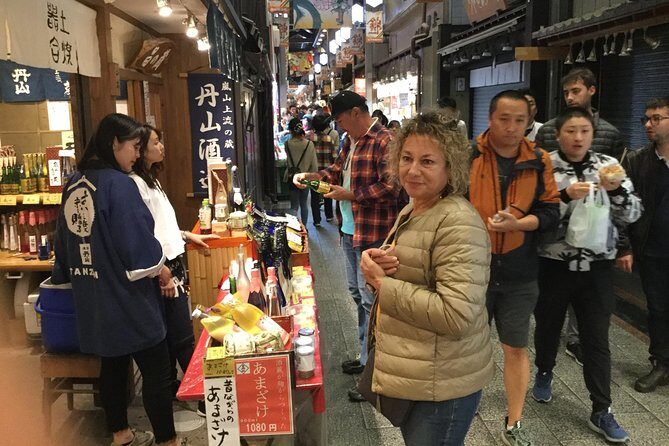
Your tour isn’t designed to run you through every landmark. Instead, you choose 3–4 sites from a menu of options, and your guide builds the route around that.
Here’s how some of the selectable stops work in real life:
A few more Kyoto tours and experiences worth a look



The Site of Kitaza for original Kyoto sweets
This stop is short and food-focused, in a building renovated from Kabuki Theater. You’re able to enjoy original Kyoto sweets right there, and the admission ticket is listed as free for this stop.
This is a good choice if you want a “dessert break” without turning it into a long detour. It also breaks up temple-walking time, which matters in a 6-hour window.
Kennin-ji Temple for Zen calm near busy streets
Kennin-ji is close to well-known shopping streets, but the temple grounds give you a pause from the city pace. Dry landscape gardens are part of what you’ll see, and the stop duration is very brief in the plan, so it’s more of a guided taste than a long-form temple visit.
Entrance is not included for you at this stop, so budget for possible ticket payment if you want full access to gardens and areas that require it.
Fushimi Inari-taisha for Kyoto’s iconic shrine moment
Fushimi Inari is famous for a reason, but a guided visit helps you make sense of what you’re looking at. Your stop is short, and admission is listed as free for this stop, which makes it a good “high impact” option when you’re customizing your route.
It’s also a strong photo location, but the bigger value is having your guide explain what makes this shrine meaningful beyond the postcard view.
Tenryuji and Kiyomizu-dera if you want classic temple scenery
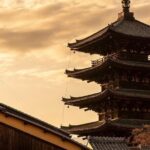
Tenryuji is tied to Arashiyama and is listed as an important Zen temple and a World Heritage site. Kiyomizu-dera is typically where Kyoto visitors come for sweeping views and temple storytelling, and in this tour format the stop is set up as a 1-hour guided visit.
Both have entrance tickets not included for you, so treat them as “possible paid entry” choices. If you’re trying to keep costs down, prioritize the stops that are listed as free and swap paid-entry temples in only if they’re truly on your must-see list.
Sanjusangendo for the statue focus
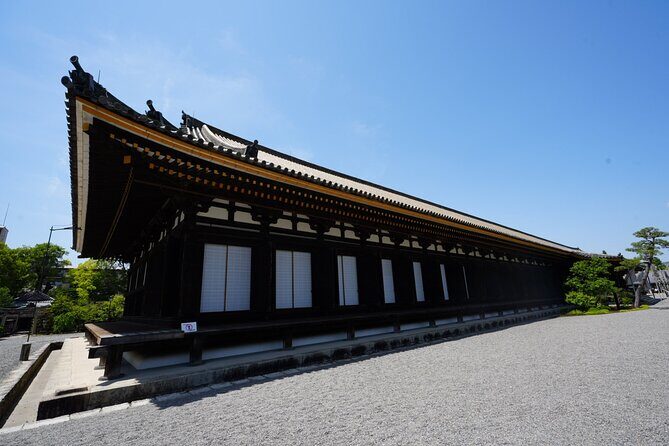
Sanjusangendo is famous for its 1001 statues of Kannon. The time shown is very short, so you’ll likely see the headline attraction area rather than a slow museum-style visit.
Entrance tickets are not included for you here. If you’re the type who likes to read details and sit with artwork, you may find this stop feels “quick,” but it still can be a memorable snapshot.
Choosing Byodoin, Kyoto Imperial Palace, or Nijo Castle without surprises
Some options in the set are bigger “travel commitments.” Byodoin is in Uji city, which your itinerary calls out as extra travel time. That matters because the tour is only about 6 hours total, so you’ll want to think about how you want to spend your limited time.
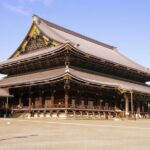
If you choose Byodoin, you’re picking a UNESCO World Heritage site experience centered on the Phoenix Hall. Entrance is not included for you, and you should assume the day will feel more like a “destination trip” than an easy Kyoto neighborhood stroll.
Kyoto Imperial Palace and Nijo Castle are also options with entrance not included for you. Both are major cultural and historical stops, and in a customized 3–4 selection, they can give you a break from alley-food wandering while still keeping the theme tied to Japanese traditions.
Possible drawback: if you pick too many paid-entry sites with short stop durations, the day can start to feel like passing through. The fix is simple: pick one “big ticket” cultural stop plus two or three food-and-street-focused moments.
Price and value: what you’re really paying for
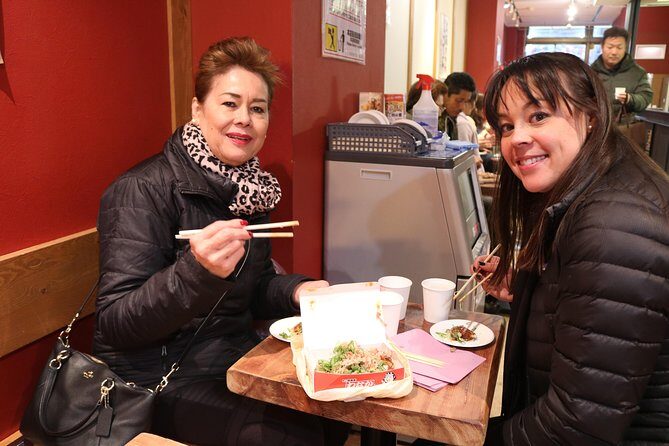
At $153.11 per person for about 6 hours, the pricing makes sense if you value guidance over unguided wandering. You’re not just paying for walking; you’re paying for a licensed guide, private pacing, and a route that’s adjustable to your interests.
A lot of Kyoto food experiences are either super generic or too loose to be efficient. This one tries to land in the middle: it gives you a plan, but you still choose the mix of stops.
What you should budget for beyond the tour price:
- Lunch (for you and your guide is listed as not included)
- Entrance fees (for you) at many temple/shrine/palace stops
- Food and drinks you buy while tasting
- Transportation fees for you and your guide (even with pickup offered)
The cost turns “good value” when you use the tour to make smart eating choices and avoid spending on meals that don’t match what you wanted. If you come hungry and communicate your preferences clearly, you’ll usually get more from the experience.
Getting the most out of the guide (especially if you want meaning, not just sights)
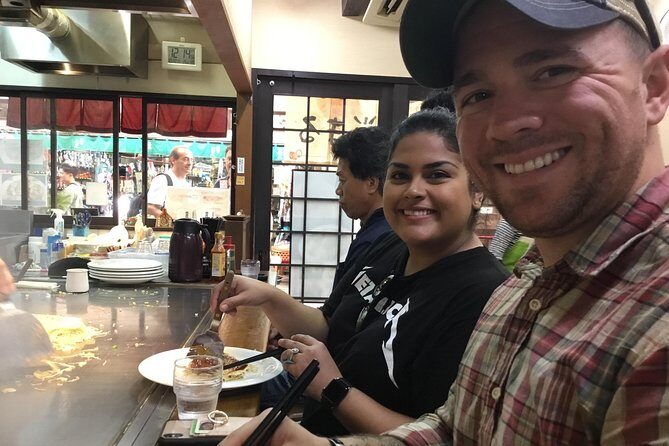
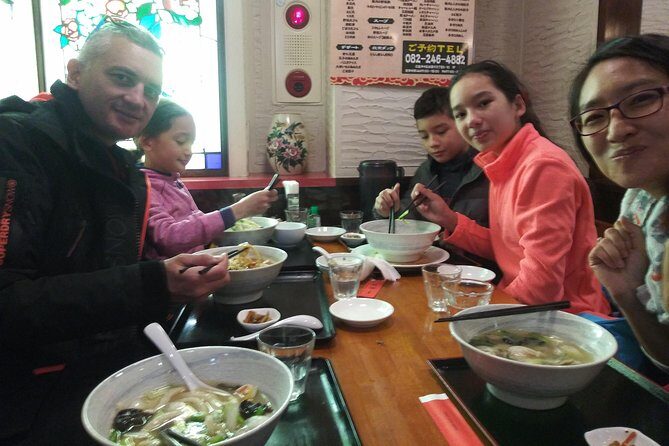
The strongest praise I’ve seen tied to this kind of tour style is how the guide connects what you’re seeing to why it exists. In one write-up, the guide signed as Lily, and the guest specifically praised her for opening their eyes to Japanese culture, traditions, religion, and the meaning behind different parts of Japan, for both younger and older family members.
That’s the kind of tour difference that matters. A licensed guide can explain the symbolism behind temple and shrine spaces, and that turns a quick stop into something you’ll remember when you’re back home.
If you like learning, tell your guide what you’re curious about before you start. Ask whether you want more food technique (how to choose, what to order, how portions work) or more cultural context (what shrines/temples represent, how neighborhoods formed, and how traditions show up in everyday life).
Logistics you’ll notice on the ground: pickup, mobile ticket, and timing
The tour offers pickup, uses a mobile ticket, and is described as private for your group only. It’s also near public transportation, so even if pickup doesn’t drop you directly at every stop, the day should stay manageable.
Timing is the big thing to watch. Byodoin in Uji is flagged as extra travel time, and temple options can include paid entry. If you’re building your perfect day, factor in that a “quick” stop can still take time for walking between points, photo stops, and ticket lines when entry fees apply.
Practical approach: choose your 3–4 sites with a balance of free/quick experiences and one or two longer or paid-entry anchor stops. That way you’re not rushing through the exact things you came for.
Who this Kyoto Food & Culture tour is best for
This works well if you:
- Want street-food tips but also care about cultural meaning
- Prefer a private pace over crowded group logistics
- Like pairing food neighborhoods (Nishiki, Gion, Pontocho) with major landmarks
- Want a guide who can tailor the route to what you’re actually into
It may be less ideal if you only want low-cost, no-thinking sightseeing. Many of the biggest cultural sites here have entrance tickets not included for you, and lunch and transport are your responsibility.
Should you book this Kyoto Food & Culture 6hr private tour?
Book it if you want a guided plan that’s flexible, and you value a licensed guide who can explain the “why” behind the “wow.” The combination of Nishiki Market plus Kyoto’s famous districts is an efficient way to eat well and understand what you’re seeing.
Skip it or adjust your expectations if you’re trying to do the most budget-friendly day possible with zero extra costs. Entrance fees and lunch are not included, and the Byodoin option can eat time due to extra travel.
If you do book, choose your 3–4 stops with your energy level and budget in mind. A smart mix—food-heavy stops plus one major cultural anchor—tends to make the 6 hours feel like your day, not a checklist.
FAQ
How long is the Kyoto Food & Culture private tour?
It’s about 6 hours.
Is this tour private or shared?
It’s a private tour. Only your group participates.
What does the $153.11 per person price include?
The tour includes a licensed local guide and a customizable route where you choose 3–4 sites from the available options.
Is pickup included?
Pickup is offered.
Do I need to buy tickets for the sites?
Entrance tickets are free for some stops, but for several major sites the admission ticket is listed as not included, so you may pay for entry depending on which sites you choose.
Is lunch included in the tour price?
No. Lunch is not included.
Are food and drinks included?
No. The cost of food and drinks is not included.
How does customization work?
You choose 3–4 sites from the list of What to expect options, and the route can be customized to your interests.
Do I get a mobile ticket?
Yes, the tour includes a mobile ticket.
Who is allowed on this tour?
Most travelers can participate, and service animals are allowed. The tour is also near public transportation.