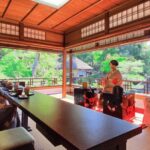
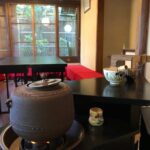
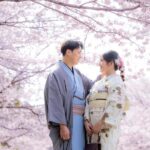
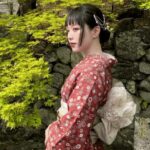
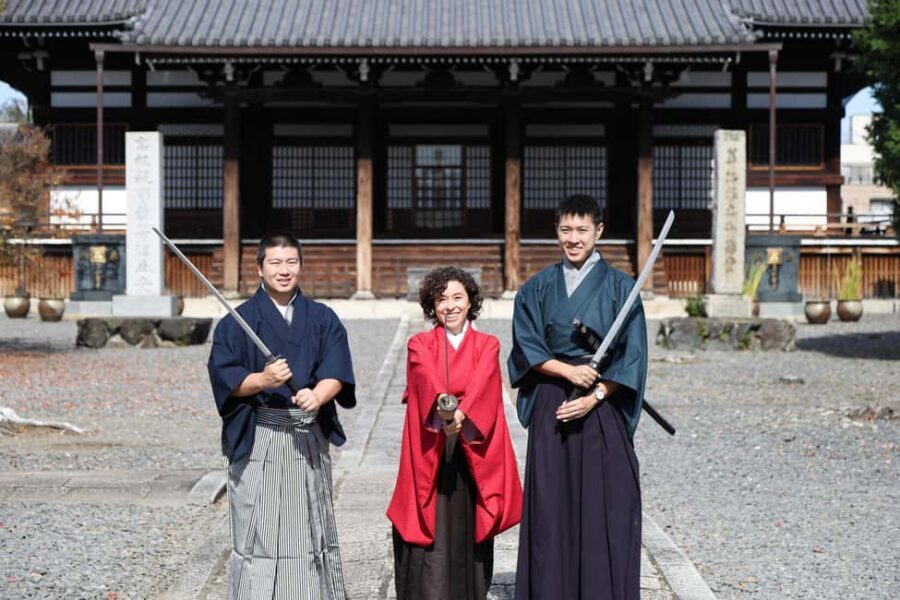
A sword class in a real temple. At Myokaku-ji, you learn chambara moves with instruction, dress in a kimono, then join a filmed swordplay scene right on site. It’s a rare mix of training, costume, and movie-making in a place tied to Sengoku-era legends like Nobunaga Oda.
I especially like two things. First, the hands-on sword coaching that gets you practicing specific techniques like makkogiri and kesagiri. Second, the human side: the instructors are Japanese, English-speaking, and the period-drama actors I saw named include Kesuke Irie San and Kazuya Naito San, who keep the vibe fun while still teaching safely.
One possible drawback: it’s physical and time-boxed. You’re doing choreographed action with a fake sword, so if you want hardcore realism or you have back/medical limits, this may not be your best Kyoto fit.
In This Review
- Key Highlights at Myokaku-ji
- Why Myokaku-ji for Samurai Sword and Kimono Action Filming
- The 70-Minute Flow: From Dojo Training to Filmed Chambara
- Sword Tricks 101: Makkogiri and Kesagiri You Actually Practice
- Kimono Dressing: What to Expect and How to Prepare
- Chambar a Performance by Professional Actors: What You’re Watching
- Your Action Footage: Photo Download, Camera Use, and Keepsakes
- Price Value in Kyoto: Is $127 Worth It?
- Who This Fits Best, and Who Should Skip It
- Practical Tips for a Smooth Dojo Session
- Should You Book This Samurai Sword and Kimono Experience?
- FAQ
- How long is the Kyoto Samurai Sword & Kimono Action Filming Experience?
- Where do I meet for the experience?
- Is the group small?
- What languages are available for instruction?
- What is included in the price?
- What is not included?
- Can I bring and use my own camera?
- What should I wear or bring?
- Who is this experience not suitable for?
- What are the cancellation and payment options?
Key Highlights at Myokaku-ji
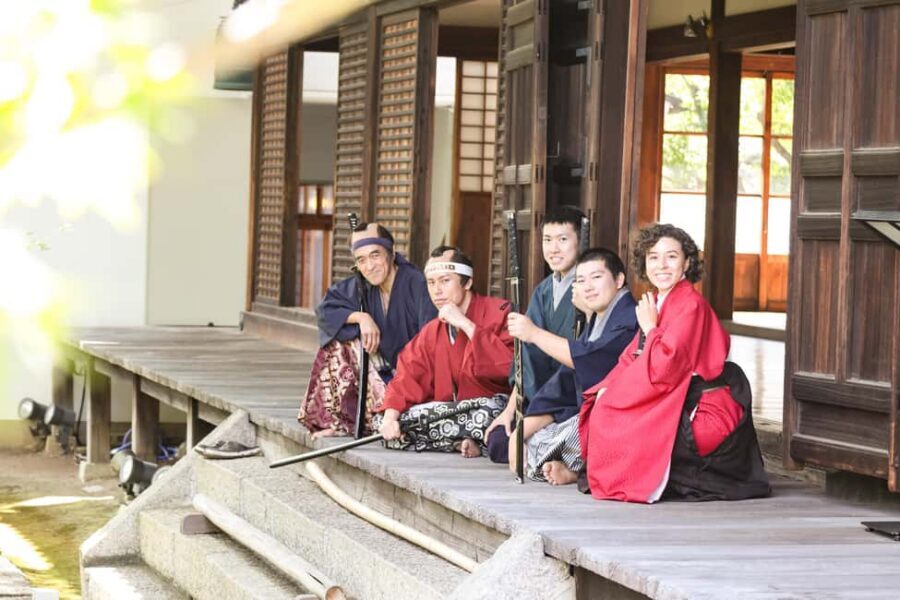
- Temple dojo sword instruction: learn how to hold and wield safely before you act it out
- Makkogiri and kesagiri practice: real technique names, not just posing
- Kimono rental included: dressing help so you can focus on the fun
- Professional chambara actors: period-drama performance style with bushido-flavored discipline
- Filming and photo download: you leave with footage you can actually share
Why Myokaku-ji for Samurai Sword and Kimono Action Filming
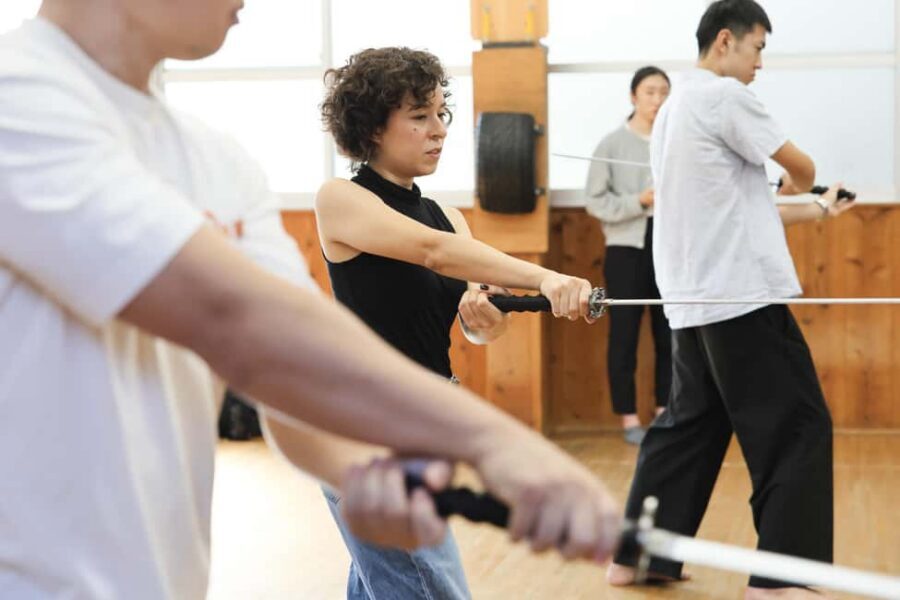
Kyoto has plenty of cultural experiences, but this one is built for action. The setting is Myokaku-ji Temple, and you’re not just looking from the sidelines. You’re in the training space, wearing costume, learning moves, and then stepping into a staged performance that looks like it belongs in a Sengoku-era film.
The big reason I’d target this specifically is how the experience is packaged around one location. You’re learning in the temple context, then you immediately shift into filming. That flow matters. It keeps your attention up. It also means the “I’m doing this in a historic place” feeling is not something you tack on at the end.
There’s also a practical upside: the experience is designed for small groups of up to 6. Less crowding usually means faster coaching, clearer safety guidance, and a better chance that your sword technique actually gets corrected instead of ignored.
A few more Kyoto tours and experiences worth a look
The 70-Minute Flow: From Dojo Training to Filmed Chambara
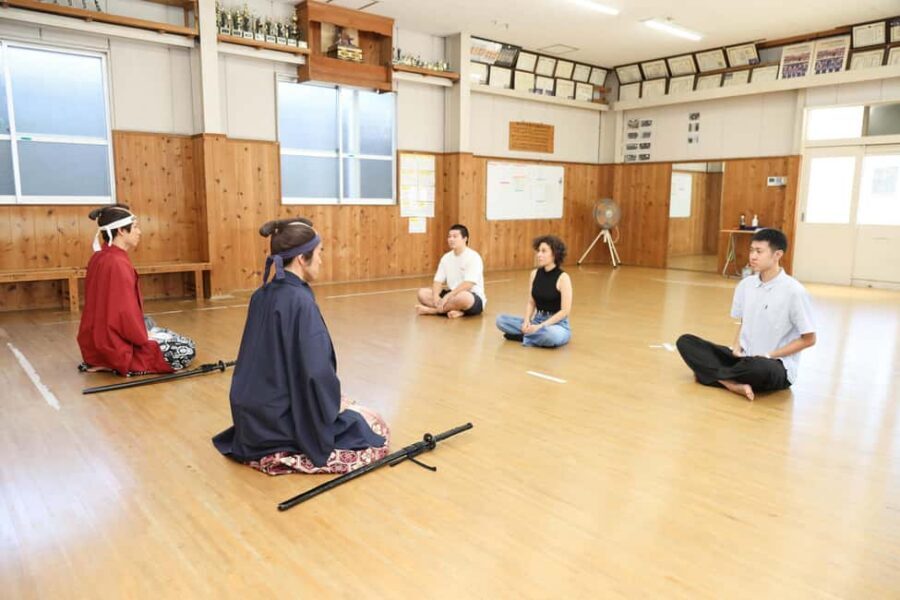
This runs 70 minutes, and it’s structured to keep momentum. Even if you’re new to sword play, you won’t get stuck doing only warm-ups.
Here’s the typical sequence, in plain terms:
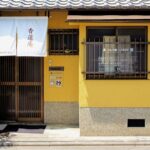
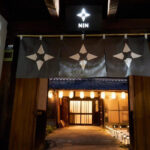
You start by meeting at the Myokaku-ji Dojo. The instructions are clear: gather to the left after entering the main gate of Myokaku-ji Temple. There’s also a skip-the-line separate entrance, which helps you arrive without the usual waiting game.
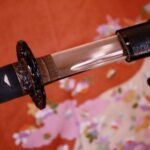
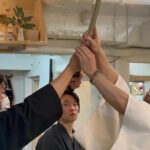
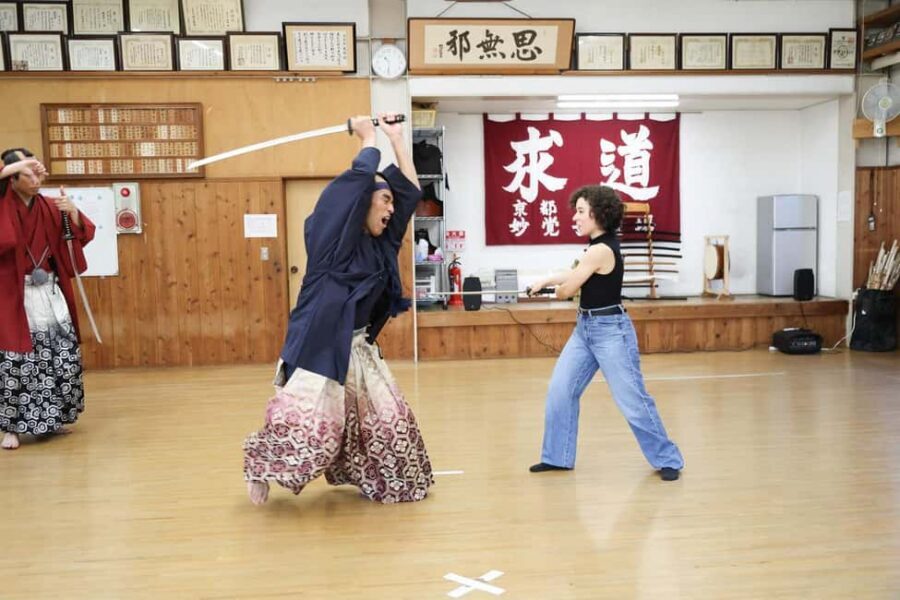
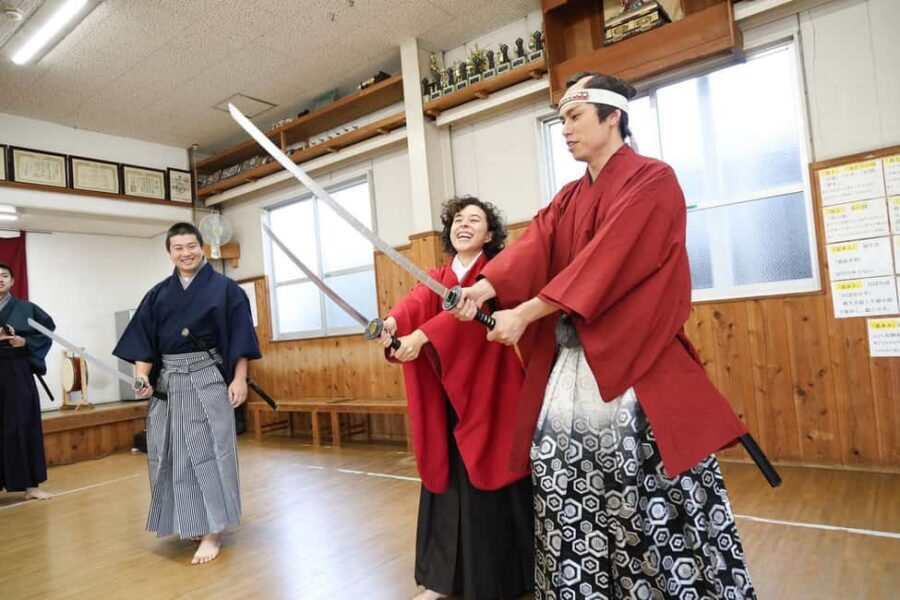
Next comes the training portion. You receive instruction on sword handling: how to grip, how to wield, and how to perform the required moves safely. The coaching is aimed at getting you from zero to “ready to act” quickly.
Then you dress. The kimono rental is included, and kimono dressing is treated as its own step, not an afterthought. After you’re ready, you move into viewing and performance training: instructors stage a chambara-style look that reflects years of bushido training in period-drama performance terms.
Finally, you get your filming moment. You perform the techniques you learned in a way that’s designed to read on camera. You can also use your own camera during the experience, so you’re not limited to what the staff records.
At the end, you get help with the memory part: a photo download service and the included recording/photo capture using your camera.
Sword Tricks 101: Makkogiri and Kesagiri You Actually Practice
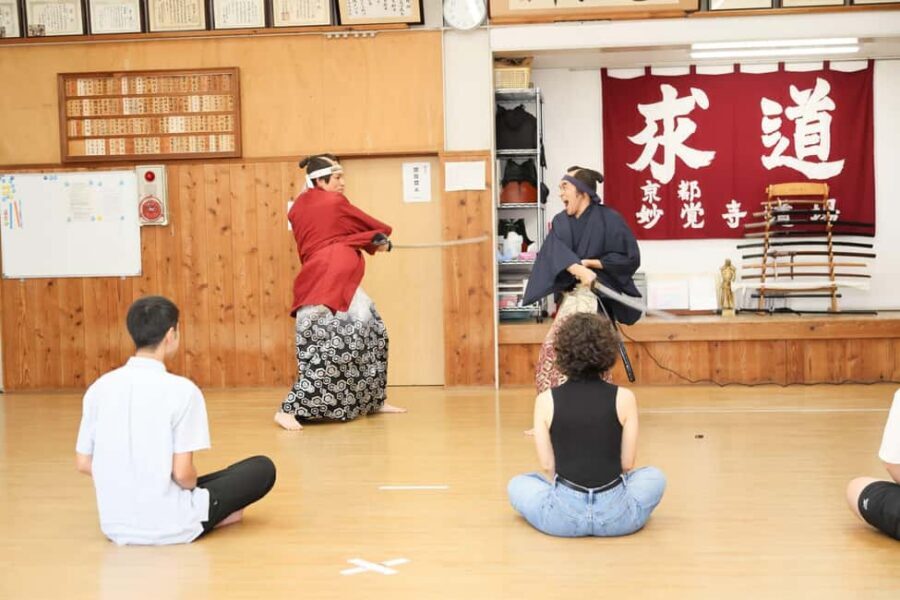
The sword training here isn’t about turning you into a swordsman. It’s about giving you enough technique to look believable and, more importantly, move safely.
You’ll receive instruction on holding and wielding the sword, with specific techniques called out, including:
- Makkogiri
- Kesagiri
Those names matter because the class is teaching recognizable, repeatable actions. You’re not just copying random choreography. You’re practicing a sequence that instructors can correct and repeat with you until it clicks.
Safety is part of the design. The experience is explicitly framed around clear instruction and controlled performance. You’ll also notice a common pattern in the way the steps are arranged: first you learn basic handling, then you watch professional performance, then you do your own takes. That order helps your brain connect movement to timing.
One more practical point: you’ll want comfortable clothes, because you’re moving. Even in a short class, your body needs to cooperate with arm positions and controlled stances. If you’re used to walking all day in Kyoto, you’ll likely be fine. If you’re stiff or nursing a medical issue, double-check the “not suitable” list (more on that below).
Kimono Dressing: What to Expect and How to Prepare
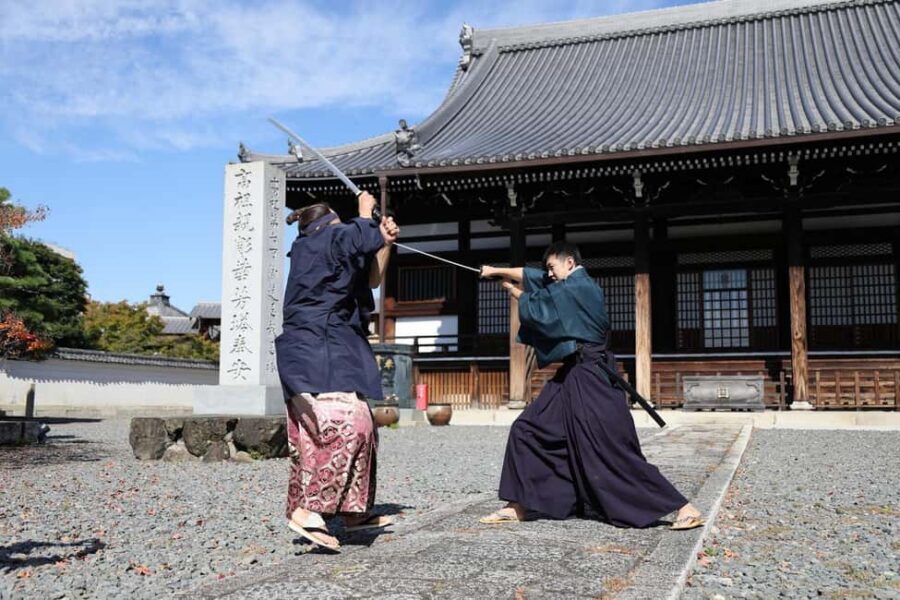
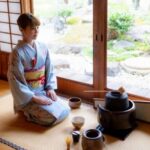
The kimono part is included. That means this isn’t just a costume cameo. You get time for kimono dressing, which is its own skill in Japanese culture. The staff helps you wear it properly so you can focus on the performance instead of wrestling fabric.
In terms of what you should do before you arrive: wear comfortable clothes. The experience asks for clothes suitable for physical activity, because you’ll be dressing, moving, and performing. Loose layers and easy-to-remove items help you avoid stress when it’s time to change.
You should also bring your camera, and have it ready. The experience allows you to shoot photos and videos during the class, and your footage becomes part of the keep-it approach. (They also handle photography/video recording with your camera, and you get a photo download service.)
One thing to keep in mind: kimono can be a bit restrictive depending on fit and movement. The class is built for that reality, so you won’t be thrown into wild gym-stunt positions. Still, don’t plan on doing deep lunges or acrobatics. This is costume sword performance, not a wrestling match.
Chambar a Performance by Professional Actors: What You’re Watching
After training, you get to watch a chambara performance led by professional actor-instructors. The purpose isn’t just entertainment. It’s a teaching tool.
These instructors perform chambara in a way meant to reflect bushido-inspired discipline, translated into period-drama style. You’ll see how moves look when they’re timed for the eye and the camera, not only for technique counts.
In the reviews people highlight two themes over and over: the acting energy and the patience. The actors are often funny, and they don’t treat beginners like they’re in the way. Names that come up include Kesuke Irie San and Kazuya Naito San, who are described as having acted in Japanese movies and TV shows. That professional background shows in how the performance is paced and how coaching is delivered.
If you’re wondering whether you’ll understand what’s happening during the performance: yes. The class is set up so you can watch, then immediately try the moves. That feedback loop keeps it from becoming a passive show.
A few more Kyoto tours and experiences worth a look


Your Action Footage: Photo Download, Camera Use, and Keepsakes
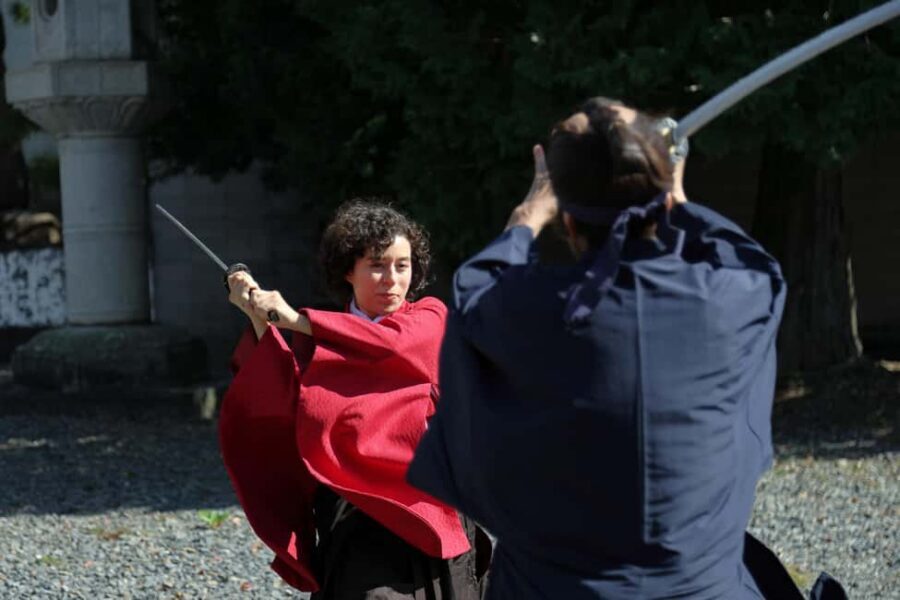
The “memory” piece is a real value driver here. You don’t just pose once and leave. You get multiple shots and recordings tied to your own performance.
What’s included:
- Photo download service
- Photography and video recording using your camera
- Rental kimono
- Indemnity insurance specified by us
You’re also welcome to shoot your own scene with your camera during the swordplay portion. That means you can create your own cut for social media or share the whole set with friends.
Why I like this approach: it lowers the usual Kyoto-experience frustration of getting dressed up, doing a cool moment, and then realizing you have blurry, unusable footage. Here, the class actively supports the filming outcome. Even if you’re not a filmmaker, you’ll likely end up with something fun to show.
Also, this experience is short, so footage is the payoff. You can’t spend all day learning sword craft. The class compensates by turning the time into a cinematic result.
Price Value in Kyoto: Is $127 Worth It?
$127 per person sounds like a splurge until you look at what’s actually bundled into the price.
You’re paying for:
- Temple dojo access in Myokaku-ji
- Instruction in sword handling
- A kimono rental
- A pro chambara performance component
- Photo download service and staff recording using your camera
- Small group attention (limited to 6)
Many “culture” activities are mainly observation. Here, you’re doing. Many “costume” activities are mostly dressing. Here, you’re also learning and acting.
The value comes from the combination. Kimono alone can be pricey when you book it separately. Then add guided instruction and the filmed performance, and the math starts to make more sense.
The one caution: because the class is only 70 minutes, don’t expect an all-day skill program. Expect a fun, well-managed introduction that produces a shareable result.
If you want a classic museum day or a quiet shrine stroll, this isn’t that. If you want a Kyoto story you can replay on your phone for years, this is.
Who This Fits Best, and Who Should Skip It
This experience is best for people who like doing things, not just watching.
You’ll probably enjoy it if:
- You want a light, safe taste of swordplay choreography
- You like cosplay-style cultural fun (with real instruction)
- You’d enjoy acting in front of the camera, even if it feels awkward at first
- You want a short activity that still feels memorable
It’s not suitable for:
- Children under 5
- Pregnant women
- People with back problems
- People with pre-existing medical conditions
- People over 95
That isn’t small print to ignore. Even though the sword is fake and the class is controlled, you’re still moving, wearing kimono, and following instruction. If your body needs a low-impact experience, pick something else.
Also, there are rules:
- No smoking
- No alcohol and drugs
If you’re traveling with someone who tends to overdo it physically, this is the moment to agree on pacing and comfort.
Practical Tips for a Smooth Dojo Session
A few tips will make your 70 minutes feel easier:
- Bring your camera (and make sure it’s charged). You’re allowed to take photos and videos during the experience.
- Wear comfortable clothes that work for physical activity. Even with kimono dressing included, you still need something practical to start in.
- Arrive ready to move. This isn’t a sit-and-listen lecture.
- Follow the meeting point instruction: Myokaku-ji Dojo to the left after entering the main gate.
- Expect the group size to be small. Limited to 6 means you’ll get more individual coaching, so pay attention when they correct your grip and stance.
- If you’re the type who hates being the center of attention, remember: the filming is part of the fun. The instructors aim to make it entertaining while keeping it safe.
One more consideration: transportation and meals are not included. My advice is to plan the day so you’re not rushing to eat immediately before. You’ll enjoy it more if you can arrive feeling calm.
Should You Book This Samurai Sword and Kimono Experience?
I think it’s a strong choice if you want a hands-on Kyoto experience that feels like a movie scene by the end. The combo is the appeal: temple setting, kimono rental, sword trick instruction with named techniques, pro chambara performance, and footage you can take home.
Book it if:
- You’re comfortable being active for a short time
- You want photos and video that actually look good
- You like playful performance with clear coaching
- You want something different from the typical shrine-and-temple route
Skip it if:
- You fall into the not-suitable categories (especially back issues or pre-existing medical conditions)
- You want quiet, low-movement sightseeing
- You’re expecting a real-life combat lesson (this is choreography and safety-first performance)
If your goal is to leave Kyoto with a story that feels cinematic, this delivers.
FAQ
How long is the Kyoto Samurai Sword & Kimono Action Filming Experience?
It lasts 70 minutes.
Where do I meet for the experience?
Meet at the Myokaku-ji Dojo, to the left after entering the main gate of Myokaku-ji Temple.
Is the group small?
Yes. The group is limited to 6 participants.
What languages are available for instruction?
The instructors speak Japanese and English.
What is included in the price?
Included items are rental kimono, photography and video recording using your camera, photo download service, and indemnity insurance specified by us.
What is not included?
Transportation to/from Myokaku-ji Temple and meals are not included.
Can I bring and use my own camera?
Yes. You’re welcome to take photos and videos during the experience, and the class also does photography and video recording using your camera.
What should I wear or bring?
Bring a camera and wear comfortable clothes suitable for physical activity.
Who is this experience not suitable for?
It is not suitable for children under 5, pregnant women, people with back problems, people with pre-existing medical conditions, and people over 95.
What are the cancellation and payment options?
You can cancel up to 24 hours in advance for a full refund, and there’s a reserve now & pay later option.