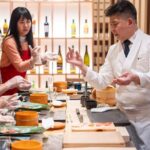
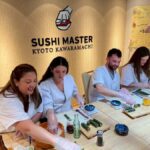
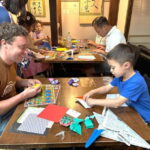
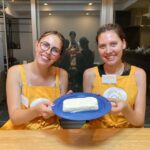
This one-hour class turns sushi into something you can actually repeat at home, not just admire from a counter. You roll flower-pattern sushi in a real Kyoto-style house, and you also get the story behind how sushi rolls evolved from Edo-period techniques to later, more patterned styles. I love that the lesson is hands-on and immediately useful.
I also love the care that goes into the details—like the way the instructor uses natural edible pigments to color the rice for ornate patterns. If you’re the type who likes to document everything, one drawback is simple: video recording isn’t allowed during the class.
In This Review
- Key things you’ll notice right away
- Where You Roll Sushi Near Nijo Castle
- Aya Sets the Tone in a Traditional House
- The Edo to Showa Story You Learn While You Cook
- Making Flower-Like Sushi Rolls (Yes, Really)
- What’s Included in the $82 and Why It’s Fair
- Practical Tips So Your Rolls Actually Look Like the Example
- Who This Class Fits Best in Your Kyoto Plan
- Should You Book This Art Sushi Class Near Nijo Castle?
- FAQ
- How long is the sushi class?
- How much does it cost?
- What’s included with the class?
- Is the instructor able to teach in English?
- Can I record video during the class?
- Where do I meet the instructor?
Key things you’ll notice right away

- A Kyoto home base near Nijo Castle with a small gate and noren curtain
- Bilingual instruction (English and Japanese) from the instructor, Aya
- Flower-like sushi rolls you can’t exactly order in most restaurants
- Rice colored with natural edible pigments for the decorative patterns
- Take-home tools and a recipe booklet so you can practice after you get home
Where You Roll Sushi Near Nijo Castle

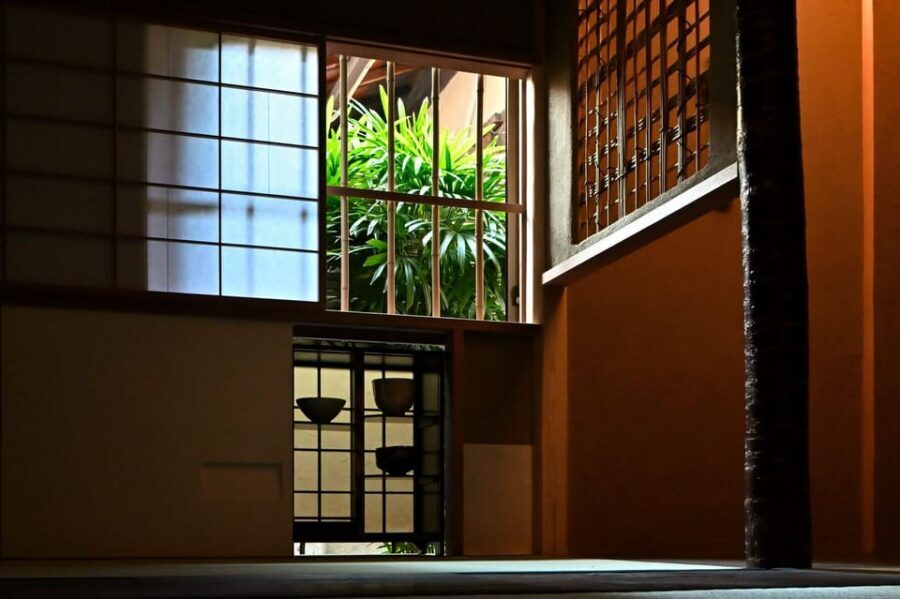
The experience starts with a location that feels more local than touristy. You meet at an authentic Japanese-style house called Sakura Experience Japanese Culture (search さくら日本文化体験 Sakura Experience Japanese Culture in your map app). It’s about 200 meters east of Nijo Castle—close enough that you’ll likely walk in, but far enough that you’ll want your directions to be correct.
This is also one of those Kyoto setups where a little planning pays off. Your instructions specifically note that map pins can be off if your app is outdated (COVID-era changes affected points of interest in Kyoto). I’d treat that as a real heads-up: update your map app before you go, so you don’t waste your class time hunting.
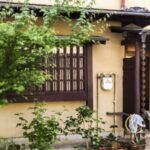
Once you find the place, you’ll recognize it: a small wooden gate at the front with a noren curtain. There’s space to park a bike, which is handy if you’re exploring Kyoto that way.
A few more Kyoto tours and experiences worth a look

Aya Sets the Tone in a Traditional House

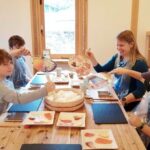
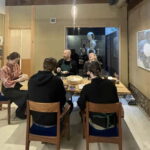
Inside, the class setup is designed for making. You get the tools you need for sushi making (rental utensils), and you’ll also get an original recipe booklet you can bring home and follow. That booklet matters more than it sounds. When you learn a decorative roll, the technique is half the challenge—and the step-by-step reference helps you recreate it later without second-guessing.
You’ll also be able to enjoy Japanese tea or water during the lesson. It’s a small thing, but it helps make the hour feel like a calm craft session rather than a rushed demonstration.
One detail I really like: you wear komono during the class. It’s not just a photo prop. The outfit helps shift you into the rhythm of the activity, and it makes the whole thing feel like you’re participating in a tradition, not just buying an experience.
The class is a private group. That’s a practical advantage in a skill-based lesson, because you’re not stuck waiting your turn while other people roll and redo their shapes.
The Edo to Showa Story You Learn While You Cook

You don’t just get technique. You get context—why sushi rolls became a thing, and why they look the way they do today.
The story starts in the Edo period, roughly between 1750 and 1776, when popular culture was blossoming. Sushi made with sake and vinegar spread during that time, and vinegar helped make the process faster. In the early 1800s, that vinegar approach became mainstream, because speed and practicality started to matter more.
Then you move forward again. In the Showa period, sushi rolls began to take on more complicated patterns. That’s the connection to what you’ll make in class: decorative rolling isn’t just aesthetics. It’s tied to changing tastes and changing ideas about how sushi could be presented.
This historical framing is useful for you because it changes how you practice. Instead of thinking, I’m just copying a design, you’re learning a craft with a reason. That makes the lesson stick.
Making Flower-Like Sushi Rolls (Yes, Really)

The main event is rolling sushi—specifically rolls designed to look like a flower. The ingredients are straightforward, but the execution is where the artistry lives.
You’ll work with:
- rice vinegar and sugar for seasoning the sushi rice
- sesame
- ginger
- vegetables
- nori (seaweed)
And then comes the part that makes your roll look different from what you’ll usually see at everyday counters: ornate patterns.
To create those patterns, the class uses special coloring. You’re told that natural edible pigments are used to color the rice for the design. That detail matters because it explains why the colored sections look clean and intentional, instead of like random food dye. You’re learning a method, not just a color trick.
During the rolling process, you’ll also build your shapes step by step. The class is built around the kind of repeatable instruction that lets you recreate the technique later. Multiple reviews you can rely on in spirit point to the same outcome: the rolls come out looking like what you were shown.
If you’re hoping for a hands-off, sit-and-watch kind of class, this isn’t it. You’re making the roll, shaping the pattern, and adjusting as you go.
Also note: you can’t record video. If you want photos, you can still enjoy the moment, but you’ll need to plan your documenting in a way that doesn’t violate that rule.
What’s Included in the $82 and Why It’s Fair

At $82 per person for a 1-hour class, you’re paying for more than ingredients. Here’s what makes the value feel real:
You’re getting:
- Japanese tea or water
- rental sushi tools
- an original recipe booklet you can take home
- instruction in English and Japanese
- a private group setting
The value comes from skill transfer. A restaurant can give you sushi. This gives you the process—especially the decorative pattern work—so you can make something special later.
Also, the takeaway materials matter. A lot of cooking experiences give you a quick taste and a general sense. Here, the recipe booklet is specifically meant to help you keep going at home, which is exactly what you want if you’re traveling with a plan to bring back a craft, not just a memory.
And because you’re in a local-style home near Nijo Castle, you’re not spending the whole day in a classroom far from real Kyoto life. That location is part of the value too. You can pair this with a stroll around Nijo Castle afterward (or earlier), without turning your day into a long commute.
A few more Kyoto tours and experiences worth a look



Practical Tips So Your Rolls Actually Look Like the Example

You don’t need to be a sushi expert to get a satisfying result, but you do need to bring the right attitude.
First, treat the class like a craft. Decorative patterns improve with calm repetition, not rushing. If you slow down for the shaping steps, the roll usually behaves better.
Second, pay attention to the rice seasoning and handling cues. Sushi rice is sticky, and that stickiness is the whole point—you just have to work with it correctly. The natural pigment rice sections add another layer, so focus on how you handle colored rice so it doesn’t smear into the wrong area.
Third, use the visuals from the instruction as your measuring tool. Many craft lessons fail because people only listen. In this class, you’ll learn while you shape, so keep your eyes on the pattern the instructor is guiding you toward.
Finally, plan for the hour. This class is designed to fit into 60 minutes, so you’ll want to arrive on time and stay present. It’s not a long, leisurely cook-a-thon. The goal is to learn the essentials and produce a roll that looks like the picture.
If you’re traveling with kids: it’s not suitable for children under 4. If you’re bringing a stroller or you need wheelchair access, the building is described as accessible.
Who This Class Fits Best in Your Kyoto Plan

This is a strong match if you want a Kyoto activity that isn’t just sightseeing. You’ll get a real skill, a real craft setting, and a cultural explanation that connects food to history.
It’s also a great fit if:
- you like making things with your hands
- you enjoy learning why a tradition evolved, not just how it’s performed
- you want a souvenir that isn’t edible-only (because the practice lives on at home)
- you appreciate a private group lesson where you can ask questions without waiting
It may be less ideal if you care deeply about filming everything. Since video recording isn’t allowed, you’ll want to rely on photos and memory instead.
The timing also works well for a busy day. With the class starting near Nijo Castle and close connections to transit (including walking distance from Nijojomae station and nearby bus stops), you won’t lose half a day traveling.
Should You Book This Art Sushi Class Near Nijo Castle?

Yes, I’d book it if you’re looking for a hands-on Kyoto experience that ends with something you can actually recreate. The biggest reasons are the combination of decorative flower-pattern technique plus the context about how sushi rolls evolved in the Edo-to-Showa timeline.
It’s also priced in a way that makes sense for what’s included: tools, recipe booklet, tea or water, and a private group lesson—plus the fact that your final result isn’t the plain version you see everywhere.
Book it with one mindset: treat it like a short craft workshop, not a restaurant meal. If you do that, you’ll leave with both a roll you can be proud of and a process you can repeat later.
FAQ

How long is the sushi class?
The class lasts 1 hour.
How much does it cost?
It costs $82 per person.
What’s included with the class?
You’ll get Japanese tea or water, rental tools for sushi making, and an original recipe booklet.
Is the instructor able to teach in English?
Yes. The instructor speaks English and Japanese.
Can I record video during the class?
No. Video recording isn’t allowed.
Where do I meet the instructor?
You’ll meet at Sakura Experience Japanese Culture. Search さくら日本文化体験 Sakura Experience Japanese Culture on your map app. The house is about 200 meters east of Nijo Castle, and you’ll see a small wooden gate with a noren curtain. It’s also described as a short walk from Nijojomae station and Fuchomae bus stop.