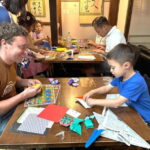
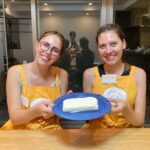
Sushi is a skill, not magic. This Kyoto class is a calm, hands-on 90-minute workshop in a restored townhouse, limited to 8 guests and taught in English. I like that you’re not just watching—you’re doing the rice, the forming, and the rolling step by step with fresh local fish. One drawback: it’s not a big “show,” so if you’re hoping for a fast, flashy experience, this slower pace may feel too gentle.
What makes it special is how Kyoto-friendly it feels. You start with perfectly seasoned sushi rice, then build nigiri and maki at your own station, with plenty of chances to ask questions. I also really appreciate that the lunch is what you make (plus miso soup), so the experience ends with something satisfying—not just a photo. The main consideration is dietary fit: it’s not suitable for vegetarians, and you’ll want to flag any restrictions when booking.
In This Review
- Key Things That Make This Sushi Class Worth Your Time
- A Kyoto Townhouse Classroom Near Kiyomizu-Gojō Station
- Small-Group Sushi Instruction That Actually Teaches
- The Rice Step: Why Sushi Starts Long Before the Fish
- Nigiri With Your Own Hands: Form, Balance, and Topping
- Maki Rolls and Gunkan-Style Options You Can Actually Recreate
- What You Eat: A Real Lunch, Not a Tiny Tasting
- Tools and Recipe Card: How to Keep Your Sushi Skills Alive
- Price and Value: Is $60 a Smart Deal in Kyoto?
- Who This Workshop Suits Best (and Who Should Skip It)
- Tips to Make Your Class Smoother
- Should You Book This Kyoto Sushi Workshop?
- FAQ
- How long is the Kyoto sushi-making workshop?
- Is the class taught in English?
- How big is the group?
- What will I eat during the experience?
- What’s included in the gift bag?
- Where is the meeting point?
- Is the workshop suitable for vegetarians?
- Is hotel pickup included?
- Can I cancel for a refund?
- Is reserve and pay later available?
Key Things That Make This Sushi Class Worth Your Time
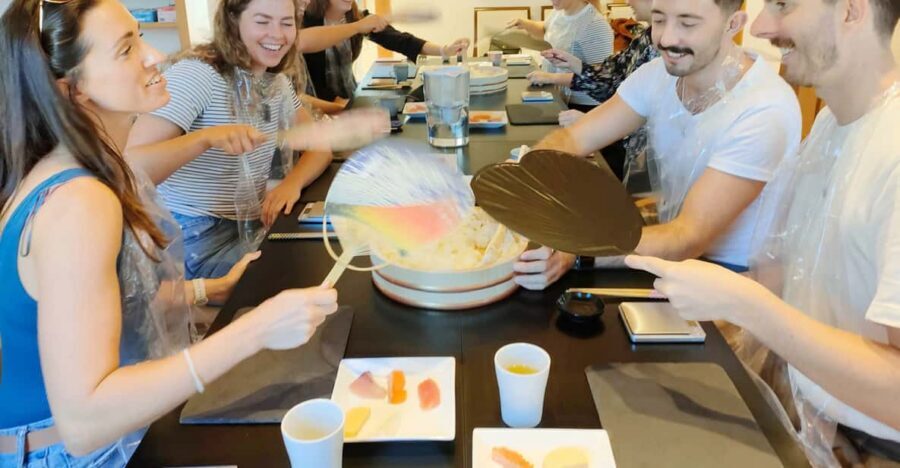
Small group, real attention: Limited to 8, with English explanations and time for questions.
Fresh ingredients you can taste: Local fish and carefully chosen sushi components.
You learn the basics that matter: Seasoning rice, shaping nigiri, and making maki rolls properly.
Traditional setting, not a workshop factory: A restored Kyoto townhouse feel, with a relaxed pace.
You leave with tools and a plan: A gift bag with a sushi rolling mat, chopsticks, and a recipe card.
A Kyoto Townhouse Classroom Near Kiyomizu-Gojō Station
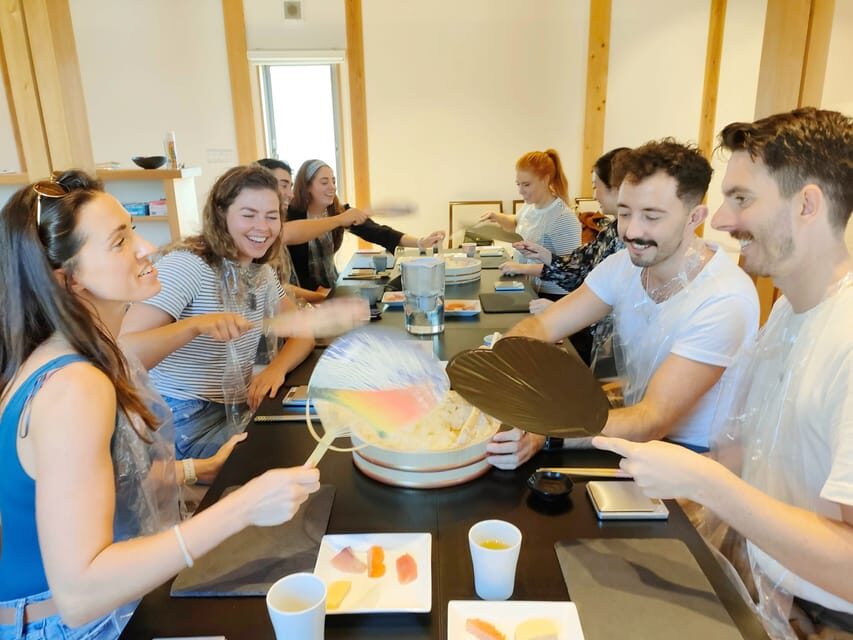
This is the kind of activity that helps you slow down in Kyoto. The workshop is based in the Kyoto Wand building, just minutes on foot from Kiyomizu-Gojō Station on the Keihan Main Line. That location is practical: you’re close to major areas like Kiyomizu-dera and Gion, so you can pair it with sightseeing without the day getting overstuffed.
Inside, the setting matters. Many cooking classes feel like a classroom. This one feels more like you’ve stepped into a traditional home base—serene, clean, and thoughtfully arranged for hands-on work. That calm vibe shows up in how the class is taught: you’re not rushed, and you’re not shuttled through five minutes of instruction followed by chaos.
Logistics-wise, there’s no hotel pickup or drop-off included. That’s normal for Kyoto, but it does mean you should plan to arrive on your own, a bit early, and keep the meeting point simple in your phone.
A few more Kyoto tours and experiences worth a look

Small-Group Sushi Instruction That Actually Teaches
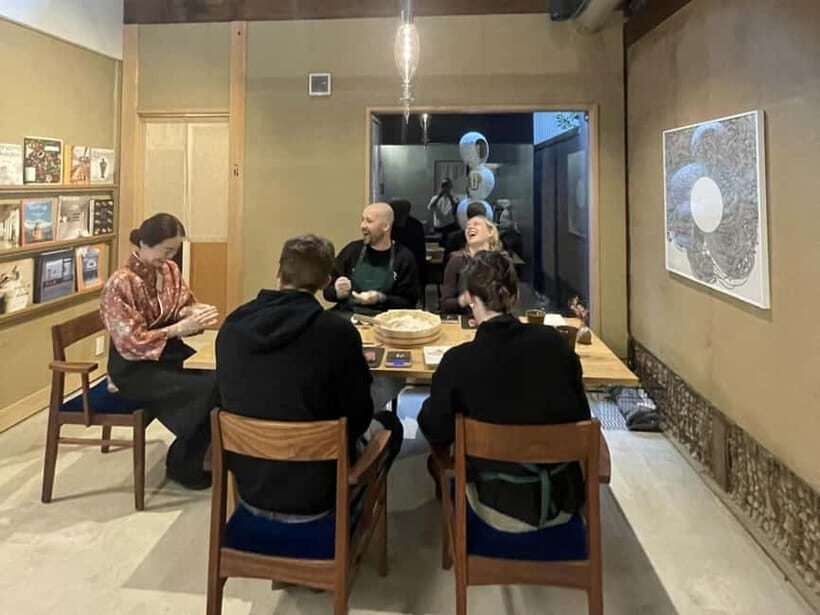
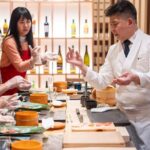
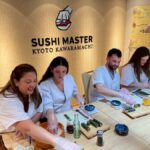
The biggest “value move” here is the group size. With a limit of 8 participants, you can get real feedback instead of just following along with a crowd. You’ll be working hands-on through the process—rice seasoning, sushi assembly, and rolling—while the instructor keeps an eye on your technique.
Kana is the main host people mention often, and she’s described as warm, precise, and patient with individual questions. Her husband Karim and assistants (like Kenneth) also help out, which is a big deal in a hands-on class. When there’s extra support, you get corrections before bad habits set in—especially with rice handling and how you shape pieces.
A few details show why the small format works:
- You’re guided in a relaxed rhythm, which helps beginners catch up.
- You can ask about Japan beyond food—Japanese culture, local history, even how people grew up between Osaka and Kyoto.
- Even when the class ends, the conversation doesn’t feel cut off. People have lingered afterward, chatting as if you’ve been invited to a friendly table.
The Rice Step: Why Sushi Starts Long Before the Fish
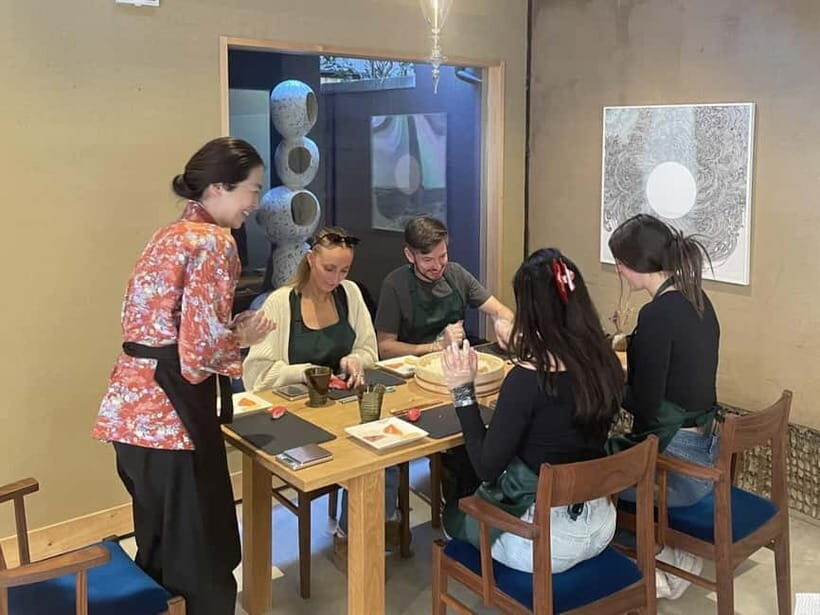
Sushi rice sounds simple—until you try it. Here, the rice is treated like the center of the universe. The workshop walks you through seasoning properly cooked rice, which is essential for sushi that tastes balanced rather than bland or overly vinegary.
If you care about eating sushi the way Japanese cooks intend, this is the lesson that pays off at home. Reviews highlight that Kana’s family grows the rice, and that provenance shows in how the rice is handled in class. Even if you never become a sushi “pro,” learning how rice should feel and taste is the difference between homemade sushi that’s merely edible and sushi that’s actually good.
In practice, you’ll learn:
- How to season without overdoing it
- How to handle rice so it doesn’t clump too aggressively
- How to keep the texture right while you assemble
This is also where many people relax. Once you understand the rice, the rest feels more doable. The class pacing is built around that—so beginners don’t feel lost and more experienced cooks aren’t held back.
Nigiri With Your Own Hands: Form, Balance, and Topping
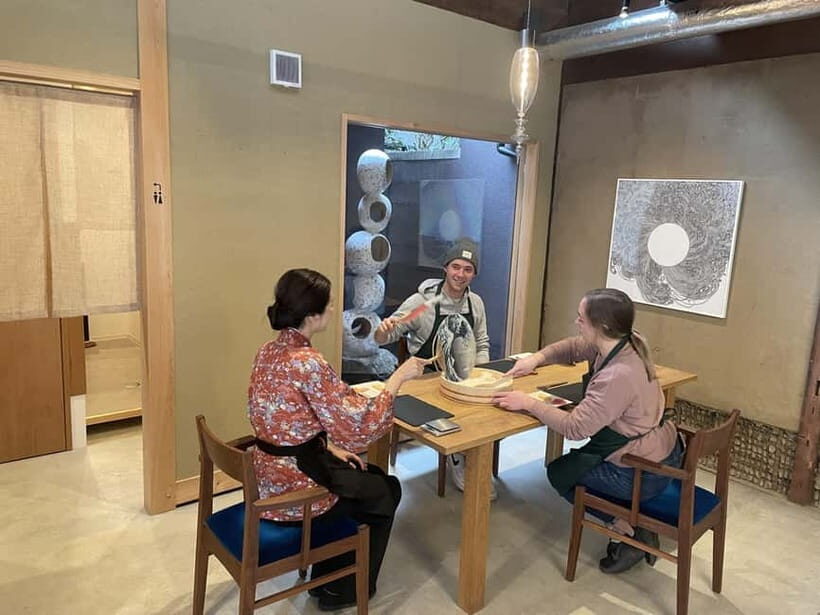
Nigiri is where technique becomes visible. The class guides you through making nigiri step by step, so you understand what you’re doing rather than just copying shapes.
The instruction is also described as very hands-on, with the host showing the method multiple times and then helping you refine your own pieces. That’s a huge advantage because nigiri isn’t only about forming. It’s about proportions: how thick the rice is, how the topping sits, and how you create a clean, balanced bite.
You may work with different toppings depending on what’s available, and descriptions mention options like salmon, tuna, squid, yellowtail, and egg omelette. You’ll also get familiar with the standard finishing touches—soy sauce, wasabi, and ginger.
If you’re worried about eating raw fish, you’ll likely feel better here because the fish is described as fresh and sourced locally in Kyoto. The class doesn’t pretend raw seafood is a scary concept—it just focuses on freshness and correct handling, which helps a lot if you’re cautious.
Maki Rolls and Gunkan-Style Options You Can Actually Recreate
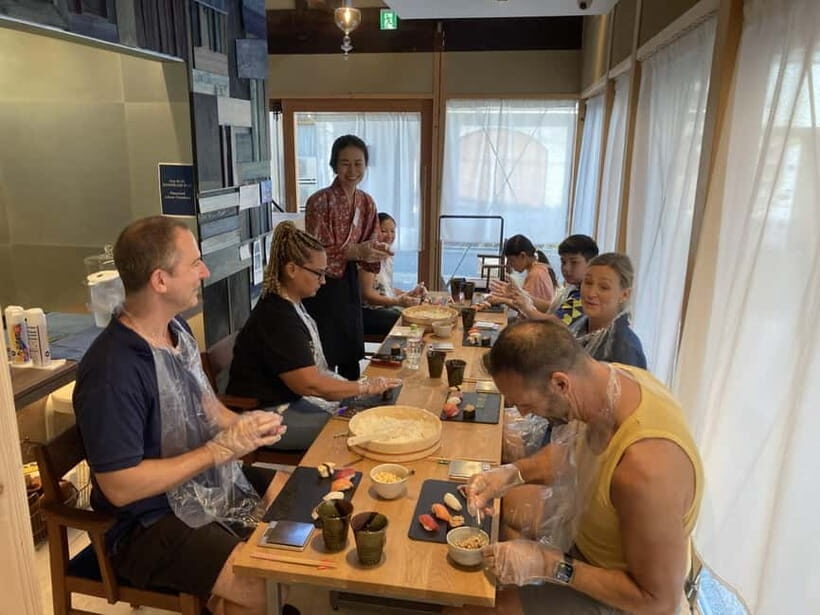
Maki rolls are the other core skill. You’ll make maki, and you’ll also work through other styles that show how flexible sushi can be. The workshop includes maki rolls in the main description, and class experiences mention variations like gunkan sushi as well.
Rolling matters more than people think. It’s not just about wrapping. You’ll learn how to manage the rice layer, keep the roll tight without crushing it, and use the right technique with the rolling mat. That’s why the workshop includes a take-home rolling mat in the gift bag—so you can reproduce what you learned without improvising equipment.
Some people also highlight maki ingredients like salmon with avocado, and gunkan combinations like corn and tuna salad. The exact menu can vary, but the technique training should still transfer. If you’ve ever had sushi roll at a restaurant and thought I could never do that, this class addresses the “how.”
A few more Kyoto tours and experiences worth a look



What You Eat: A Real Lunch, Not a Tiny Tasting
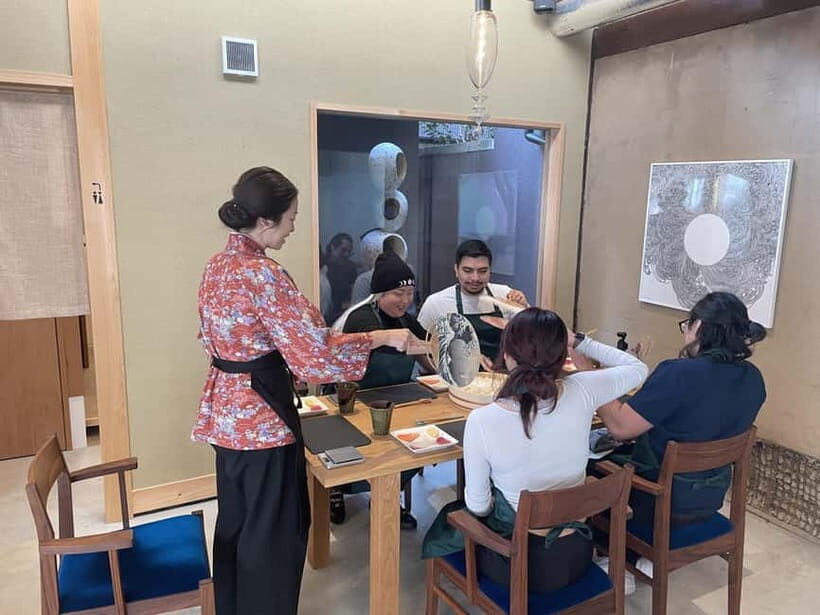
After cooking, you eat what you made. That’s a key part of the value. You don’t leave with just a few bites and a receipt for the experience—you leave full.
Included in the workshop:
- The sushi you make for lunch
- Miso soup
- The ingredients and components needed to assemble the pieces
People emphasize that the amount of sushi is plenty. One easy tip: don’t snack heavily beforehand. If you show up with a full stomach, you may end up rushing through the last pieces instead of enjoying them.
The overall eating moment is also calmer than you might expect. You’re in a quiet, traditional setting while you eat your own work, which makes the flavors feel more meaningful. Fresh fish quality is mentioned repeatedly, including references to fish sourced from Kyoto markets.
Tools and Recipe Card: How to Keep Your Sushi Skills Alive
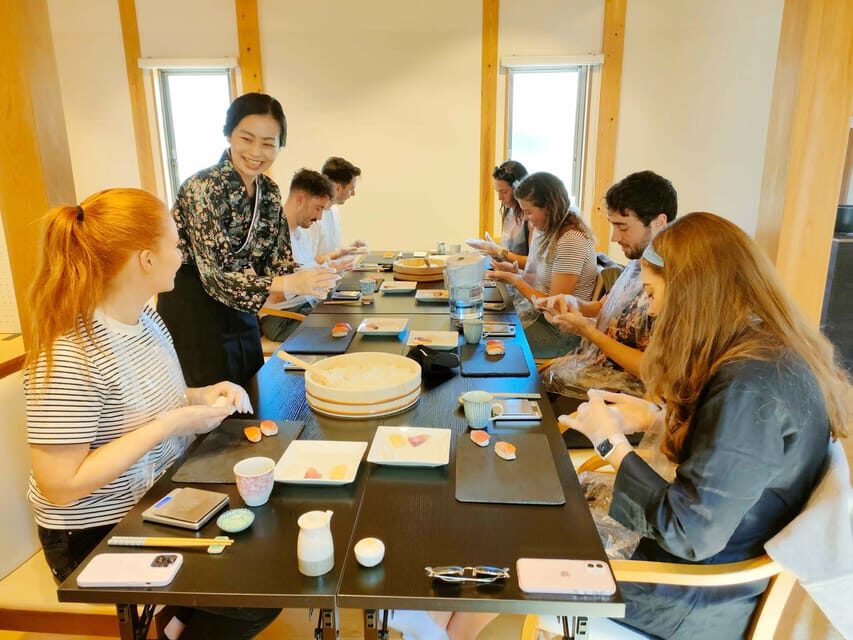
The gift bag is more than a souvenir. You receive:
- A sushi rolling mat
- Chopsticks
- A recipe card
That take-home kit is a practical bridge between vacation and your next dinner at home. The recipe card helps you remember the steps without relying on memory, and the rolling mat prevents the classic problem of learning one technique in class and then failing at home because you don’t have the right tools.
If you’re cooking for friends, this is also a fun “show the skill” moment. You’ll look like you know what you’re doing, because you actually learned the fundamentals—rice seasoning and rolling mechanics—rather than just assembling ingredients.
Price and Value: Is $60 a Smart Deal in Kyoto?
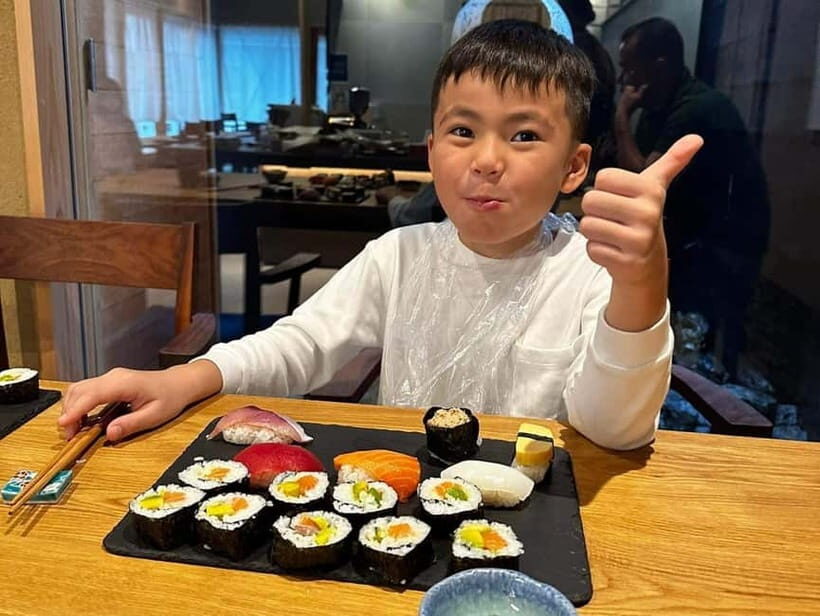
At $60 per person for 90 minutes, this isn’t the cheapest thing you can do in Kyoto. But it’s also not overpriced for what you get. You’re paying for:
- Small-group, English instruction
- Hands-on coaching with attention to technique
- Fresh sushi ingredients and lunch
- Miso soup
- A take-home tool kit (rolling mat, chopsticks, recipe card)
When you break it down, you’re basically combining a cooking class with an actual meal. If you’ve ever paid restaurant prices for sushi and still felt like you didn’t learn anything, this changes the equation. You’re leaving with skills you can reuse, not only with food you consumed.
It’s especially good value if you’re the kind of traveler who wants one memorable activity that also improves your future meals. Beginners get structure; more curious cooks get a clear method.
Two situations where you might reconsider:
- If you’re vegetarian, because it’s not suitable for vegetarians.
- If you need wheelchair accessibility, because it’s not suitable for wheelchair users.
Who This Workshop Suits Best (and Who Should Skip It)
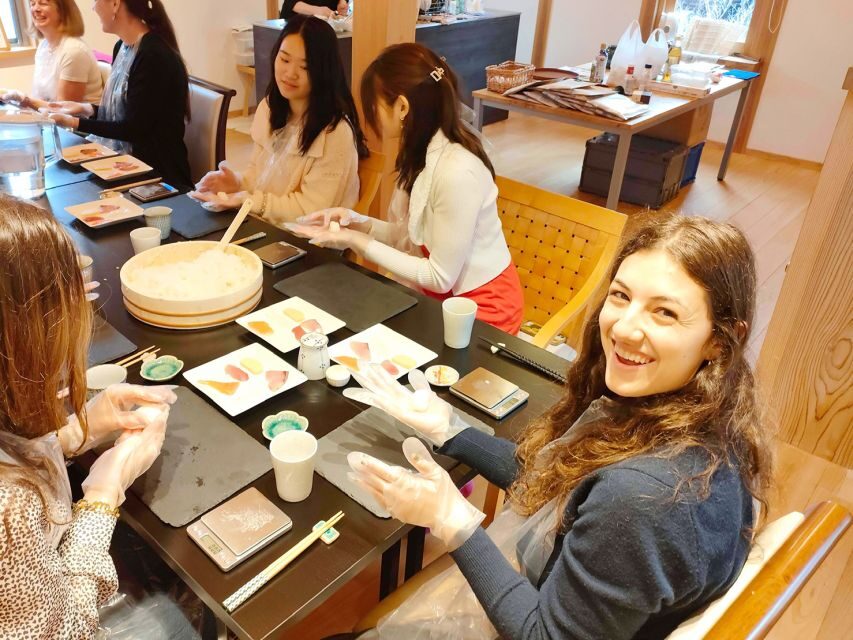
I’d point you toward this sushi workshop if you fit one of these profiles:
- You’re a food lover who wants to understand sushi beyond eating it.
- You’re a beginner and want exact steps for rice, nigiri, and maki.
- You’re traveling with family, because the class format can work across ages (there are examples of parents and kids participating).
- You like a relaxed cultural exchange where you can ask questions and chat.
I’d skip it if:
- You’re strictly vegetarian.
- Mobility is a concern for you.
- You want a fast, high-energy attraction more than a patient skill-building lesson.
Tips to Make Your Class Smoother
A few practical ideas that match what the class is built around:
- Plan to arrive on time at Kyoto Wand near Kiyomizu-Gojō Station. Easy location means you can focus on learning.
- Come with curiosity about Japanese food culture. The hosts often share context, including stories about Japan and local history.
- If you have dietary restrictions, say so when booking. The class notes that restrictions should be advised ahead of time.
- Don’t overeat beforehand. The class ends with a lunch portion that’s meant to be satisfying.
Should You Book This Kyoto Sushi Workshop?
If you want a Kyoto experience that’s both relaxing and genuinely useful, I think this is a strong booking. The combination of small-group teaching, English guidance, and hands-on sushi-making is what makes it work. You don’t just taste sushi—you learn the fundamentals that make sushi taste right.
Book it if you’re excited to make nigiri and maki, enjoy fresh fish, and want tools to repeat the process at home. Skip it if you can’t do raw fish or it doesn’t match your dietary needs, since it’s not set up for vegetarian options and it isn’t designed for wheelchair users.
FAQ
How long is the Kyoto sushi-making workshop?
It lasts 90 minutes.
Is the class taught in English?
Yes, the instruction is in English.
How big is the group?
The workshop is limited to 8 participants.
What will I eat during the experience?
You’ll eat the sushi you make yourself for lunch, plus miso soup.
What’s included in the gift bag?
The gift bag includes a sushi rolling mat, chopsticks, and a recipe card.
Where is the meeting point?
The workshop is in the Kyoto Wand building near Kiyomizu-Gojō Station on the Keihan Main Line. The provided Plus Code is XQVC+J7 Kyoto.
Is the workshop suitable for vegetarians?
No, it is not suitable for vegetarians.
Is hotel pickup included?
No, hotel pickup and drop-off are not included.
Can I cancel for a refund?
Yes. Free cancellation is available up to 24 hours in advance for a full refund.
Is reserve and pay later available?
Yes. You can reserve now and pay later to keep plans flexible.