Kyoto in one long, memorable sprint. I like how this day strings together Arashiyama Bamboo Grove early in the morning and the iconic Golden Pavilion and torii gates of Fushimi Inari, with a guide who explains what you’re seeing and helps you move through the city.
The trade-off is simple: it’s a full 8-hour cross-city day with quite a bit of walking, and you’ll pay extra for Kinkaku-ji admission plus public transport. If you want a slow, sit-down sightseeing loop, this won’t match that vibe.
In This Review
- Key tour highlights at a glance
- The 9:00 a.m. plan that makes these Kyoto stops actually fit
- Arashiyama Bamboo Forest Street: early light and fewer headaches
- Kinkaku-ji (Golden Pavilion): more than gold, it’s power and reinvention
- Gion on foot: geisha possibilities without the tourist trap feeling
- Fushimi Inari-taisha: the torii tunnel that rewards pacing
- Price and value: what $131.14 is really buying
- What the guide actually changes on a day like this
- Getting around Kyoto by public transport without losing your mind
- What to pack for a long walking day in Kyoto
- When this one-day tour is a smart choice
- Should you book this Kyoto highlights walking tour?
- FAQ
- How long is the Kyoto one-day walking tour?
- What is the starting point and start time?
- Is this tour private or shared?
- What is included in the tour price?
- What is not included?
- Do I pay for any temple or shrine admissions?
- Is public transportation part of the day?
- How much walking should I expect?
- Is there a mobile ticket?
- FAQ
- Can I cancel for a refund?
- What happens if weather is bad?
Key tour highlights at a glance
- Early-morning bamboo timing so the grove feels calmer
- Golden Pavilion context including its shogun-era backstory
- Gion on foot with a real chance to spot geisha while walking
- Fushimi Inari’s torii corridor the famous orange-gate tunnel
- A guide who handles the “how do we get there?” part with public transport
The 9:00 a.m. plan that makes these Kyoto stops actually fit
This tour is built for people who want Kyoto’s biggest hitters in one day without spending hours figuring out routes and transfers. You start at Kyoto Station at 9:00 a.m., and you end back at the same meeting point, which matters more than it sounds. When you’re done, you don’t have to negotiate your way back across town with tired legs.
The schedule is also the reason this works. You hit Arashiyama bamboo early, then you move on to central icons like Kinkaku-ji, and later you end with Fushimi Inari’s shrine tunnel. It’s basically a “best of Kyoto” route with enough structure to keep you from losing the day to transit delays.
Other walking tours we've reviewed in Kyoto

Arashiyama Bamboo Forest Street: early light and fewer headaches
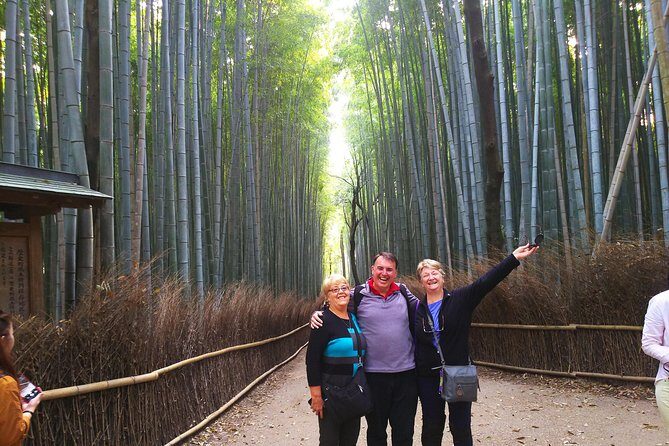
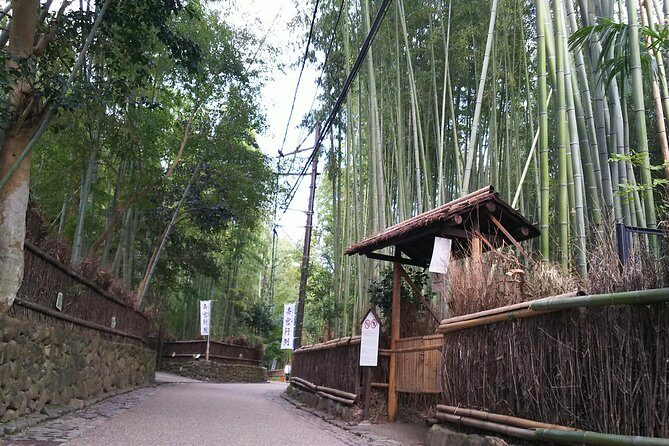
Arashiyama Bamboo Forest Street is the first stop, with about 1 hour on site. The headline here is timing: you’re there in the fresh air early, before the area gets busy. That early window changes the feel of the bamboo grove. The light hits differently, and the place has breathing room instead of feeling like a photo factory.
Even if you’ve seen bamboo photos before, this is one of those settings where your brain finally catches up to your camera roll. The poles stack deep into the distance, and it’s easy to understand why people find this spot calming.
One practical note: you’re on foot most of the day, and the tour asks for moderate physical fitness with quite a bit of walking. Wear shoes you’d trust for long city days, not “cute but questionable” sneakers.
Kinkaku-ji (Golden Pavilion): more than gold, it’s power and reinvention
Kinkaku-ji is the day’s big temple icon, with about 1 hour there. Admission isn’t included, and it’s listed as ¥500 per person, so plan for that expense on top of the tour price.
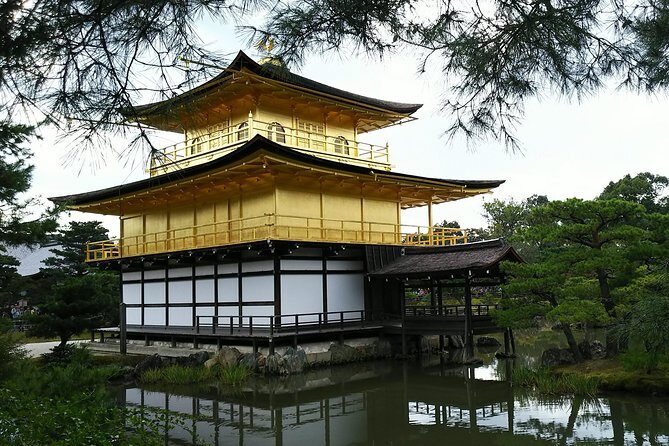
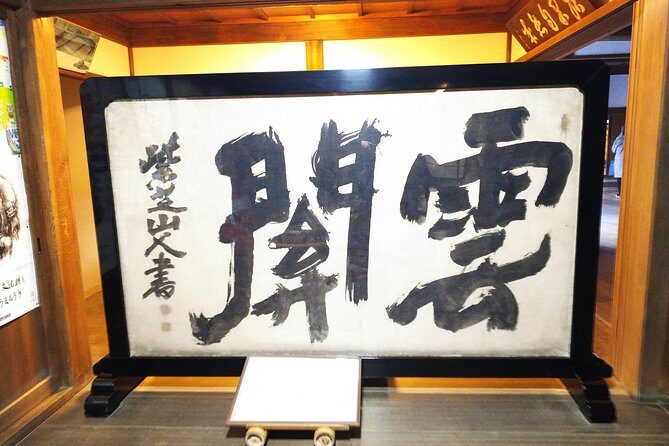
What I like about this stop is that the Golden Pavilion isn’t treated like a postcard only. You get the story: it once served as the villa of a retired shogun and later became a temple after his death. That shift—luxury retreat to religious site—helps you read the building with more layers than “gold roof, cool reflection.”
Also, if you care about photography, this stop is usually where you slow down (even if the pace stays brisk). The gold leaf look is dramatic, but it’s the surrounding temple complex that rewards taking a few extra seconds to look around.
Gion on foot: geisha possibilities without the tourist trap feeling
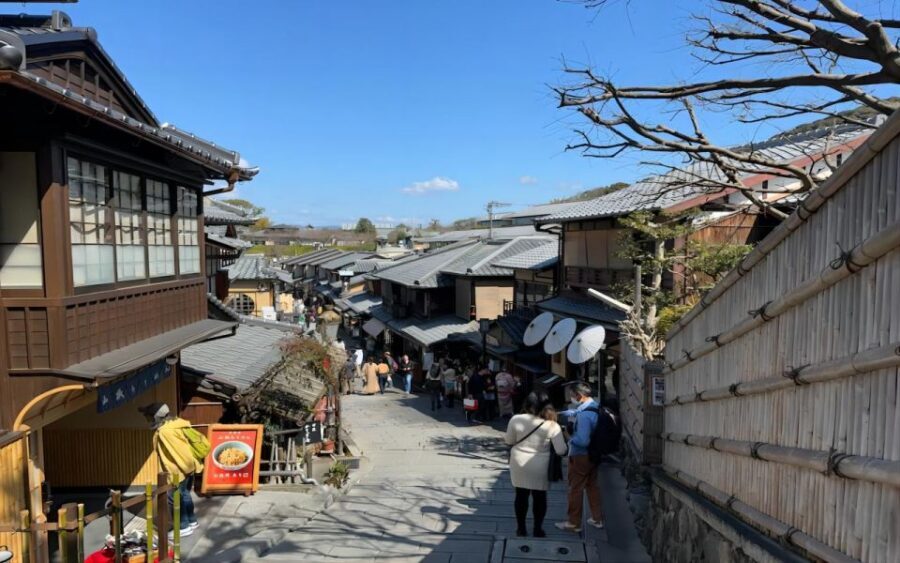
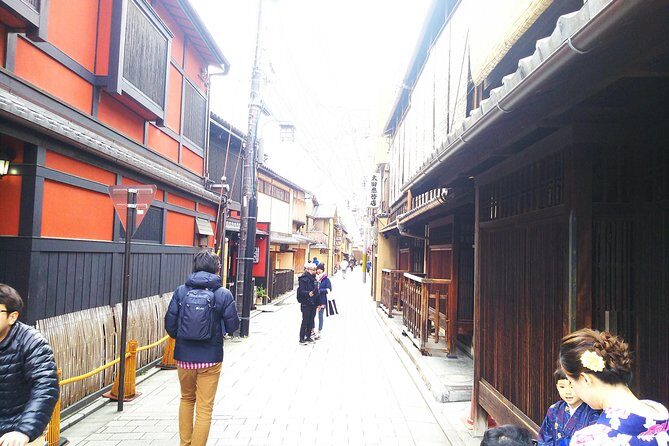
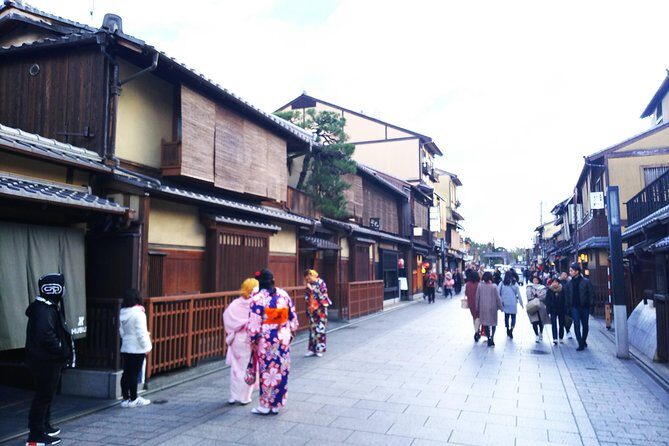
You’ll spend about 40 minutes in the Gion district, and admission is listed as free for this part of the day. Gion is known for geisha, and the tour description notes you might spot them walking from boarding houses to tea houses where they perform.
Here’s how to make this work in real life: keep your expectations flexible. You’re not being marched into a staged moment—you’re walking through an area where those sightings are possible. If you see someone, be respectful: don’t block paths, don’t stare, and don’t treat it like a game.
Gion also gives your day an emotional break. After temple grandeur and shrine gates, the street atmosphere feels more human-scaled—still historic Kyoto, but closer to everyday life.
Fushimi Inari-taisha: the torii tunnel that rewards pacing
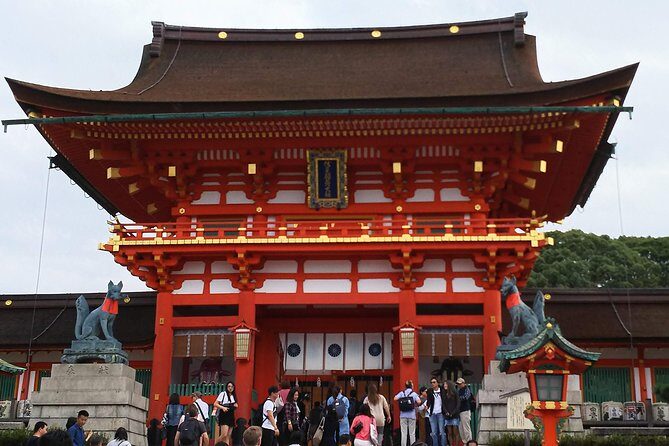
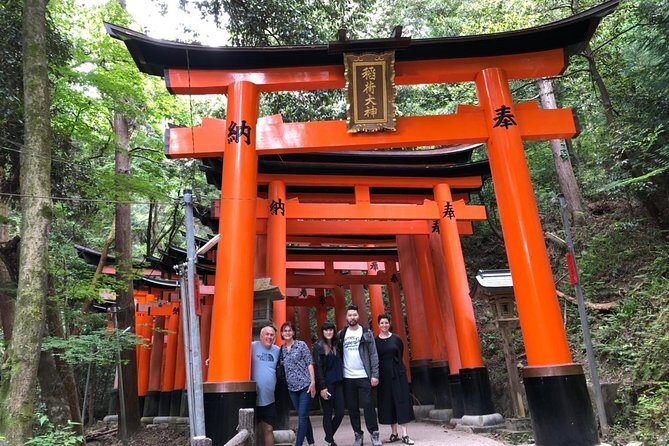
Fushimi Inari-taisha is the shrine finale, with about 1 hour there. This is the place you came for if you like dramatic visuals: the famous tunnel of thousands of bright orange vermillion torii gates.
The tour’s description includes why the gates exist: worshippers offer torii as a token of appreciation for good luck they received from the shrine’s god. That simple idea makes the gates feel less like set dressing and more like a living wall of personal wishes.
The one thing you should watch for here is pacing. The torii path creates a natural pull forward, but if you rush, you’ll miss the rhythm of the climb and the changing views between rows of gates. Since this tour is already a long walking day, use the guide’s pace as a baseline, but don’t be afraid to stop for a few breaths when you hit a viewpoint that looks especially good.




Price and value: what $131.14 is really buying
The listed price is $131.14 per person, and it includes the guide fare. That’s the core value: you’re paying for someone to lead the day, explain what you’re looking at, and help you navigate public transport across Kyoto.
What’s not included is also clearly stated:
- Kinkaku-ji admission: ¥500 per person
- Public transportation fare: ¥1,500 per person
- Meals
So the real budgeting picture is: tour price covers the guided experience, and you add the temple fee, transit, and whatever you eat. That’s normal for a highlights walking tour, but it’s smart to plan so there are no surprise moments mid-day.
In terms of value, I especially like that this isn’t trying to sell you a “private car” fantasy. Instead, it’s built around public transport and walking. You’re trading comfort for access to the big sights without spending your day on long logistics.
What the guide actually changes on a day like this
A guided day in Kyoto isn’t just about facts. It’s about flow. Getting between places like Arashiyama, Kinkaku-ji, Gion, and Fushimi Inari takes real route thinking—especially if you don’t know the train/bus patterns.
The tour experience is designed around that. Guides are repeatedly described as handling the schedule smoothly, moving the group at a good pace, and giving clear context at each stop. Names that come up with high praise include Hironori, Seiya, Noriko, Toshi, Fuji, Lynn, Koichi, and Naoko—and the common theme is that they don’t just point. They explain and help you get where you’re going.
There’s also a practical comfort angle. On hot days, one key complaint with Kyoto sightseeing is heat fatigue. The tour notes that the day involves walking, and the guide support helps with hydration and timing so you’re not just suffering through it.
Getting around Kyoto by public transport without losing your mind
This tour explicitly uses public transport, with ¥1,500 per person listed for transportation. That’s a good thing to understand upfront. If you’re expecting a taxi-and-car day, this isn’t that.
But it’s also the reason you can cover a lot. Kyoto’s transit network works best when you don’t fight it. A guide who can point you toward the correct trains or buses, and keep you aligned with the meeting times, turns a stressful navigation day into something more like a plan you can follow.
This is also where the tour’s private-group setup helps. It’s listed as a private activity where only your group participates, so you’re not stuck waiting around for a big mixed group to regroup.
What to pack for a long walking day in Kyoto
This is an 8-hour experience with “quite a bit of walking required.” That’s not marketing fluff. Plan like your feet will do most of the sightseeing.
Bring:
- Comfort-first shoes you can walk in for hours
- Water and a way to keep hydrated (Kyoto days can get hot fast in summer)
- A light layer for early morning air, since you start at 9:00 a.m.
- An eye on weather: the experience requires good weather
Also, Kinkaku-ji costs extra for admission, so consider carrying small cash for that ¥500 fee. Meals aren’t included, so have a plan for where you’ll want to eat during your free time windows (the tour itself doesn’t list lunch, and it doesn’t include meals).
When this one-day tour is a smart choice
This tour is best for you if:
- You’re on a shorter Kyoto trip and want Arashiyama bamboo, Kinkaku-ji, Gion, and Fushimi Inari in one day
- You like structure when transit is involved
- You want the story behind the icons, not just the icon itself
It’s also a solid “first taste of Kyoto” day. You’ll walk through settings that represent different sides of the city—nature mood, shogun-era temple prestige, traditional district streets, and sacred shrine steps.
If you hate walking, or if you strongly prefer slow time with minimal moving, you may feel overloaded by the pace.
Should you book this Kyoto highlights walking tour?
I’d book it if your priority is coverage with context—a tight route that helps you see major sights without turning the day into a puzzle. The combination of early Arashiyama timing, Golden Pavilion’s shogun-era story, a Gion walk where geisha sightings are possible, and the torii tunnel at Fushimi Inari is a very efficient way to experience Kyoto.
I wouldn’t book it if you’re looking for a comfort-first, minimal-walking day, or if you want everything fully included with meals and a one-click transport plan. You’ll pay temple and transit fees, and you’ll earn those photos with walking.
If you go in prepared—good shoes, hydration, and a flexible mindset about geisha sightings—this is the kind of day that leaves you saying you got your money’s worth and your feet’s worth too.
FAQ
How long is the Kyoto one-day walking tour?
It lasts about 8 hours.
What is the starting point and start time?
You start at Kyoto Station Building 901 at 9:00 a.m. and the tour ends back at the meeting point.
Is this tour private or shared?
It’s a private tour/activity for only your group.
What is included in the tour price?
The tour includes the guide fare. The listed price is $131.14 per person.
What is not included?
Kinkaku-ji admission (¥500 per person), public transportation fare (¥1,500 per person), and meals are not included.
Do I pay for any temple or shrine admissions?
Kinkaku-ji has an admission fee (listed as ¥500). The bamboo forest street, Gion, and Fushimi Inari are listed with free admission.
Is public transportation part of the day?
Yes. You’ll use public transportation during the day, and the fare is listed as ¥1,500 per person.
How much walking should I expect?
There is quite a bit of walking required, and you should have moderate physical fitness.
Is there a mobile ticket?
Yes, it includes a mobile ticket.
FAQ
Can I cancel for a refund?
Yes. You can cancel for free up to 24 hours in advance of the experience start time for a full refund.
What happens if weather is bad?
The experience requires good weather. If it’s canceled due to poor weather, you’ll be offered a different date or a full refund.