Kyoto in a single day can feel like a magic trick. This outing strings together the big-name highlights without making you wrestle with trains all day, and you still get real moments like watching deer react for treats and walking through thousands of torii gates. You’ll ride in an air-conditioned vehicle, then step out for short, focused blocks at each place—especially in Arashiyama, where the Bamboo Forest sets the tone fast.
Two things I really like: the free-roaming deer at Nara Park (they’re calm enough to come close, and it’s fun to watch), and the Fushimi Inari Senbon Torii walk, which is one of Japan’s most instantly recognizable religious scenes. Add Arashiyama’s mix of sites—temples, shrines, the famous bridge, and even the Kimono Forest installation—and the day feels packed in a good way.
One consideration: this is a time-pressured loop through busy places. Most stops are intentionally short, so if you want to linger for long photos or slow contemplation, you may wish you had more minutes somewhere—especially around the bamboo and shrine areas.
In This Review
- Key Highlights You’ll Care About
- Price and Logistics: What $60 Buys You (and What It Doesn’t)
- The Real Secret: A Timed Route Through Three Icon Zones
- Nara Park: Deer Encounters Without the Planning Headache
- Fushimi Inari Taisha: Walking the Torii Maze (and How to Make It Worth It)
- Arashiyama: The Part of Kyoto That Feels Like a Film Scene
- Arashiyama Bamboo Forest: Beautiful, Photo-Friendly, and Crowded
- Nonomiya Shrine: The Black Torii That Breaks the Color Routine
- Arashiyama Kimono Forest: A Modern Art Detour That Still Works in This Day
- Tenryu-ji Temple and Togetsukyo Bridge: Where the Day Lands After the Walking
- Tenryu-ji (UNESCO)
- Togetsukyo Bridge
- Rilakkuma Tea House: A Short Break That Doesn’t Derail the Day
- Bus Comfort, Group Size, and Why Timing Can Feel Tight
- Food and Tickets: The Two Things to Plan So You Don’t Feel Rushed
- Who Should Book This Tour (and Who Might Want Another Option)
- Should You Book This Kyoto Must-See Day Tour?
- FAQ
- How long is the Kyoto / Nara day tour?
- How much does the tour cost?
- Where does the tour depart from?
- Is lunch included?
- Do I need tickets for Tenryu-ji Temple?
- Which admissions are listed as free?
- How big is the group?
- Is the tour ticket mobile?
- What should I do if I’m traveling with a stroller or large luggage?
- Is there free cancellation?
Key Highlights You’ll Care About
- Nara Park deer time without complicated planning
- Fushimi Inari’s Senbon Torii walk built into the schedule
- Arashiyama on purpose: bamboo, shrines, Togetsukyo Bridge, and views
- Most admissions are free, with only Tenryu-ji having a separate fee
- Strong guiding style, with guides like Mia, Fiona, Amy, Tina, and Theodore getting praise for organization and clear instructions
Price and Logistics: What $60 Buys You (and What It Doesn’t)
At $60 per person for about 9 hours, the value here is the structure. You’re paying for transportation plus a guide, and the itinerary hits major, high-demand sights in a way that’s easier than figuring out connections while also avoiding crowds on your own.
Here’s what you should know before you go:
- Included: air-conditioned vehicle + guide
- Not included: lunch, plus Tenryu-ji Temple ticket (500 yen)
- Mobile ticket: you won’t be hunting for paper vouchers
- Group size: maximum of 45 people, which matters for comfort and pacing
Most of the stops are marked as free admission (Nara Park, Fushimi Inari Taisha, bamboo area, Nonomiya Shrine, Kimono Forest installation, Rilakkuma Tea House, and Togetsukyo Bridge). Tenryu-ji is the one you’ll need to pay for separately, so it helps to have 500 yen ready.
A few more Kyoto tours and experiences worth a look
The Real Secret: A Timed Route Through Three Icon Zones
This tour works because it groups three “Kyoto memories” into one day:
- Nara Park (deer + temple atmosphere)
- Fushimi Inari Taisha (torii gates, dramatic and photogenic)
- Arashiyama (nature + temples + scenic walking)
That means you’re not jumping randomly around the map. You’re moving from one iconic scene to the next, with enough time at each to see it clearly—even if you don’t have time for a long, slow day.
Also, you’ll learn useful on-the-ground tips from the guide. In past groups, guides like Tina were praised for constant coordination, even sending messages and maps to help people meet back up. Fiona and Mia were singled out for keeping energy high while still staying organized. When a day is packed, that kind of guidance makes a big difference.
Nara Park: Deer Encounters Without the Planning Headache
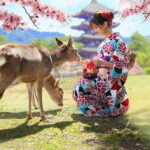
Nara Park is one of Japan’s classic public spaces, and the main reason people smile here is the free-roaming deer. They move around the grounds and can approach calmly, especially when you’re near people who have treats. It’s not just a photo stop—it’s one of the few “interactive” highlights on the schedule.
You’ll have about 1 hour in Nara Park. That’s enough time to:
- Get oriented quickly
- Walk through the main areas people aim for
- Enjoy the deer moment without rushing into the next bus ride immediately
The realistic downside is the park is also a popular place, so you’ll share space with lots of other visitors. Still, the one-hour window usually feels like a good trade: you see the deer and you get the atmosphere, without the day turning into a half-day detour.
Fushimi Inari Taisha: Walking the Torii Maze (and How to Make It Worth It)
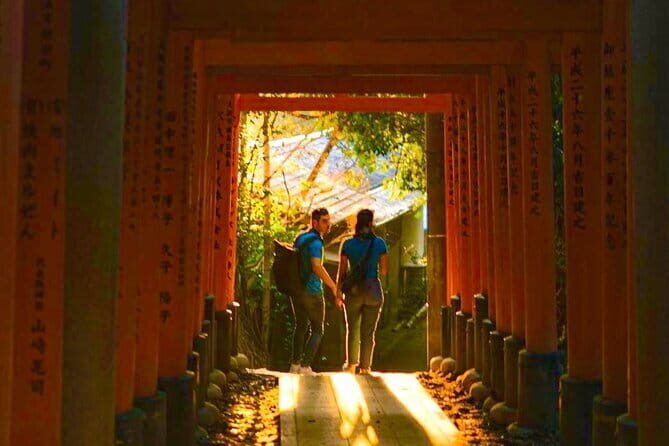
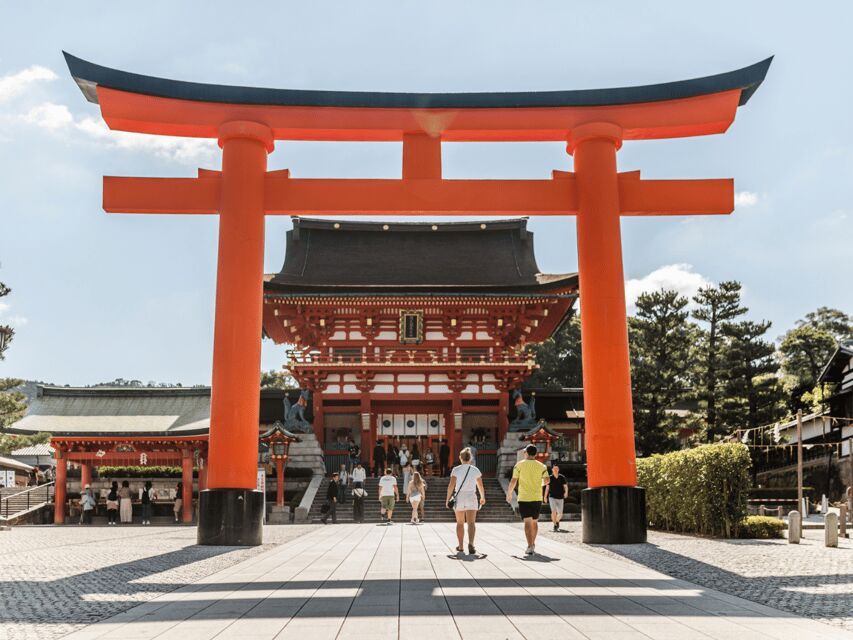
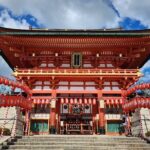
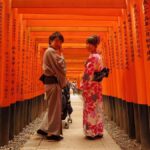
Fushimi Inari Taisha is famous for the Senbon Torii—thousands of vermilion gates climbing along the paths. You’ll get about 1 hour 10 minutes, which is the right amount for a meaningful walk without turning the day into a marathon.
What I like about this stop is how quickly it delivers impact. Even if you don’t go deep into explanations, the route makes its own point. Every bend in the path adds another layer of gates, and you’ll keep catching new angles as the path rises.
What to keep in mind:
- It’s a popular place, so expect crowd flow.
- With only a little over an hour, you’ll want to move with purpose. If you stop for photos, pick spots deliberately.
If you’re someone who likes spiritual sites but also likes efficiency, this is one of the best “must-sees” to handle via a guided, timed day.
Arashiyama: The Part of Kyoto That Feels Like a Film Scene
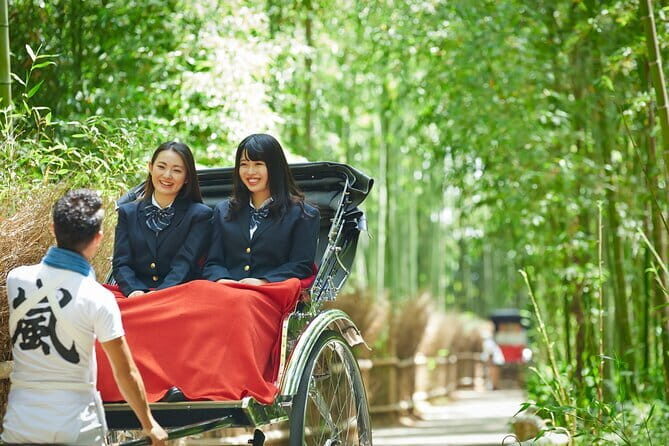
Arashiyama is where the tour slows slightly into scenery. The schedule includes a mix of nature and small cultural stops, and the whole zone can feel like three different neighborhoods stitched together.
You’ll spend roughly:
- 10 minutes at the Arashiyama area (a quick positioning block)
- 50 minutes at the Arashiyama Bamboo Forest
- 20 minutes at Nonomiya Shrine
- 20 minutes at the Kimono Forest installation
- 20 minutes at Tenryu-ji Temple (ticket fee separate)
- 15 minutes at Rilakkuma Tea House
- 15 minutes at Togetsukyo Bridge
The good news: even if each stop is brief, the variety keeps it from feeling repetitive.
The main tradeoff: some people want more time at the shrines, while others come for bamboo first. One review noted a preference for more shrine time than bamboo time, and that’s the key thing to decide in advance: where do you want your “heart time”?
A few more Kyoto tours and experiences worth a look





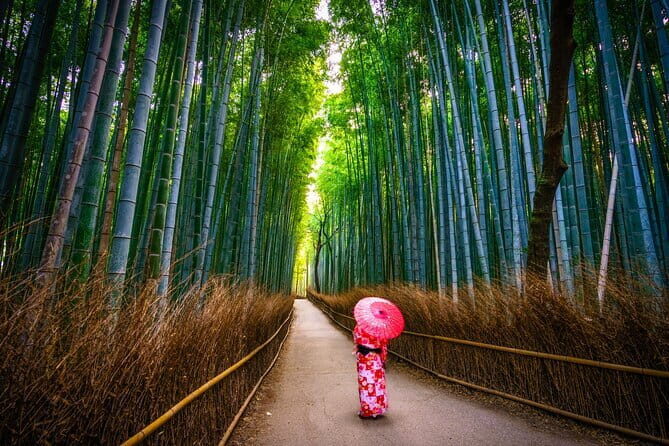
Arashiyama Bamboo Forest: Beautiful, Photo-Friendly, and Crowded
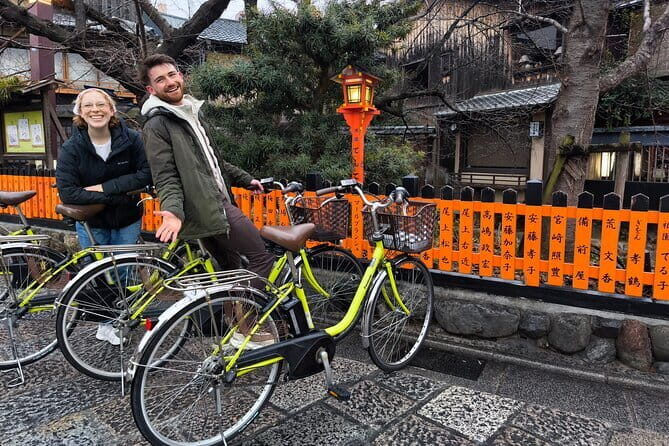
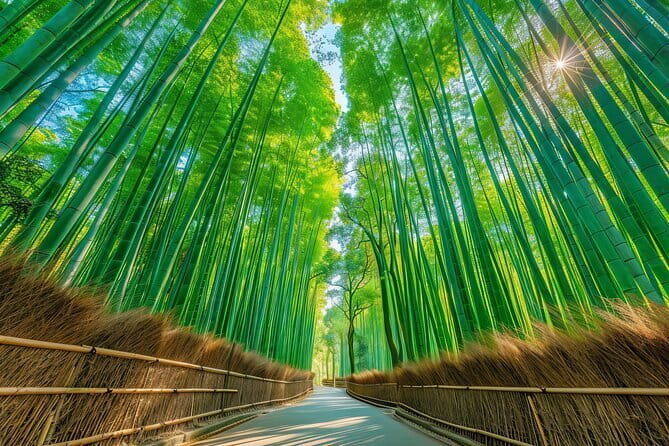
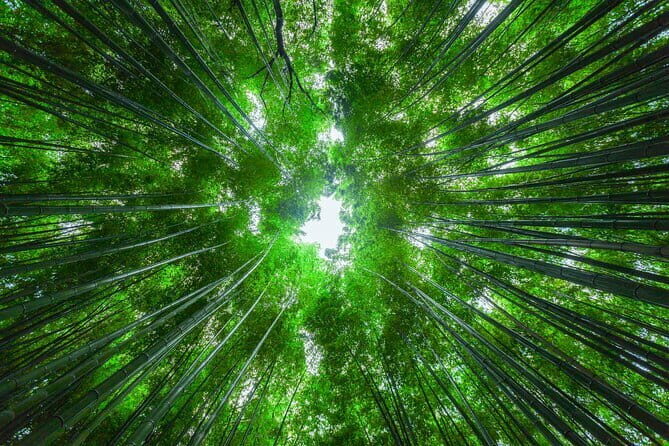
The bamboo forest is Kyoto’s signature “walk into a different world” moment. You get about 50 minutes, which is enough for a calm walk and a handful of good photos if you’re flexible with timing.
In real life, bamboo areas draw crowds, so your experience will be shaped by when you arrive and how quickly the group moves. This is one of the stops where a guide’s pacing matters. In feedback, guides were sometimes praised for clear, organized timing, while another comment suggested the guide could slow down speaking pace and be more direct. Translation: if you talk a lot while people try to walk, the mood can get compressed. Still, even with crowds, it’s easy to appreciate the scale of the bamboo stalks and the quiet feel people hope to find here.
Nonomiya Shrine: The Black Torii That Breaks the Color Routine
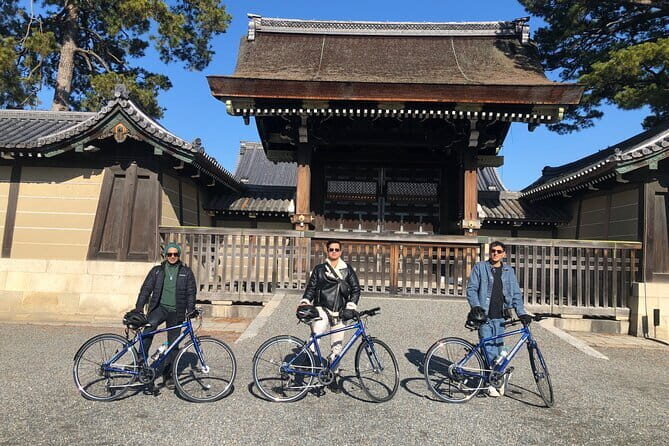
Most shrine torii you picture are bright vermilion. Nonomiya Shrine is different: it’s known for a black torii gate, which makes it visually distinct and gives you a breather after the bamboo.
You’ll have about 20 minutes here. In that time, you’re not meant to turn it into a long study session. The value is quick contrast—another kind of shrine scene, a different color theme, and a place to reset your eyes.
Arashiyama Kimono Forest: A Modern Art Detour That Still Works in This Day
The Kimono Forest installation is unusual: it’s made up of about 600 clear acrylic cylinders, each around 2 meters tall, wrapped with colorful kimono-pattern fabric designs.
You’ll have 20 minutes. This stop isn’t a temple lesson—it’s a visual break. It’s also a good spot for photos because the installation creates strong lines and patterns, and it gives you something different from the torii-and-temple visuals earlier in the day.
If you’re the type who hates “themed photo spots,” this could feel like filler. But if you’re on a tight schedule and you want a few memorable visual moments, it’s a nice palate cleanser within the busy route.
Tenryu-ji Temple and Togetsukyo Bridge: Where the Day Lands After the Walking
Tenryu-ji (UNESCO)
Tenryu-ji is a UNESCO World Heritage site, and it’s ranked among Kyoto’s five great Zen temples. You’ll have about 20 minutes, and the ticket is not included (500 yen).
Because the time is short, the key is mindset: don’t try to see everything. Go for the parts that interest you most, and use the guide’s context so the gardens and temple setting connect to what you’re seeing. One review mentioned missing Tenryu-ji, while another felt the itinerary traded off too much time away from it. That’s a reminder to treat Tenryu-ji as a priority if it matters to you. Keep the 500 yen ready so you don’t lose time at the gate.
Togetsukyo Bridge
After Tenryu-ji, you’ll go to Togetsukyo Bridge for about 15 minutes. This is Arashiyama’s iconic bridge, originally built in the Heian Period (794–1185) and reconstructed in the 1930s. Even in a short window, it’s a strong finish because you’ll get classic river and bridge views—the kind of scene you’ll remember even when you forget which temple you visited that morning.
Rilakkuma Tea House: A Short Break That Doesn’t Derail the Day
You’ll have about 15 minutes at the Arashiyama Rilakkuma Tea House. This is less about sightseeing history and more about a quick reset. The name is based on the idea of Rilakkuma as a bear in a relaxed mood, and the shop blends into the Arashiyama setting well.
If you’re traveling with kids, or you simply want a breather after the bamboo and shrine walking, this stop can feel like a fun payoff without stealing a huge chunk of your schedule.
Bus Comfort, Group Size, and Why Timing Can Feel Tight
This is a max-45-person tour, which is big enough that you won’t be moving as one tight pack in every location. In past experiences, people noted that it can feel less like a constant guided walk and more like a bus that drops you and you meet back up later. That’s normal for a schedule like this.
You’ll also be in a bus long enough that comfort matters. One review mentioned narrow seats and not feeling comfortable for some body types. If you’re sensitive to seating, try to choose where you sit thoughtfully when you board.
The best outcomes often happen when:
- You follow the guide’s meeting instructions closely
- You keep track of the pickup time
- You accept that each stop is a “see it, then move” format
Guides were praised for being organized and on time. Amy and Mia, in particular, were highlighted for keeping groups moving smoothly even during crowded periods like New Year’s Day.
Food and Tickets: The Two Things to Plan So You Don’t Feel Rushed
Lunch is not included, so you’ll need a plan. With multiple stops and a timed day, I recommend you treat lunch like an intermission, not a full culinary quest. If you’re the type who hates rushing, you might want to pick a simple meal strategy before you go.
Also, remember Tenryu-ji Temple costs 500 yen. Everything else on the itinerary is listed as free admission. That means the only extra payment headache is one ticket, and you can solve it easily if you show up prepared.
For weather, one practical tip came up in the feedback: areas with higher altitude can be colder than you expect, so dress in layers. Kyoto can surprise you, especially when your schedule includes outdoor walking.
Who Should Book This Tour (and Who Might Want Another Option)
Book this if:
- You want a one-day hits tour across Nara Park, Fushimi Inari, and Arashiyama
- You’re short on time and don’t want to piece together transportation all day
- You like variety—deer, torii gates, bamboo, bridges, and a couple of modern-art style stops
You might not love it if:
- You want long stays and slow travel in only one or two places
- You prefer deep temple time over quick highlights
- Bus comfort is a major issue for you (seating can be tight for some)
The guide factor matters too. If you’ve seen names like Fiona, Mia, Laura, Amy, Tina, Theodore, Tracy, or Willa and think their style fits you, that’s a good sign. Reviews consistently praised guides for energy, organization, and helpful coordination, including texts or maps for meeting points.
Should You Book This Kyoto Must-See Day Tour?
If you’re doing Kyoto for the first time and you want the strongest “postcard-to-reality” highlights in one day, I think this is a solid booking. The route makes sense, most admissions are free, and the guide-led structure helps you spend your limited time actually seeing things instead of navigating.
My advice before you click:
- If Tenryu-ji is a must for you, plan around the 500 yen ticket and keep expectations aligned with a short visit.
- For the Bamboo Forest vs shrine time tradeoff, decide what you care about most. The itinerary is designed to include both, but not both for long.
- Bring layers and expect crowds. This day is popular because it’s good.
Overall, this is a practical way to get Kyoto and Nara highlights into a single day—fast, organized, and memorable if you go in knowing it’s a sprint with well-chosen stops.
FAQ
How long is the Kyoto / Nara day tour?
It runs about 9 hours.
How much does the tour cost?
The price is $60.00 per person.
Where does the tour depart from?
You can depart from either Osaka or Kyoto.
Is lunch included?
No, lunch is not included.
Do I need tickets for Tenryu-ji Temple?
Yes. Tenryu-ji Temple has an admission ticket cost of 500 yen that is not included.
Which admissions are listed as free?
Nara Park, Fushimi Inari Taisha, Arashiyama stops like the Bamboo Forest, Nonomiya Shrine, the Kimono Forest installation, the Rilakkuma Tea House, and Togetsukyo Bridge are listed as free.
How big is the group?
The tour has a maximum of 45 travelers.
Is the tour ticket mobile?
Yes, it’s a mobile ticket.
What should I do if I’m traveling with a stroller or large luggage?
You should indicate this when booking, so the team can prepare accordingly.
Is there free cancellation?
Yes. You can cancel for a full refund if you cancel at least 24 hours before the start time.