Kimonos, just steps from Kodaiji.
Kyoto Kimono Rental mimosa puts you in Ichinenzaka/Higashiyama, with Kodaiji Temple about a 2-minute walk away and Kiyomizu Temple roughly 10 minutes on foot. It’s built as a relaxed, self-guided day: rent your outfit, get dressed with help, then roam Kyoto at your own pace.
I especially like two things. First, the staff helps you coordinate your look, and English and Chinese are available so first-timers don’t feel lost. Second, the package is practical: you can often come without extra items because the set covers the essentials for dressing. One drawback to plan around: some “nicer” kimono/yukata options may cost extra, and dressing may not be possible on the day depending on conditions.
In This Review
- Key points before you book
- Why This Kodaiji/Ichinenzaka Location Makes Your Day Easier
- Price and what 7,000 yen for two really buys
- Choosing Kimono vs Yukata: season and coordination tips
- What’s included in the set (and what costs extra)
- Dressing schedule and staff help during busy hours
- A realistic self-guided day around Higashiyama (no wasted transit)
- Comfort tips that save your feet (and your day)
- Optional photographer: when it’s worth the extra cost
- Who this plan fits best (and who should skip it)
- Should you book Kyoto Kimono Rental Mimosa?
- FAQ
- How much does the couple plan cost?
- Where is the shop, and how close is it to major temples?
- Can I reserve on the same day?
- What’s included in the kimono/yukata rental package?
- Is yukata available year-round?
- What optional add-ons can I rent?
- Can a photographer be arranged, and what does it cost?
- What time do I need to return the outfit, and is next-day hotel return possible?
Key points before you book
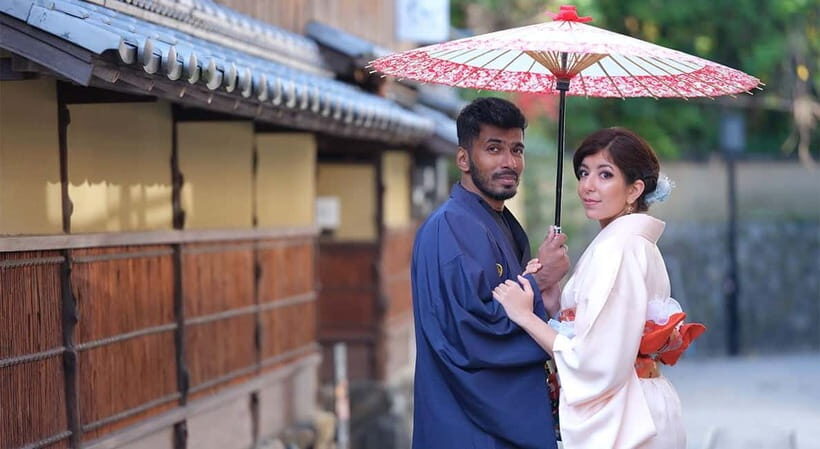
- Perfect walking base for Higashiyama: 2 minutes to Kodaiji and about 10 minutes to Kiyomizu on foot.
- Couple plan value: 7,000 yen for two people together (not per person).
- You choose your outfit: pick the kimono or yukata you want, with staff guidance if needed.
- June–September yukata season: yukata rental is specifically available from June to September.
- Optional add-ons are real: obiage, inner wear, umbrellas, and more can add up.
- Optional photographer: available by the hour if you want an easier photo shoot.
Why This Kodaiji/Ichinenzaka Location Makes Your Day Easier
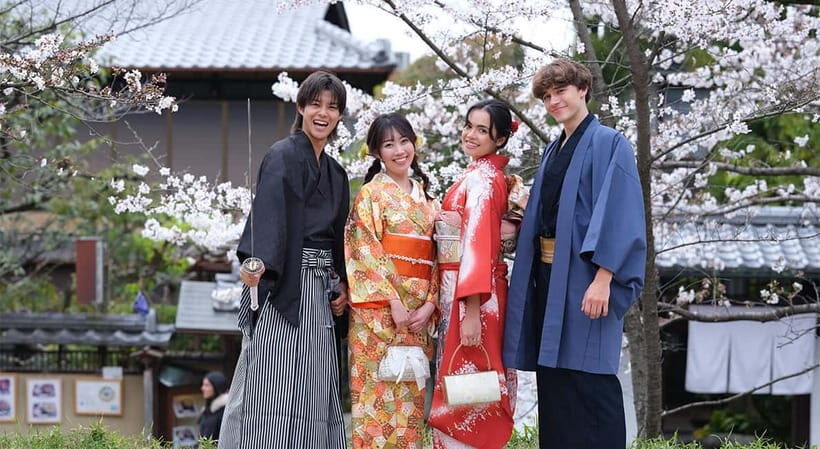
This rental works because it’s placed where people actually want to walk in Kyoto. You’re in a classic stretch of lanes and preserved streets, the kind where wearing a kimono feels natural rather than forced.
From the shop area, you can treat your day like a set of short hops instead of long transfers. Kodaiji is basically next door, and Kiyomizu is close enough to reach without building a whole transit plan around it. That matters because kimono days are already a little “gear-y”: your feet are in tabi socks and sandals, and you’ll appreciate not having to cram in extra logistics.
A bonus detail I like from what’s known about this neighborhood: there’s a mini bamboo forest nearby that people often pair with this part of Higashiyama. In other words, you can aim for scenes that look great on foot, without over-scheduling your day.
A few more Kyoto tours and experiences worth a look
Price and what 7,000 yen for two really buys
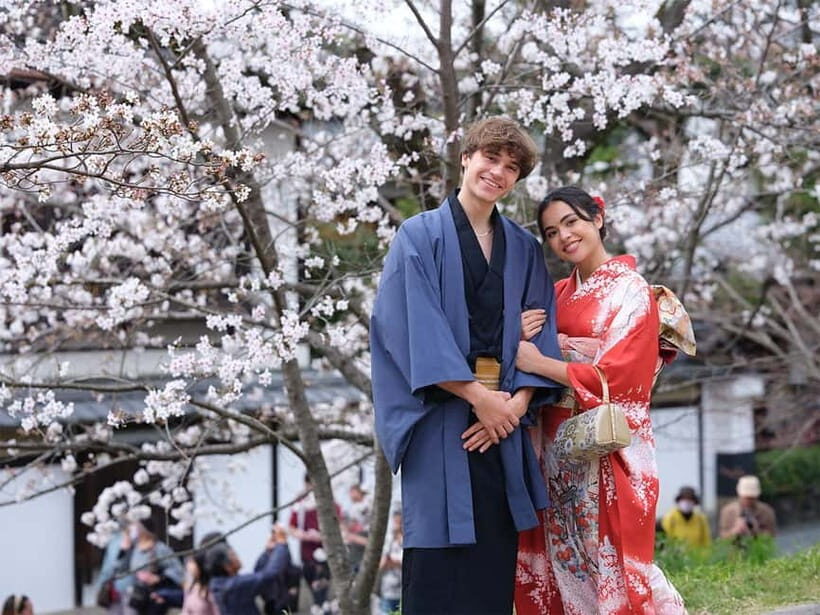
The couple plan costs 7,000 yen for one couple (2 people). In real terms, you’re paying for the full rental experience: getting dressed with included items, wearing the outfit for the day, and using the shop as your base.
At this price point, value comes from simplicity. If you’ve ever paid for “half a service” (like only getting an outfit rack and no help), you’ll appreciate that this plan includes the dressing essentials—so you’re not hunting down accessories or trying to figure out fit on your own.
Here’s a practical way to think about value: you control what you add. The base plan gives you the core look; then you can decide whether you want upgrades like obi ornaments, a specific inner layer, a shawl for cooler months, or a photo session. That flexibility is good because some people want the full glam experience, and others just want to enjoy Kyoto in style.
If you want extra time beyond the same-day routine, there’s also an option to return to your hotel the next day for an additional 1,000 yen. That can be worth it if you’re staying close and want your kimono day to bleed into another evening (as long as you’re comfortable managing the extra time).
Choosing Kimono vs Yukata: season and coordination tips
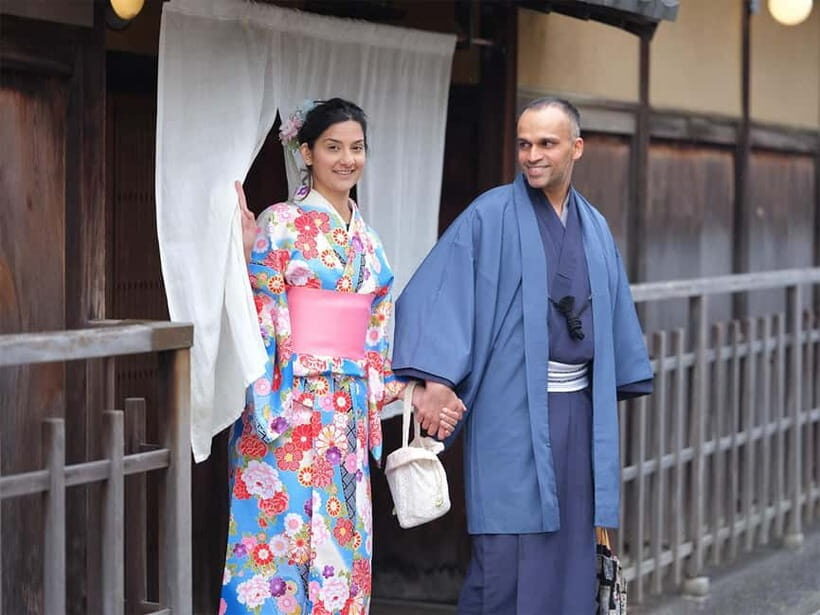
You can choose your favorite kimono or yukata as part of the couple plan. The shop also offers staff help if you’re unsure how to coordinate your outfits—especially useful for couples who want to look good together rather than accidentally match the wrong vibe.
One key timing note: yukata rental is available from June to September. If you’re visiting outside those months, you’ll be in kimono season instead, which also matters for what you’ll likely want to add for comfort.
Comfort upgrades can be as important as style. The set includes items like tabi socks and sandals, and for autumn/winter the women’s set includes haori. If you’re visiting in a shoulder season or it’s chilly in the evening, plan to dress smart because walking time can stretch longer than you think when you’re stopping for photos and snacks.
What’s included in the set (and what costs extra)
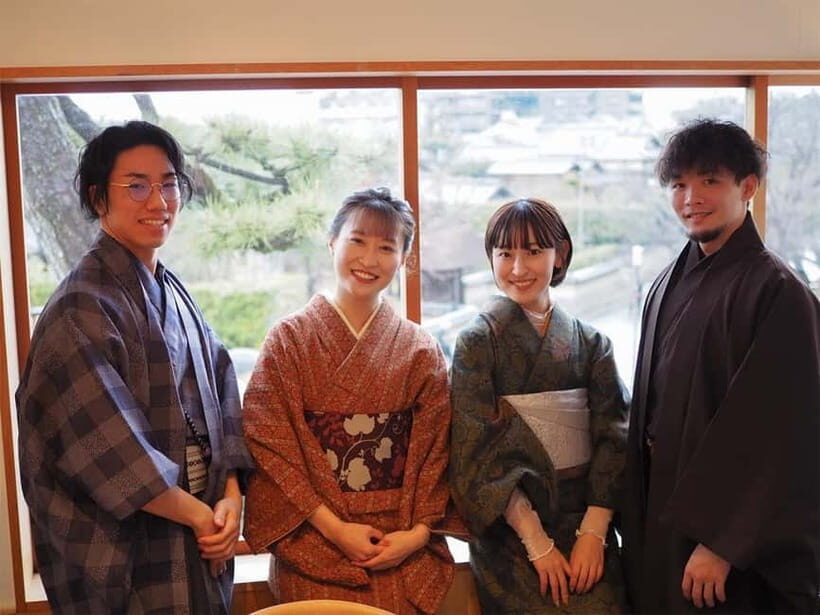
The plan is designed so you can arrive without bringing your own dressing kit. For women, the included items include a kimono (or yukata), obi (han-haba obi), tabi socks, sandals, bag(s) in some cases, plus undergarments and dressing accessories. For men, you get a kimono (or yukata), underwear, obi, tabi socks, sandals, a bag, and for autumn/winter a haori.
Even better, the rental includes the “hidden work” items you might not think about: the layers and accessories needed for wearing a kimono correctly. That’s why first-timers often have an easier time here than with rentals where you’re left to figure everything out.
Then there are the add-ons, which are optional but common. Examples of on-site rentals and prices include:
- Obiage: 550 yen
- Lace inner wear: 550 yen
- Shawl: 880 yen (limited to fall and winter)
- Drawstring bag: 550 yen (not Japanese pattern)
- Japanese umbrella: 1,100 yen
- Sword: 1,100 yen
- Hair set: 1,500 yen
This is where the “balanced” part of the experience shows up. If you want the simplest version, the base rental is already solid. If you want a more styled look, you should budget for a few add-ons so you don’t get surprised at checkout.
Dressing schedule and staff help during busy hours
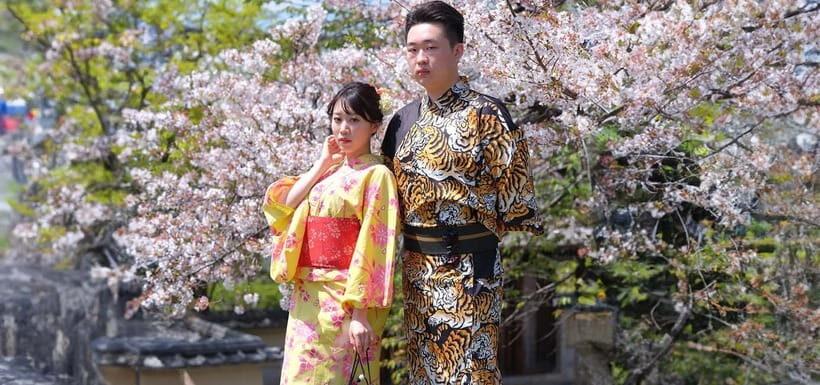
Your rental day runs through the shop’s hours: 8:00 to 19:00, with return time until 19:00. There’s also flexibility for next-day hotel return for an extra fee, but plan your main day around that 19:00 cutoff.
A practical reality: you’ll want to choose a dressing time that gives you margin. Kyoto is a walk-heavy city, and when you’re in kimono, you tend to move slower at first (then faster as you get used to it). If you aim to start late, you might cut your evening options short.
The shop specifically says staff will help, and they note English and Chinese availability. That’s important if you’re not comfortable with obi tying, fit adjustments, or how to carry yourself in traditional footwear. Also, if something doesn’t look right at first, ask—adjustments are part of a good kimono day.
One caution from the “know before you go” notes: you might not be able to be dressed on the day depending on the situation. That doesn’t mean it’s common, but it’s the kind of detail worth remembering if you have a strict schedule for temple visits or dinner.






A realistic self-guided day around Higashiyama (no wasted transit)
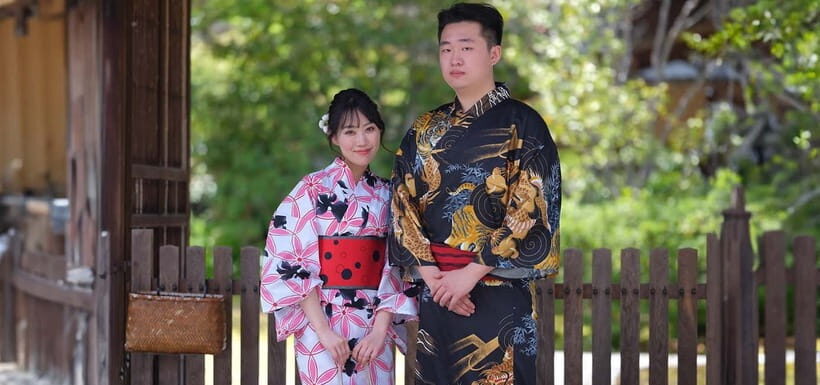
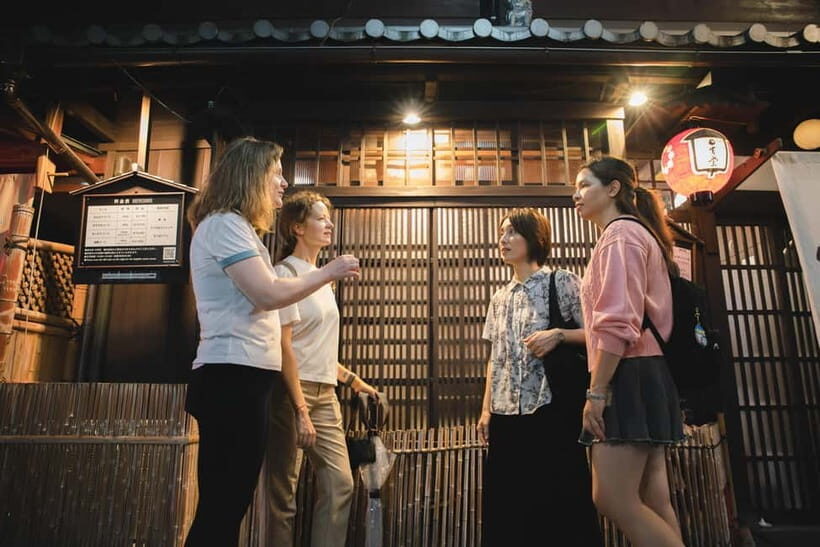
This isn’t a guided tour with a fixed route and a loud group schedule. Instead, you get a full day to enjoy Kyoto in your own rhythm. That’s ideal if you like choosing what to see based on time of day, crowds, and weather.
Here’s a practical way to structure your day using the location advantages:
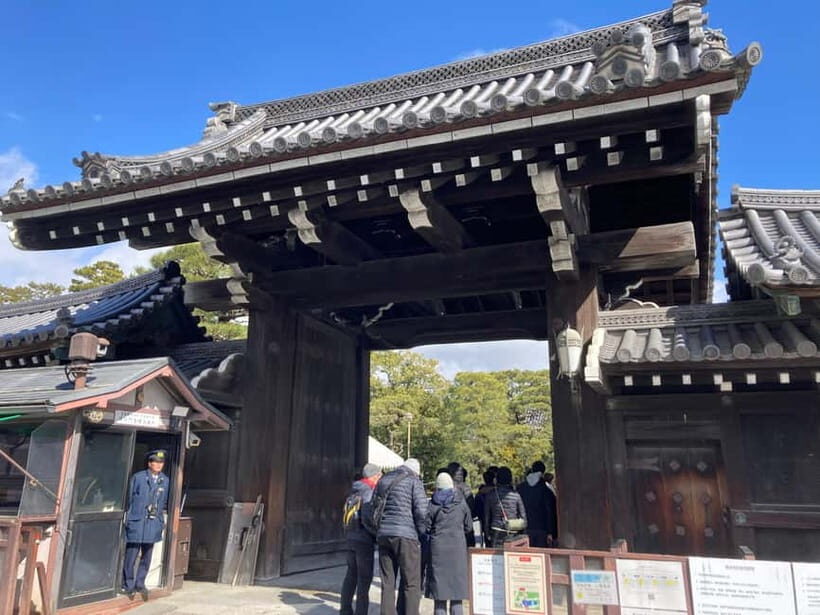
- Start close: since Kodaiji is about a 2-minute walk away, you can walk there early, before you’re fully tired from the day’s walking.
- Add the classic street scenery: Ichinenzaka is the kind of area where shopping streets, small cafés, and souvenir stops feel more atmospheric when you’re already in kimono.
- Work toward Kiyomizu next: with Kiyomizu Temple around 10 minutes away on foot, it’s a natural next stop without a big transportation detour.
If you’re the type who likes photos, consider timing your stops to keep your outfit pictures looking consistent. Midday light can be harsh for photos, but it’s also when you’re most likely to be passing lively streets. Early morning or late afternoon can soften shadows and make your kimono photos look more flattering.
Also, plan for “stops that take longer than you thought.” In kimono, even buying a snack becomes part of the experience, and you’ll probably want to pause for temple views, alley photos, and quick rest moments.
Comfort tips that save your feet (and your day)
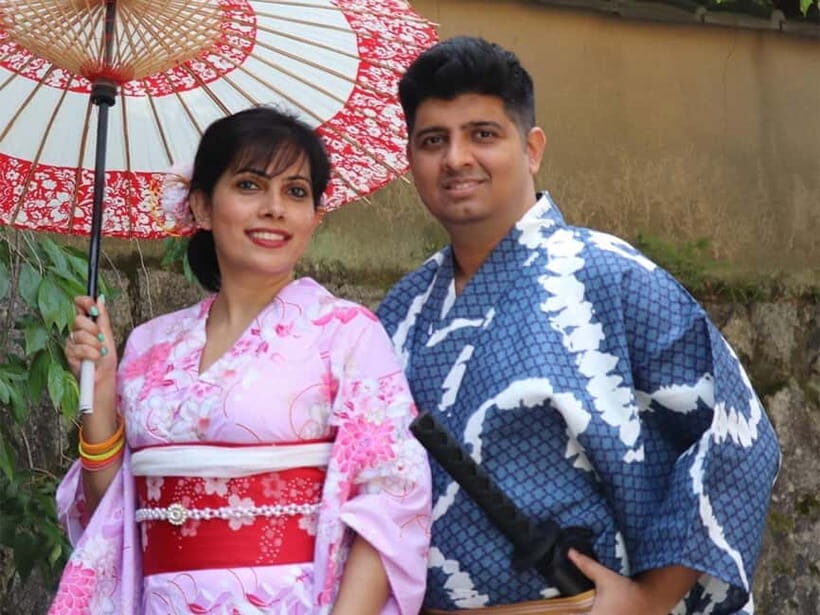
Kimono days are simple, but they aren’t weightless. You’ll be in tabi socks and sandals, and the fit depends on how your dressing sits around your waist and hips.
Do this:
- Take your time adjusting before you head out, especially the first few steps after dressing.
- Wear your “walk mindset,” not your “sprint mindset.” Kyoto rewards pacing, and kimono rewards it even more.
- If it’s cool, use warmth options. The shop includes a haori in autumn/winter seasons, and you can rent a shawl if it’s offered during your visit.
If rain is in the forecast, consider the umbrella rental (1,100 yen). Rain gear can be tricky when you’re dressed traditionally, and having the right accessory keeps you from improvising with whatever you can carry.
Optional photographer: when it’s worth the extra cost
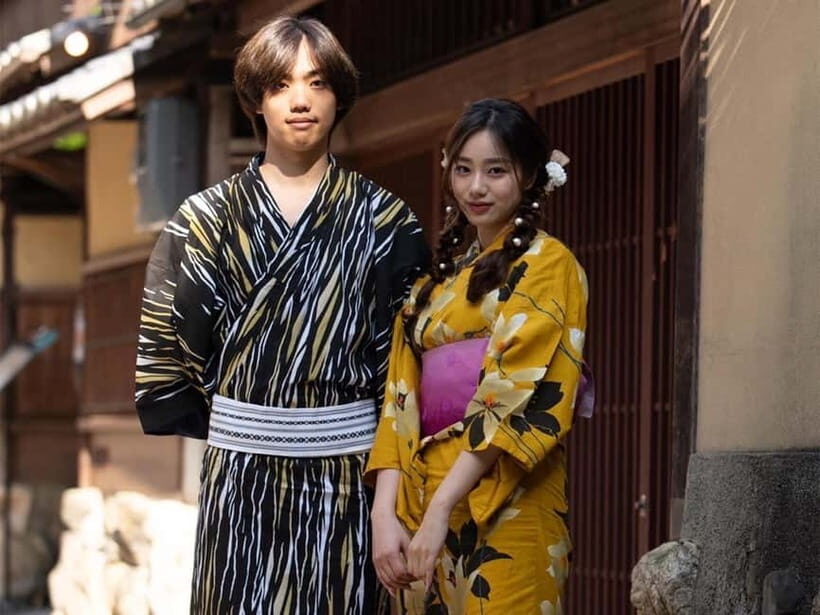
If you want fewer logistics and more finished-looking photos, you can add a photographer. The rates are:
- 1 hour: 18,000 yen
- 2 hours: 36,000 yen
- 3 hours: 54,000 yen
This is a meaningful extra spend, so it’s best for people who really want “done for you” photo pacing rather than taking photos yourselves with strangers in the background. If you’re comfortable with your phone and you like spontaneous shots, you might skip it and still get great results just by using the temple-and-street backdrop.
Who this plan fits best (and who should skip it)
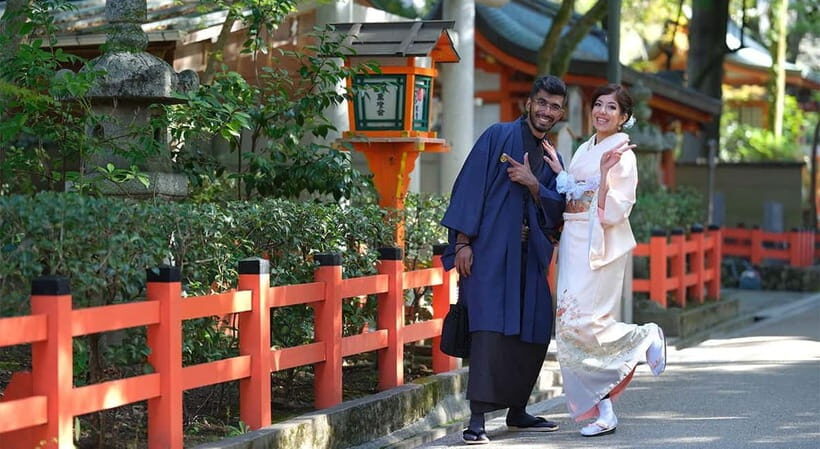
This couple plan is a great match if you:
- want a romantic, photo-friendly day together without a strict itinerary
- are a first-timer and want staff support
- prefer walkable sightseeing with easy access to major sights in Higashiyama
Age and health notes matter here. The info says it’s not suitable for:
- children under 13
- pregnant women
- people over 80
At the same time, it also states that pregnant women are required to have doctor confirmation and consent and will fill out a consent form. That contradiction means you should contact the shop directly and get a clear yes or no for your situation before you count on being able to dress that day.
If you’re within the allowed range, the biggest limiter is usually time and comfort. If you’re planning a long day of temples and alley walking, build in breaks and don’t stack too many “must see” stops.
Should you book Kyoto Kimono Rental Mimosa?
Book it if you want a kimono/yukata experience with an easy base near Kodaiji and Kiyomizu, plus staff help that makes first-timer dressing feel doable. The couple pricing is also strong: 7,000 yen for two is the kind of deal that lets you spend extra only if you truly want upgrades.
Skip or carefully rethink it if you know you want specific higher-end outfits. The experience can involve add-on costs, and some people have found the included kimono options more basic than what they hoped for at the same price. If that matters to you, ask ahead what’s available for your time slot and budget.
If your priority is simple, stylish, and walk-friendly Kyoto, this is a solid choice.
FAQ
How much does the couple plan cost?
The Kyoto Kimono Rental mimosa couple plan is 7,000 yen for one couple (2 people).
Where is the shop, and how close is it to major temples?
The store is located at 362-2 Masuya-cho, Higashiyama-ku, Kyoto-shi. It’s about a 2-minute walk to Kodaiji Temple and about a 10-minute walk to Kiyomizu Temple.
Can I reserve on the same day?
Yes, same-day reservations are available.
What’s included in the kimono/yukata rental package?
The set includes your kimono/yukata, obi, tabi socks, sandals, undergarments, and the accessories needed for dressing. Women’s set also includes obi (half-width) and may include haori for autumn/winter; men’s set includes a haori for autumn/winter.
Is yukata available year-round?
Yukata rental is available from June to September.
What optional add-ons can I rent?
On-site add-ons include obiage (550 yen), lace inner wear (550 yen), shawl (880 yen, limited to fall/winter), drawstring bag (550 yen), Japanese umbrella (1,100 yen), sword (1,100 yen), and hair set (1,500 yen).
Can a photographer be arranged, and what does it cost?
Yes. Photographer options are listed as 1 hour for 18,000 yen, 2 hours for 36,000 yen, and 3 hours for 54,000 yen.
What time do I need to return the outfit, and is next-day hotel return possible?
The shop hours are 8:00 to 19:00, and return is until 19:00. Next-day hotel return can be accommodated for an additional 1,000 yen.