Turning Kyoto into dinner is possible. This private cooking class with Chef Midori lets you learn home-style Japanese flavors in a local studio near Gion, not a crowded demo kitchen. I love the one-on-one feel and the way she starts you off with the core seasonings behind so many dishes: soy sauce, mirin, sake, and miso.
Two things I especially like are the menu choice and the personal conversation during cooking. You pick from set menus (including vegetarian and vegan), then Midori guides you through seasonal dishes you can realistically remake later at home. One drawback to consider: it is still a cooking lesson, so if you want Kyoto sightseeing first and food prep last, you’ll need to plan your day around a solid 2.5-hour block.
In This Review
- Key highlights I’d plan my trip around
- Why this Kyoto ramen or gyoza-style class feels more local than a food tour
- Finding the studio and settling in near Gion
- Choosing your set menu: flexibility for veg, vegan, kosher, and halal
- The class flow: tea, staples, cooking for real
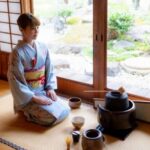
- Step one: Tea and the flavor foundations
- Step two: hands-on instruction with a real teacher
- One extra perk: conversation, not just technique
- What you actually cook (and why gyoza-style skills are worth it)
- Dinner after class: you get fed, then get smarter
- Price and value: why $169 can make sense here
- Who this is best for in your Kyoto plans
- The main things to consider before you book
- Should you book this private cooking class with Chef Midori?
- FAQ
- How long is the cooking class with Chef Midori?
- Where does the class take place and how do I get there?
- What menu options are available?
- Can the class accommodate vegetarian, vegan, kosher, or halal needs?
- Is it truly private?
- Can I cancel for a full refund?
Key highlights I’d plan my trip around
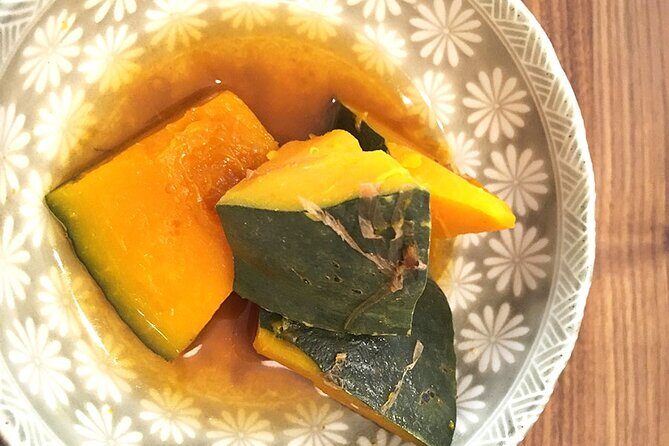
- Private studio class near Gion instead of a tour-assembly-line kitchen
- Chef Midori’s 30+ years teaching and hands-on, step-by-step guidance
- Set menu options with vegetarian, vegan, kosher, and halal accommodation if requested
- Cook first, eat together after the lesson, with Midori sharing local restaurant and shopping tips
- Relaxed pace and conversation, like cooking with a friend rather than performing for a group
- A cat lives upstairs and stays out of the kitchen and dining areas
Why this Kyoto ramen or gyoza-style class feels more local than a food tour
Kyoto has plenty of food stops. But a cooking class gives you something meals can’t: the logic behind the flavor.
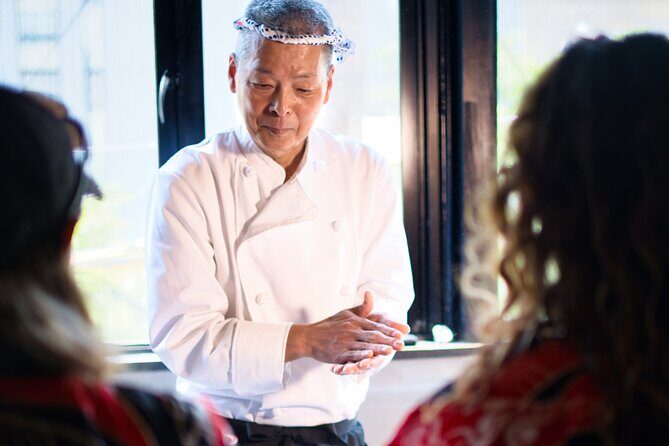
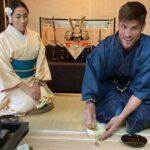
In this experience, Chef Midori welcomes you into her cooking studio for a calm, personal lesson. You start with Japanese tea, then learn how a few everyday ingredients build the backbone of Japanese home cooking. The vibe is friendly and practical, with plenty of time to ask questions and get adjustments based on your pace and interests.
The best part is that the class is designed to fit your group. You’re not squeezed into a “watch and hope” format. It’s private, so you can slow down, ask why something works, or get a quick fix when your dumpling folds aren’t perfect (and they don’t have to be).
Other private tours in Kyoto



Finding the studio and settling in near Gion

You’ll meet at the provided address in Shimogyo Ward (Chūdōji Mibukawachō), and the activity ends back at the same meeting point. It’s conveniently reachable via public transportation, which matters in Kyoto where traffic and routes can make timing tricky.
Even before you touch ingredients, the studio setup tells you what kind of experience this is. You’re not rushing through a line. You’re walking into a cozy home environment where tea is part of the welcome, and where Midori sets the tone: relaxed, warm, and focused on learning.
One small consideration: the studio has a cat that lives upstairs. The info says the cat stays upstairs and does not enter the kitchen or dining area, so it should not interfere with cooking, but it’s good to know in case you have allergies or strong preferences.
Choosing your set menu: flexibility for veg, vegan, kosher, and halal
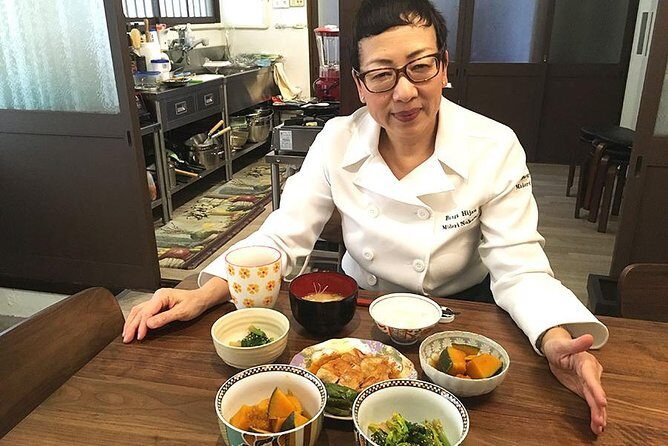
A big reason I recommend this type of class is choice. You get five different set menu options and you select yours when booking.
The menus are centered on Japanese comfort foods and popular street-to-home styles. Based on what’s listed, you may be cooking dishes like gyoza (dumplings), takoyaki (octopus balls), okonomiyaki (savory pancakes), and also options such as teriyaki chicken, sushi, or tonkatsu, depending on what you choose.
What really expands your options is the diet support:
- Vegetarian and vegan menus are available
- Kosher and halal options are available
- You just need to flag your needs in advance so Midori can accommodate
This matters because you’re not stuck with a token side dish. You’re learning the dish, and you can build confidence that carries into future meals—at a Japanese restaurant, or in your own kitchen.
The class flow: tea, staples, cooking for real
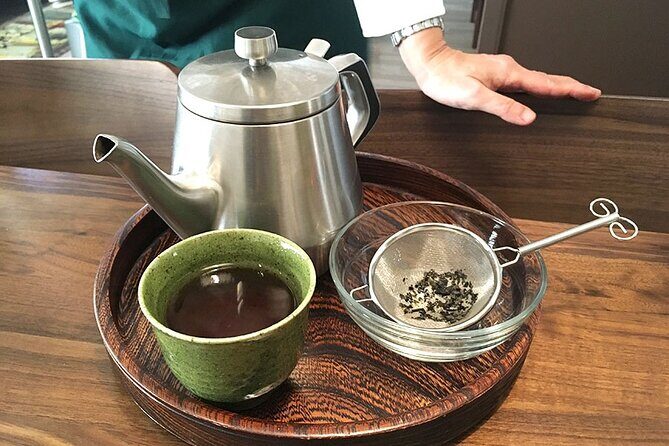
The overall experience is about 2 hours 30 minutes. The cooking portion is roughly 1.5 hours, followed by a shared meal where you eat what you made.
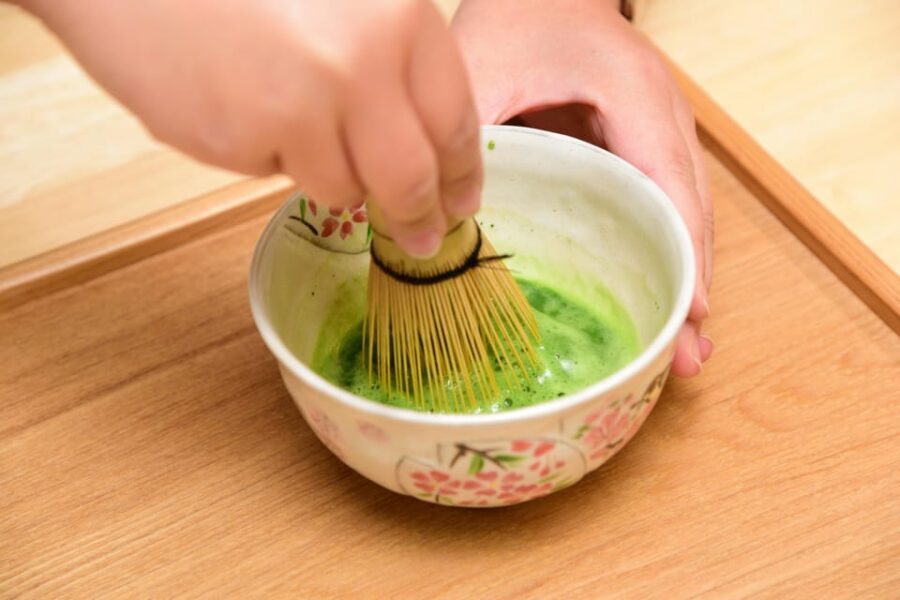
Step one: Tea and the flavor foundations
Midori begins by going over the essential seasonings that show up everywhere in Japanese home cooking. You’ll get grounded in soy sauce, mirin, sake, and miso—so when you taste something later, you start recognizing what you’re actually tasting.
This is one of those “small” parts that makes the whole class click. Instead of copying steps like a recipe sheet, you learn what the ingredients are doing.
Other cooking classes in Kyoto


Step two: hands-on instruction with a real teacher
You cook alongside Midori, guided step-by-step. The class mixes hands-on cooking with live demonstration, which is smart. You see the technique, then you practice it, and Midori can correct details as you go.
The instruction focuses on time-honored methods and seasonal dishes. Even if you’ve cooked before, you’ll likely pick up new habits—like how sauces are built, how dumpling prep changes once you understand the texture you’re aiming for, or how timing affects the final bite.
One extra perk: conversation, not just technique
Midori’s teaching style is described as warm, funny, and very interactive. The practical payoff for you is simple: if something doesn’t make sense, you’ll feel comfortable asking. You can also steer the conversation toward your trip interests.
In past sessions, some people were even allowed to record the lessons for later use. That’s not guaranteed from the info alone, so if you want that, ask early.
What you actually cook (and why gyoza-style skills are worth it)
The “ramen or gyoza cooking class” idea can sound narrow, but the real value is transferable technique. Even if your chosen menu isn’t literally ramen, the class is teaching you Japanese flavor-building.
For gyoza-leaning menus, you’re typically learning how to:
- manage filling texture
- shape and fold consistently
- cook dumplings so the outside and inside both deliver
And if your menu leans toward other classics like tonkatsu, miso soup, takoyaki, or okonomiyaki, you’ll still learn the same core lesson: Japanese home cooking is about balance—sweet, salty, savory, and umami—plus texture.
People also highlight that Midori can connect the dots between what you cook and what you eat while sightseeing. That means you’re not just making dinner; you’re building a mental map of Japanese flavors you can spot later on menus.
Dinner after class: you get fed, then get smarter
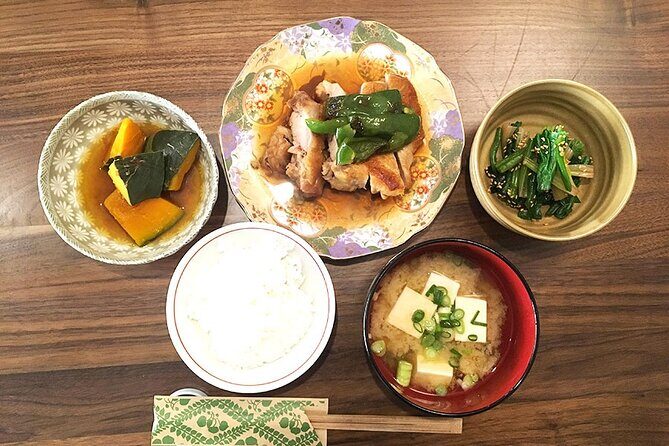
After the cooking session, you share a meal of what you made. This part is more than a reward. It’s how you learn.
You taste while the steps are fresh in your mind. You can also ask Midori what to adjust next time—thicker sauce, more seasoning, better balance, or different timing.
During the meal, Midori shares favorites and insider tips, including:
- local restaurant recommendations
- tips on where to shop for food
- guidance for Kyoto souvenirs linked to food culture
This is especially useful if you want to avoid the “buy it because it’s there” trap. Food-focused souvenirs tend to be practical, and having Midori’s suggestions helps you pick things that match what you just learned.
Price and value: why $169 can make sense here
At $169 per person, this isn’t the cheapest way to eat in Kyoto. But cooking classes don’t compete on low price. They compete on what you walk away with.
Here’s what you’re paying for:
- a private class (you’re not sharing the kitchen with a crowd)
- a teacher with 30+ years teaching Japanese cooking
- set-menu structure so you can choose dishes that match your taste
- hands-on coaching plus a meal
- diet accommodation support if you request it in advance
If you normally spend a few dinners plus a cooking workshop somewhere else, the math can start to look fair. More importantly, this type of experience gives you skills. You’re not only eating once; you’re learning how to cook again later.
The real question isn’t just the cost. It’s whether you want the “I can make this at home” feeling. If yes, the price tends to feel reasonable quickly.
Who this is best for in your Kyoto plans
This class is a strong fit if you:
- enjoy cooking and want hands-on teaching
- like Japanese food but want the how-to behind it
- want a calmer experience in Kyoto instead of a high-energy tour
- travel as a couple, family, or small group and want one-on-one attention
- need vegetarian, vegan, kosher, or halal support and want it handled thoughtfully
It’s also a good option if you’re the type of traveler who likes a plan, but still wants flexibility. Midori’s menu choices and interactive style mean you can steer the lesson toward what you care about.
If you’re not interested in cooking at all and just want to eat quickly, you might prefer a restaurant-focused evening. But if you want dinner with a story and a skill set, this works.
The main things to consider before you book
A few practical points can help you decide fast:
- You’re committing about 2.5 hours, with roughly 1.5 hours cooking and time to eat afterward.
- Your menu choice drives what you cook, so pick the set that matches your interests (especially if you want gyoza).
- If allergies or dietary rules matter, request your needs during booking so accommodations can be arranged.
- There is a cat upstairs in the home, though it stays out of the cooking and dining spaces.
Also, since it’s private, the experience tends to feel more personal than group cooking events. That’s usually a plus, but it means you’ll want to come ready to interact, ask questions, and enjoy learning.
Should you book this private cooking class with Chef Midori?
Yes—if you want Kyoto through the hands and flavors, not just through photos. I’d book it when you want a break from crowds and a chance to learn Japanese home cooking fundamentals in a real studio setting.
It’s especially worth it for:
- couples and small groups who want attention and conversation
- food lovers who plan to cook again at home
- travelers who need diet flexibility handled properly
Skip it if cooking isn’t your thing, or if you only want a quick bite and no teaching component. Otherwise, this is the kind of experience that turns a meal into something you can recreate.
FAQ
How long is the cooking class with Chef Midori?
The experience runs about 2 hours 30 minutes in total. The cooking portion is approximately 1.5 hours, followed by a shared meal.
Where does the class take place and how do I get there?
The class meets at the provided address in Shimogyo Ward, near the Gion area, and it’s near public transportation. The tour ends back at the same meeting point.
What menu options are available?
You choose one of 5 set menu options during booking (you list it in special requirements). The options include dishes like gyoza, takoyaki, okonomiyaki, teriyaki chicken, sushi, and tonkatsu.
Can the class accommodate vegetarian, vegan, kosher, or halal needs?
Yes. Vegetarian, vegan, kosher, and halal options are available. You should advise the host in advance so Midori can accommodate your needs.
Is it truly private?
Yes. It’s a private tour/activity, and only your group participates.
Can I cancel for a full refund?
Yes. Free cancellation is allowed up to 24 hours before the experience starts for a full refund. If you cancel less than 24 hours before, the amount paid is not refunded.