Kyoto turns flowers into philosophy. In just 1 hour 30 minutes, you’ll learn Ikebana, the Japanese art of arranging fresh blooms with a wabi-sabi, minimalist mindset and the idea that flowers can live on in a new form.
I love two things about this class: it stays small (up to 6 people), and it teaches you two beginner-friendly styles—Nageire and Moribana—so you leave with more than one way to think about balance. The English-speaking instructor, Mana, also keeps the pace practical, with demos and then plenty of time to work with seasonal flowers.
One possible drawback: the session is short. If you’re hoping for a long, deep lecture on the history of every school of Ikebana, you may find the coverage too brief for your taste.
In This Review
- Key Things You’ll Really Notice in This Ikebana Class
- Ikebana in Kyoto: living flowers and wabi-sabi simplicity
- Inside the 1.5-hour experience: what the class feels like
- Nageire vs Moribana: two styles you can actually use
- Seasonal flowers: the real lesson is working with what you have
- Mindfulness you can measure: balance, restraint, and attention
- The traditional house atmosphere (and why it matters)
- Practical results: tips that help your arrangement last
- Group size, language, and pacing: the value part
- Who this Kyoto Ikebana class is perfect for
- Booking mindset: planning around time, attention, and your goals
- Should you book Ikebana Traditional Japanese Art of Flower Arranging?
- FAQ
- Where does the Ikebana class meet in Kyoto?
- How long is the Ikebana class?
- How much does the Ikebana class cost?
- Is the class taught in English?
- How many people are in a group?
- What kinds of Ikebana styles will I learn?
- What will I do with the flowers during the class?
- How long can the flowers last after the class?
- What if I need to cancel?
Key Things You’ll Really Notice in This Ikebana Class

- Nageire and Moribana in one short session so you can compare styles right away
- Seasonal flowers used as-is, which forces you to work with shape and stems instead of presets
- Mindfulness through doing, not just watching—hands-on is the main event
- Practical care advice aimed at keeping flowers fresh up to two weeks
- Instruction from Mana, with clear demos before you arrange
- Max 6 participants, which makes it easier to get feedback
Ikebana in Kyoto: living flowers and wabi-sabi simplicity

Ikebana literally points to living flowers. That’s not a poetic slogan; it’s the mindset. You’ll be encouraged to look past the idea of filling a vase and instead focus on what each stem and petal already wants to be.
In Kyoto, that approach fits right in with the city’s wabi-sabi energy—quiet attention, honest materials, and beauty that doesn’t need to shout. The class uses seasonal flowers, which keeps the work grounded in what’s real and available that day.
And since the goal is balance and harmony, the style choices matter. You’ll learn that an arrangement isn’t just decoration. It’s a small ecosystem made by your hands, guided by traditional technique.
If you're still narrowing it down, here are other tours in Kyoto we've reviewed.


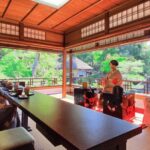
Inside the 1.5-hour experience: what the class feels like

The class runs about 1 hour 30 minutes, and it’s structured so you’re not stuck watching for most of the time. You’ll start with an orientation from Mana, then see demonstrations, then get to work on your own arrangements.
Most likely, you’ll recognize the rhythm right away:
- a short explanation of what you’re making and why
- a demo that turns the theory into physical steps
- hands-on time to create your own composition
- final guidance that helps you finish cleanly and take your work home
Because the group is capped at 6 travelers, Mana can slow down when you need it. That matters for beginners, because the hardest part of Ikebana isn’t talent—it’s knowing what to do with your hands and where the structure is supposed to be.
You’ll also get mindfulness built into the process. You’re not asked to sit and think for an hour. You’re asked to pay attention while making decisions: stem angle, spacing, line, and restraint. That’s where the “simple” part becomes powerful.
Nageire vs Moribana: two styles you can actually use

One standout detail is that this class teaches two traditional styles: Nageire and Moribana. They’re both beginner-friendly, but they feel different in your hands.
Nageire tends to emphasize a more spontaneous, gently leaning vertical energy—your stems often look like they’re in motion. Moribana, on the other hand, usually highlights a composed, grounded structure. You’ll get a feel for how the same concept—harmony—changes when the container and “ground rules” change.
What I like about learning both styles in a single session is that you stop treating Ikebana like one fixed trick. You start to see it as a set of choices:
- how much to let stems rise versus settle
- how lines relate to empty space
- how balance can be quiet instead of symmetrical
After Mana’s demos, you’ll be able to compare your own attempts. That comparison is how Ikebana starts to make sense quickly.
Seasonal flowers: the real lesson is working with what you have

You’ll work with seasonal flowers, and that’s important. In a city full of tourist crafts, it’s easy to get something that feels pre-planned. Here, the flowers you’re given shape your final arrangement.
Seasonal means you’ll deal with real variation: stem thickness, curve, flower weight, and how long petals keep their shape. That’s the point. Ikebana asks you to notice the natural characteristics of each stem and use them.
A practical takeaway: when you’re building your composition, you’ll want to treat the stem like the main character, not background material. Even when you add branches or supporting pieces, the “lead line” matters most. The flowers aren’t just color—they’re structure.
If you like hands-on problem solving, you’ll enjoy this. You’re essentially designing with constraints, like a tiny architecture project made of plant material.
Mindfulness you can measure: balance, restraint, and attention

This class leans into mindfulness, but it does it in a very grounded way. You’re not told to calm down and think positive thoughts. You’re asked to notice.
You’ll be guided to tune into the feel of the arrangement while you work. In Ikebana terms, that’s where the philosophy shows up: flowers are living beings, and your job is to arrange them so they can express their nature.
You’ll also practice restraint, which is a big part of wabi-sabi aesthetics. That means leaving empty space isn’t a mistake. It’s part of the design. Negative space helps your eyes rest, and it helps the composition breathe.
The result is that you’ll likely walk out with more than a finished vase setup. You’ll have a repeatable habit: slow down, look for the key line, and build around it instead of filling everything in.
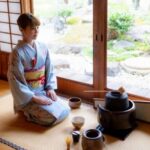

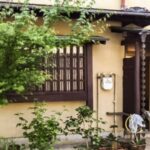


The traditional house atmosphere (and why it matters)

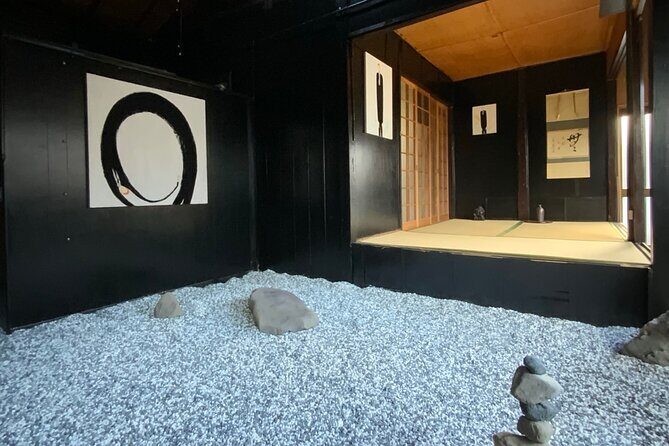
Your meeting point is in Kamigyo Ward, near public transportation, at a specific address in Kyoto. The experience is offered with the feel of a traditional Japanese setting—one review highlighted a typical Japanese house environment.
That matters more than it sounds. Ikebana is a technique, but it’s also a culture of attention. When you’re in a space that feels intentional and calm, it’s easier to stay focused on small details like stem angle and spacing.
Also, the class being run for a small group makes the setting feel less like a factory and more like a workshop. You get to hear instruction clearly and watch demos without constantly craning your neck.
Practical results: tips that help your arrangement last

If you’ve ever bought flowers that died in two days, you’ll appreciate this part. You’ll learn tips for maintaining fresh flowers, and the goal is for your arrangement to last up to two weeks.
The care advice is one of the most valuable takeaways because it turns the experience into something that continues at home. You don’t just pay for the class and then watch the stems fade. You leave with instructions to extend the life of what you made.
What you should keep in mind: longevity depends on how your home handles light, temperature, and water. The class can’t control those factors, but it can give you a solid method for keeping flowers in good condition.
Even if you’re a casual flower buyer, these techniques can level up your everyday arrangements. Ikebana care habits often push you to think more actively about water and stem health.
Group size, language, and pacing: the value part

At $72.26 per person for about 1.5 hours, this sits in the “serious experience” category rather than a quick craft stop. The price makes more sense when you consider what you get:
- an English-speaking instructor
- a maximum group size of 6
- demonstrations plus hands-on time
- instruction in two Ikebana styles (Nageire and Moribana)
- care tips aimed at keeping flowers fresh longer
Many flower workshops feel like you do one step, then leave. Here, you’re learning decision-making: how to build balance, how to use what you’re given, and how to finish a clean arrangement.
If you want a class that treats you like a beginner but still gives real structure, the small group matters. If you wanted only a photo moment, you’d probably be happier with a cheaper, faster option.
One more practical detail: you get a mobile ticket. That’s convenient in Kyoto, where paper tickets can feel like extra clutter.
Who this Kyoto Ikebana class is perfect for
You’ll probably love this experience if:
- you want something hands-on and calm, not a loud sightseeing sprint
- you’re curious about Japanese aesthetics like wabi-sabi and how they show up in real work
- you like structured guidance but still want room to create
- you want practical knowledge you can use after class (especially flower care)
It’s also a good fit for couples. One review mentioned enjoying the flexibility and freedom to build arrangements, and the group size supports that kind of relaxed pace.
If you’re coming in expecting a long lecture about every style lineage in Ikebana, adjust your expectations. This is technique plus mindfulness in a short window, not an all-day cultural course.
Booking mindset: planning around time, attention, and your goals
The class is in Kyoto, starts and ends back at the meeting point, and runs around 1 hour 30 minutes. That makes it easy to slot into a day where you also want temples or markets.
A scheduling tip: treat it as a focused “activity stop,” not something to stack with back-to-back long travel segments. Ikebana works best when you can arrive calm and settle in.
Also consider what you’re trying to get out of it. If your goal is a gentle introduction and a usable skill, the format fits well. If your goal is exhaustive history, you may want to pair it with a museum visit or a longer cultural lecture later.
Should you book Ikebana Traditional Japanese Art of Flower Arranging?
Yes—if you want a genuine, hands-on Kyoto experience that blends traditional technique, mindfulness, and take-home value. The standout elements are the small group size, learning both Nageire and Moribana, and getting practical guidance so your arrangement can last.
I’d skip it only if you’re specifically after a deep, wide-ranging history lesson about many Ikebana schools. In this time frame, you’ll get essentials and strong basics, not a long academic survey.
If you like the idea of making something calm and beautiful with your own hands, this is the kind of class that can change how you notice flowers afterward.
FAQ
Where does the Ikebana class meet in Kyoto?
It meets at Japan, 602-8287 Kyoto, Kamigyo Ward, Tanbayachō, 3481 シンフォニー北野東. The activity ends back at the meeting point.
How long is the Ikebana class?
It lasts about 1 hour 30 minutes.
How much does the Ikebana class cost?
The price is $72.26 per person.
Is the class taught in English?
Yes. It’s described as an English-speaking Ikebana expert experience.
How many people are in a group?
The class has a maximum of 6 travelers.
What kinds of Ikebana styles will I learn?
The class includes learning two styles: Nageire and Moribana.
What will I do with the flowers during the class?
You’ll learn traditional arranging methods using seasonal flowers and practice hands-on flower arranging.
How long can the flowers last after the class?
You’ll receive tips to maintain fresh flowers, with guidance aimed at helping arrangements last up to two weeks.
What if I need to cancel?
You can cancel for a full refund up to 24 hours before the experience starts.