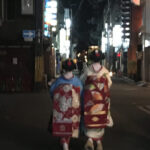
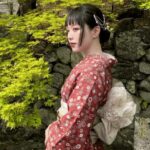
Kyoto lets you watch a maiko up close. Seeing a real Maiko isn’t something you can reliably plan in most places, since Kyoto is basically the only place you can experience this art world in an authentic way, and there are only about 40 maikos left. I love how the evening keeps the pace respectful, with two short dances plus time to interact, and I also love the Q&A and game time that turns the show into a human conversation, not just a performance. One thing to consider: the dances are intentionally short, and the maiko won’t be performing continuously for the full hour.
The biggest surprise is how much you get from the structure. You watch a traditional dance (around 10 minutes to start, then two more dances at roughly 5 minutes each), but the real value is the context you’re given right alongside the performance. I particularly liked how guides translated the meaning behind the dress, hair, and accessories, and helped make questions easy to ask and understand. If you’re hoping for a long, nonstop spectacle, this isn’t that kind of show.
You also get two different atmospheres depending on what you book. The Tea House option happens in a Kyoto-style house (kyo-machiya), while the Gion Theater option is in a purpose-built showhouse. Either way, come ready for a grounded, close-up experience, and do remember the simple rule: wear socks.
In This Review
- Key things I’d tell you to care about before booking
- One Hour With a Kyoto Maiko: Why This Feels Different
- Tea House vs Gion Theater: Choosing the Setting That Fits You
- How the Maiko Performance Works (And Why It’s Not Continuous)
- Q&A, Traditional Game, and Photo Time: The Part Most People Remember
- The Kitano Tenmangū Stop: What You Get Only With the Tea House Option
- Tea and Snacks, plus the Guide Team: The Value Stuff You Might Miss
- Price and Logistics: Is $50 Worth It in Kyoto?
- Practical Tips That Make the Show Smoother
- Who Should Book This Kyoto Maiko Show (And Who Might Not)
- Should You Book One Hour Geisha Show in Kyoto?
- FAQ
- How long is the geisha show experience?
- Where does the show take place in Kyoto?
- What happens during the show?
- Will the maiko perform continuously for the whole hour?
- Is there tea and snacks included?
- Do I get time for photos?
- Is the Kitano Tenmangū Shrine visit included?
- What should I wear?
- Is there free cancellation?
Key things I’d tell you to care about before booking
- A rare Kyoto maiko encounter: Kyoto has only about 40 maikos, so this is the closest thing to a limited-time opportunity.
- Short, purposeful dancing: You’ll see multiple dances, but the point is grace and exclusivity, not a nonstop show.
- Real interaction built in: Q&A, a traditional game, and time for photos are part of the experience, not an add-on.
- Two venues, two vibes: Tea house for a traditional setting, Gion Theater for a showhouse setup.
- Guide support matters: English and Korean guides help translate and keep the flow smooth.
- Socks only, please: Bare feet are not allowed, and that’s one of those rules that can catch you late.
One Hour With a Kyoto Maiko: Why This Feels Different
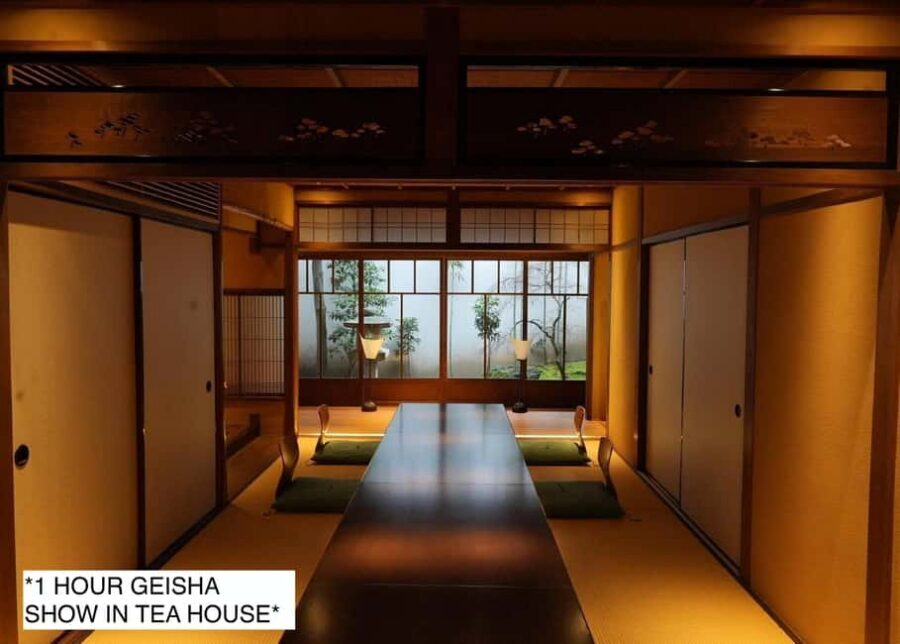
This type of Kyoto experience stands out for one simple reason: you’re not just watching a dance from a distance. You’re meeting an apprentice geisha, up close, in a setting designed for the art to feel close and personal. The show is built around small moments: the opening dance, the follow-up dances, then conversation time where you can actually ask questions.
I also like that the experience doesn’t pretend the culture is a theme park act. In geisha and maiko arts, performance is intentionally brief. That can sound like a drawback until you see it in action. The shortness helps everything feel precise, not rushed, and it protects the feeling that you’re witnessing something lived-in and controlled.
Finally, it’s rare to get the human side—warm answers, clear explanations, and a guide who helps you understand what you’re seeing. In past sessions I’ve seen guides like Rin, Genki, and Akari keep the explanations straightforward and the conversation moving. If you’ve ever felt lost in a cultural show because you didn’t understand what mattered, this structure is made to fix that.
A few more Kyoto tours and experiences worth a look


Tea House vs Gion Theater: Choosing the Setting That Fits You
You’ll book one of two environments, and they change the vibe.
Tea House option (Kyoto-style house)
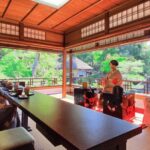
This is held in a Japanese kyo-machiya style house. If you like Kyoto’s texture—wood, rooms, and the feeling of stepping into an older domestic space—this option usually fits better. One important note: the walking visit to Kitano Tenmangū Shrine is only for this Tea House option. So you get a built-in culture pairing: performance first, shrine time after.
Wheelchair access: the Tea House option is marked as wheelchair ❌.
Gion Theater option (showhouse)
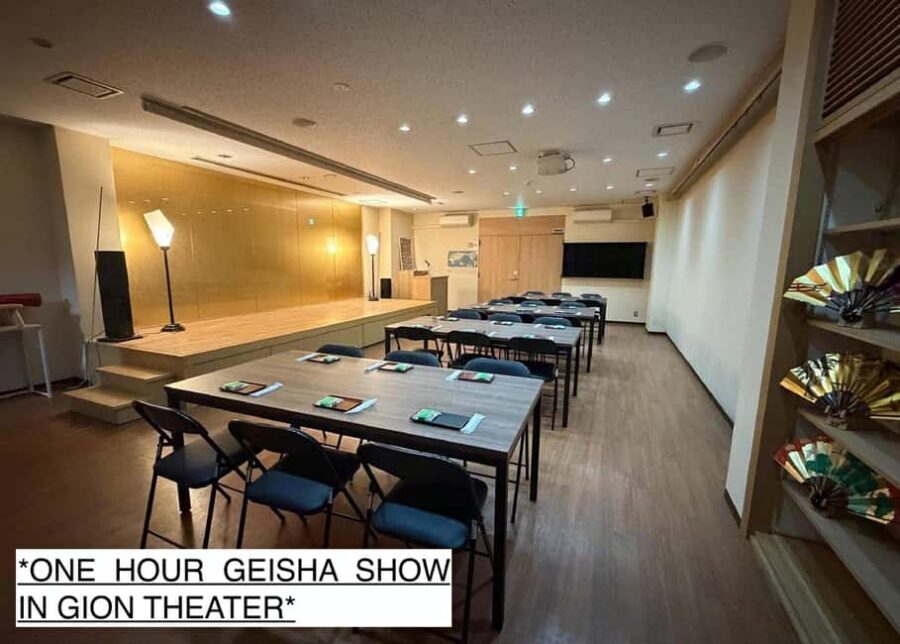
This is a showhouse setting in the Gion area. It’s usually better if you want the show to feel like a compact, purpose-built event space. Wheelchair access: the Gion Theater option is marked as wheelchair ✅.
If you’re deciding, ask yourself what you want most. If you want the extra site visit with the performance, go Tea House. If you care more about a venue designed for viewing and comfort, go Gion Theater.
How the Maiko Performance Works (And Why It’s Not Continuous)
Here’s the pacing you should expect, so you can match your expectations to reality.
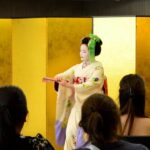
The maiko begins with a traditional dance lasting around 10 minutes. Then you’ll see two more dances, each about 5 minutes. After those dances, the schedule shifts to Q&A and interaction time—photo taking, plus a chance to play a traditional Japanese game with her.
That means the maiko isn’t performing nonstop for the full hour. The show is structured for breaks, conversation, and the kind of respectful atmosphere where the art stays graceful. If you’re the type who hates awkward downtime, plan for it. But if you’re here for the meaning and the interaction, the pacing works.
One practical benefit of this structure: you’re not stuck watching only. You get to see movements more clearly because the sessions are short and the guide can explain what you’re noticing. Guides such as Genki (in one session) helped translate details so questions didn’t just become random chatter.
Q&A, Traditional Game, and Photo Time: The Part Most People Remember
The performance is beautiful, but the part that turns the show into a story is what comes right after.
Once the dances finish, you’ll get time for Q&A. The guide helps translate so you can ask questions that actually make sense for what you saw—dress meaning, performance life, and the role of maiko in Kyoto. People often leave surprised by how open and warm the maiko can be when the questions are guided and the moment is respectful.
Then there’s the traditional game. It’s not about winning big prizes. It’s about sharing a cultural moment. Many people end up laughing because they didn’t realize how the game works, and that’s part of the charm.
Finally, you get time for photos. The show also includes a moment where the maiko can interact with the group during the photo segment, so it feels personal rather than like a quick “stand here and leave” setup.
If you want the best photos, treat this like a performance moment rather than a tourist scavenger hunt. Keep your phone steady, listen to the guide cues, and be ready when the photo time begins.
The Kitano Tenmangū Stop: What You Get Only With the Tea House Option
If you book the Tea House option, you also get a guided visit to Kitano Tenmangū Shrine for about 30 minutes.
This is valuable because it changes the experience from a single room show into a mini slice of Kyoto rhythm. You’re still connected to the maiko experience, but you also get a change of scenery and a chance to see a famous shrine area after the performance.
Do note one key detail: the walking tour that visits the shrine is only for the Tea House option. If you book Gion Theater, you’re not automatically getting the shrine visit.
Also, the whole experience is still compact. Thirty minutes is enough to feel like you did something, but it’s not a full day shrine exploration. Plan to treat it as a cultural add-on that works well with the show’s timeframe.
A few more Kyoto tours and experiences worth a look


Tea and Snacks, plus the Guide Team: The Value Stuff You Might Miss
You don’t just pay for a dance. You pay for a complete guided interaction.
Included in the experience:
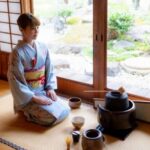
- Tea and traditional Japanese snacks
- A professional tour guide
- The maiko show and interaction time
That matters because it helps you slow down after the performance. You’re not rushing out immediately, and you get a small break where you can process what you just learned.
I’ve also noticed how much a guide shapes the experience. In different sessions, guides like Chihiro and Taira Yoshino have been described as friendly and effective at translating and keeping the group comfortable. When communication works, Q&A turns into real conversation. When it doesn’t, it can feel like questions are happening but you’re not fully following.
Group size also affects the feel. The Tea House option caps at 23 people, while the Gion Theater option caps at 30. Smaller groups usually help the atmosphere stay calm and give the guide easier control over timing and attention.
Price and Logistics: Is $50 Worth It in Kyoto?
At $50 per person, you’re paying for access: close-up viewing, translation help, tea and snacks, and structured interaction with a maiko. Compared to generic “cultural show” tickets where you sit quietly for a single performance, this one gives you more time with the people behind the art.
The reason it’s priced fairly (in my mind) is that it’s not only the dances. You’re also paying for:
- the guide’s translation and context
- time for Q&A
- the traditional game
- photo time
- and the venue experience (tea house or theater)
The trade-off is the show stays short by design. You’re not buying a long, uninterrupted performance. You’re buying a tight, respectful window into a rare aspect of Kyoto culture, with interaction built in.
The duration is listed as 1 hour to 105 minutes. That range is probably the reality of moving between parts of the experience (tea house setup, photo timing, Q&A flow, and any venue-specific transitions). So if you’re trying to stack this right before a reservation, leave a little breathing room.
One more logistics note that matters: you’ll want socks. Bare feet aren’t allowed, and socks are required. It’s a small detail, but it can be the difference between settling in quickly versus scrambling.
Practical Tips That Make the Show Smoother
These are the rules and details I’d take seriously before you go:
- Bring socks. Bare feet aren’t allowed.
- No baby strollers.
- Alcohol and drugs aren’t allowed.
- The experience is offered with English and Korean speaking guides.
- Meeting point can vary depending on which option you book. One listed start location is 梅乃 UMENO (302-2 Daikokuchō, KOHYO Kamishichikenten), but check your exact confirmation.
If you’re sensitive to crowds, remember the cap sizes: up to 23 for Tea House, up to 30 for Gion Theater. That’s not huge, but it’s not private either.
Also, the tour is not suitable for people over 95 years. If that applies to you or someone you’re traveling with, it’s worth thinking carefully about stamina and walking.
One last thing that can affect your trip flow: you’ll be asked for a phone number reachable during your stay in Japan and on WhatsApp. That helps with clear communication before the tour. If you dislike sharing your number, consider whether that’s a dealbreaker.
Who Should Book This Kyoto Maiko Show (And Who Might Not)
Book it if:
- You want a close-up Kyoto cultural experience tied to geisha and maiko arts.
- You care about the explanations, not just the photos.
- You like structured interaction: Q&A, games, and photo time.
- You’re happy with the idea that performances are short on purpose.
Consider skipping or choosing carefully if:
- You expect a nonstop full-hour performance. This one isn’t built that way.
- You’re traveling with someone who can’t manage the rules and basic standing/interaction setup.
- You hate the idea of a guided group moment where you can’t control the pace.
It also makes a great end-of-day activity in Kyoto. After museum time or a Gion walk, this kind of short, concentrated experience feels like a satisfying final chapter, especially if you like getting answers in real time.
Should You Book One Hour Geisha Show in Kyoto?
I think you should book it if you want something specific: a real maiko encounter in Kyoto with time to ask questions and interact. At $50, the value isn’t the dance alone. It’s the guided context, the interaction format, the snacks and tea, and the fact that you’re seeing an art form in a setting designed for respect, not mass spectacle.
Choose the Tea House option if you want the Kyoto-style house atmosphere and the Kitano Tenmangū Shrine add-on. Choose Gion Theater if you prefer the showhouse format and want wheelchair access.
If your main goal is a long performance nonstop, you’ll likely feel shorted. But if your goal is understanding, seeing up close, and walking away with clear memories, this is the kind of Kyoto experience you’ll be glad you made room for.
FAQ
How long is the geisha show experience?
The duration is listed as 1 hour to 105 minutes, depending on the option and timing.
Where does the show take place in Kyoto?
You can choose between two options: a Tea House in a Kyoto-style house or a Gion Theater showhouse. The exact meeting point can vary by option.
What happens during the show?
You’ll watch a traditional dance (about 10 minutes), then two more short dances (about 5 minutes each). After that, there’s time for Q&A, photo-taking, and playing a traditional Japanese game.
Will the maiko perform continuously for the whole hour?
No. The performance is intentionally short, and the maiko will not be performing continuously for the full hour.
Is there tea and snacks included?
Yes. Tea and traditional Japanese snacks are included, while additional drinks or food are not included.
Do I get time for photos?
Yes. There is time for photo-taking during the Q&A and interaction portion.
Is the Kitano Tenmangū Shrine visit included?
It’s included only with the Tea House option, with a guided session of about 30 minutes. The walking tour to the shrine is for the Tea House option only.
What should I wear?
You must wear socks. Bare feet are not allowed.
Is there free cancellation?
Yes. Free cancellation is available up to 24 hours in advance for a full refund.