Kyoto hits different when you pedal. This 4-hour e-bike tour led by Maki mixes famous stops with quieter streets, plus real explanations of what you’re seeing. I especially liked how the ride flows through Gion and how Maki ties the neighborhood to Geisha-era customs, and I also loved the slow-down moment at Tofukuji Temple and its Zen garden.
The big trade-off is time. You’ll get a solid taste of Fushimi Inari Shrine, but the schedule is built for cycling and group pacing, so if you want lots of wandering time in just one spot, this may feel a little tight.
In This Review
- Key Points at a Glance
- Why Kyoto Feels Easier (and Better) From an E-Bike
- Meet at Pedal Adventure Kyoto and Get Your Riding Rhythm
- Gion District Cycling: Geisha Customs Explained on Real Streets
- Finding “Local Life” Streets Without Getting Lost
- Fushimi Inari Shrine and the Shintoism Context You’ll Want
- Tofukuji Temple Zen Garden: The Calm That Makes the Day Work
- Safety, Pace, and Who Should Join This E-Bike Day
- What’s Included in the $83 Price (and Why It Adds Up)
- How to Get More From Maki’s Stories and Photo Help
- Should You Book This Fushimi Inari and Tofukuji E-Bike Tour?
- FAQ
- Where is the meeting point?
- How long is the tour?
- What is the price per person?
- Is the tour guided, and what language is it in?
- What’s included in the tour price?
- What’s not included?
- What type of group size should I expect?
- Is this suitable for kids?
- What should I bring for the ride?
- Is the tour accessible for everyone?
Key Points at a Glance
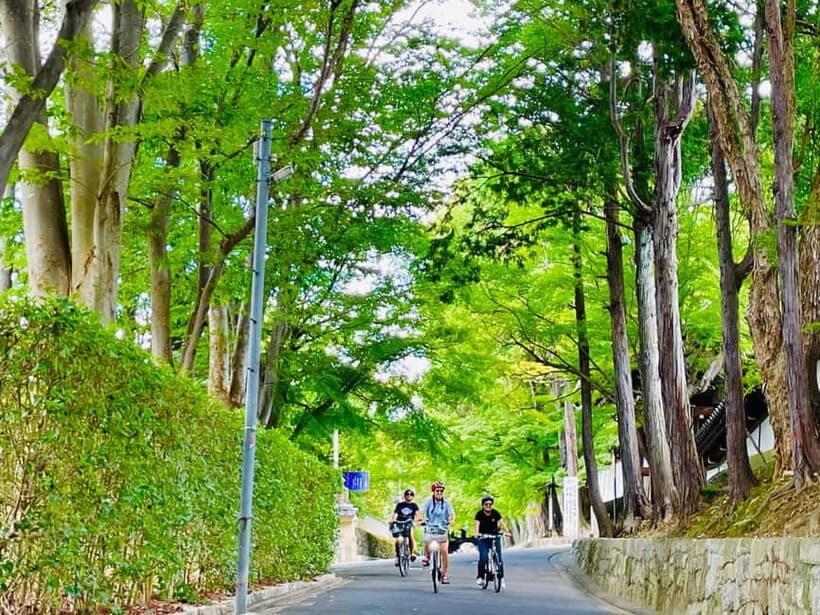
- Maki makes the culture stick with humor and clear explanations about shrines, temples, and Kyoto customs
- Small-group feel (max 8) means more Q&A and a calmer ride, especially in busier areas
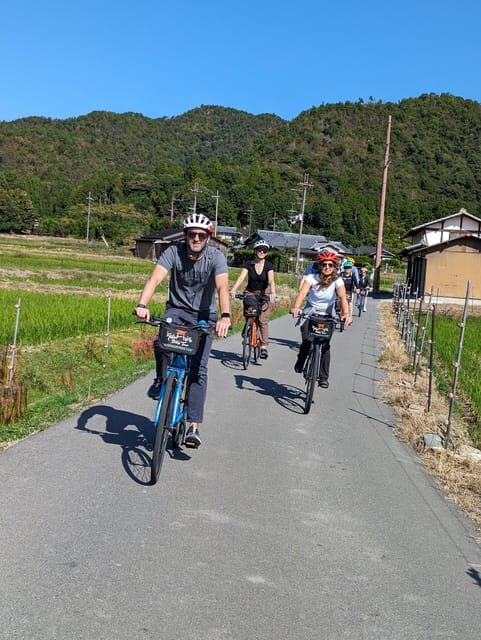
- E-bikes handle Kyoto’s hills and steep bits, so the experience stays fun for a wide range of riders
- Fushimi Inari + Shintoism lesson gives context instead of just photos
- Tofukuji Zen garden reset is a peaceful break from the motion and noise of the city
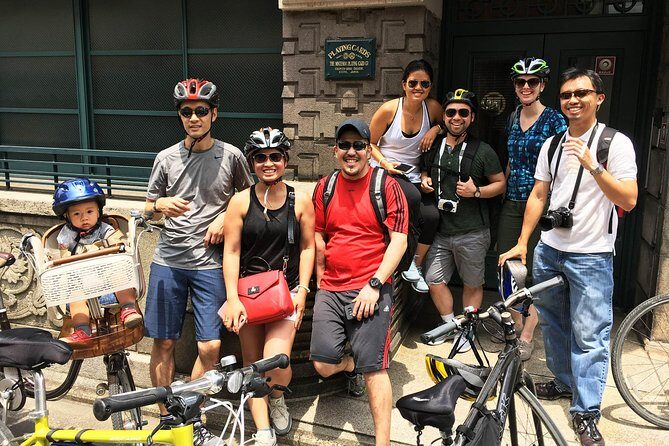
- Photo help is part of the package since Maki will take great family and couple photos
Why Kyoto Feels Easier (and Better) From an E-Bike
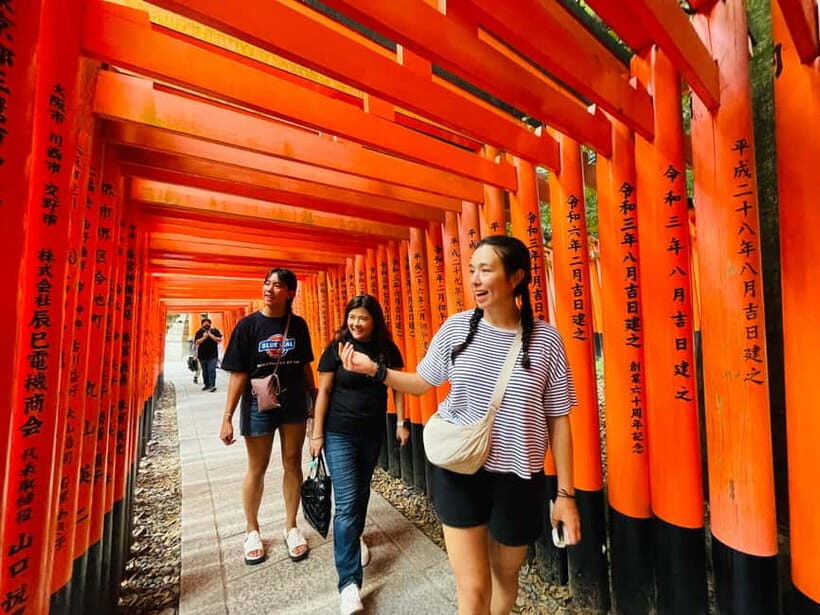
Kyoto can be a lot on the feet. Crowds, long walks between sights, and the surprise hills. This tour solves that with an electric bike plan that keeps you moving without making the day feel like punishment.
You get the best of both worlds: you reach headline places like Fushimi Inari and still spend enough time on streets where Kyoto looks like Kyoto, not just a postcard. The guided structure also matters here. You’ll know what you’re looking at when torii gates, shrine details, and temple spaces start blending together in your photos.
The tone is practical and human. Maki doesn’t just rattle off facts. She connects customs to everyday life and invites questions, which is rare when you’re trying to cover several major stops in one half-day.
A few more Kyoto tours and experiences worth a look


Meet at Pedal Adventure Kyoto and Get Your Riding Rhythm
Your tour starts at Pedal Adventure Kyoto, where you’ll get oriented for riding in Japan. That sounds basic, but it’s huge. In a new country, traffic flow, crossing patterns, and where to ride can feel confusing fast. The tour includes a bike setup and helmet, so you can focus on comfort instead of figuring everything out on the spot.
You’ll also be shown the basics of how the e-bike works and how to ride as a group. Reviews repeatedly mention that the bikes are easy and well maintained, which makes a difference. When the machine is reliable and the route planning is clear, you can actually enjoy the scenery instead of worrying about your balance.
One more practical point: the day is not a straight-line sightseeing stroll. You should expect a mix of walking and cycling, so comfortable shoes and breathable clothes matter. If you dress like you’re sightseeing by subway, you’ll still be fine, but you’ll feel more relaxed in proper cycling shoes or supportive sneakers.
Gion District Cycling: Geisha Customs Explained on Real Streets
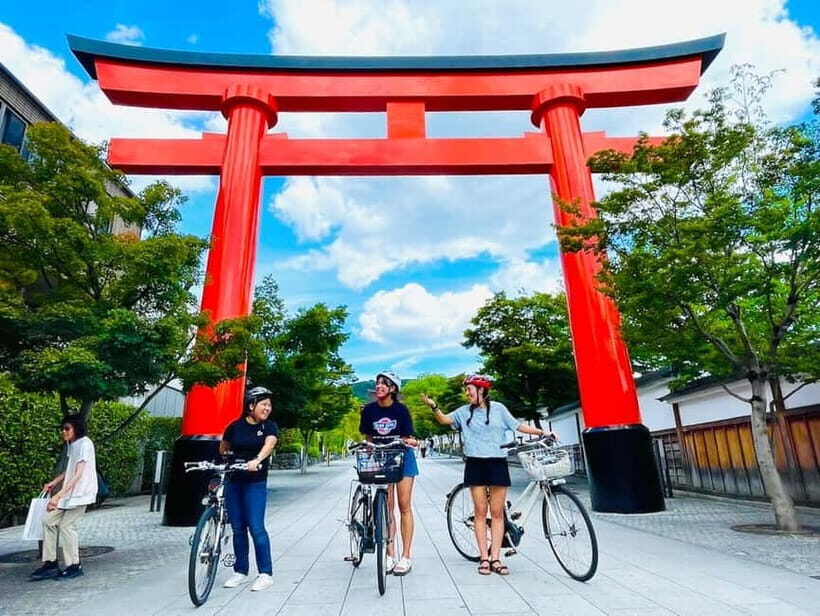
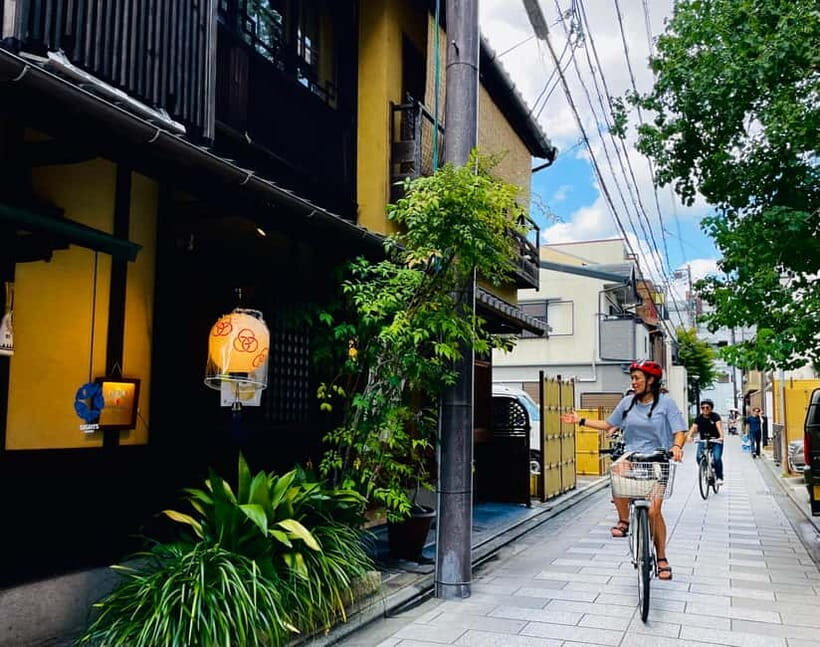
Gion is famous for a reason, but it’s also where rules of reading the city matter. On this tour, you’ll cycle through the district and learn about Geisha and Kyoto customs in a way that feels grounded, not like a museum lecture.
What I like about doing Gion by bike is the scale. You move through streets at a pace that lets you notice everyday details, not just the loudest viewpoints. And because it’s guided, you’re not stuck trying to guess what a small sign or shrine-like detail is telling you.
Maki’s storytelling tends to land in a personal way. In the group, she answers questions and keeps the tone light, so even people who thought they’d only come for the temples end up leaning in. If you’re traveling with teens or family members who get bored with long temple explanations, this format often works better than a slower walking tour.
Finding “Local Life” Streets Without Getting Lost
A good Kyoto tour does two things: it avoids wasting your time and it avoids turning the city into a theme park. This one aims for that by mixing busy areas with calmer neighborhood roads.
You’ll cycle through Kyoto’s suburb-life feeling too, which is where the city stops looking like a checklist. One of the strongest recurring impressions is how the route includes side streets and quieter stretches while still getting you back to major sights efficiently. Reviews also mention the guide helping the group through busier road sections with clear direction.
That balance is why an e-bike tour can feel like a smarter use of a half day. You’re not just “going from temple to temple.” You’re seeing how the city moves around those temples. And along the way, Maki builds a bigger picture with context about Japanese life, including stories about culture and history.
Fushimi Inari Shrine and the Shintoism Context You’ll Want
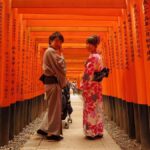
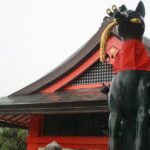
Then comes the star: Fushimi Inari Shrine. It’s described as the most popular place in Japan, and you’ll feel why the moment you arrive. What matters on a guided tour is not just the crowd—it’s understanding the meaning behind what you’re seeing.
Maki explains the interesting history and culture of Fushimi Inari, including Shintoism. That’s where the tour earns its value. Without context, a shrine visit can turn into mostly photos and guessing. With context, the visit becomes a story you can retell later.
A practical note: even though this is an e-bike day, this stop still involves walking. Wear comfortable shoes and expect time spent on foot once you’re inside the shrine area. The tour is paced for a group, and you should understand that you may not get long, slow wandering time at every spot. One review even mentions wanting more time at the shrine, which makes sense given the 4-hour structure.
My advice: if Fushimi Inari is your top priority, treat your time there like a focused visit. Spend time noticing details early, then take the photos you’ll actually care about, not the thousand you’ll delete later. The guide’s explanations help you decide what’s worth your attention.
Other cycling tours in Kyoto


Tofukuji Temple Zen Garden: The Calm That Makes the Day Work
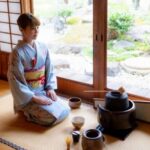
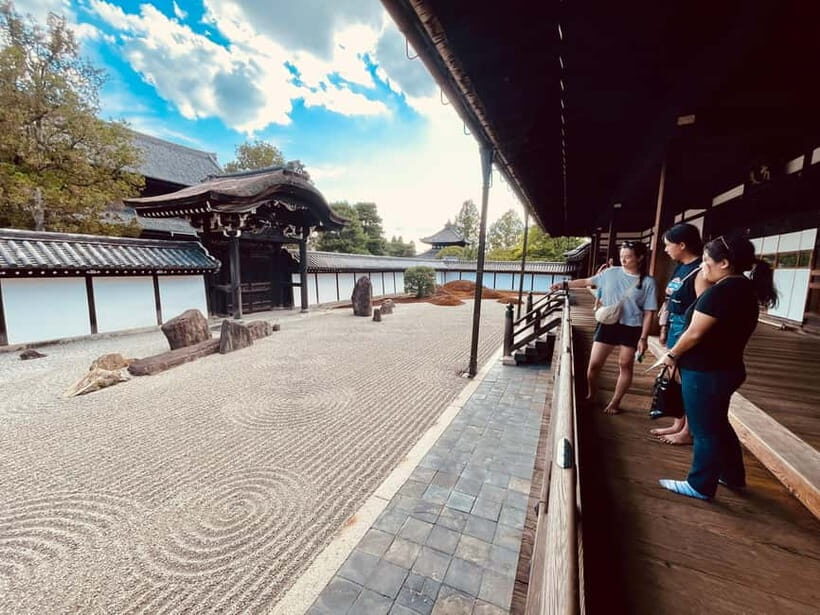
After cycling back toward the city, you stop at Tofukuji Temple. This is the reset button. The tour includes time to relax in the Zen garden, and that pause is exactly what makes the whole half day feel balanced.
In Kyoto, it’s easy to go from noise to noise. A Zen garden stop forces your brain to slow down. Reviews mention the meditative ambience and the comfort of having a guided moment to reflect, not just snap pictures and rush away.
Also, Tofukuji isn’t just another scenic stop. The tour includes explanations of differences between religions in Japan—shrines versus temples and how Shinto and Buddhism show up through spaces and customs. When Maki ties that together, you start seeing patterns across the day rather than isolated landmarks.
If you want your day to feel like more than sightseeing, this is the part that delivers. Even if you’re not a hardcore temple fan, the quiet here is a good match for the motion of e-biking.
Safety, Pace, and Who Should Join This E-Bike Day
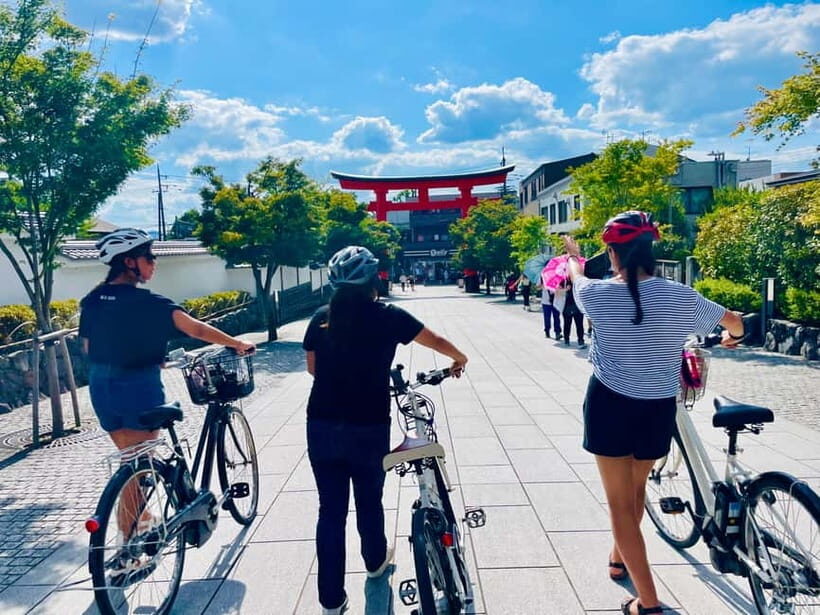
This tour is built for comfortable participation, not athletic training. The group is small—limited to 8 participants—and the guide leads from the front with clear instructions. Reviews consistently mention feeling safe even when riding through busier areas, and that the ride isn’t physically demanding thanks to the e-bike.
Still, it’s not for everyone. The tour is not suitable for children under 12, pregnant women, or people with mobility impairments, according to the provided information. Also, cycling days reward good gear. Bring comfortable clothes, sunscreen if it’s sunny, and stay hydrated.
The tour lasts 4 hours, which is one of its quiet strengths. If you’ve already planned a full day for Arashiyama or downtown shopping, this gives you a strong Kyoto cultural hit without swallowing your whole schedule.
One small consideration: as with any group tour, your time at each stop depends on group pacing and the start-of-day training. If your main goal is maximum time at one location, you’ll need to manage expectations for the overall flow.
What’s Included in the $83 Price (and Why It Adds Up)
At $83 per person for about 4 hours, the price is competitive when you look at what you actually get.
Included:
- Live English local guide
- Electric bicycle rental
- Helmet
- Insurance
- Snack and water bottle
- Entrance fees for two places
Not included:
- Hotel pickup/drop-off
- Lunch
Here’s how I think about value. If you tried to DIY this route, you’d still pay for bike rental, and you’d still be paying entrance fees on your own. You’d also lose the biggest part of what you’re buying: interpretation. Maki’s explanations about Shintoism, temples versus shrines, Geisha culture, and Japanese customs are the difference between seeing Kyoto and understanding what you saw.
The small group size also matters. With up to 8 people, you get more direct interaction than in big bus tours. That turns into real benefits when you ask questions—especially if you’re curious about culture, religion, or how people behave around shrines.
If you enjoy tours that teach you something useful while staying active, this price feels like a fair trade for a half day.
How to Get More From Maki’s Stories and Photo Help
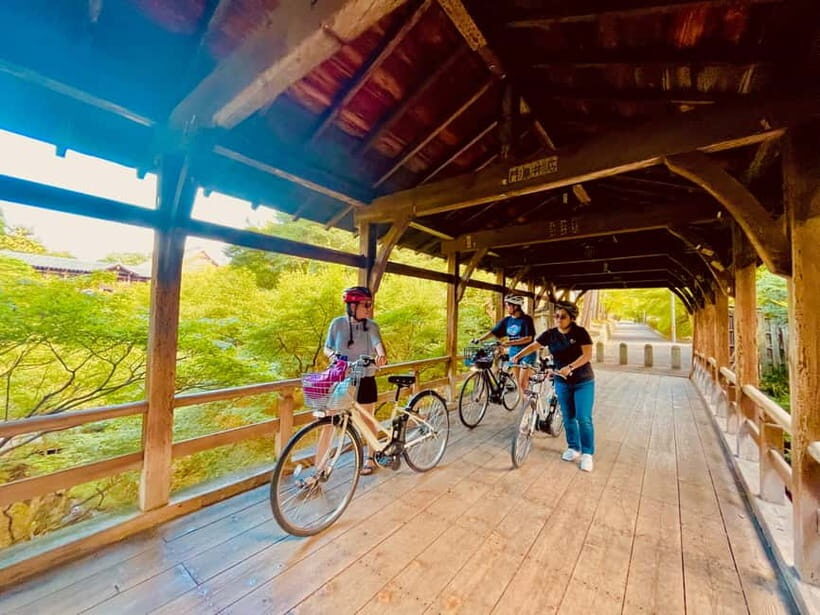
Maki’s role comes through in multiple ways. People mention her humor, her engaging explanations, and how she answers questions easily. She also uses visual support—a binder with pictures is mentioned—so your brain has something to anchor to while you’re moving.
Another practical perk: she helps with photos. If you want family shots without constantly begging strangers or setting timers in tourist crowds, that’s a real quality-of-life improvement.
If you want to maximize the experience, come with at least a couple of questions ready. For example:
- What’s the practical difference you should notice between shrine spaces and temple spaces?
- How do Geisha-related customs show up in everyday Kyoto life?
- What should I watch for when I return on my own time?
That last question is smart because the tour acts like a training session. When you have your own time later, you’ll know what details to hunt for rather than bouncing between landmarks.
Should You Book This Fushimi Inari and Tofukuji E-Bike Tour?
Book it if you want a half-day Kyoto plan that blends movement with meaning. This is a strong choice when you:
- want to see Gion, Fushimi Inari, and Tofukuji without spending 7–8 hours walking
- like guided explanations that connect religion and customs to what you can actually observe
- prefer a small group and a friendly, story-driven guide like Maki
- want an e-bike day that feels safe and not physically intense
Skip it (or pick another option) if you need long, unstructured time in only one place. The tour is efficient by design, and that efficiency may cut down how long you can linger at Fushimi Inari.
If that trade-off sounds fine, you’ll likely leave with two things: better understanding of Kyoto’s shrine-and-temple world, and a fun ride that doesn’t drain your whole day.
FAQ
Where is the meeting point?
You meet at Pedal Adventure Kyoto.
How long is the tour?
The tour duration is 4 hours.
What is the price per person?
The price is listed as $83 per person.
Is the tour guided, and what language is it in?
Yes. It includes a live local tour guide in English.
What’s included in the tour price?
It includes a live local tour guide, electric bicycle rental, helmet, insurance, a snack, a water bottle, and entrance fees for two places.
What’s not included?
Hotel pickup and drop-off are not included, and lunch is not included.
What type of group size should I expect?
The group is small, limited to 8 participants.
Is this suitable for kids?
No. It is not suitable for children under 12 years old.
What should I bring for the ride?
Bring comfortable shoes and comfortable clothes. Sunscreen is recommended for sunny days, and a camera is recommended for scenic views.
Is the tour accessible for everyone?
The tour is not suitable for pregnant women or people with mobility impairments.