Learning to shape sushi is oddly satisfying. This Kyoto experience pairs hands-on sushi basics with cultural extras, like an English-speaking instructor, Happi rental clothing, and a short “Japanese spirits” component. You’ll learn how sushi starts with the rice, not the fish, and you’ll finish by eating what you make.
What I like most is that you’re not just watching. You mix your own shari (vinegar rice), choose toppings like ginger and green onion, and then sit down with the sushi pieces you created. A second strong point: the class is designed for beginners since key ingredients are pre-cut, and the menu can be friendly for vegetarians, vegans, and Muslims.
One drawback to consider: for the price, it’s a 90-minute fundamentals-focused class. If you’re expecting lots of advanced variety or deep fish-cut technique, you may find it a bit basic.
In This Review
- Key highlights worth clocking
- A Kyoto sushi class that mixes food skill with costume culture
- The 90 minutes: what you’ll do, make, and eat
- Shari or sumeshi: the vinegar rice skill that makes sushi taste right
- Nigiri building and topping choices you can actually taste
- Wearing a Happi coat: why the outfit is more than a photo prop
- Dietary needs: vegetarian, vegan, and Muslim-friendly menu options
- What’s included in the $113 price (and where you’ll spend extra)
- Getting there near Takeda Station without stress
- Who this Kyoto sushi class suits best
- Final call: should you book this sushi class in Kyoto?
- FAQ
- What is the duration of the Kyoto sushi cooking class?
- How many sushi pieces do I make and eat?
- Is the class beginner-friendly for people who have never made sushi?
- Can the menu accommodate vegetarians, vegans, and Muslims?
- What about allergies or gluten-free needs?
- Do I need to bring drinks?
- Where is the meeting point?
- Is the building accessible for wheelchairs?
Key highlights worth clocking
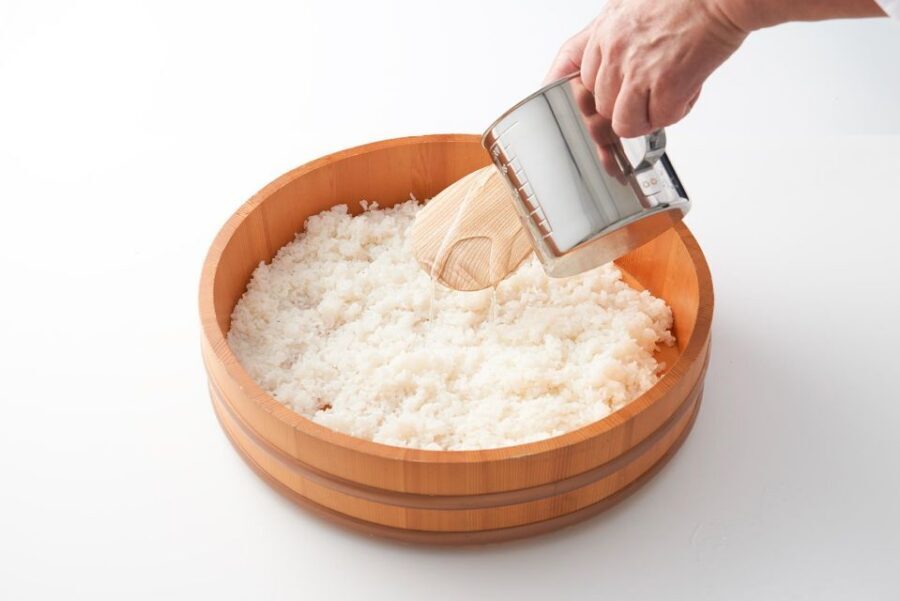
- Shari first: You learn sushi rice mixing, called shari or sumeshi, before you touch the toppings
- Beginner-friendly prep: Ingredients are already cut, so you can focus on technique
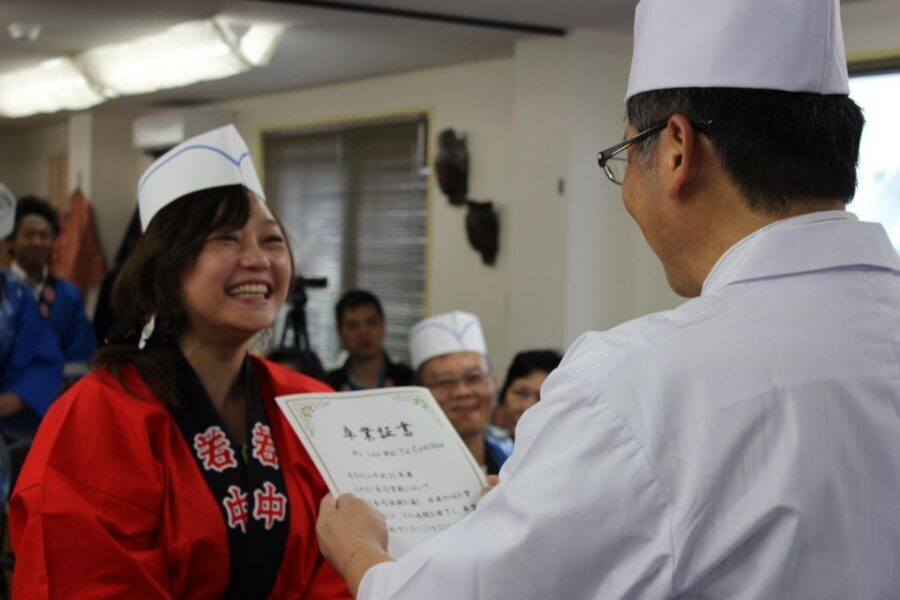
- Happi rental + photo time: You dress up, then get souvenir photography and a graduation moment
- Seasonal seafood or flexible menus: Toppings can vary by season, and options exist for vegetarian, vegan, and Muslim needs
- English support: Instructor speaks English and Japanese, with allergy and dietary notes supported
A Kyoto sushi class that mixes food skill with costume culture
If you’ve ever wanted a Kyoto activity that feels like a real local craft session, this sushi-making format is a good match. It’s not only about getting photos with perfect-looking nigiri. The structure is practical: you learn the core method behind sushi, then you actually build and eat the pieces.
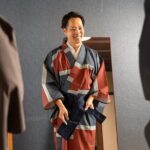
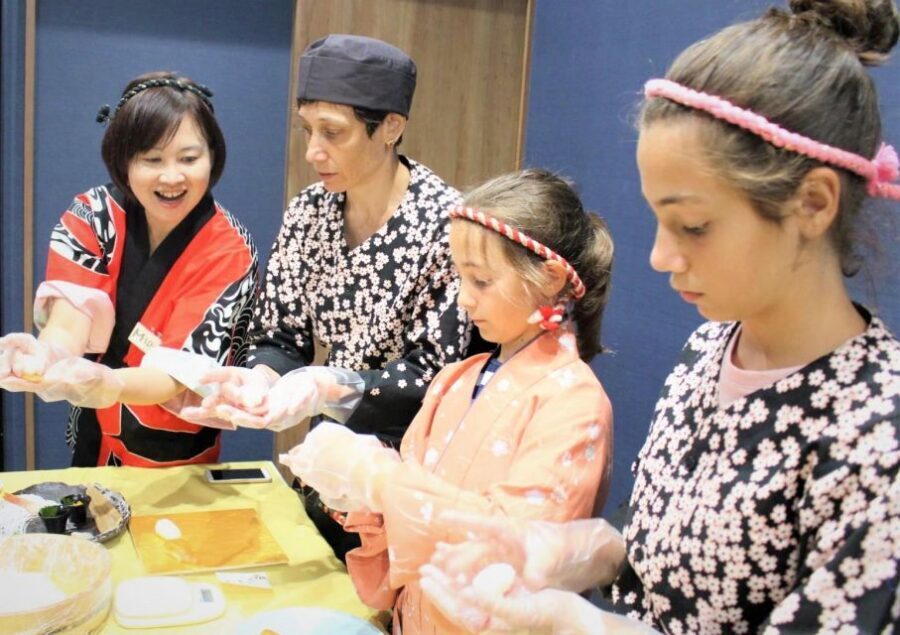
You also get that unmistakable Japan “moment” by wearing a Happi coat (from various options). It’s a small thing, but it changes how you move through the class. You feel like you’re participating in something traditional rather than just following steps.
The other cultural layer is the included experience described as Japanese spirits. The exact form isn’t spelled out in the details you receive, but it’s positioned as part of the class flow. In practice, think of it as a short, respectful addition meant to give meaning to the food-making routine, not a random add-on.
Other cooking classes in Kyoto


The 90 minutes: what you’ll do, make, and eat
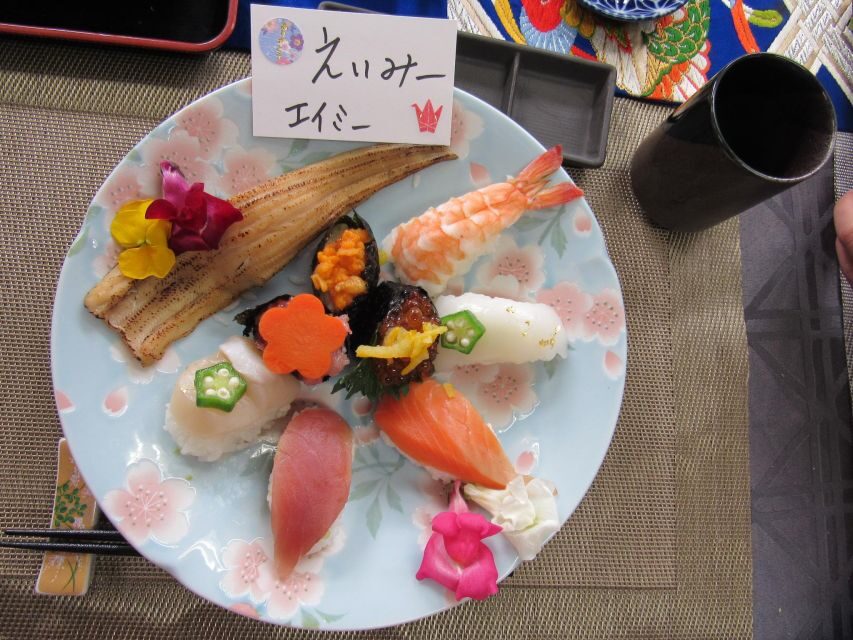
This is a 90-minute class, timed for momentum. You’ll get a lecture on how to make sushi, then you’ll move into hands-on work and finish by eating what you produced.
Here’s the practical expectation:
- You start with sushi rice (shari/sumeshi), which is the foundation.
- You then prepare sushi pieces using your chosen toppings.
- By the end, you’re eating 8 pieces of sushi made by you.
The course also includes a completion touch: a certificate of completion and a graduation ceremony. You also get souvenir photography, so you leave with something beyond just a full stomach.
One more detail that matters: the ingredients used for toppings are prepared in advance, and many are cut already. That keeps the class beginner-friendly and reduces the time you spend on prep work that you can’t yet do quickly.
Shari or sumeshi: the vinegar rice skill that makes sushi taste right
Sushi lives or dies by its rice. This class builds that reality into the plan. Before you worry about topping technique, you learn how to make shari (also called sumeshi)—vinegar rice.
You’ll mix a specially blended sushi vinegar into freshly cooked rice. The key point they emphasize is that there’s a trick to mixing it well. That “mixing” detail is usually where beginners go wrong, either by rushing, not distributing evenly, or disturbing the rice texture too much.
If you want your sushi at home to actually taste like sushi rice and not like seasoned rice, this is the part you’ll care about long after the class ends. Even if you never become a fish-cutting expert, mastering the rice method is still the biggest payoff.
Also, keep in mind: the rice is the base for everything. When your rice is right, even simpler toppings taste more “authentic.” That’s the practical reason this class starts where it starts.
Nigiri building and topping choices you can actually taste
After the rice, you move into shaping and finishing sushi. The details specify that you’ll work with various toppings, and you can choose favorites such as green onion and ginger.
Topping choice matters more than you’d think:
- Ginger and green onion can add brightness without overpowering the rice.
- Other toppings (especially seasonally selected ones) let you experience that “sushi shop” flavor contrast between warm rice and cooler, clean toppings.
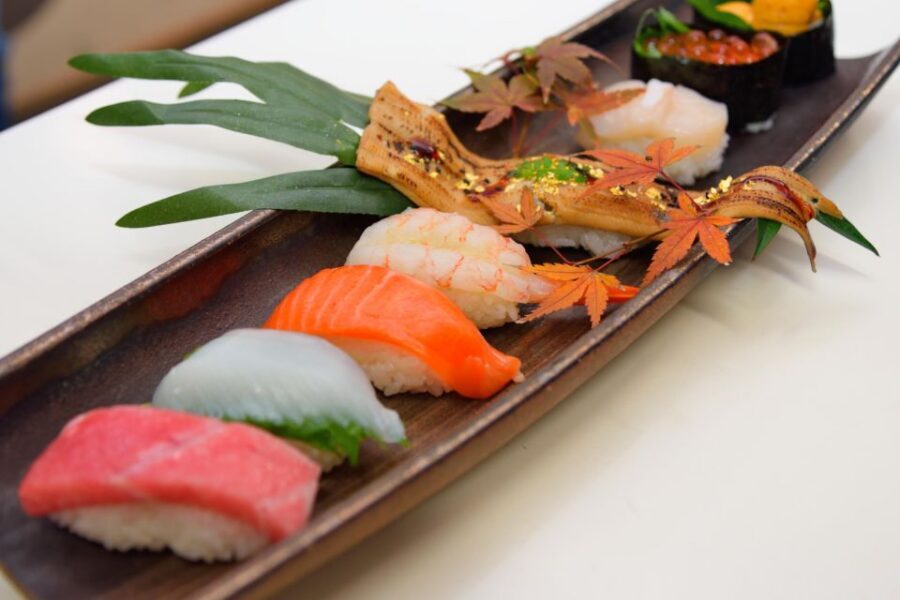
The course also notes that you may use special ingredients depending on the season, including items like extra fatty tuna and fresh red shrimp described as sweet and almost creamy. Those kinds of toppings aren’t just for show. Their texture and fat content make rice seasoning feel more pronounced and balanced.
If you want to learn fish cutting, the class indicates you can ask. That’s not the default focus, but it gives a path for people who want to go one step further.
Wearing a Happi coat: why the outfit is more than a photo prop
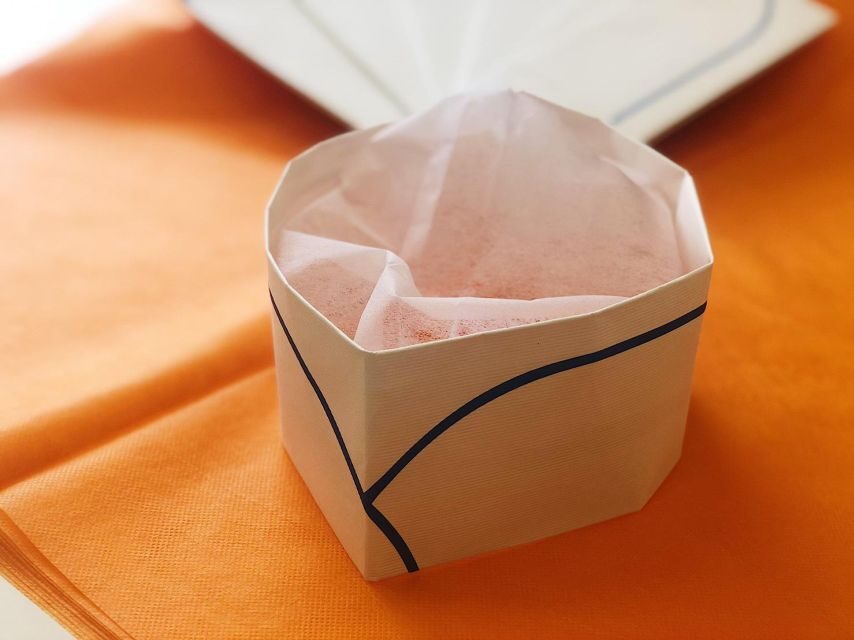
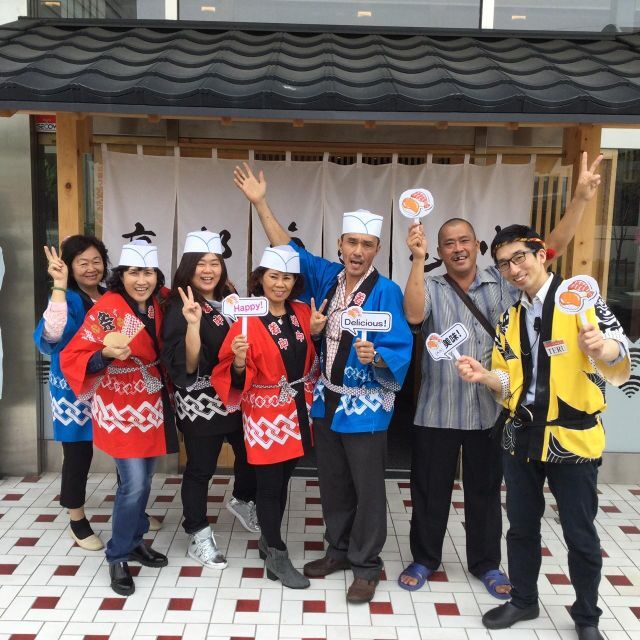
The class includes a rental cloth, with Happi available in multiple kinds so you can choose. It’s tempting to treat this like a gimmick. But in this setup, it works as a “switch.” It signals you’re stepping into a craft session, with a host-style atmosphere rather than a kitchen classroom vibe.
You also get souvenir photography. So you’re not only dressing up, you’re also recording the moment. If you care about memories that look different from typical city-sightseeing shots, this is one of the easier activities to make look good without trying too hard.
One practical note: the location is near public transportation, but the building doesn’t have an elevator. Staff can help elderly or disabled participants up the stairs, but plan your energy accordingly.
A few more Kyoto tours and experiences worth a look




Dietary needs: vegetarian, vegan, and Muslim-friendly menu options
Food classes can be tricky when you have dietary limits. This one explicitly says it can offer a menu friendly to vegetarians, vegans, and Muslims. It also notes options for allergies and other needs, including non-raw and gluten-free.
Here’s how to use this information wisely:
- If you have a strict requirement, confirm it before booking so the instructor can guide you to the right version of the menu.
- If your concern is allergy-related, mention it early. The class data says allergy options are available, but you’ll get the best result by being clear.
The class also states that there’s no special infant meal. For families with small kids, you’ll want to check age fit since children under 3 years aren’t suitable.
What’s included in the $113 price (and where you’ll spend extra)
At $113 per person for 90 minutes, the value comes from what’s bundled. This isn’t just “you pay, you watch, you leave.” You get instruction, ingredients, cultural dressing, and a final take-home style experience.
Included items:
- Lecture about how to make sushi
- Experience of Japanese spirits
- 8 pieces of sushi to eat
- Rental cloth (choose from various kinds)
- Toppings like green onion, ginger, and more (with choices)
- Certificate of completion and a graduation ceremony
- Souvenir photography
- English-speaking instructor (plus Japanese)
Not included:
- Drinks
- Warm udon (optional menu)
- Other menu items like tempura, tofu dishes, or pork shabu-shabu
- Other optional menus
So when does it feel like good value? When you want the full package: hands-on practice plus rice technique plus dressing up plus photos plus a structured finish. It also helps that beginner ingredients are already cut, which usually saves you from awkward, time-crunched moments.
When might it feel thin? If you’re the type who expects a long list of sushi varieties or heavy advanced fish work in a short window. This class is built for approachable sushi literacy, not a deep, multi-course training program.
Getting there near Takeda Station without stress
The meeting point is detailed, and you’ll be glad it is, because sushi class timing depends on being on time.
Directions:
- Get off at the west entrance of Takeda Station on the Kintetsu or Subway Line.
- Take a city bus and get off at the bus stop in front of Puls Plaza.
- Walk down the street and turn right at the first corner.
- If you turn left at the first corner after that, you can see the place on your right.
Two helpful practical notes:
- The class runs no matter the weather.
- The building is near public transportation, but remember there’s no elevator.
Who this Kyoto sushi class suits best
This experience fits you if:
- You want a hands-on sushi skill you can recreate later, especially sushi rice.
- You like activities that mix food with small cultural touches like Happi clothing and a formal-ish completion moment.
- You need dietary options and want an activity that explicitly mentions vegetarian, vegan, and Muslim-friendly menus.
It may be less ideal if:
- You’re already very confident with sushi and want lots of advanced fish cutting or many different rolls in a single session.
- You’re expecting a huge variety menu beyond the included sushi pieces and toppings.
For most people, though, it’s an easy, high-reward way to spend an evening in Kyoto—one where you leave with both a skill and something you can taste immediately.
Final call: should you book this sushi class in Kyoto?
I’d book it if you want the best kind of “learning to eat” experience: rice technique that matters, simple toppings that let you taste the results, and a cultural add-on you’ll actually remember. The included Happi rental, graduation certificate, and souvenir photography push it beyond a basic cooking lesson.
I’d pause and check expectations if you’re hunting for advanced fish-cutting variety or a long, complex menu. This class is designed to keep beginners comfortable and to teach sushi fundamentals inside a 90-minute window.
If that sounds like your goal, this Kyoto sushi cooking class is a solid, practical choice—one where you don’t just learn the idea of sushi. You make it, you eat it, and you walk out with something tangible.
FAQ
What is the duration of the Kyoto sushi cooking class?
The class lasts 90 minutes.
How many sushi pieces do I make and eat?
You make and eat 8 pieces of sushi as part of the experience.
Is the class beginner-friendly for people who have never made sushi?
Yes. The ingredients for the class are prepared in advance (including pre-cut items), and the course is set up for beginners. If you want to learn fish cuts, you can ask.
Can the menu accommodate vegetarians, vegans, and Muslims?
The experience states it can offer a menu friendly to vegetarians, vegans, and Muslims.
What about allergies or gluten-free needs?
Allergies, non-raw options, gluten-free, and other options are available, based on what you need.
Do I need to bring drinks?
Drinks are not included, though udon is offered as an optional menu item.
Where is the meeting point?
Meet at the west entrance of Takeda Station (Kintetsu or Subway). Then take a city bus to the stop in front of Puls Plaza, walk down the street, and follow the corner directions to reach the location.
Is the building accessible for wheelchairs?
It is wheelchair accessible, but there is no elevator. Staff can help with stairs for elderly or disabled participants.