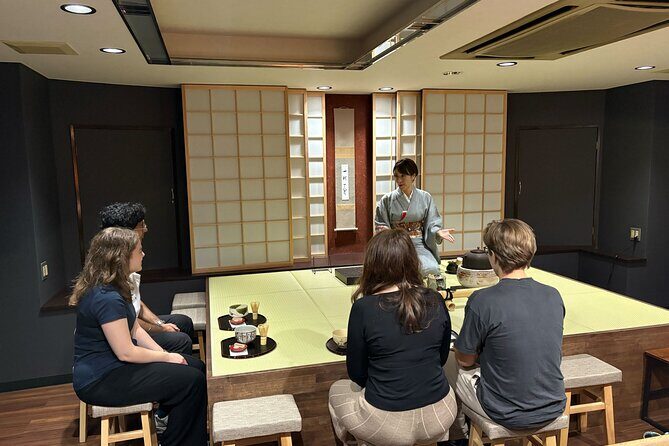
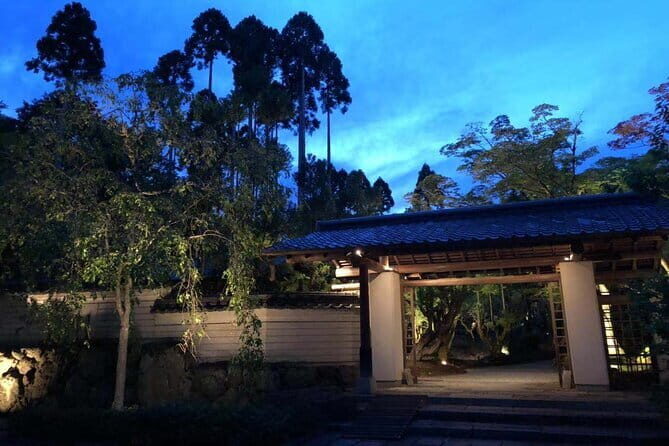
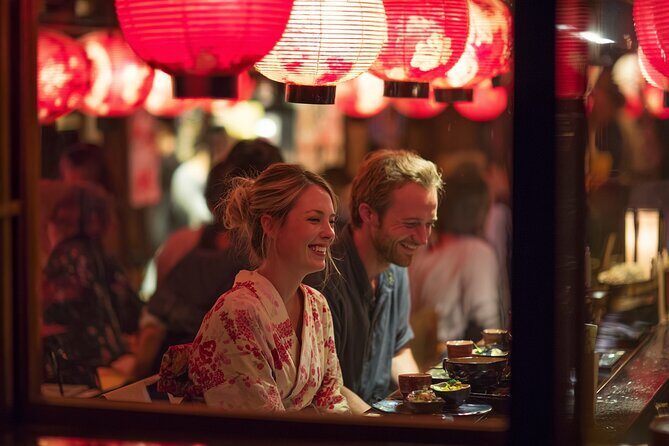
A Kyoto home turns into a concert hall.
This is a rare chance to hear koto and shamisen played in someone’s real-life space, not a big venue. The show runs about 50 minutes and blends older classical pieces with modern/original compositions, so you can recognize melodies and still get surprises.
I love the setup: you start with a short introduction so the instruments make sense fast. I also like the after-performance format, with a Q&A and time for photos, which keeps it friendly rather than stiff.
One heads-up: it’s not a long night out. If you’re sensitive to short performances, this is still just about 50 minutes—and coffee/tea isn’t included, so plan accordingly.
In This Review
- Key highlights you’ll feel right away
- A House Concert in Saiin: what you’re really paying for
- The Koto and Shamisen briefing: why the intro is worth your time
- The concert itself at Gen Home Saiin: classical names, modern surprises
- Q&A and photo-taking: turning performance into a conversation
- Upgrade option: hands-on koto session for a simple piece
- Time and location in Kyoto: fitting a 50-minute show into a real day
- Value check: why this feels worth it in Kyoto
- Who this is best for (and who might not love it)
- Should you book Harmonies of Japan at Gen Home Saiin?
- FAQ
- How long is the concert?
- Where does it take place?
- What instruments will I hear?
- Is there any introduction before the performance?
- Do you get time for questions and photos?
- Can I participate by playing the koto?
- What’s included in the ticket price?
- What is not included?
- FAQ
- How far in advance do people typically book?
- Is there free cancellation?
- Is there a mobile ticket?
- Is it scheduled multiple times during the day?
- Is it in English?
- Can most travelers participate?
- Is WiFi provided?
- What’s the best way to get there?
Key highlights you’ll feel right away
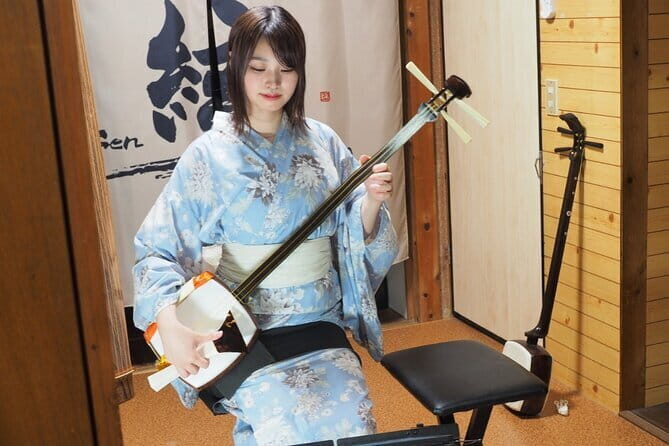
- Kyoto home concert setting: Gen Home Saiin turns a traditional house into a stage
- Koto and shamisen intro first: learn the basics before the live music starts
- Classical pieces plus modern works: you’ll hear more than one side of the tradition
- Q&A and photo time: questions are part of the experience, not an afterthought
- Optional hands-on koto upgrade: try a simple piece yourself
- Multiple departure times: different tour options throughout the day to fit your day
A House Concert in Saiin: what you’re really paying for
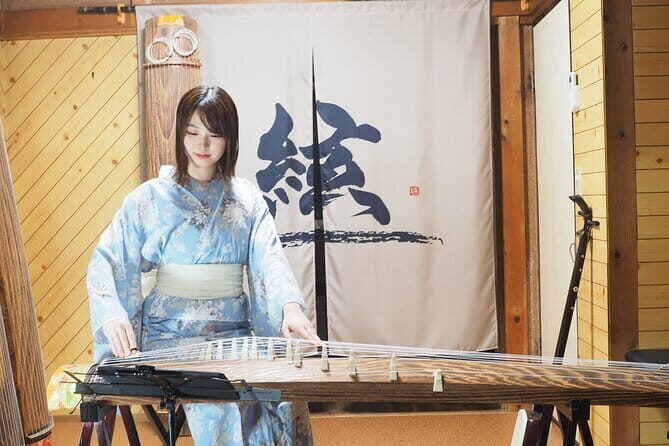
At $39.63 per person for about 50 minutes, the price feels fair once you understand the format. You’re not paying for a huge theater with big overhead. You’re paying for something much harder to recreate: a professional performance in an actual Kyoto home, where the sound feels close and human.
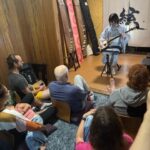
Gen Home Saiin is the key detail. You’re stepping into a traditional space transformed into a concert stage, so the vibe is intimate right away. The music is the star, but the setting matters too. In a home, small changes in tempo and phrasing feel clearer, and you’re more likely to notice how the players shape the mood piece by piece.
Also, you get a mobile ticket (so no complicated print-outs). And you’re near public transportation, which matters in Kyoto. You don’t want to spend half your day fighting logistics for a show that’s under an hour.
Possible trade-off? This is a focused event, not an all-day cultural festival. If you want a long dinner-and-show night with lots of breaks and extras, you’ll likely want to pair this with a meal plan on your own.
A few more Kyoto tours and experiences worth a look
The Koto and Shamisen briefing: why the intro is worth your time
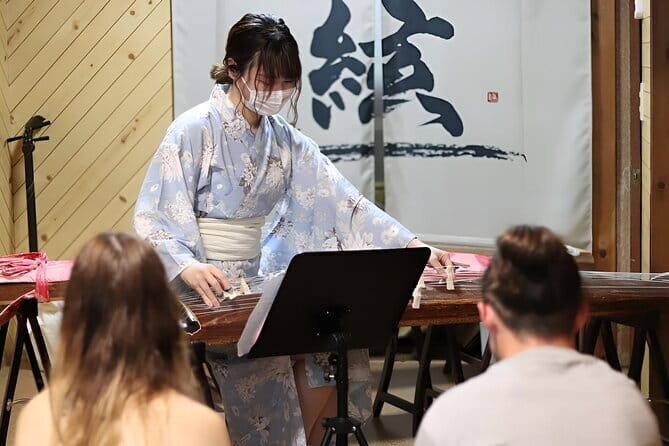
Before the concert starts, you get a guided introduction to the koto and shamisen instruments. This isn’t just a “here’s what they are” lecture. It’s timed to make you ready to listen.
Here’s why that matters in practice: if you can tell what kind of sound you’re hearing and how the instrument works, you don’t lose yourself trying to decode the whole experience at once. You’ll catch the emotional shifts in the music faster—especially when the program moves between classical and more modern/original compositions.
This intro also helps you during the Q&A, because you’ll have a few solid starting points. When questions come up, you’re not listening blankly. You’re listening with a little framework.
If you’re coming from a first-time, outsider perspective, this briefing is the difference between hearing “pretty music” and understanding what the players are doing and why.
The concert itself at Gen Home Saiin: classical names, modern surprises
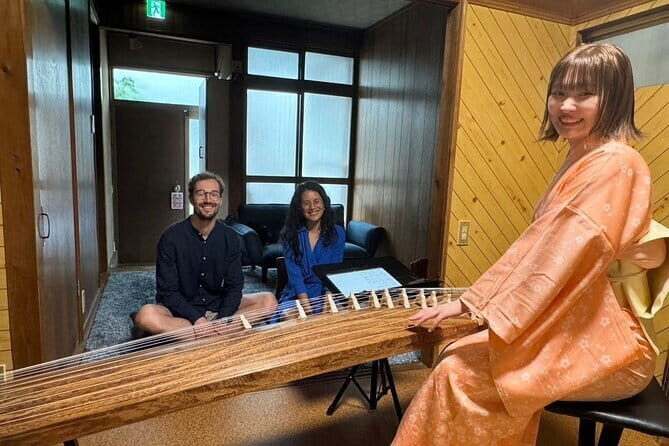
The performance at Gen Home Saiin is built around a thoughtful program. You’ll hear live pieces on the koto and shamisen, including classic compositions such as Chidori no Kyoku, Rokudan no Shirabe, and Kajimakura. The concert also includes modern and original works alongside the traditional repertoire.
That mix is a big deal. Traditional Japanese instruments can sound very “one thing” if you only hear them in isolation. But here, the contrast shows how flexible the instruments can be. You can hear how classic techniques carry emotion, then compare that to newer arrangements that still respect the core sound.
The program is linked to major historical figures associated with the koto tradition. The music is described as being crafted by names like Yoshizawa Kengyo, Yatsuhashi Kengyo, and Kikuoka Kengyo. Even if you don’t memorize those names, it gives you a sense that this isn’t random background music. It’s connected to real lineages and styles that performers draw from.
One practical expectation: because you’re in a home setting, the experience is more “watch and listen” than “spectacle.” There’s no need to hunt for the best seat or rely on screens. You’re close enough to pay attention to small details in the playing.
You’ll also notice a nice cultural bonus: if you’ve heard similar melodies elsewhere, this is the kind of performance where your brain starts connecting patterns. That’s exactly where the value lives—recognition plus discovery in the same hour.
Q&A and photo-taking: turning performance into a conversation

After the music, the evening shifts into a more personal mode. You’ll get a Q&A session and time for photos.
This is one of the most praised parts of the experience because it changes the relationship with the performers. Instead of treating the concert like a one-way broadcast, you’re allowed to ask questions and understand what you just heard. That matters a lot with koto and shamisen, because a lot of the charm is in the details: phrasing, pacing, and the mood each piece aims for.
Photo time also helps you capture the memory immediately—without having to wait until you’re back on the street. And because you’re in a home, the photos feel more grounded than the typical “look at the stage” shots you get elsewhere.
Tip for making the Q&A useful: prepare one simple question before you go. For example, ask what makes one piece feel more playful and another more emotional, or what to listen for when the program shifts from classical to modern. If you show up with one ready question, you’ll get more out of the session.
Upgrade option: hands-on koto session for a simple piece

There’s an optional upgrade if you want to do more than watch. With the hands-on koto session, you’ll try playing a simple piece.
This is the right kind of “try it” moment. It’s not asking you to become a musician in 50 minutes. It’s designed to give you the physical reality of the instrument—what it feels like to coordinate your hands and produce the sound.
And honestly, even a basic attempt changes your listening. After you’ve tried it, you start hearing the performance differently. You understand how much control it takes to shape a phrase, and you’ll appreciate the players’ timing and steadiness even more.
If you’re the type who likes participation (not just observation), choose the upgrade. If you’d rather spend your energy listening and asking questions, you can skip it and still get a full concert experience.





Time and location in Kyoto: fitting a 50-minute show into a real day
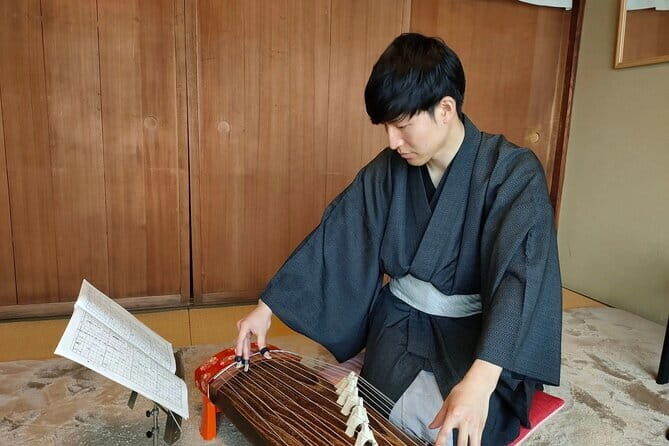
This experience lasts about 50 minutes. That’s short enough to slot into a busy Kyoto itinerary without derailing your whole day.
You’ll also find multiple tour options throughout the day for flexibility. That helps because Kyoto is the kind of place where you often plan around crowds, temple timing, and getting from one neighborhood to another.
A couple of practical notes that can save you time:
- It’s near public transportation, so you can keep it simple.
- Private transportation isn’t included, so plan your own route to Gen Home Saiin.
- WiFi on board is included, which is helpful if you’re coordinating meet-up points or checking directions right before you go.
Also think about food. Coffee and/or tea aren’t included. If you tend to get peckish during evening plans, grab a drink beforehand or plan a nearby stop after the concert.
Value check: why this feels worth it in Kyoto
In Kyoto, many “cultural” activities can feel like add-ons—something to fill time between temples. This one is different because the core product is genuinely focused: a live koto and shamisen performance with an intro, plus Q&A, plus photos.
At $39.63, you’re paying for:
- a real home setting (not a generic hall),
- professional musicians,
- an instrument introduction,
- and optional hands-on participation if you upgrade.
That combination is what makes it feel like value. You’re not just watching music. You’re learning how to listen to it in the moment—and then speaking with the people performing it.
The average booking window is about 33 days in advance, which tells me demand is steady. If you’re traveling in a busier season or you want a specific time slot, it’s smart to book earlier rather than gambling on last-minute availability.
Who this is best for (and who might not love it)
This is a strong match if you:
- like intimate, small-group experiences over large venues,
- want real context (koto/shamisen intro before the music),
- enjoy classical performance but also want modern pieces included,
- and care about interaction (Q&A plus photo time).
It may feel less ideal if you:
- want a longer, multi-course evening with lots of breaks,
- prefer purely passive sightseeing where nothing requires questions or attention,
- or need refreshments included as part of the package.
For most people, though, it lands in that sweet spot: focused, personal, and easy to plug into a Kyoto day.
Should you book Harmonies of Japan at Gen Home Saiin?
I’d book it if you want something in Kyoto that feels personal and genuinely musical. The home concert setting, the koto/shamisen intro, and the Q&A/photo format give you a fuller experience than “just sit and listen.” The program also avoids the trap of being only one style by mixing classical pieces like Chidori no Kyoku with modern and original compositions.
Before you choose, decide one thing: do you want to try the instrument yourself? If yes, the hands-on koto upgrade can turn a great show into a memorable one. If no, you’ll still get a strong concert experience with explanation and conversation.
If you’re short on time, that 50-minute duration is a real advantage. If you’re building a first Kyoto “culture evening,” this is a smart pick because it’s coherent and easy to understand—right from the first introduction.
FAQ
How long is the concert?
The experience runs about 50 minutes.
Where does it take place?
It takes place in Kyoto at Gen Home Saiin.
What instruments will I hear?
You’ll hear traditional Japanese instruments, specifically the koto and shamisen.
Is there any introduction before the performance?
Yes. You’ll learn about the koto and shamisen before the concert.
Do you get time for questions and photos?
Yes. After the live performance, there’s a Q&A session and time for photo-taking.
Can I participate by playing the koto?
There’s an upgrade option that includes a hands-on koto session where you try playing a simple piece.
What’s included in the ticket price?
Included items are landing and facility fees, WiFi on board, and participation in the koto and shamisen concert with a brief introduction and explanation.
What is not included?
Coffee and/or tea are not included, and private transportation is also not included.
FAQ
How far in advance do people typically book?
On average, this is booked about 33 days in advance.
Is there free cancellation?
Yes, cancellation is free up to 24 hours before the experience start time for a full refund.
Is there a mobile ticket?
Yes, the experience uses a mobile ticket.
Is it scheduled multiple times during the day?
Yes. Multiple tour options are available throughout the day for flexibility.
Is it in English?
The explanations are described as being in English.
Can most travelers participate?
Most travelers can participate.
Is WiFi provided?
Yes, WiFi on board is included.
What’s the best way to get there?
It’s near public transportation, and private transportation is not included, so plan to use public transit.