A one-hour shamisen workshop changes how you hear Kyoto. This small-group class teaches you the instrument hands-on, with a real professional instructor and enough attention to correct your grip and rhythm. I love the photo session angle because you leave with proof you actually played, not just a souvenir picture of the instrument.
The best part is how practical it feels: you start with history and technique, then you move quickly into scales and a guided jam. One possible drawback: since it’s only 60 minutes, you won’t become a performer. You will, however, get far enough to feel confident making sound on your first try.
In This Review
- Quick take: what makes this Shamisen Discovery class special
- Why a shamisen lesson in Kyoto beats another ticketed activity
- What happens during the 60-minute group workshop
- 1) Welcome, shamisen basics, and how the instrument fits your body
- 2) Photo session with the shamisen you choose
- 3) Basic playing techniques and an introduction to one signature scale
- 4) Free time to play (with the instructor nearby)
- 5) Jam session with accompaniment and your own melodies
- The dojo details: rental shamisen, left-handed option, and attention that actually helps
- You don’t need to bring an instrument
- Left-handed shamisen are available
- Small-group coaching changes your experience
- Coffee or tea is included
- Price and value: is $65.89 actually fair?
- Where the meeting point matters (and how to plan around it)
- Who should book this shamisen discovery class
- Tips so you leave smiling (not frustrated)
- Should you book this Shamisen Discovery in Kyoto?
Quick take: what makes this Shamisen Discovery class special
- Max 5 people means you get feedback instead of just watching.
- A beginner-friendly route: history, hold-and-play technique, then scales.
- Photo session included so you can remember your form and your first notes.
- Jam time with accompaniment so you can create melodies without guessing everything.
- Rental shamisen + one scale introduction lowers the friction if you’ve never played.
Why a shamisen lesson in Kyoto beats another ticketed activity

Kyoto is packed with places to sit quietly and look. This is different. In this workshop, you’re not consuming culture from a distance. You’re making sound, learning what gives shamisen music its character, and getting direct coaching as your fingers and arm figure out the basics.
Even if you’re not a music person, you’ll find the format works. The instructor sets you up with the right mechanics, then gives you guided time to repeat and try again. It’s a smart approach for a first instrument lesson, especially when you’re traveling and you want results today, not someday.
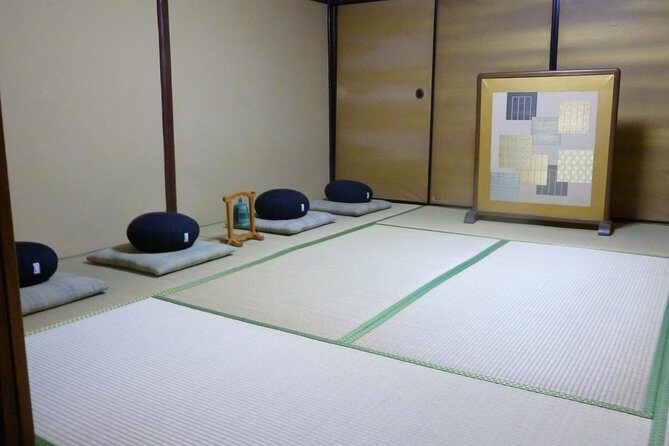
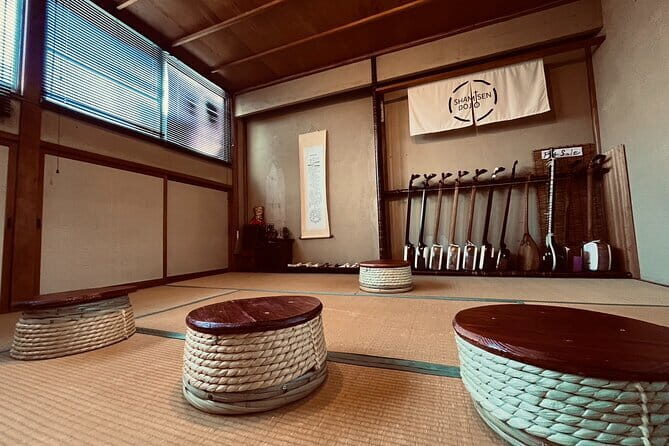
The dojo setting matters too. A lesson like this feels more like a class than a staged performance. You can ask questions, and the instructor can adjust on the spot.
If you're still narrowing it down, here are other tours in Kyoto we've reviewed.



What happens during the 60-minute group workshop
This is a focused lesson that moves in clear steps. The total time is about 1 hour, and it’s designed so you leave having played, not just listened.
1) Welcome, shamisen basics, and how the instrument fits your body
You’ll start with an introduction to the shamisen—types and background—then you shift into technique. Expect the instructor to talk about how to hold the instrument and how to use the bachi, the playing plectrum. This is where many people’s frustration usually starts with string instruments, because the body mechanics are half the battle.
In practice, the class quickly guides you toward proper form. One value here is that you’re corrected early, before bad habits get locked in.
2) Photo session with the shamisen you choose
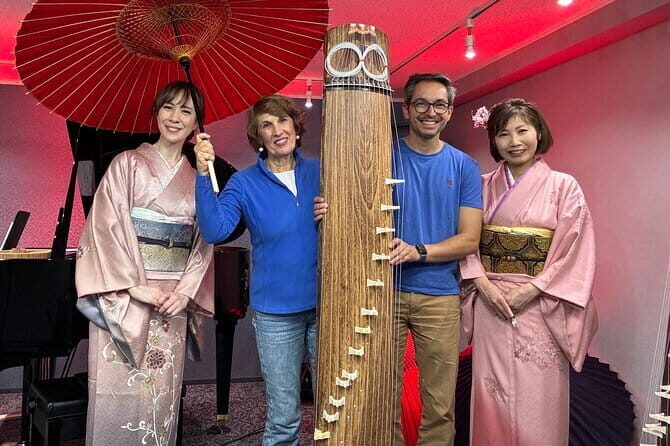
Next comes a photo moment. You’ll do a photo session holding the shamisen you like. This is more than a gimmick. It helps you slow down just long enough to look at the instrument and your own posture, which makes the later playing easier. And yes, you’ll be able to capture what you actually did in the lesson.
If you care about memories, this is a strong inclusion. A lot of Kyoto activities offer great visuals, but fewer offer photos showing you playing.
3) Basic playing techniques and an introduction to one signature scale
After the photos, the workshop turns into hands-on technique. You’ll learn basic shamisen playing methods and then get introduced to a shamisen scale. That single scale is key. It gives you a structured pattern to practice during the rest of the session, instead of randomly trying notes.
You’ll also get exposure to several traditional scales and signature sounds as part of the learning arc. The goal is not perfection. The goal is musical understanding that you can feel in your body.





4) Free time to play (with the instructor nearby)
This is your do-the-work phase. You’ll get time to play the shamisen freely. Since the group is small (maximum 5), the instructor can check in and adjust what needs fixing while you practice.
If you’re coming from a non-musical background, this free period is where the lesson clicks. You stop thinking of it as an exercise and start thinking of it as sound you can control.
5) Jam session with accompaniment and your own melodies
The last stretch is the most fun: a jam session where the instructor provides accompaniment. You’ll be invited to create melodies using what you learned during the hour.
This is where the course earns its value for beginners. You’re not thrown into a complicated piece. Instead, you have a musical frame (the accompaniment), plus enough technique and scale knowledge to respond. The result is that you leave having participated in something musical, not just completed a class.
The dojo details: rental shamisen, left-handed option, and attention that actually helps
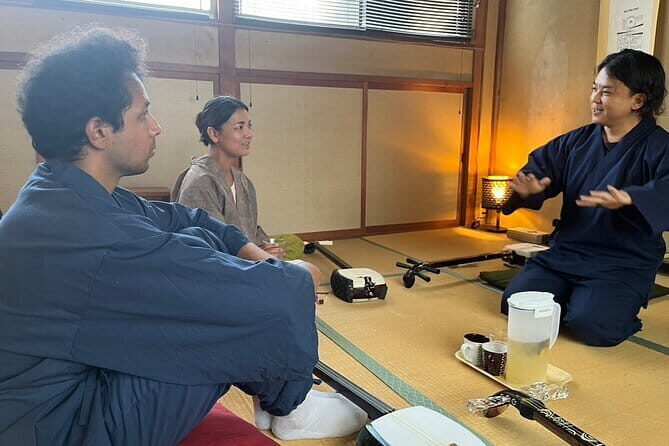
Here’s what I like about how this class is set up for real people.
You don’t need to bring an instrument
The workshop includes rental shamisen, so you don’t have to solve the logistics of finding or shipping one. That matters in Kyoto, where you’re likely already juggling luggage, transit, and other reservations.
Left-handed shamisen are available
If you’re left-handed, this is a big plus. The class offers lefty shamisen so you don’t have to force yourself into a right-handed setup. That can make a big difference for comfort and learning speed.
Small-group coaching changes your experience
With a maximum of 5 travelers, you get personal attention. That’s how you end up learning proper form for holding the shamisen and using the bachi, instead of guessing.
The instructor running the session is Jack at Shamisen Dojo, and attendees consistently describe the way he gauges where they are and adjusts step-by-step. That matters because shamisen technique is physical. If your hand angle or instrument position is off, the sound won’t feel right, and you’ll blame yourself.
Coffee or tea is included
You’ll have a break with coffee or tea (green tea is included). It’s a small inclusion, but it helps you stay comfortable and focused. Most visitors don’t want their first taste of traditional music to feel like a rushed event.
Price and value: is $65.89 actually fair?
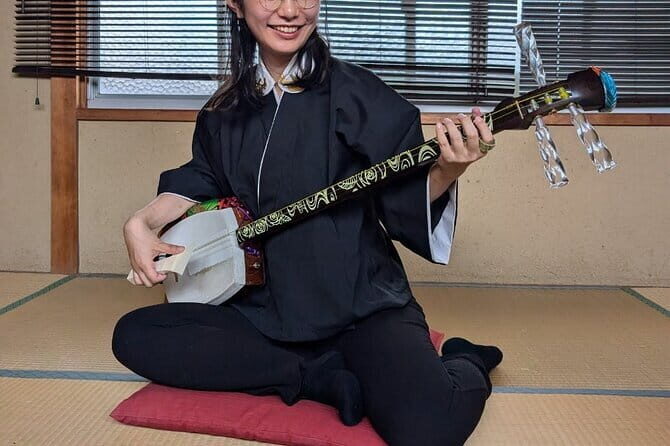
At $65.89 per person for about 1 hour, this isn’t the cheapest thing you can do in Kyoto. But it’s also not a typical “pay and watch” activity.
You’re paying for several tangible items inside the session:
- a rental shamisen
- a photo session with the instrument
- instruction that moves you from technique to a scale
- free play time
- a guided jam with accompaniment
- coffee or tea
When you factor those in, the cost starts to feel more like a music class price than an attraction ticket. And because the group is limited to 5, you’re not just buying time. You’re buying feedback.
One more practical note: this experience is booked about 25 days in advance on average. That’s a hint that seats go fast, especially during peak travel weeks. If shamisen music is on your Kyoto must-do list, plan ahead.
Where the meeting point matters (and how to plan around it)
The workshop starts at Murasakino Nakakashiwanocho, Kita Ward, Kyoto, 603-8312. It ends back at the meeting point.
It’s near public transportation, and that makes scheduling easier. Still, since you’re starting in Kita Ward, you’ll want to think about what you’re doing earlier that day. If you’re clustering sites, try not to pick another far-apart neighborhood right before class. A one-hour activity can be perfect, but only if transit time doesn’t eat the start of your lesson.
Who should book this shamisen discovery class
I’d put this on your short list if:
- you want a hands-on Kyoto experience, not another photo stop
- you’re curious about traditional Japanese music and want a beginner path
- you like guided practice and a clear structure (technique → scale → jam)
- you travel with a friend or family member who wants to participate together
It’s also a nice choice if you don’t have a music background. The format is built for first-time players. At the same time, people with musical experience tend to like it too, because the instructor can correct form quickly and get you playing within the hour.
If you’re the type who only enjoys performances and never wants to touch instruments, you might prefer a concert. But if you want to learn how the sound is made, this is exactly that.
Tips so you leave smiling (not frustrated)
A few practical things will help your session go smoothly:
- Arrive with a relaxed mindset. The goal is to leave able to play basic patterns and join the jam, not to master a song.
- Pay attention during the hold-and-bachi coaching. Many early mistakes are posture and angle, and the instructor can correct you before it becomes a habit.
- Use the free-play time actively. Try the scale pattern you’re taught instead of random strumming. You’ll connect what you practiced to the jam faster.
- Bring water expectations in mind. A coffee or tea break is included, but you’ll still feel better if you’ve had some water before you start.
- If you’re left-handed, mention it when booking. The class offers lefty shamisen, and that’s your best chance at comfort from minute one.
- Let the photo session happen without rushing. You’ll be using it to check your posture and instrument position later.
Should you book this Shamisen Discovery in Kyoto?
Book it if you want a memorable Kyoto experience that’s active, small-group, and musical. The combination of rental shamisen, hands-on instruction, a scale introduction, and a guided jam means you’re not just learning facts. You’re making sound by the end of the hour.
Skip it only if you’re mainly looking for passive sightseeing or you don’t want to handle an instrument at all. For most people, though, this is a high-payoff class: you get personalized coaching, you capture photos, and you leave with the satisfaction of playing traditional music yourself.