Four days, four cities, zero map stress. This is a private way to hit Kyoto, Nara, Osaka, and Kobe without doing the usual train-taxi shuffle. I like that you’re traveling in a private vehicle just for your group, and you can stay connected with Wi‑Fi while you move between sights.
I’m also drawn to the practical flexibility. You’re not locked into a rigid bus-style schedule, and the driver/guide can adjust the flow to match what you care about most that day. One thing to consider: the day is packed with many short stops, and admission fees aren’t included, so your total spend at the gates can add up.
If you want a day that feels planned but not robotic, you’ll likely enjoy how guides Kevin and Chi described communication and flexibility. Just keep your pickup time tight—one cancellation dispute included a note about arriving late to pickup—so set alarms and confirm timing the day before.
In This Review
- Key things I’d bank on before you book
- The real appeal: checking off Kyoto, Nara, Osaka and Kobe in one private loop
- Private vehicle perks that matter more than you think
- Day 1 Northern Kyoto to Arashiyama and the Kyoto classics
- Amanohashidate and the pine-covered sandbar feeling
- Ine no Funaya for old-school coastal Japan
- Arashiyama and the “big-name” Kyoto district
- Kinkakuji and Nijo Castle: the two heavy hitters
- Kyoto Imperial Palace, Nishiki Market, and a temple-to-shopping shuffle
- Gion and Sanjusangendo: tradition plus human scale
- Fushimi Inari: the shortcut to instant Kyoto
- Hozugawa River boat ride and the Kyotango coastal finish
- Day 2 Osaka Castle, ramen-cup fun, and neon-night energy
- Osaka Castle and the classic skyline hit
- CUP NOODLES Museum (Ikeda): silly in a good way
- Minoo Park: a breather from city pace
- Shinsekai and the old-meets-new district vibe
- Kuromon Market and Hozenji Yokocho: snack-focused walking
- Dotonbori and Shinsaibashi: neon, shops, and people-watching
- Sumiyoshi Taisha and Tempozan Harbor: two calmer anchors
- Hoshi no Buranko Bridge and Asahi Beer Museum
- Day 3 Nara deer, Todai-ji, and Uji’s tea-country detour
- Nara Park and Todai-ji: the instant-icon pairing
- Shopping arcade breaks and Kofuku-ji: add texture
- Isuien Garden and Kasuga Taisha: gardens and lanterns
- Naramachi old-town lanes and Uji tea time
- Day 4 Kobe’s sake districts, harbor mood, and the Himeji add-on
- Mt. Rokko and the view layer
- Nada no Hitotsubi and sake stops
- Port of Kobe Earthquake Memorial Park: a sober stop
- Kitano Ijinkan-gai and Nankinmachi: foreign influence around the port
- Harborland and Kobe’s “walk around” energy
- Himeji Castle: the UNESCO-class photo finish
- Koko-en, Arima Onsen, and the Rokko garden-and-observatory combo
- Price and value: why $385 per group can work well
- What can feel hard: pace, entrances, and planning your breaks
- Should you book a private Kyoto-Nara-Osaka-Kobe adventure like this?
- FAQ
- What cities does this tour cover?
- How many people are in a group?
- Is hotel pickup and drop-off included?
- How long is the tour?
- Is Wi-Fi available during the trip?
- Do you provide power outlets for charging?
- Are admission fees included?
- Is a mobile ticket provided?
- Is there a restroom on board?
- Is there free cancellation?
Key things I’d bank on before you book
- Private car for up to 8 people with air-conditioning and charging support (100V AC power).
- On-board Wi‑Fi so you can check maps, translations, and meeting points.
- Pickup and drop-off where you want (hotels, airport, and other locations).
- Multi-city routing that saves you from coordinating transfers across Kyoto, Osaka, Nara, and Kobe.
- Many “quick-hit” stops that are great for first-timers, but you’ll feel the pace.
- Admission fees not included, so budget for temples, gardens, boats, and major landmarks.
The real appeal: checking off Kyoto, Nara, Osaka and Kobe in one private loop
The value here is simple: you’re getting a concentrated sampler of Kansai with transportation handled. Instead of picking one city and calling it a trip, you can structure a 1- to 4-day plan that mixes Kyoto’s temple districts, Nara’s deer-and-Buddha combo, Osaka’s food streets, and Kobe’s waterfront and sake country.
What makes it work best is the private-car setup. You’re not stuck waiting for strangers to finish photos, and you can often spend a little more time where you’re actually enjoying yourself. If you love seeing a lot, fast, this kind of itinerary fits your style.
A few more Kyoto tours and experiences worth a look
Private vehicle perks that matter more than you think
A lot of tours say private. This one adds day-to-day comfort details that make the experience smoother. You get an air-conditioned vehicle, Wi‑Fi on board, and 100V AC power so you can keep devices charged without hunting for outlets.
Pickup and drop-off are also a big deal. You can start from your hotel or even arrange airport transfers if you choose that option. That means less time dragging luggage around stations and more time actually walking, eating, and taking in sights.
One small catch: restroom service on board isn’t included. I’d plan bathroom breaks around arrival points and built-in stops, especially on long travel days.
Day 1 Northern Kyoto to Arashiyama and the Kyoto classics
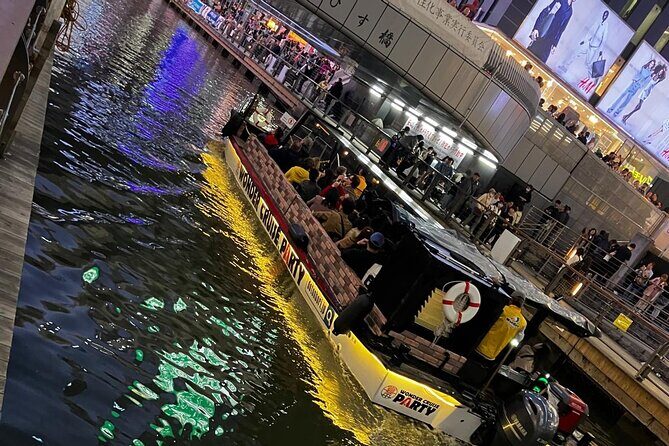
Day 1 reads like a greatest-hits route, moving from northern coastal scenery into Kyoto’s temple and nightlife zones. It’s ambitious, but that’s also the charm—by the end of the day you’ll have your Kyoto “map in your head,” including where Gion sits relative to Fushimi Inari and Kinkakuji.
Amanohashidate and the pine-covered sandbar feeling
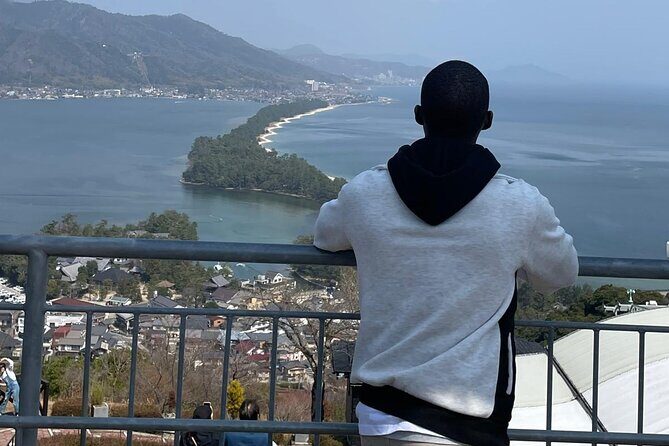
You start with Amanohashidate, a sandbar covered in pines that bridges two sides of Miyazu Bay. It’s one of those places where the view does the talking, and it’s a nice shift from city temples into natural scenery early in the day.
Ine no Funaya for old-school coastal Japan
Next is Ine no Funaya, a seaside fishing area known for its boathouses lined up along the bay. You’ll also hear the Urashima Taro folk tale connection tied to Urashima shrine, which adds a little story flavor to the scenery.

Arashiyama and the “big-name” Kyoto district
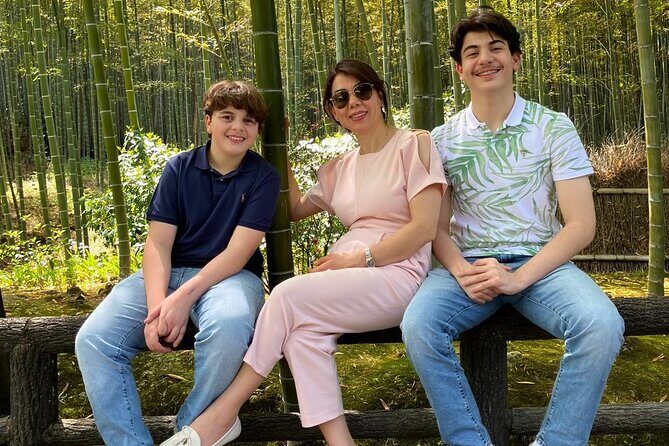
Then it’s on to Arashiyama, Kyoto’s western district that’s popular for a reason. Expect classic sightseeing energy here, and think of it as your gateway into Kyoto’s temple-and-garden style.
Kinkakuji and Nijo Castle: the two heavy hitters
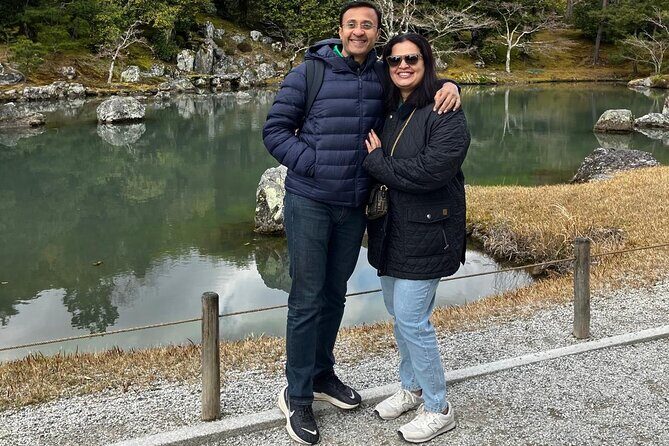
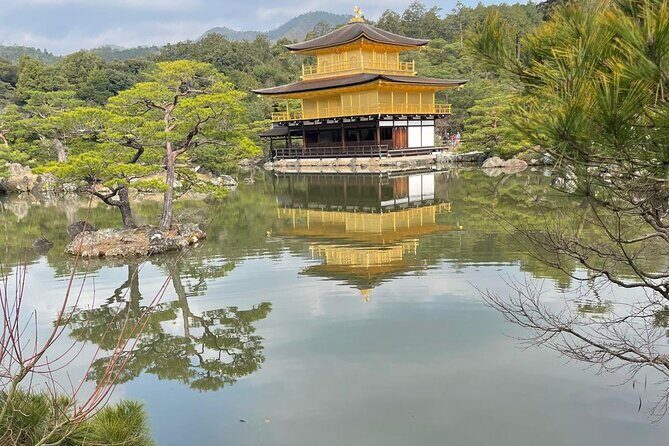
Kinkakuji (the Golden Pavilion) is quick but memorable—an iconic Zen temple overlooking a pond. After that, Nijo Castle adds political and historical weight as a former imperial residence and World Heritage site, with the Tokugawa-era chapters woven in.
Kyoto Imperial Palace, Nishiki Market, and a temple-to-shopping shuffle
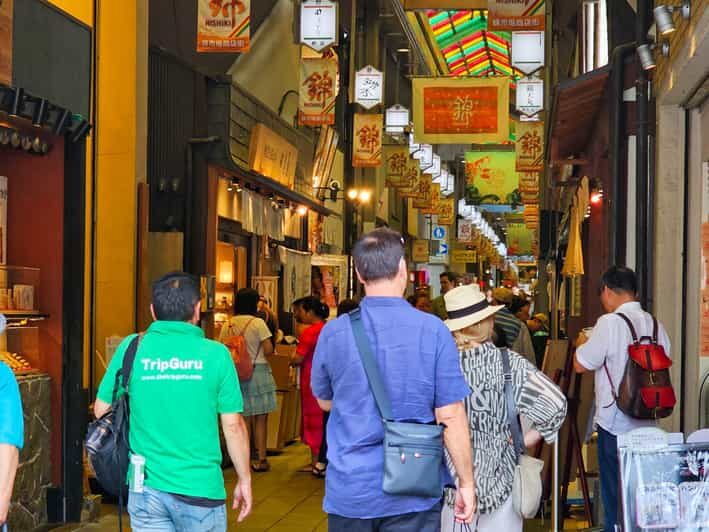
You’ll move through Kyoto Imperial Palace, then hit Nishiki Market, often called Kyoto’s kitchen for a good reason: lots of food shops, snacks, and browsing. After that, the day keeps going east to Ginkakuji (Silver Pavilion) and then Nanzen-ji, which is known as a major Rinzai Zen temple with striking temple grounds.
Gion and Sanjusangendo: tradition plus human scale
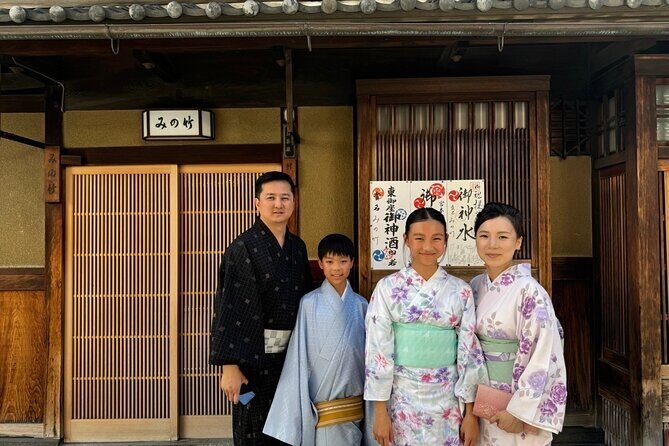
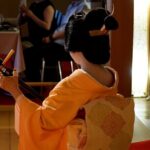
Gion is your cultural jolt—classic geisha neighborhood streets, with Yasaka shrine nearby. Sanjusangendo Temple follows with its famous 1,001 statues of Kannon, the goddess associated with mercy/leniency, making the stop feel both spiritual and slightly overwhelming in the best way.
Fushimi Inari: the shortcut to instant Kyoto
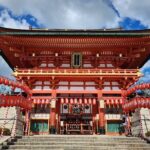
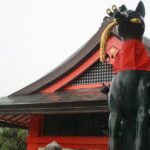
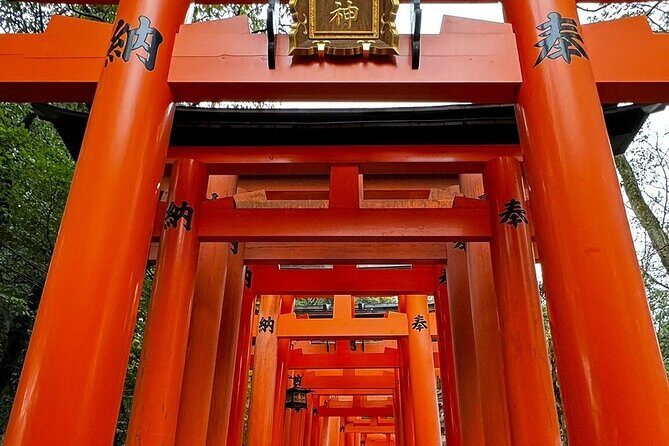
Fushimi Inari-taisha is next, known for the long rows of torii gates. Even if you’ve seen photos before, being there in person helps you understand the scale of the shrine and why people treat it like a must-see.
Hozugawa River boat ride and the Kyotango coastal finish
The finale shifts again toward nature with the Hozugawa River experience and then Kyotango’s beach area (Shotenkyo Beach and Kotohiki-hama, the singing sand). Finish with Amanohashidate Winery for a slower end to a high-energy day.
How to enjoy this day: wear shoes you can walk in for hours, and don’t plan on deep museum-style reading. This is more about impressions and photo memories than long sit-down time.
Day 2 Osaka Castle, ramen-cup fun, and neon-night energy
Osaka day is built around variety: big landmark photos, food-culture stops, and short walks through different neighborhoods. If Kyoto feels like slow elegance, Osaka often feels like you’re bouncing from one moment to the next.
Osaka Castle and the classic skyline hit
Osaka Castle gives you a recognizable anchor point early. It’s a great “I’m really here” moment, even if you keep your time focused because the rest of the day has a lot scheduled.
CUP NOODLES Museum (Ikeda): silly in a good way
The CUP NOODLES Museum is dedicated to ramen noodle cups and the huge range of instant noodle flavors. It’s not just facts—you get the sense of playful food creativity, and it’s easy to make time for if you’re traveling with adults and kids who like interactive stops.
Minoo Park: a breather from city pace
Minoo Park is your reset button—green park time with the option to visit Minoosan Ryuanji Temple nearby. This helps prevent the whole day from feeling like one long checklist.
Shinsekai and the old-meets-new district vibe
Shinsekai is where Osaka leans nostalgic, including Tsutenkaku-area atmosphere. It’s a good contrast stop after the quieter park time, and it sets you up for the street-food neighborhoods later.
Kuromon Market and Hozenji Yokocho: snack-focused walking
Kuromon Market is covered and famous for fresh seafood, meat, and produce. Then you’ll likely get a different texture with Hozenji Yokocho, a narrow alley with lanterns and cobblestones, where you can step into a small temple setting.
Dotonbori and Shinsaibashi: neon, shops, and people-watching
Dotonbori is your neon and street-food district along the canal. Shinsaibashi-suji adds shopping street energy with a long covered stretch, so you’ll have options whether you want souvenirs or just window-shopping breaks.
Sumiyoshi Taisha and Tempozan Harbor: two calmer anchors
Sumiyoshi Taisha is older shrine architecture watching over Osaka Bay for centuries. Tempozan Harbor Village is more entertainment-focused and gives you a break with the Kaiyukan aquarium area as a major draw, plus waterfront views.
Hoshi no Buranko Bridge and Asahi Beer Museum
Later you get Hoshi no Buranko Bridge for panoramic views (especially pretty if conditions are good). Asahi Beer Museum then gives you a “taste culture” angle, with the option to learn through a facility experience and beer-related activities.
How to enjoy this day: come hungry. Even with planned stops, you’ll want room to sample Osaka without turning it into an all-day calorie math problem.
Day 3 Nara deer, Todai-ji, and Uji’s tea-country detour
Day 3 is built around Nara’s signature trio: park area, giant Buddha, and temple gardens—then a Kyoto-region soft landing with Uji.
Nara Park and Todai-ji: the instant-icon pairing
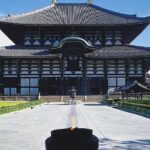
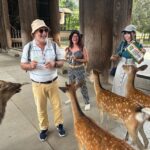
Nara Park is famous for free-roaming deer and a huge green space that makes everything feel bigger than a city neighborhood. Right after, Todai-ji Temple centers your visit on the giant bronze Buddha (Daibutsu) complex, a UNESCO World Heritage site and one of the most important temples in Japan.
Shopping arcade breaks and Kofuku-ji: add texture
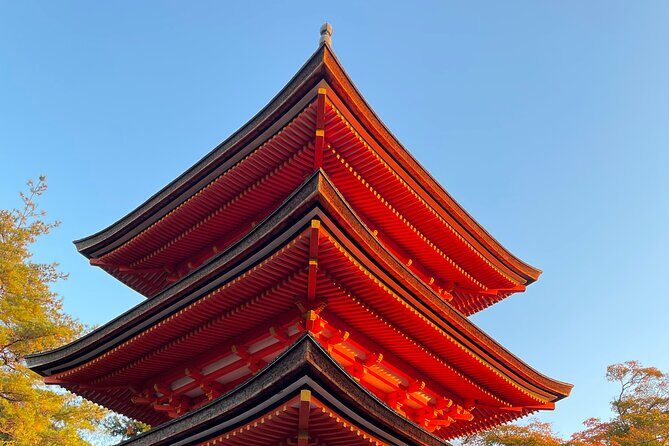
Higashimuki Shopping Street helps you mix temples with practical walking—snacks, small shops, and covered arcade comfort if weather turns. Kofuku-ji adds pagodas and temple halls, keeping the “major temples” energy going without repeating the exact vibe.
Isuien Garden and Kasuga Taisha: gardens and lanterns
You get Isuien Garden, a traditional garden with pond, teahouse, and carefully arranged landscaping. Then Kasuga Grand Shrine brings the lantern focus—hundreds of lanterns donated by worshippers, which creates a very specific, photo-friendly rhythm along the approaches.
Naramachi old-town lanes and Uji tea time
Naramachi is where you slow down a bit—machiya merchant-town atmosphere with small alleys, cafes, and shops. Then Uji shifts you into tea country territory at the southern end of Kyoto, with terraced fields and a quieter feel that helps balance the day.
How to enjoy this day: if you don’t like crowds, aim to move early at the big-gate moments (Park and Todai-ji). For the rest, the tour’s flow gives you room to breathe between sights.
Day 4 Kobe’s sake districts, harbor mood, and the Himeji add-on
Kobe day has a “ports and production” feel: viewpoints on the hills, sake districts, then earthquake remembrance, then gardens and onsens—plus a major castle day trip flavor with Himeji.
Mt. Rokko and the view layer
You begin with Mt. Rokko, the high point that frames Kobe. Kobe Nunobiki Herb Gardens are mentioned as a major feature nearby, and the whole area gives you a green backdrop and breathing room from city streets.
Nada no Hitotsubi and sake stops
Then comes Nada no Hitotsubi, a sake-famous area tied to rice, water quality, and local weather. You’ll visit sake breweries including Kobe Shushinkan, known for a sake shop and a restaurant pairing sake with Japanese cuisine, plus free guided tours held once per day (where available).
Port of Kobe Earthquake Memorial Park: a sober stop
Port of Kobe Earthquake Memorial Park is dedicated to the Great Hanshin Awaji Earthquake of January 17, 1995. It’s free and is the kind of place that changes how you think about Kobe’s resilience and community.
Kitano Ijinkan-gai and Nankinmachi: foreign influence around the port
Kitano Ijinkan-gai covers the former residences of foreign merchants and diplomats after Kobe opened to foreign trade in the late 19th century. Then Chinatown (Nankinmachi) brings Chinese merchant history near the port, and it’s a nice cultural contrast to the sake and shrine stops.
Harborland and Kobe’s “walk around” energy
Kobe Harborland is a commercial complex area with shopping and dining. It’s a practical stop if you want time to wander and pick up snacks without a strict “temple mindset.”
Himeji Castle: the UNESCO-class photo finish
Himeji Castle is included as a stop, known as the White Heron Castle and recognized as Japan’s first UNESCO World Cultural Heritage site. Even if you only spend a short time, this is one of those landmarks that makes the whole trip feel bigger than the cities you started in.
Koko-en, Arima Onsen, and the Rokko garden-and-observatory combo
Koko-en is a famous garden with ponds, bridges, and old buildings—an excellent way to slow down after castle energy. Arima Onsen follows, letting you relax with hot spring bathing and an option for a footbath.
To finish, you head back toward Rokko with Rokko Garden Terrace (English garden style) and Rokko-Shidare Observatory for views over Osaka Bay. It’s a strong close because it ties the day together visually: hillside views, gardens, and the long perspective of the bay.
How to enjoy this day: this is the one where you’ll want a light schedule for your legs. If you know you get tired fast, prioritize viewpoints and the castle, and keep expectations realistic for how many photos you can take without rushing.
Price and value: why $385 per group can work well
At $385 per group (up to 8), you’re paying for private transportation plus a structured multi-day route. That can be a bargain if you’re traveling as a family, two couples, or a small group who would otherwise spend time and money on separate train rides, taxi hops, and individual guide time.
The value gets better if you like freedom. Because the itinerary is flexible, you’re not paying only for “getting from A to B.” You’re paying for the ability to shift emphasis—like spending longer where you’re actually enjoying the moment.
The part to watch is admissions. Admission fees and sightseeing tickets are not included, so your final out-of-pocket cost depends on which paid stops you choose and how many you want to enter fully.
What can feel hard: pace, entrances, and planning your breaks
This tour packs in a lot of named stops per day, including shorter timed segments (some around 30 to 45 minutes). That doesn’t mean it’s bad—if you’re traveling for highlights, it’s efficient. It does mean you should expect quick transitions and plan to save your deeper, slow wandering for one or two areas per day.
Also, because restroom on board isn’t included, treat the travel times as “walking times” between official breaks. If your body needs frequent breaks, plan for that before the day starts.
Finally, double-check pickup timing. One negative experience described a dispute where the provider response referenced arriving at 10:00 instead of the agreed 8:00 time. The takeaway is boring but real: set reminders and confirm the exact pickup window.
Should you book a private Kyoto-Nara-Osaka-Kobe adventure like this?
I’d book this if you want one plan that covers Kyoto temples, Osaka food streets, Nara’s big classics, and Kobe’s port-and-sake vibe—without stitching together multiple days of train planning. It’s especially strong for small groups (up to 8) who value convenience, comfort, and the chance to adjust the day as you go.
I might skip it if you hate a fast pace or you want a very calm, slow itinerary with lots of free time. Also, if you’re cost-sensitive on admissions, you’ll want to budget for the paid sites you’ll likely choose, since those fees aren’t included.
If you do book, you’ll get the most by picking a couple “must-wins” per day—then letting the rest be supportive stops. That’s how tours with guides like Kevin and Chi seem to land best: structured enough to guide you, flexible enough to match your interests.
FAQ
What cities does this tour cover?
It includes Kyoto, Nara, Osaka, and Kobe, with options to choose what you want to see across those areas.
How many people are in a group?
The price is per group for up to 8 people.
Is hotel pickup and drop-off included?
Yes. Pickup and drop-off are offered at hotels, airports, and other locations you want.
How long is the tour?
It’s listed as 4 days (approximately). The tour also mentions single- and multi-day options within 1 to 4 days.
Is Wi-Fi available during the trip?
Yes. The vehicle includes Wi-Fi access on board.
Do you provide power outlets for charging?
Yes. The vehicle has 100V AC power supply for charging devices including laptops and cameras.
Are admission fees included?
No. Admission fees and sightseeing tickets are not included.
Is a mobile ticket provided?
Yes. A mobile ticket is included.
Is there a restroom on board?
Restroom on board is listed as not included.
Is there free cancellation?
Yes. You can cancel up to 24 hours in advance for a full refund. Within 24 hours, no refund is listed.