Cooking Kyoto at home beats the crowds.
What makes this class interesting is the home setting and the way it stays private. You’ll get hands-on help preparing seasonal classics like miso soup and braised dishes, plus English recipes to keep you moving. One caution: there’s no hotel pickup, so you’ll need to plan your own way to the meeting point.
This is built for a calmer pace than the big group cooking halls. You’ll cook for about an hour, then sit down for the meal you helped make, with drinks included with your food.
In This Review
- Key things I’d mark on my map
- Aki’s Kyoto Wooden House: the upside of going private
- What you’ll cook: miso soup skills and seasonal braises
- How the 3-hour morning actually feels
- English guidance that helps you cook, not just follow
- Seasonal menu variety: learning techniques you can reuse
- Eating in the home: drinks, comfort, and leftover joy
- Where you meet in Kyoto (and how to plan the start)
- Value check: why $95 can make sense for Kyoto
- Who this cooking class suits best
- Should you book this private class with Aki?
- FAQ
- How long is the cooking class, and what time does it start?
- Is hotel pickup included?
- Will the class be in English?
- What dishes will we cook?
- Can you accommodate dietary restrictions or vegetarian diets?
- Is this a private experience or a group class?
Key things I’d mark on my map
- Aki’s wooden house setting keeps the experience personal and cozy
- English recipes make it easier to follow along and take techniques home
- Seasonal home-style dishes mean you won’t always get the same menu twice
- Hands-on cooking with time for questions keeps you from feeling rushed
- Meal with drinks included so you actually enjoy what you cook
Aki’s Kyoto Wooden House: the upside of going private
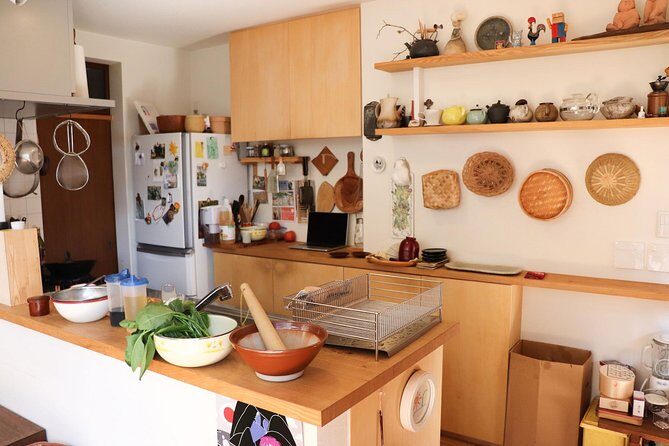
Kyoto cooking classes can feel like a production line. This one works because you’re in a real home—Aki’s beautiful wooden house—not a classroom or a crowded venue. The atmosphere matters. It turns the class into a visit where you can relax, ask questions, and learn for yourself, not just watch someone else cook.
The private format also changes how the instruction lands. In a group class, your questions compete with the clock. Here, Aki can slow down and explain a technique in a way that fits you. That matters a lot for things like miso soup, where timing and seasoning make the difference between fine and spot-on.
The other big win is the comfort factor. Several guests highlight that they felt welcomed and at ease from the start. That kind of calm lets you focus on what you’re doing, not on whether you’re doing it wrong.
Other private tours in Kyoto

What you’ll cook: miso soup skills and seasonal braises
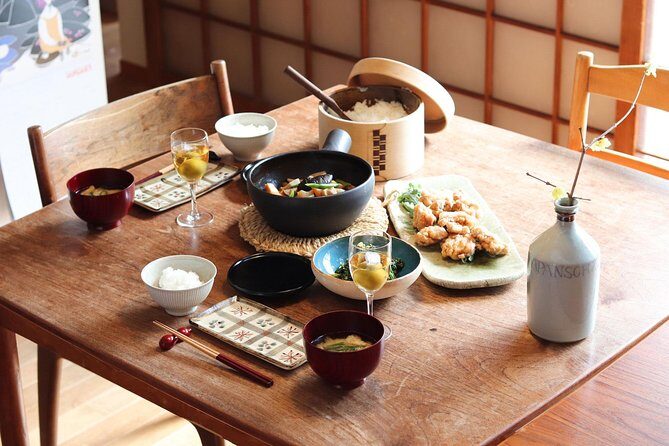
The menu shifts with the season, so don’t expect a fixed “greatest hits” program every time. But you can count on local home-style cooking and a mix of dishes that feel at home on a Kyoto table.
Examples of dishes you might make include:
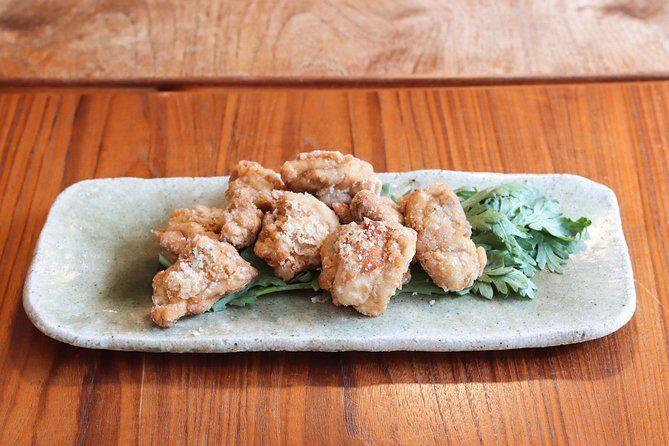
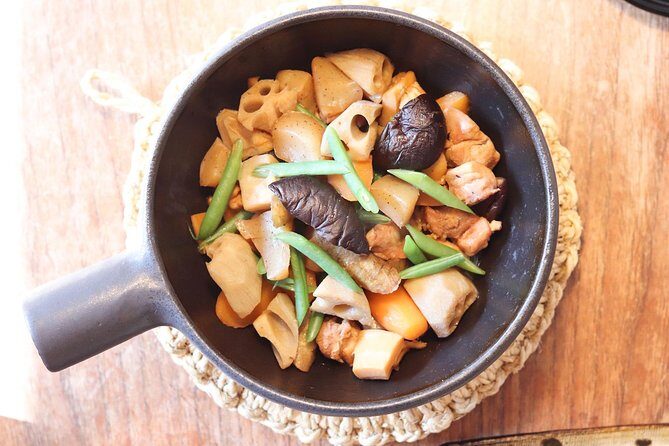
- chikuzenni, braised chicken and vegetables
- braised burdock root
- miso soup
Even if you’ve had these foods before, the real value is the method behind them. A miso soup can seem simple until you learn the details—when to add miso, how to balance the taste, and how to keep the flavor from getting flat. And braises like chikuzenni and burdock root teach you patience: how you build flavor gradually instead of rushing toward the finish.
If you like food that tastes like everyday comfort rather than restaurant-style showmanship, this class will click. It’s the kind of cooking you can repeat at home with confidence, because the lesson is tied to a recipe and a process, not just a final dish.
How the 3-hour morning actually feels
The class runs about 3 hours, starting at 10:30 am and ending back at the meeting point. The cooking portion lasts about an hour, followed by the meal.
Here’s a practical way to think about the pacing:
- Arrival and recipe setup: Aki provides recipes in English and walks you through what you’ll make.
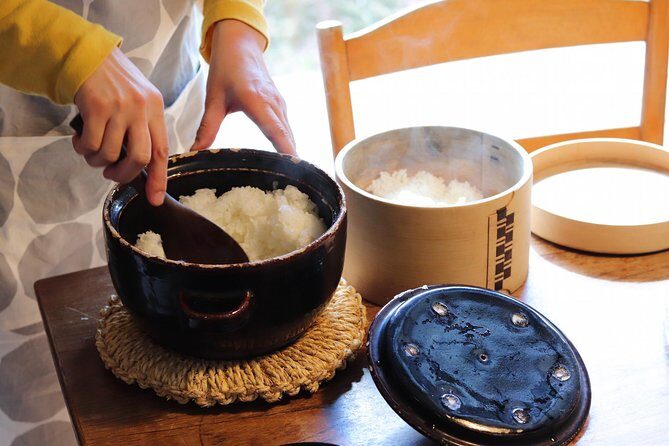
- Hands-on cooking: you’ll actively participate—chopping, mixing, assembling, and cooking parts of the meal.
- Wrap-up and questions: you’ll have time to ask for clarification along the way.
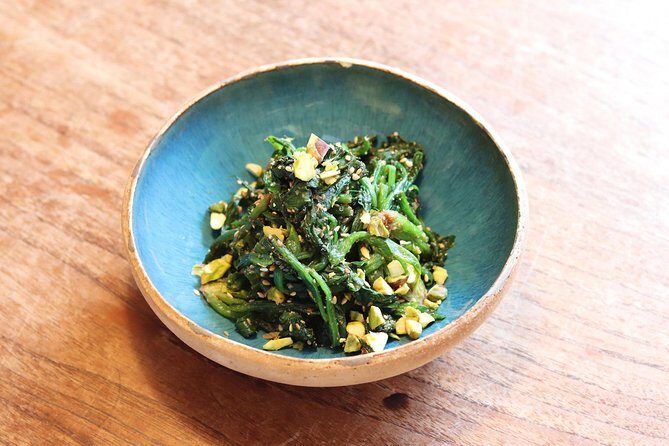
- Meal time: you eat what you cooked, with drinks included with the meal.
This structure is smart. An hour of hands-on time is enough to feel like you truly learned something without burning out. Then you get the reward: you taste your results while the lesson is still fresh in your mind.
Also, the reviews repeatedly mention that people left with tons of food. That tracks with the home-kitchen vibe: there’s room for leftovers, and you don’t feel like you’re eating a token portion on the way out.
English guidance that helps you cook, not just follow
A lot of cooking classes solve the language issue by pairing you with gestures. This one goes further. Aki gives recipes in English and guides you through the process while you cook.
That combination is the sweet spot for learning. Visual instruction tells you what to do. Written instructions help you remember it later. And when you can ask questions, you can fix misunderstandings in real time.
From the feedback, Aki is patient and clear, and her English is strong. That’s a big deal, because cooking is full of tiny variables. You might be waiting for a simmer that should turn into something thicker, or tasting for seasoning that needs adjustment. The ability to ask matters more than most people expect.
Seasonal menu variety: learning techniques you can reuse
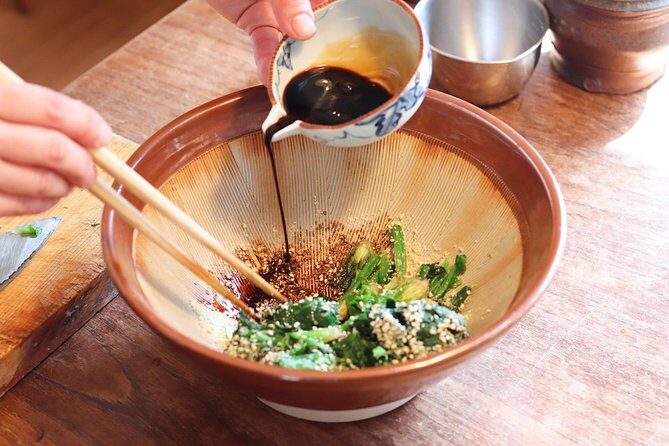
Because the dishes depend on the season, the class won’t feel like a copy-paste template. That’s not just a marketing detail. Seasonal changes teach you how Japanese home cooking adapts—what’s available, what tastes right, and how flavors shift across the year.
For you, that means the techniques are more transferable. Even if you don’t cook the exact same dishes at home, you’ll learn patterns:
- how to build flavor in braises
- how to approach miso soup seasoning
- how to treat vegetables as key players, not side characters
It’s also a nice way to avoid the “same souvenir experience” feeling. In Kyoto, you can do a lot of the same activities—temples, strolls, photos. But a seasonal cooking lesson gives you something that’s tied to time and taste.
Other cooking classes in Kyoto


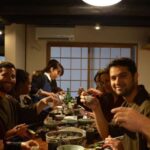
Eating in the home: drinks, comfort, and leftover joy
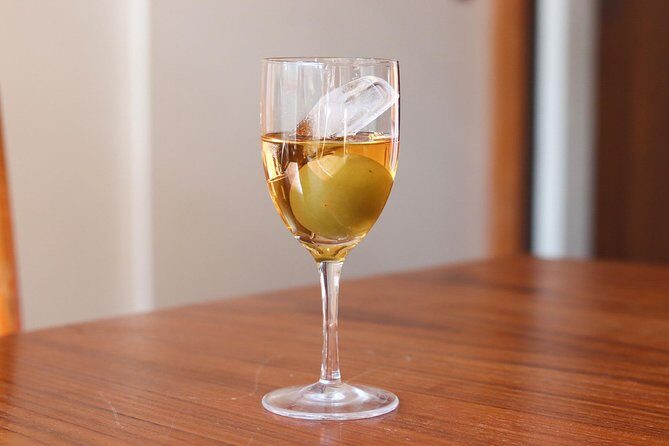
The class includes a meal you prepare together, plus drinks. The description emphasizes alcoholic drinks with the meal, and non-alcoholic beverages are included as well. Either way, you’re not just cooking; you’re getting to enjoy the result in a relaxed setting.
This part is surprisingly important for value. A lot of classes end with a quick taste and you’re off. Here, you sit down and eat what you made, while the whole experience still feels like a conversation. That’s where you can connect what you cooked to what you actually like.
Also, the reviews mention lots of leftovers. That’s a small thing, but it changes the day. You can bring food home or enjoy it later, turning the class into more than a one-time event.
Where you meet in Kyoto (and how to plan the start)
You’ll meet at IpponmatsuShimogamo Matsunokicho, Sakyo Ward, Kyoto, 606-0816, Japan. The class starts at 10:30 am and ends back at the meeting point.
Two practical points matter here:
- No hotel pickup or drop-off: plan your route using public transportation.
- The meeting point is listed as near public transportation, which helps.
A private home class can mean the neighborhood matters. Shimogamo is a more local-feeling area than some of the tourism-heavy zones, so arrive a few minutes early so you’re not rushing through side streets.
If you’re mapping your morning, consider timing. After this class, you’ll likely want a buffer for lunch or rest, since you’ll already have a full meal as part of the experience.
Value check: why $95 can make sense for Kyoto
At $95 per person, this isn’t the cheapest cooking class option in Kyoto. The value is in what you’re paying for: privacy, a home setting, English recipes, and a full meal with drinks.
Here’s how to judge whether it’s worth it for you:
- If you want a private experience where you can ask questions, this price is easier to justify.
- If you want learning you can repeat at home, English recipes plus hands-on instruction are the core value.
- If you’re the type who hates crowds and noise, the home setting reduces the “annoyance tax” you often pay on group activities.
Think of it like this: you’re not just buying a meal. You’re buying instruction time, cultural context through everyday cooking, and a more relaxed pace.
For solo travelers, $95 can feel steep. But for couples or small groups who want a real connection instead of a production-line class, the experience often lands as money well spent.
Who this cooking class suits best
This is a strong choice if you:
- want a private Kyoto activity instead of a big group
- like learning how dishes are actually made in a home kitchen
- care about seasonal cooking and practical techniques
- would enjoy a comfortable setting where you can ask questions
It may be less ideal if you hate spending time walking around to find meeting points, because there’s no pickup. It also may not be the best fit if you only want a quick taste without participating—this one is hands-on, not a spectator show.
Diet and allergies are handled by planning ahead. If you have restrictions, you should advise the organizer at booking. Vegetarian options are available if requested.
Should you book this private class with Aki?
If you want Kyoto food learning that feels human, book it. The private home setting, English recipes, and hands-on cooking add up fast, and the meal with drinks means you leave fed and satisfied, not just “educated.”
I’d especially recommend it if you’re craving something different from temples and tourist streets. Food is one of the easiest ways to understand a place, and this class focuses on the kind of dishes you’re less likely to find as restaurant specialties. Plus, miso soup basics and braise techniques are the sort of skills that actually show up when you cook later at home.
If you’re short on time or you really need convenience like hotel pickup, you’ll want to compare options. Otherwise, this feels like one of the best ways to spend a quiet morning in Kyoto: cook, ask, eat, repeat.
FAQ
How long is the cooking class, and what time does it start?
The class runs for about 3 hours and starts at 10:30 am.
Is hotel pickup included?
No. Hotel pickup and drop-off are not included, and you’ll meet at the listed address and return there at the end.
Will the class be in English?
Yes. You’ll receive recipes in English and Aki guides you through the cooking process in a way that supports English speakers.
What dishes will we cook?
The menu can vary by season. Sample dishes mentioned include chikuzenni (braised chicken and vegetables), braised burdock root, and miso soup.
Can you accommodate dietary restrictions or vegetarian diets?
Yes. You should advise allergies, dietary restrictions, or cooking preferences at booking. A vegetarian option is available if requested.
Is this a private experience or a group class?
It’s private. Only your group participates.