Kyoto isn’t only about temples.
This traditional ikebana workshop at Sogetsu WEST pairs hands-on flower styling with practical guidance you can use later, even if you don’t have special vases or rare blooms. I like that you get to learn multiple styles in a real teaching studio, not just a one-style demo.
I also like the teaching vibe: Fooraku’s instruction is described as relaxed and very clear in English, with extra cultural context if you ask. The main drawback to consider is simple: it’s only about 1 hour 45 minutes, so you’ll leave with a strong start, not mastery.
In This Review
- Key highlights worth your time
- Sogetsu WEST: Kyoto’s ikebana studio feel
- What you’ll make in 1 hour 45 minutes (and how it helps at home)
- The lesson structure: history, philosophy, and freshness
- Picking ikebana styles without special containers
- Working with Fooraku: expert teaching, relaxed pace
- After you finish: photos, slides, and conversation
- Price and value: is $104.24 for ikebana worth it?
- Who should book this Kyoto ikebana workshop?
- Quick practical tips before you go
- Should you book this ikebana workshop?
- FAQ
- How long is the Traditional Japanese Flower Styling Workshop in Kyoto?
- What does it cost per person?
- Where is the meeting point for the ikebana class?
- Is this experience private or shared?
- Do I need special flowers or a traditional Japanese vase?
- Will I get to take a photo of my ikebana arrangement?
- Can I receive slides after the workshop?
- Is the instructor able to teach in English?
- What is the cancellation policy?
Key highlights worth your time
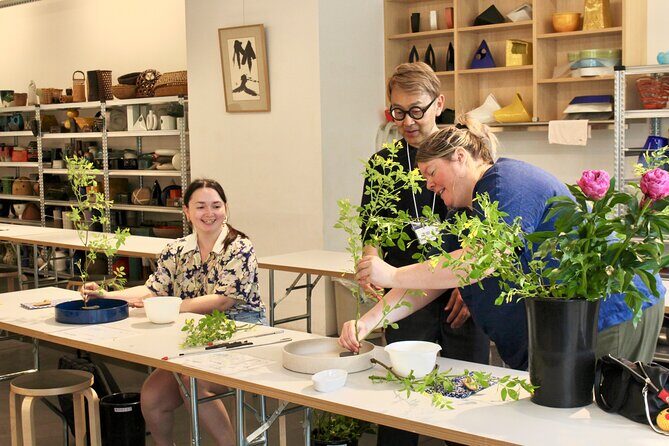
- Sogetsu WEST, a serious ikebana studio with over 300 types of flower containers
- Multiple ikebana styles you can recreate at home without special tools
- A guided lesson on history, philosophy, and how to keep flowers fresh
- Photo moment included so you can remember your arrangement
- Optional slide deck by email if you want the reference materials
- Private setting with only your group participating
Sogetsu WEST: Kyoto’s ikebana studio feel
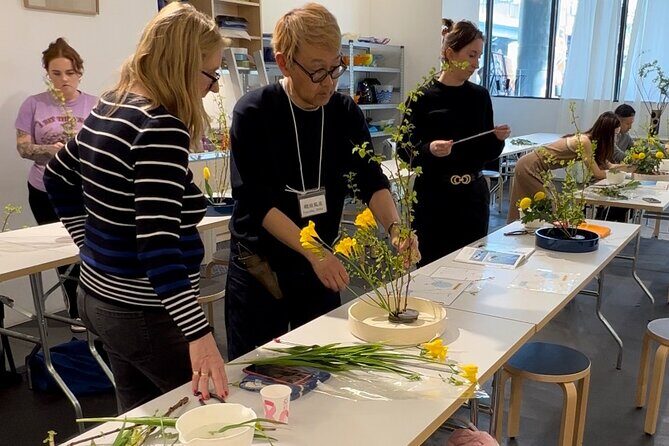
Your session starts at Sogetsu WEST in Shimogyo Ward, Kyoto (20-4 Sujakudōnokuchichō, Kyoto 600-8842). This is a flower-arranging space built for real practice, not a classroom set up for tourists who only want a quick souvenir.
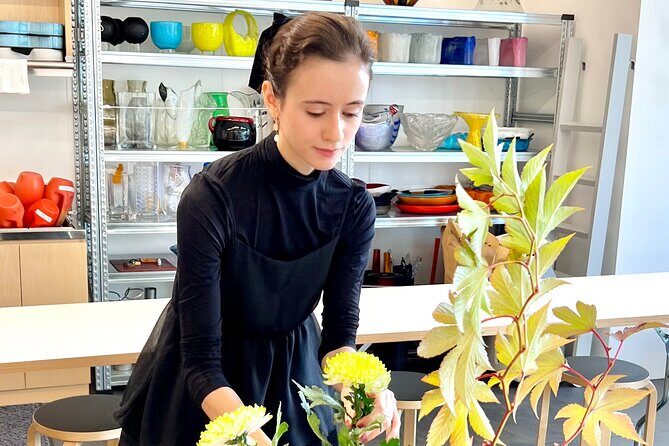
One thing I’d call out immediately: the studio has access to more than 300 types of flower containers. That matters because container shape changes the whole look of an arrangement. Even if you take nothing else home but one new way to think, you’ll start noticing how height, width, and openings affect balance and movement.
You’ll be there about 1 hour 45 minutes. That’s long enough to learn the basics, make something you can be proud of, and still have time to ask questions afterward. If your travel day is tight, plan to arrive a few minutes early so you can settle in.
A few more Kyoto tours and experiences worth a look


What you’ll make in 1 hour 45 minutes (and how it helps at home)
This isn’t just about putting stems into water. The goal is to help you understand the underlying approach so you can style ikebana later with what you actually have.
The class is built around creating your own “masterpiece” under guidance. The big practical promise is this: you can create various ikebana styles even without special flowers or vases after you get home. You’re not being sold the idea that ikebana only works if you own the right tools.
Here’s what that means in everyday terms:
- If you travel light, you’ll still get ideas for adapting shapes and lines using ordinary flowers.
- If you’re not a “buy a lot of stuff” person, you can use the principles you learn rather than hunting for a specific container.
- If you’re antsy in workshops, you’ll still get a clear structure: learn the basics, apply them, then refine with the teacher’s feedback.
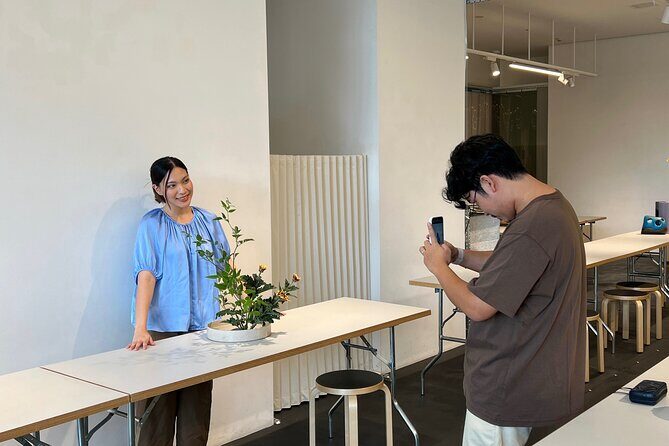
You’ll also be able to get a photo taken of your completed arrangement. That’s useful because it’s hard to remember what you did while it’s still fresh in your mind.
The lesson structure: history, philosophy, and freshness
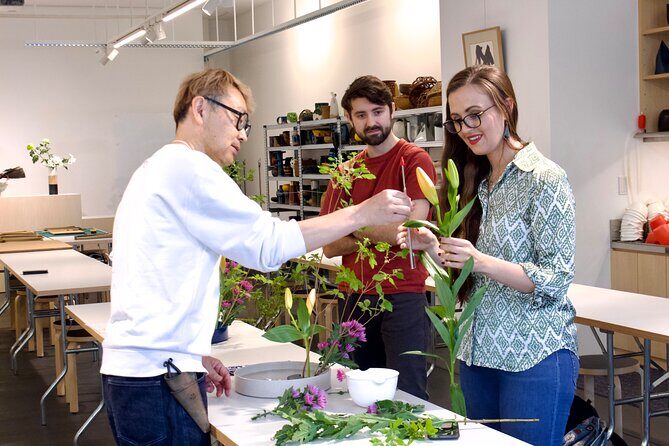
Expect a teaching flow that mixes concept with technique. You’ll hear about the history and philosophy of ikebana, plus the “secrets” that make arrangements feel intentional rather than random.
You’ll also learn techniques for keeping flowers fresh. That part can seem small until you realize how quickly stems start to look tired once cut. The aim is for your arrangement to look good beyond the moment you finish it.
Even if you don’t memorize every detail, you’ll likely walk away with a better sense of timing and care—like the idea that flower arrangement is partly about the life of the materials. In Japan, seasonal change isn’t only decoration. It’s a way of paying attention, and the class frames ikebana as part of that.
Picking ikebana styles without special containers
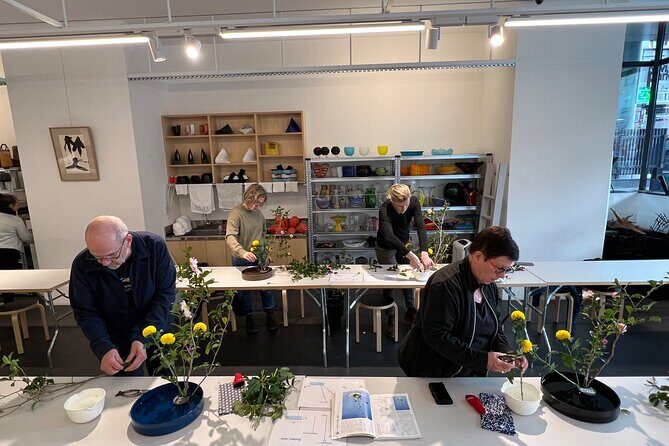
A lot of ikebana for beginners has a hidden problem: it assumes you already have traditional materials. This workshop removes that barrier.
At Sogetsu WEST, you’ll learn how to create striking ikebana in a variety of styles without needing special tools or traditional Japanese containers. That gives you room to focus on the core visual decisions—line, spacing, and how the arrangement “reads” from different angles.
Using a studio with an enormous container selection also helps you understand one key point: ikebana isn’t one look. Different styles favor different shapes and visual rhythm. Once you see those options, it becomes easier to transfer the principles to whatever container you use at home.
If you’re worried about feeling out of place, don’t. The class is designed so “basic forms” come first, and you build from there.
Working with Fooraku: expert teaching, relaxed pace
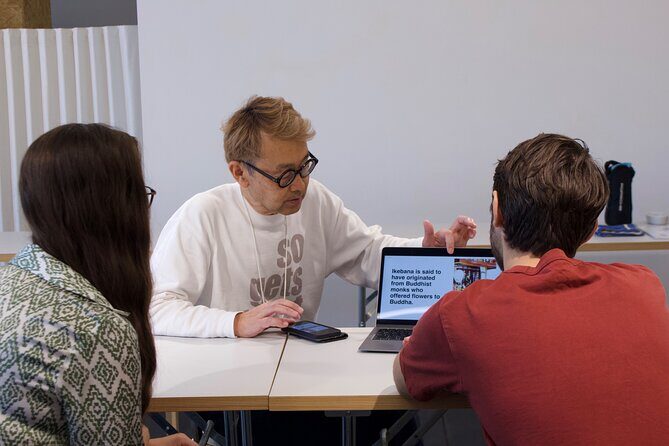
Your instructor is Fooraku, described as having studied ikebana for over 30 years. That long background matters because it usually means you get more than a list of steps. You get explanations for why certain choices work.
The reviews also highlight English that’s easy to follow. That matters in a creative class, where one misunderstood point can throw off the whole shape of your arrangement. If you want to feel confident, this is the kind of teaching that makes you ask questions and then actually get them answered.
The tone is described as relaxed. That’s a big deal in workshops. You want room to think and adjust without feeling rushed or judged. In your session, you’ll also have time to talk afterward, so it’s not only instruction while your hands are busy.






After you finish: photos, slides, and conversation
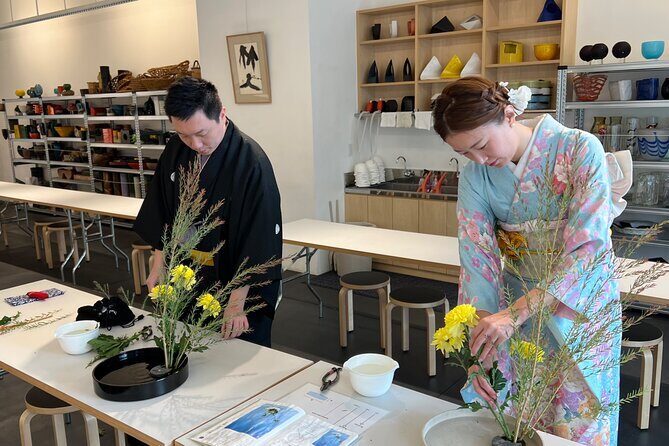
Once your arrangement is done, you’ll take a picture to commemorate what you created. That might sound basic, but it’s the difference between leaving with nothing except a memory and leaving with something you can reference later.
You can also receive session slides by email upon request. That’s a smart add-on for anyone who likes to review steps later at home. If you’ve ever taken a workshop and thought, I’ll remember what to do next time, then forgot two days later, you’ll appreciate this.
Then comes the best part for many people: post-session conversation. You can ask about Japanese food, culture, or traditions. If you’re comfortable, you can also share background and talk about your country. This turns the class from a short activity into a small cultural exchange, which is exactly what you want when you’re in Kyoto and you’re trying to do more than check off a list.
Price and value: is $104.24 for ikebana worth it?
At $104.24 per person, this workshop sits in the mid-to-higher range for Kyoto activities. The value comes from what’s included in that price.
What you’re paying for:
- A private group experience (only your group participates)
- A teaching session with Fooraku, with decades of practice behind the guidance
- A structured approach to basics, philosophy, and technique
- A result you take home as an arrangement, plus photos
- Optional slides by email to help you repeat what you learned
Is it worth it? If you enjoy hands-on art and want a skill you can use at home, the price makes sense because the class is built for transferability. The key selling point is not the flowers. It’s the ability to style in multiple ikebana styles without needing specialized vases or rare materials after the fact.
If you’re purely looking for a quick photo stop, you might feel the cost more. But if you want a meaningful creative hour and change your way of seeing everyday materials, this is a strong use of time.
Also, this tends to be booked fairly ahead. If you want a specific date, don’t wait for last-minute inspiration.
Who should book this Kyoto ikebana workshop?
This class is a great fit if you:
- want an authentic traditional craft experience in Kyoto
- enjoy art that connects to thinking, not just decoration
- like structured guidance but still want a relaxed atmosphere
- want something you can repeat at home using everyday supplies
- would enjoy asking questions about Japanese culture and daily life
You might skip it if:
- you need a long, lecture-heavy session (this is hands-on and time-limited)
- you prefer large group tours with lots of sightseeing around town (this is centered on the workshop itself)
- you’re not interested in arranging flowers at all, even briefly
Quick practical tips before you go
- Wear clothes that you don’t mind getting a little flower-work close to. You’ll be focused, but creativity can be messy in the best way.
- Bring curiosity. The conversation after your arrangement can add a lot beyond the art itself.
- If you want the slides, ask for them during or right after the session so you don’t forget.
Should you book this ikebana workshop?
Yes—if you want a real ikebana start with practical home value. The biggest reason I’d recommend it is the way it’s taught: you learn the basics, you make something in a guided way, and the approach is designed to work later without expensive special materials.
Book it if you like calm, hands-on learning and you want a Kyoto activity that connects to Japanese aesthetic thinking. Skip it only if you’re after a quick photo stop or a long sightseeing day plan.
FAQ
How long is the Traditional Japanese Flower Styling Workshop in Kyoto?
The workshop lasts about 1 hour 45 minutes.
What does it cost per person?
It costs $104.24 per person.
Where is the meeting point for the ikebana class?
You meet at Sogetsu WEST, 20-4 Sujakudōnokuchichō, Shimogyo Ward, Kyoto, 600-8842, Japan. It’s also near public transportation.
Is this experience private or shared?
It’s a private tour/activity, so only your group will participate.
Do I need special flowers or a traditional Japanese vase?
No. The class is designed so you can learn and create various ikebana styles without needing special tools or traditional containers, and you can apply the styles later at home without special flowers or vases.
Will I get to take a photo of my ikebana arrangement?
Yes. After your arrangement is complete, you’ll take a picture to commemorate it.
Can I receive slides after the workshop?
Yes. Session slides are available by email upon request.
Is the instructor able to teach in English?
Fooraku’s English is described as good in the available feedback.
What is the cancellation policy?
Free cancellation is available up to 24 hours in advance of the experience start time for a full refund. If you cancel less than 24 hours before the start time, the amount paid is not refunded.