A Kyoto meal in someone’s real kitchen.
In this private home experience, Emika welcomes you for traditional matcha and a table meal built around Obanzai—Kyoto’s seasonal home cooking. You’re not just eating; you’re learning how the flavors fit the season, and how everyday Japanese hospitality works.
I love how personal it feels. Emika’s home-cooked dishes come with real explanations, and you’ll also get a look at the small rituals—especially the matcha served in a traditional way. I also like that the meal can include sushi, miso soup, and sweets, so it feels like a mini sampler of Kyoto comfort food rather than one single dish.
One thing to consider: you’ll need to get yourself to Emika’s home, since there’s no hotel pickup. Menu choices also vary by season, so if you have dietary limits, you’ll want to message them clearly when booking.
In This Review
- Key things that make this Kyoto home meal worth it
- Meeting Emika in Nishikyo: the calm, local start
- Watch-outs for your first arrival
- Traditional matcha first: what you’re actually paying for
- Obanzai courses at the table: seasonal Kyoto comfort food
- What Obanzai-style dining feels like
- The one drawback of Obanzai as a concept
- Sushi and miso soup with real explanations
- What to pay attention to as you eat
- Conversation, local alcohol, and the home-host rhythm
- How the meal likely flows
- Price and value: is $79 fair for a Kyoto home experience?
- Who should book this, and who might pass?
- Best use of timing: lunch or dinner
- Practical tips to get more out of the meal
- Should you book the Kyoto home sushi and Obanzai meal with Emika?
- FAQ
- How long is the Kyoto home meal experience?
- How much does it cost?
- Is it private, or will I be with other groups?
- What’s included in the meal?
- Can I choose lunch or dinner?
- Is hotel pickup and drop-off included?
Key things that make this Kyoto home meal worth it
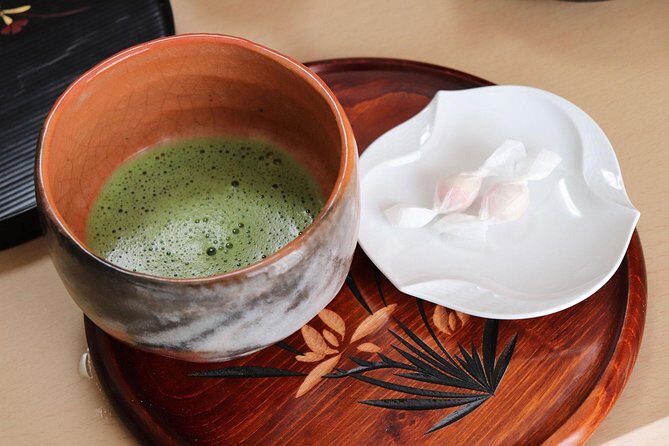
- Matcha made in a traditional style before you sit down to eat
- Obanzai cooking with seasonal ingredients that feel very Kyoto
- A private, at-home conversation with Emika and her household
- Sushi and miso soup explained in a practical, hands-on way
- Tea ceremony moments that go beyond just drinking tea
- A set meal with courses rather than a quick bite, even though it’s only about 1.5 hours
Meeting Emika in Nishikyo: the calm, local start
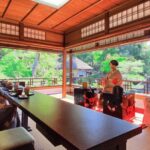
This experience begins at Emika’s home in Kyoto’s Nishikyo Ward (31-30 Katsurainariyamachō, Nishikyo Ward). You’ll meet at the address listed for the tour, and the experience returns you there afterward. It’s near public transportation, which helps a lot in a city where side streets can be confusing when you’re carrying bags and timing is tight.
The pacing is deliberately not tourist-fast. You’re coming for a meal, yes—but also for a living slice of daily Japanese life. In a Kyoto neighborhood home, the mood is quieter than most restaurants, and you’ll feel the difference right away when you sit down at the dining table.
Because it’s private, you can ask questions without performing in front of a crowd. That matters with food. If you want to understand why a certain ingredient shows up in an Obanzai dish, or what tea sweetness is meant to pair with matcha, this setting makes those questions natural.
If you're still narrowing it down, here are other tours in Kyoto we've reviewed.


Watch-outs for your first arrival
Two small practical notes:
- Expect to go at your own pace—there’s no hotel pickup.
- Bring a little flexibility. Kyoto home cooking is seasonal, so the menu can shift with what’s available.
Traditional matcha first: what you’re actually paying for
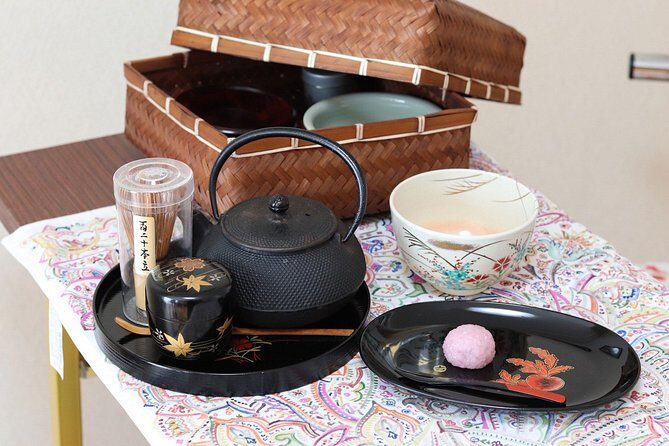
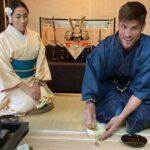
The meal commonly starts (or ends) with green tea prepared in a traditional way by Emika or her father. That’s not just a nice touch. For Kyoto-style food, tea is part of the flavor logic.
Matcha at home isn’t only about caffeine or bitterness. It’s about balance. You’ll typically see it paired with sweets that work with the tea’s earthy notes, and that pairing is part of the experience. Even if you’ve had matcha before, you may notice how different the ceremony-style service feels compared with ordering a drink at a cafe.
I love the way matcha sets the tone. It slows you down enough to pay attention to what you eat next. When you’re about to try Obanzai dishes, you’ll get more from the meal if you’re mentally present.
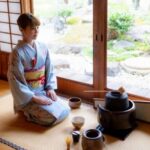
And from what’s shared during the experience, it’s also educational in a practical way—how matcha is prepared and served, and why the ritual matters in Japanese culture. Some guests also get a small tea ceremony element, which adds structure to what might otherwise feel like a casual tasting.
Obanzai courses at the table: seasonal Kyoto comfort food
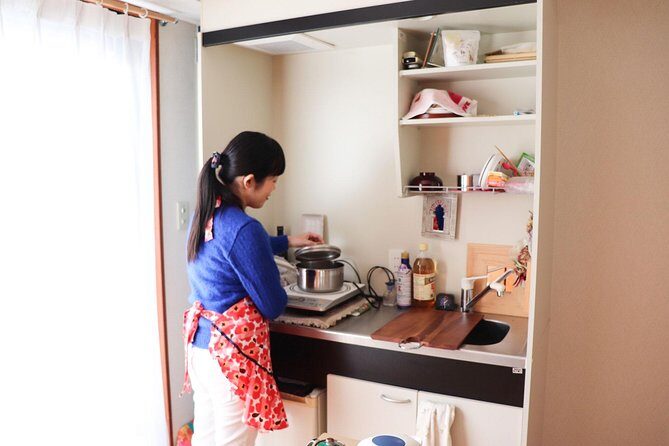
Obanzai is Kyoto home cooking, built around what’s fresh and in season—often vegetables and seafood prepared with a light hand. In this experience, you sit down together and share a traditional Obanzai meal over conversation.
This is where the value becomes clear. At most restaurants, you get pretty plates with limited context. Here, you’re eating in a way that feels like you’ve been invited into the kitchen routine. That context is the difference between sampling food and actually learning something.
What Obanzai-style dining feels like
Expect a set of dishes rather than one “main.” You might see items like rice and miso soup alongside seasonal Obanzai plates. The food’s rhythm matters: warm and savory items tend to come before sweets, and the matcha is used to close the loop.
If you’re a food traveler who cares about ingredients, you’ll likely appreciate the focus on locally sourced seasonal produce. Some guests specifically noted produce grown in the home garden. Even when you don’t get that exact detail, the meal’s logic stays the same: what tastes best right now becomes what gets served.


The one drawback of Obanzai as a concept
Because the menu changes with the season, you can’t treat this as a guaranteed checklist. If you’re traveling at a specific time and hoping for one exact dish, you may be disappointed. The upside is better freshness and less “theme menu” energy.
Sushi and miso soup with real explanations
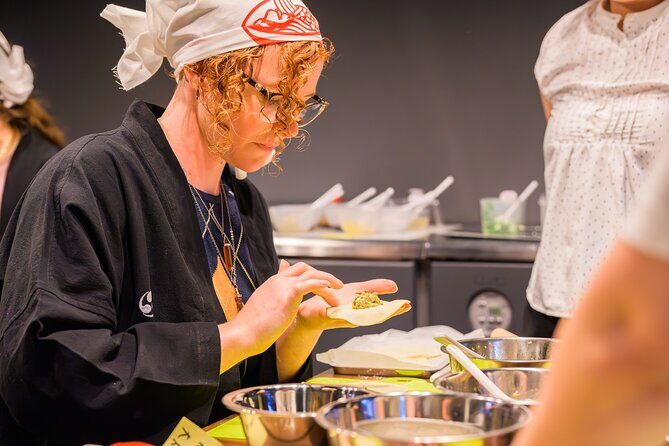
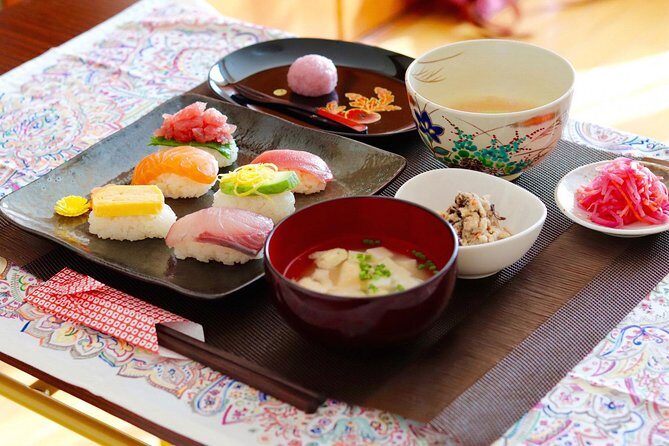
This experience includes Japanese meal components such as sushi and miso soup. But the standout isn’t only that those dishes are served—it’s that you can learn the traditional way to make or understand them while you’re there.
In a home setting, the explanations land differently than in a class. You’re not stuck in a separate kitchen counter doing a demo. You’re sitting down as part of the meal, so the food and teaching connect immediately.
What to pay attention to as you eat
When sushi is part of the spread, watch for how it’s treated as a piece in the full meal, not a standalone novelty. Sushi in Japan often respects the seasonal setting—so if the dish uses certain flavors alongside your other courses, that’s the clue to how the meal was planned.
With miso soup, pay attention to the balance between saltiness and umami. Miso is a Japanese staple, but home miso soup often feels softer and more carefully composed than what you might get in a hurry elsewhere. If you ask questions, you’ll likely understand how the soup fits the Obanzai rhythm.
Conversation, local alcohol, and the home-host rhythm
One of the most underrated parts of booking a Kyoto home meal is the conversation. You’re not in a sales-y restaurant script. You’re talking with Emika, and the vibe tends to be warm and personal.
Some guests described Emika as quiet but sweet and witty. That kind of hosting style matters: you don’t feel pushed into constant chatting, but you also don’t feel ignored. If you ask about Kyoto, food habits, or what makes certain ingredients work together, you’ll probably get a clear, thoughtful answer.
Local alcohol is included, which adds to the “home meal” feel. Still, keep it practical: you’ll want to pace yourself. The experience lasts about 1 hour 30 minutes, so it’s not a slow evening that stretches for hours.
How the meal likely flows
You’ll typically start with matcha, then sit down for courses of Obanzai. You may also find time for a small tea ceremony element after the meal. Some setups emphasize learning first; others let you relax first and teach as you go. Either way, it ends at the meeting point.
Price and value: is $79 fair for a Kyoto home experience?
At $79 per person for about 1.5 hours, this is not a cheap meal—but it also isn’t priced like a big-city fine-dining tasting menu. The real value is what you’re buying: access to a Kyoto home table, a host who explains what you’re eating, and a cultural layer (matcha and Obanzai) you rarely get in standard restaurant dining.
Here’s why it can be worth it:
- It’s private. You’re not squeezed into a group schedule.
- It’s educational without feeling like school. You can ask questions while you eat.
- The menu is seasonal. That often means better flavor and fewer “display plates.”
- Alcohol is included. That reduces the total cost compared to dining out.
The main “cost” is logistics: you pay in effort too, because there’s no hotel pickup. But if you’re comfortable navigating public transportation and walking a bit, the trade-off usually feels fair.
A good rule: if you’ve already eaten sushi in tourist-friendly spots and you want the Kyoto-home version, this price starts to make sense quickly.
Who should book this, and who might pass?
This experience is best for you if:
- You enjoy food that’s tied to place and season, not just famous brands
- You like small cultural experiences that feel real and not overly staged
- You’d rather talk with a host than follow a printed menu explanation
It may not be the best match if:
- You want a long, high-energy evening with lots of action
- You need a very specific menu item at a guaranteed time (because the menu can vary by season)
- You prefer full-service convenience like hotel pickup
Best use of timing: lunch or dinner
You can choose lunch or dinner time, which makes it easy to fit into a Kyoto day. If you’re doing temple stops in the morning, lunch can be a nice reset. If you’ve been walking all afternoon, dinner turns the meal into a calmer finish.
Practical tips to get more out of the meal
A Kyoto home dining experience goes smoother when you come prepared to be flexible and curious.
- Tell them about dietary requirements right at booking. The menu may vary, and the host needs time to plan.
- Ask about what’s seasonal. It’s the fastest way to understand Obanzai.
- Leave room for sweets and tea pairing. Matcha works with desserts, so don’t rush past the final course.
- Plan your transport before you arrive. Since there’s no pickup, make sure you’re confident about the last leg to the address.
Service animals are allowed, and the meeting point is near public transportation, so it’s not a totally remote ordeal. Still, double-check your route.
Should you book the Kyoto home sushi and Obanzai meal with Emika?
I’d book it if your idea of a great Kyoto day includes real conversations and food that tastes like the season. The combination of matcha, Obanzai courses, and a host who explains sushi and miso in a home setting is exactly the kind of experience that’s hard to recreate on your own.
Skip it if you want convenience above all, or if you’re the type who needs a guaranteed menu with zero variation. And if you have dietary restrictions, treat this as a “confirm early” booking—message the host during booking so the meal can be planned safely.
If you’re choosing between yet another restaurant and something more intimate, this is the option that most often delivers that rare feeling of being let into a local rhythm for an hour and a half.
FAQ
How long is the Kyoto home meal experience?
It runs for about 1 hour 30 minutes.
How much does it cost?
The price is $79.00 per person.
Is it private, or will I be with other groups?
It’s a private, personalized experience. Only your group participates.
What’s included in the meal?
You get an authentic, home-cooked Japanese meal. Local alcohol is included as well, along with items like miso soup, rice, sushi (when included in the menu), matcha green tea, and sweets.
Can I choose lunch or dinner?
Yes, you can choose lunch or dinner time.
Is hotel pickup and drop-off included?
No. Hotel pickup and drop-off are not included, and the experience starts and ends back at the meeting point.