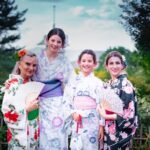
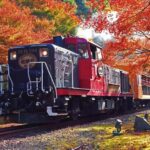
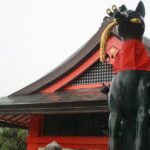
Kyoto can feel like a map-juggling act. This private walking tour is designed to remove that stress. You get a guide who takes care of the route, works around your interests, and helps with the small stuff like photos, vendor questions, and even booking restaurants.
I especially like the custom itinerary angle and the practical promise of no getting lost. The day is built around big-name temples and shrines plus classic Kyoto streets, so you’re not just ticking boxes—you’re moving through neighborhoods in a logical, human way.
One drawback to consider: many major stops require separate entrance tickets, and with an 8-hour route, the pacing may feel brisk if you want long, slow stays at one place.
In This Review
- Key things that make this tour worth your attention
- Price and value: how $265.82 turns into a good deal
- What you get when you hire a private Kyoto walking companion
- The route as a full-day flow: from Kinkaku-ji to Eikando
- Stop 1: Kinkaku-ji (Golden Pavilion) without the wandering
- Stop 2: Kiyomizu-dera’s stage views and the Pure Water vibe
- Stops 3: Sanneizaka and Ninenzaka preserved streets (slow down here)
- Stop 4: Yasaka Shrine and the Gion Matsuri connection
- Stop 5: Fushimi Inari’s torii trail at your pace
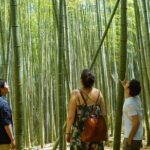
- Stop 6: Arashiyama Bamboo Forest and Tenryuji Temple
- Stop 7: Nishiki Market for Kyoto kitchen shopping energy
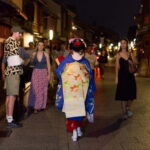
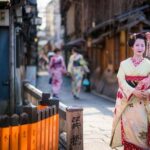
- Stop 8: Gion for the geisha district atmosphere
- Stop 9: Ginkakuji (Silver Pavilion) on the far side of the city
- Stop 10: Sanjusangendo Temple and its 1001 Kannon statues
- Stop 11-12: Kyoto Imperial Palace and Nijo Castle in one sweep
- Kyoto Imperial Palace (about 30 minutes)
- Nijo Castle (about 45 minutes)
- Stop 13: Eikando (Zenrinji) for a calmer temple finale
- How good is it in real life? The guide makes the difference
- Who should book this private Kyoto walking tour
- Should you book it?
- FAQ
- How long is the private Kyoto walking tour?
- What is the group size for this tour?
- Is pickup available?
- Does the tour include entrance fees?
- Are meals included?
- Is there private transportation included?
- Can the itinerary be personalized?
- What happens at the end of the tour?
- When does the tour run?
Key things that make this tour worth your attention
- A route shaped around your interests instead of a fixed script
- Guide-led navigation so you can spend time looking up, not down at your phone
- Help with tickets and planning, plus assistance with questions at shops
- A classic mix of Kyoto highlights, from Golden Pavilion to Fushimi Inari’s torii trail
- Photo support so your stops don’t turn into awkward self-timer moments
- Group size up to 5, which can make the per-person cost reasonable
Price and value: how $265.82 turns into a good deal

The cost is $265.82 per group for up to 5 people, for about 8 hours. That pricing is the whole story here: if you travel as a small group, the value gets much better fast.
Here’s the math (rough, but useful):
- For 5 people, you’re around $53 per person.
- For 2 people, you’re around $133 per person.
- For 1 person, it’s still the group price, so it’s a pricier way to do a walking day.
Compared to hiring a driver plus buying guide time separately, the attraction is that you get one English-speaking companion handling directions, pacing, and practical “Kyoto logistics” at the same time. And because the tour is private, you can slow down for a photo stop or speed up if a shrine line is short.
One more value note: entrance fees and meals are not included. So the best budgeting approach is: treat the price as paying for the guide and structure, then plan to add temple/shrine admission and whatever you choose to eat.
Other walking tours we've reviewed in Kyoto

What you get when you hire a private Kyoto walking companion

This isn’t a lecture tour. It’s more of a guided walking day where you can actually use the guide like a tool.
You can expect:
- A personalized itinerary, meaning your guide adjusts which sights matter most to you.
- English-speaking help for the stuff that’s hard on your own—directions, questions, and ticket timing.
- Support with photo taking and communicating with local vendors, which matters in places where you’ll otherwise feel like you’re interrupting.
- Assistance with booking tickets and planning, which can save time and reduce the “where do we go next?” stress.
Also, the day is set up as a walking route. That sounds obvious until you realize it changes the whole experience: you’ll see more than the same three stops by bus, and you’ll get that street-level Kyoto feeling in between.
The route as a full-day flow: from Kinkaku-ji to Eikando
The planned sequence gives you a smart mix of:
- iconic temples and shrines,
- preserved neighborhood streets,
- food-shopping energy,
- and classic Kyoto districts like Gion and Arashiyama.
In other words, it’s not just “go, look, leave.” It’s paced to keep you moving through different sides of Kyoto in one day.
Still, because it’s truly customizable, your exact stops and timing can shift. Use the itinerary as a strong template, then adjust based on what you care about most—gardens, architecture, photography, shrine atmosphere, or just walking through the old streets.
Stop 1: Kinkaku-ji (Golden Pavilion) without the wandering

Kinkaku-ji is the big start for a reason. You’ll visit the Golden Pavilion, a Zen temple tied to the retirement villa of Shogun Ashikaga Yoshimitsu.
Expect:
- a concentrated visit (about 30 minutes in this plan),
- lots of photo chances,
- and that “Kyoto classic” feel that makes the rest of the day easier to enjoy.
Admission isn’t included, so factor that in. The upside of starting here with a guide: you spend less time figuring out the best entry point and more time enjoying the scene.
Stop 2: Kiyomizu-dera’s stage views and the Pure Water vibe

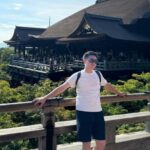
Next comes Kiyomizudera, the Pure Water Temple. It’s known for its wooden stage extending about 13 meters from the main hall over the hillside below.
This stop is about 45 minutes. It’s a great one for:
- photos from the stage area,
- and understanding why this complex is so central to Kyoto’s imagination.
Like other major sites, admission tickets are separate. Also, Kiyomizudera can be crowded at peak times. A guide-led pace helps you avoid the worst shuffle and keeps the day from turning into queue time.
Other private tours in Kyoto



Stops 3: Sanneizaka and Ninenzaka preserved streets (slow down here)

After temples, you’ll switch gears to Kyoto’s preserved old-street atmosphere at Sanneizaka and Ninenzaka.
Plan on about 45 minutes here. This is where the tour earns its “walking” label: you’re not just seeing Kyoto, you’re moving through it—old streets, small shops, and a neighborhood rhythm that feels different from the temple grounds.
Admission is free. The key is to treat this as a browsing window, not a quick pass-through. If you love snacks, small crafts, or just wandering, this is a good place to ask the guide what’s worth your time.
Stop 4: Yasaka Shrine and the Gion Matsuri connection

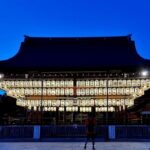
Yasaka Shrine (also known as the Gion Shrine) is next, about 30 minutes.
It’s famous for the Gion Matsuri, which takes place every July and is described here as the most famous festival in Japan. Even if you’re not in July, the shrine-area energy still feels tied to that tradition.
Admission is free, so this is a low-cost way to add atmosphere. It’s also a helpful contrast after the tourist-heavy temple stop: more street-life, more local energy, and a better sense of why Kyoto festivals matter.
Stop 5: Fushimi Inari’s torii trail at your pace

Then comes Fushimi Inari-taisha, famous for its network of trails with thousands of vermillion torii gates.
This is a shorter stop (about 15 minutes). That can be enough for:
- a quick torii-gate sequence photo moment,
- and the key sense of scale and color.
But if you’re hoping for a longer walk into the trails, this is where customization matters. Tell your guide you want more trail time versus fewer stops. The best part of doing it with a companion: you can keep moving without losing time getting oriented mid-stroll.
Admission is free.
Stop 6: Arashiyama Bamboo Forest and Tenryuji Temple

Arashiyama is a big geographic mood shift. You’ll spend about 1 hour here, including the Bamboo Forest and Tenryuji Temple.
Tenryuji is described as part of Kyoto’s Zen temple tradition, tied here to the detail that it was founded in 1339. The bamboo setting does the emotional work, but Tenryuji adds the temple-and-garden context to balance it out.
Admission is not included. If you’re sensitive to crowds, it helps to have a guide manage how you enter and where you pause.
This stop is a good reminder of why a walking tour can still be varied: you’ll get greenery and temple architecture without needing multiple separate day plans.
Stop 7: Nishiki Market for Kyoto kitchen shopping energy
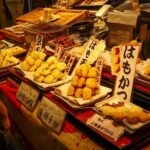
Next is Nishiki Market Shopping District (also called Nishiki Ichibe), about 40 minutes.
You’ll be in a narrow, five-block long lane with more than 100 shops and restaurants, known as Kyoto’s kitchen. This is one of the easiest places to spend money on small tastings and snacks—without committing to a full sit-down meal.
Admission is free. This is also where a guide helps in a real way: you can ask what’s good, what’s worth trying, and where locals tend to go. Even if you don’t eat much, it’s a great stop for atmosphere and photos.
Stop 8: Gion for the geisha district atmosphere
After Nishiki, you’ll head to Gion, Kyoto’s famous geisha district, for about 30 minutes.
Admission is free. This is a “feel it with your eyes” stop:
- architecture and streetscape,
- photo opportunities,
- and the sense of old Kyoto identity.
Keep expectations realistic: you’re walking through a living district. The win here is less about hunting specific people and more about understanding the neighborhood vibe.
Stop 9: Ginkakuji (Silver Pavilion) on the far side of the city
Then you’ll visit Ginkakuji, the Silver Pavilion, about 30 minutes.
It’s described as being built by Yoshimitsu’s grandson, Ashikaga Yoshima, on the other side of the city a few decades after Kinkaku-ji. That connection between the two sites is a neat way to see how Kyoto’s ruling families shaped what you can still visit today.
Admission isn’t included. Even in a short visit, Ginkakuji works well as a “breather” between busier streets and markets.
Stop 10: Sanjusangendo Temple and its 1001 Kannon statues
Sanjusangendo (Rengeo-in) is next for about 30 minutes.
This temple is famous for its 1001 statues of Kannon, the goddess of mercy. That number matters. It gives the visit a focused identity: you’re not just looking at a temple, you’re looking at a repetition that’s part of the message.
Admission isn’t included. In a shorter stop, a guide can point you toward the areas where the statues feel most impressive, so you don’t spend your limited time wandering in circles.
Stop 11-12: Kyoto Imperial Palace and Nijo Castle in one sweep
Now the day turns more “political geography,” without getting heavy.
Kyoto Imperial Palace (about 30 minutes)
You’ll visit the Kyoto Imperial Palace, which used to be the residence of Japan’s Imperial Family until 1868, when the emperor and capital moved from Kyoto to Tokyo. This gives you a direct, physical sense of what changed when power shifted.
Admission is free in this plan.
Nijo Castle (about 45 minutes)
Then comes Nijo Castle, about 45 minutes. It was built in 1603 as the Kyoto residence of Tokugawa Ieyasu, and his grandson Iemitsu completed the palace buildings 23 years later.
Admission isn’t included. A castle visit adds a different kind of Kyoto: less shrine atmosphere, more formal structure, spaces that explain how rule worked.
If you like architecture, both of these stops together make sense as a paired contrast.
Stop 13: Eikando (Zenrinji) for a calmer temple finale
The final temple stop is Eikando Zenrinji Temple, about 45 minutes.
It belongs to the Jodo sect of Japanese Buddhism. It’s also described as being just north of the large temple complex of Nanzenji, and it’s especially famous for its autumn scenery (the exact details aren’t listed here, but the seasonal fame is clear).
Admission isn’t included. This last stop works well as a quieter ending point after the castle and palace sites—more gentle walking, more temple mood.
How good is it in real life? The guide makes the difference
This tour model depends heavily on the person holding the walking pace and explaining what you’re seeing.
On the positive side, named guides earned strong praise. I saw multiple examples where the companion was flexible, patient, and made the day feel worth it—like Jinshi, Femin, Karl, Dalivanh, and Rio. One standout included the feeling that the day delivered exactly what books promise: temples, shrines, gardens, and good food flow.
But I also saw a couple low-score experiences pointing to problems that matter: a guide replacement after an illness, and cases where a guide reportedly lacked confidence with Kyoto or Japan. One reviewer said the guide did not have knowledge of Kyoto and made the day feel like wasted money; another said directions were wrong and the guide was unprepared.
So here’s my practical advice:
- If you have specific must-sees, tell the company ahead of time so the guide arrives with a clear plan.
- Ask what kind of pacing you want: quick highlights or longer moments at fewer stops.
- Wear shoes that handle 8 hours of walking, because you’ll want to follow your guide’s timing.
Even with a great itinerary, the companion quality is the engine.
Who should book this private Kyoto walking tour
You’ll likely love this if:
- you want a first-timer-friendly structure in Kyoto without spending time mapping your own route,
- you travel with people who benefit from pacing and patience (including seniors, as one positive account highlighted),
- you care about a mix of major sights plus neighborhood streets like Sanneizaka, Ninenzaka, and Nishiki Market,
- you want help with practical bits like tickets and asking questions while you’re out.
You might choose something else if:
- you hate walking and want lots of taxi breaks,
- you prefer a totally self-guided day with no guide involvement,
- you’re planning to linger for half a day at one single temple or garden and you don’t want a set 8-hour window.
Should you book it?
Yes, I’d book it if you’re traveling as a small group (up to 5) and you want Kyoto to feel organized without losing freedom. The pricing makes sense at group size, and the big value is having a companion handle navigation, tickets help, and the “what do we do next” problem.
But book with a clear expectation: entrance tickets and meals are on you, and the experience quality can swing with guide performance. If you want a smooth day, communicate your must-sees early and be ready for an active 8-hour walking route.
FAQ
How long is the private Kyoto walking tour?
It runs for about 8 hours.
What is the group size for this tour?
It’s a private tour/activity, with your group only, and the group size is up to 5.
Is pickup available?
Yes. Pickup is offered.
Does the tour include entrance fees?
No. Entrance fees are not included, and tickets for stops like Kinkaku-ji, Kiyomizu-dera, Arashiyama’s temple, and others are marked as not included.
Are meals included?
No. Meals are not included.
Is there private transportation included?
No. Private transportation is not included.
Can the itinerary be personalized?
Yes. The tour offers a tailor-made route where you can personalize what you want to see.
What happens at the end of the tour?
The tour ends back at the meeting point.
When does the tour run?
Opening hours are 6:00 AM to 10:00 PM, Monday through Sunday, within the listed operating date range.