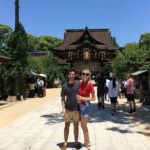
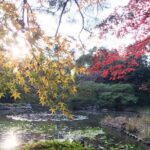
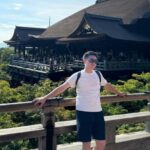
Pedal through Kyoto’s Shogun past. This easy downhill-style cycling tour is a fun way to see three heavy-hitters of the Ashikaga and Tokugawa eras without exhausting yourself on long walks. I love the Golden Pavilion gardens and the way the stop builds context fast. I also love the quiet Toji-in mood, where wabi-sabi Zen minimalism makes the whole experience feel calm and intentional.
One possible drawback: this is still road riding. If you are not comfortable biking with traffic nearby, the tour will feel more like work than a sightseeing stroll, and it runs in rain.
If you like history you can see with your own eyes, this is a strong, practical half-day plan. You get guided walks inside each site, admission included, and you roll right back out to Kyoto’s streets like you are moving through the pages of a shogun-era story.
In This Review
- Key highlights you’ll actually feel
- Kyoto’s Shogun Sites by Bike: What the Ride Feels Like
- Golden Pavilion Temple (Kinkakuji) Gardens in About an Hour
- Toji-in Temple and Wabi-Sabi Zen Minimalism
- Nijo Castle: Ornamental Carvings and the Late Shogunate Era
- Rain-Ready Biking: Gear Included and Backup Plan
- Private Group Size, Meeting Points, and How the 3.5 Hours Run
- Price and Value: What $153.50 Really Covers
- Who Should Choose This Shogun Cycling Tour
- Book It or Skip It? My Decision Guide
- FAQ
- How long is the Kyoto Shogun Cycling Tour?
- What is included in the tour price?
- Where does the tour start and end?
- Does the tour run in the rain?
- Can solo travelers book this tour?
- Is this tour suitable for children?
Key highlights you’ll actually feel
- Golden Pavilion (Kinkakuji) with a guided garden walk plus admission included
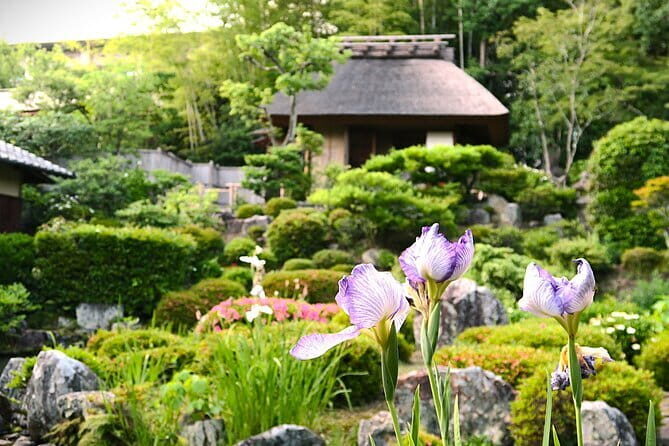
- Toji-in’s wabi-sabi Zen setting and a look at the garden and tea-house vibe
- Nijo Castle grounds for the late shogunate era, with extra time there
- Helmet and rainwear included, plus a rain backup option
- Private tour for your group, with small-guide limits (no solo rider allowed)
Kyoto’s Shogun Sites by Bike: What the Ride Feels Like
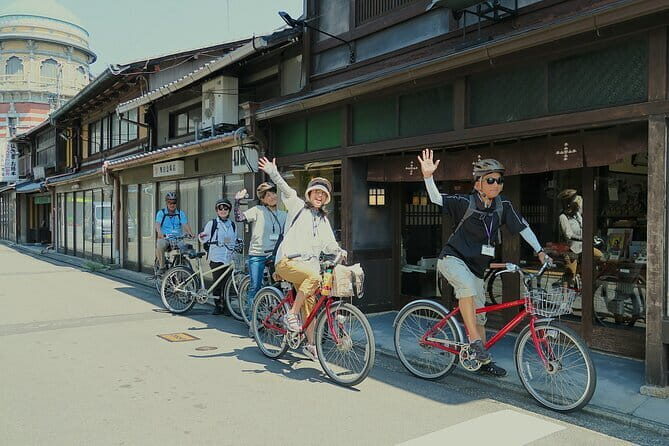
This tour is built for momentum. You’ll cycle between major sights and spend your time where it counts: at the temples and castle, not in transit. The route is described as an easy downhill experience, which matters because Kyoto can be deceptively hilly, even when you think you have a flat plan.
The private format also changes the rhythm. When it’s just your group, you can ask questions and get tighter pacing around what you care about most—gold-leaf aesthetics, Zen atmosphere, or the political story of the shogun era. Guides in this program have been noted for strong English and the kind of city know-how that turns a list of stops into a connected route. Names that show up in past experiences include Seiya, Makoto, Nozomi, and Yutaka Kaneda.
This is a solid choice if you want a “see the big stuff” day but still like getting outside and moving. If you prefer slow, museum-style time where you linger forever, you may find 3.5 hours a bit snug.
Other cycling tours in Kyoto


Golden Pavilion Temple (Kinkakuji) Gardens in About an Hour
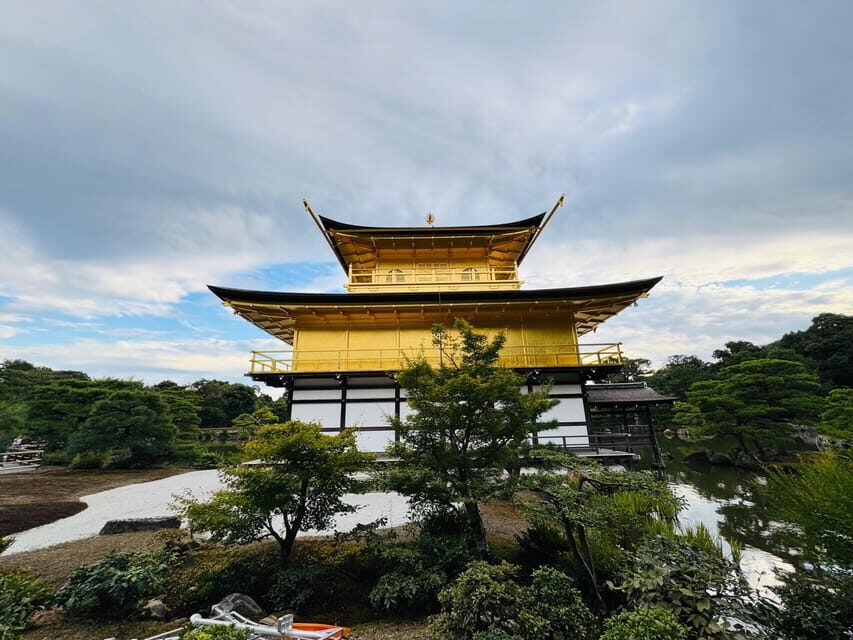
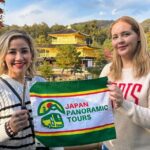
Your first stop is Kinkakuji, the Golden Pavilion Temple. You’ll get a guided walk through the gardens around the temple building, and admission is included. This is the kind of place where the surroundings matter as much as the main view. The gold-lined look is instantly striking, but the garden framing gives it balance, and your guide helps you notice why it’s so iconic in Kyoto.
The tour framing adds context: Kinkakuji wasn’t just a pretty temple. It was once tied to governance, described here as a center of government for the Ashikaga Shoguns. That historical link helps the stop click. Instead of thinking only gold reflections and photos, you’ll start seeing the temple as part of power, culture, and ritual life.
Practical tip: plan to spend time looking from multiple angles in the gardens, not just aiming for the main view. If you try to sprint, you’ll miss the quiet design choices that make this temple work.
Toji-in Temple and Wabi-Sabi Zen Minimalism
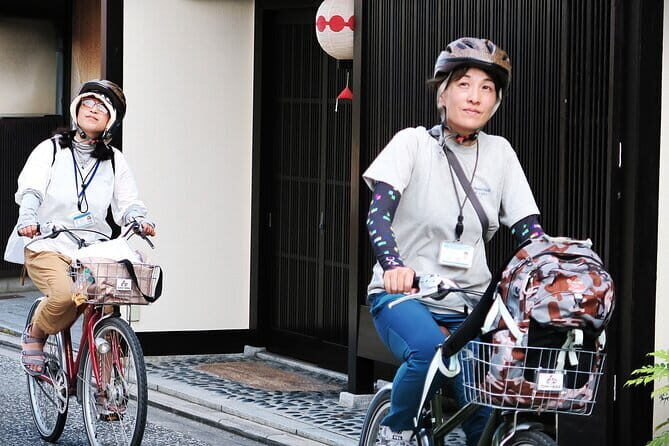
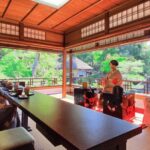
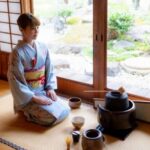
Next you head to Toji-in Temple, a quieter stop that slows the whole tour down. You’ll spend about an hour here with guided time inside the temple and time to appreciate the garden and the tea-house vibe.
The big idea at Toji-in is wabi-sabi—Zen minimalism and the beauty of simple, imperfect things. In the tour description, this is linked to a kind of contemplation that Zen masters once practiced while gazing at a groomed garden. It’s the sort of place where details matter, like how the space feels, how light falls, and how the garden line creates a calm visual rhythm.
Also important: Toji-in is described as the resting place of the Ashikaga, which gives this stop a deeper tone than a typical temple quick-stop. You’re not just looking at architecture; you’re standing at a place associated with legacy and remembrance.
Possible trade-off to know: this stop is less about spectacle and more about atmosphere. If you mostly want loud, obvious sightseeing moments, Toji-in may feel more subtle than Kinkakuji. But if you enjoy quiet and you like when a guide points out what to notice, it’s often the part people remember.
Nijo Castle: Ornamental Carvings and the Late Shogunate Era
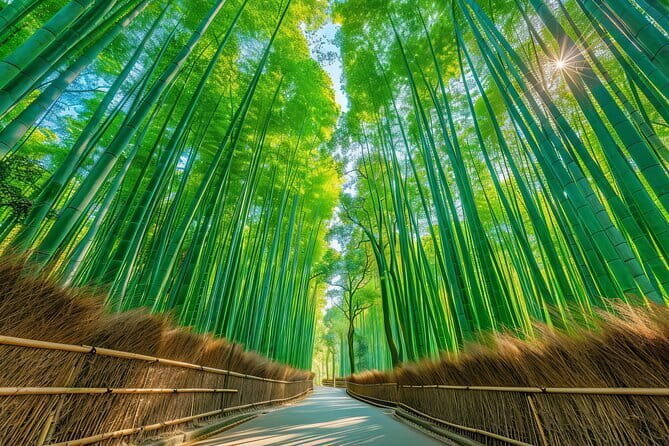
Your final major site is Nijo Castle, and you’ll spend the longest time here (about 1 hour 30 minutes). The extra time is well-earned. Nijo Castle is presented as a fortress-like residence connected to the Tokugawa Shogunate in Kyoto, and it’s also described as a key setting for the period when the shogun era began to shift toward its end.
What you can expect on the ground: you’ll go through the grounds with your guide, taking in ornamental carvings and the main buildings. Even if you have only a basic sense of Japanese history, the tour storyline helps: Nijo Castle isn’t framed as a random stop. It’s the place where power lived in visible, intentional ways—architecture and design working together to impress and control.
The tour description also emphasizes that Nijo Castle was the scene of historical events that shaped Japan’s destiny. That wording is big, so don’t worry if it doesn’t turn into a full lecture during your visit. In a guided walk, you usually get the key thread: why this residence mattered and how the visual language of the castle connects to its political role.
Good mindset for this stop: treat it like history you can walk around. Look at carvings as communication, not decoration. And slow down at sightlines where buildings or gates force you to change your angle—those are often the moments the guide can explain best.
Rain-Ready Biking: Gear Included and Backup Plan
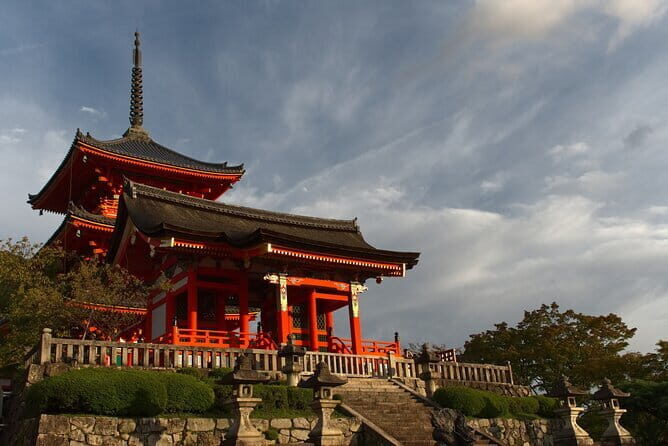
Kyoto weather can be unpredictable. The tour is designed to operate in rain, and that’s a big deal because many outdoor tours quietly cancel or dodge the issue.
You’ll be provided with rainwear and a helmet, and there’s a free option to keep cycling with a rain poncho. If you’d rather avoid biking in wet conditions, there’s also a plan to switch to a walking tour using public transportation (bus or metro), and that option is included in your tour fee.
This setup is practical. It means your plans don’t collapse the first time the sky does its Kyoto thing. Just remember: rain can change how you feel on the bike. Even with gear, it’s smart to go slower at turns and give yourself extra braking room if the route involves any surface slickness.


Private Group Size, Meeting Points, and How the 3.5 Hours Run
This is a private tour/activity, meaning only your group participates. That’s usually the difference between a rushed “see it and go” day and a guided experience where you can ask follow-up questions.
There’s also a group-size rule that affects the feel of the tour:
- The guide can take 2 to 6 guests per group.
- Solo participants are not accepted.
- If your group is 7 to 12 people, an extra guide can be arranged.
That small-group structure matters because it supports easier stop-and-start timing. Temple visits also need pacing—people spread out for views and then regroup, and a guide can actually manage it without chaos.
The tour starts at Wara Tenjin mae, in Kita Ward, and ends at the Kyoto Station Cycle Terminal. Starting near public transportation is mentioned, which helps if you’re already using trains and buses around the city.
Time wise, you’re looking at about 3 hours 30 minutes total. With Kinkakuji (1 hour), Toji-in (1 hour), and Nijo Castle (1 hour 30 minutes), that adds up tightly. The good news: admission is included at each stop, so you aren’t burning time hunting tickets or lines.
Price and Value: What $153.50 Really Covers
At $153.50 per person, this tour can feel like a bargain or a splurge depending on what you compare it to. Here’s what you actually get, and why the value makes sense.
Included items:
- Bicycle use
- Helmet
- Rainwear
- Guided visits with admission tickets included for the three stops
That combo is the main reason the price works. If you try to DIY Kyoto using buses, taxis, and individual admissions, you can easily rack up costs that feel similar by the time you add up tickets and time.
Also included is the convenience of a mobile ticket, which helps when you’re moving between spots.
One thing to note: matcha service is not included. If you want matcha as part of the day, you should expect to pay separately. The tour still covers the temple atmosphere and the tea-house setting, but the drink itself isn’t part of the package.
Who Should Choose This Shogun Cycling Tour
This tour fits best if you:
- Want a half-day plan that covers three major sites
- Like guided context that connects Ashikaga and Tokugawa-era stories
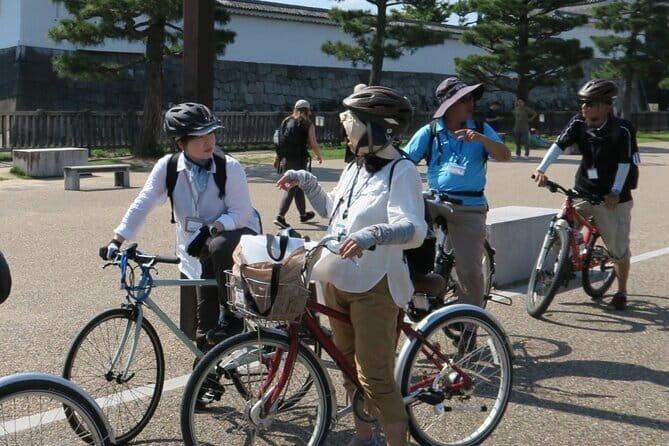
- Are comfortable riding a bike safely on the road
It’s also a great family option if everyone meets the requirements: children must be at least 10 years old, 145 cm or above, and able to ride safely unassisted.
It may be a weaker fit if you:
- Are traveling solo (the minimum is 2 guests)
- Hate rain driving, or you get uneasy biking in wet conditions
- Prefer long, slow downtime at each place rather than a paced route
Book It or Skip It? My Decision Guide
Book this tour if you want to hit Golden Pavilion, Toji-in, and Nijo Castle in one efficient guided ride, especially if you like the idea of learning the Shogun era through the places where it played out. The included admissions, bike, helmet, and rain gear make it feel practical, not precious.
Skip it if your ideal Kyoto day is mostly unstructured wandering, or if road cycling stresses you out. While there’s a rain backup plan using walking plus public transport, the core experience is still about riding between sites.
If you like history you can see, and you want a calm-to-somber-to-powerful sequence (golden shine, Zen quiet, then fortress politics), this tour is a strong match.
FAQ
How long is the Kyoto Shogun Cycling Tour?
It runs for about 3 hours 30 minutes.
What is included in the tour price?
You get bicycle use, a helmet, rainwear, and admission tickets for each stop. Matcha service is not included.
Where does the tour start and end?
It starts at Wara Tenjin mae (Kyoto) and ends at the Kyoto Station Cycle Terminal.
Does the tour run in the rain?
Yes. The tour operates in rain. You can continue on bikes with rain poncho (free), or switch to a walking tour using public transportation (bus or metro), which is included.
Can solo travelers book this tour?
No. A minimum of 2 travelers is required, and 1 person participants are not accepted.
Is this tour suitable for children?
Children must be at least 10 years old, at least 145 cm tall, and able to ride a bicycle safely on the road unassisted.