Matcha starts with your own hands. This tour takes you to Uji, Japan’s matcha hub, and lets you make stone-mill matcha the hands-on way. You also visit Byodo-in Temple, famous for its look on the 10-yen coin, which turns your tea stop into something you can actually point at later. One small drawback to plan for: you’ll be required to wear a mask during the matcha making workshop.
I like that it’s an English guided tour that keeps moving at a human pace. In a tour like this, the guide matters, and the experience you’ll get from guides such as Vincent tends to be clear and friendly, with explanations that help the sights and tea steps connect.
You’ll start at 9:30 am from Shinshindo near JR Kyoto Station and finish back at the same meeting area. It’s about 4 hours, it’s limited to a small group, and you’ll want to have WhatsApp ready because the guide uses it to reach you.
In This Review
- Key Highlights You Should Care About
- Matcha in Uji: what you make, walk to, and actually taste
- Your 4-hour walk: Byodo-in, Uji Shrine, then Fukujuen Ujicha Kobo
- Grinding matcha on a traditional stone mill (and why it’s not just a gimmick)
- Byodo-in Temple: the 10-yen coin sight that makes tea feel real
- Uji Shrine and Fukujuen Ujicha Kobo: the tea-city context after the headline
- English guide, small group size, and the “Vincent effect”
- Price and value: what $130.46 really covers
- Getting there from Kyoto Station: the meeting point that keeps things simple
- Who should book this Uji matcha experience (and who might skip)
- Should you book this Matcha Grinding Experience in Uji?
- FAQ
- How long is the Matcha Grinding Experience and Walking Tour in Uji?
- What is the price per person?
- What time does the tour start?
- Where do I meet the tour?
- Is there hotel pick-up included?
- Is the tour guided in English?
- Do I need WhatsApp before the tour?
- What locations are included on the walk?
- What’s included in the matcha experience?
- How big is the group?
Key Highlights You Should Care About
- You grind your own matcha using a traditional stone mill, not just watch it happen
- Byodo-in Temple visit links tea culture to one of Japan’s most recognizable temple images on the 10-yen coin
- A focused walking route in Uji includes Uji Shrine and Fukujuen Ujicha Kobo for extra tea-city context
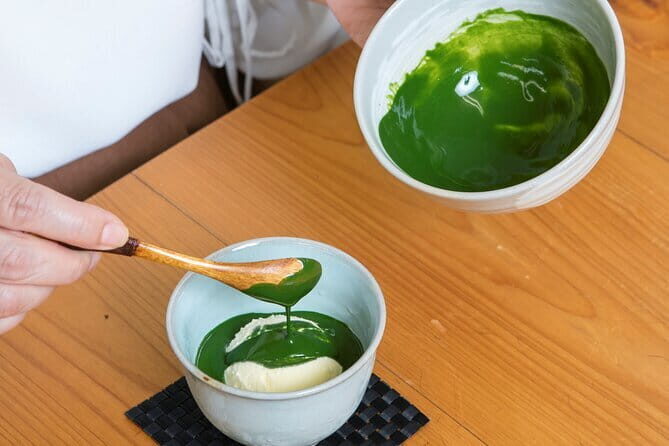
- Fresh tastings are part of the class with Japanese snacks or matcha ice cream included
- Small group size (max 6) makes the tea questions easier and the experience feel less rushed
- WhatsApp contact + mobile ticket help you stay synced with the guide from Kyoto Station
Matcha in Uji: what you make, walk to, and actually taste
Uji is where green tea culture stops being a souvenir and starts being a daily craft. This tour is built around that idea: you don’t just learn about matcha, you grind it. That single step changes how you understand everything else you’ll see, including the temple and shrine stops.
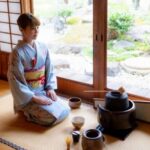
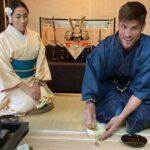
I like that the matcha part is hands-on from the start. You’ll use a stone mill to grind tea leaves into powder and then drink your freshly made matcha. That means you get a direct feel for the effort behind good matcha, not just a story about it.
The other reason this works is balance. You’ll also walk through well-known spots like Byodo-in Temple, plus quieter stops tied to tea culture, including Uji Shrine and Fukujuen Ujicha Kobo. It’s not only about tea tasting. It’s about how Uji’s identity shows up in places you can see with your eyes.
You’ll be paying for a mix: temple admission, the matcha class, and a snack or ice cream. If you want a guided day that turns Uji into something you understand in a few hours, this format makes sense.
A few more Kyoto tours and experiences worth a look

Your 4-hour walk: Byodo-in, Uji Shrine, then Fukujuen Ujicha Kobo
This experience is set up as a compact route, about 4 hours total. That timing matters because Uji is best enjoyed at a steady walking pace, without turning it into a sprint between photo stops.
The day flows through three main sight anchors:
Stop 1: Byodo-in Temple
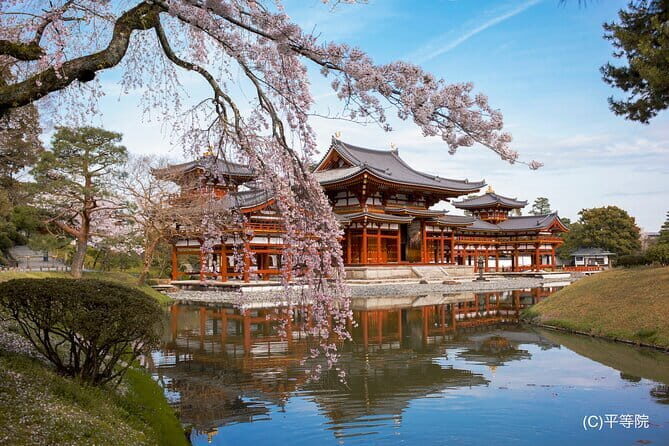
Expect a UNESCO World Heritage Site visit at the start of your route. Byodo-in is the headline in Uji, and it’s famous for the temple image that appears on Japan’s 10-yen coin. Going there with a guide gives you context for what you’re seeing, so it lands harder than a quick look and onward shuffle.
Stop 2: Uji Shrine
This stop adds a more local, spiritual layer to your walk. It also helps the day feel more like a real stroll through Uji, not a one-stop tea photo mission. You’ll get guided explanations while you’re there.
Stop 3: Fukujuen Ujicha Kobo
This is where the tea culture stays practical. It’s part of the tour’s matcha-and-tea focus, and it fits naturally after you’ve been primed by Byodo-in and the shrine.
At the end, the tour finishes back at the meeting point. So you’re not left stranded in a random corner of town with no obvious way home.
Grinding matcha on a traditional stone mill (and why it’s not just a gimmick)
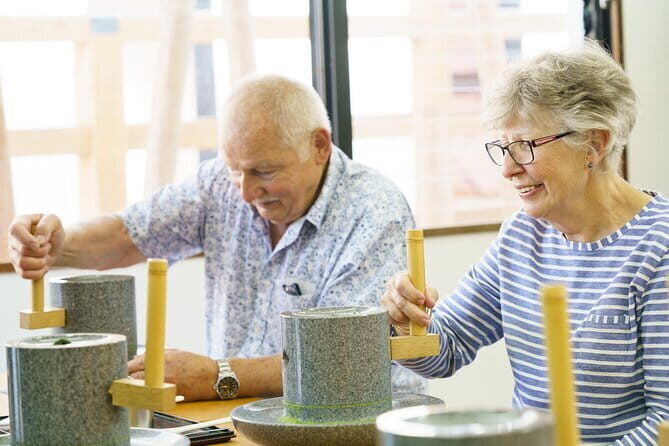
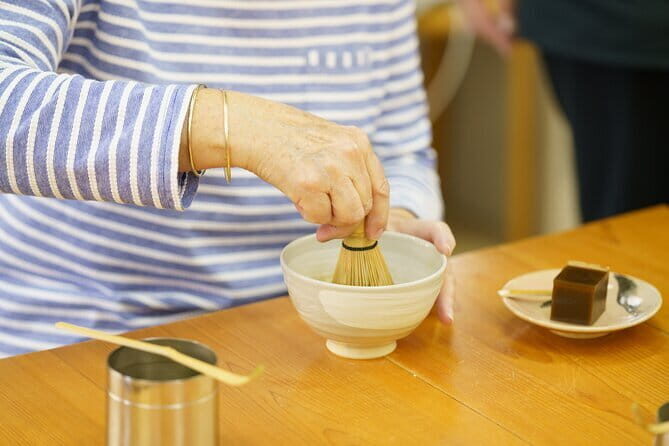
The star of the experience is the matcha-making workshop. You’ll grind tea leaves into matcha powder using a traditional stone mill. That’s key. Stone mills work differently from faster, modern methods, and doing it yourself is the fastest way to understand why matcha culture takes technique seriously.
After you grind, you’ll get to drink your freshly made matcha. This matters because you’re tasting something that you directly influenced. It also helps you notice what’s happening in the cup as you go from powder-making to drinking.
You’ll have a choice for your included treats: Japanese snacks or matcha ice cream. I like that this is built into the experience instead of being a separate optional meal plan. It keeps your time tight and your day simple.
A practical note: you’ll need to wear a mask during the matcha making workshop. If you’re sensitive to that, plan for a calm pace and don’t treat the workshop like a quick photo moment. The ritual part is part of the point.
Also, you’ll want to keep it easy on yourself communication-wise. The tour requires WhatsApp available for easy contact, and the guide will use it. Having it ready before you head out from Kyoto Station will prevent annoying last-minute confusion.
Byodo-in Temple: the 10-yen coin sight that makes tea feel real
Byodo-in Temple isn’t just famous in name. It’s famous because it’s recognizable. The temple’s appearance shows up on Japan’s 10-yen coin, and that connection turns the visit into something you can orient yourself with instantly.
What you’ll get on this tour is the added value of a guide. You won’t just see architecture and grounds and hope you understand it. You’ll also learn why Uji has such strong tea credentials and how the culture around green tea ties into places like Byodo-in.
UNESCO World Heritage status is another reason this stop is worth putting early in your day. You’ll be fresh, the light may be better for walking around, and you’ll have more energy for the rest of the route afterward.
One more thing I appreciate: the day starts with Byodo-in. When the most iconic site is first, the later stops feel like chapters in the same story instead of random add-ons.
Uji Shrine and Fukujuen Ujicha Kobo: the tea-city context after the headline
After Byodo-in, the route continues with Uji Shrine. Shrines in Japan often feel different from temples in both mood and purpose, and having a guide helps you read that difference instead of just moving through it. Even if you’re not the type to study religious details, you’ll still walk away with a better sense of how Uji functions as a lived-in tea town.
Then comes Fukujuen Ujicha Kobo. The word to keep in mind here is tea. This stop supports the theme of the day, tying your grinding and tasting into a broader tea-focused experience. It’s also a nice way to break up the heavier temple stop with something more grounded and related to what you’re learning.
I like this structure because it respects your attention span. You get one big iconic anchor, then you get supporting tea culture stops that make the day feel fuller without adding more time than you need.
A few more Kyoto tours and experiences worth a look

English guide, small group size, and the “Vincent effect”
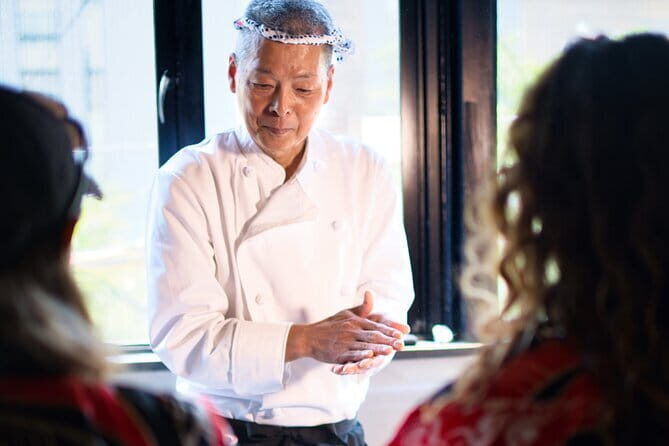
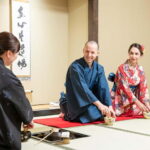
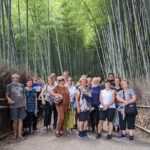
This is an English guided tour for a maximum of 6 travelers. That small size changes the feel of the experience. In a small group, you can ask questions without feeling like you’re holding everyone up, and the guide can pace the teaching around your pace.
From the experience I’ve seen described with guides like Vincent, the explanations tend to connect the sights to the matcha process. That’s what makes the tour work for non-experts. You’re not stuck with generic history. Instead, you’re seeing how Uji’s reputation for high-quality green tea connects to the places you walk by and the tea you make.
It also helps that the route includes multiple types of stops: a UNESCO temple visit, a shrine, and a tea-focused location. When your guide can explain all of those in one flow, the day becomes easier to remember.
Price and value: what $130.46 really covers

At $130.46 per person, you’re paying for more than a casual sightseeing walk. The cost bundles several real components: Byodo-in Temple admission, the matcha making class, and a built-in snack or dessert (Japanese sweets or matcha ice cream).
That value equation matters. If you were to cover these separately, you’d likely spend time—and possibly money—assembling the pieces on your own. Here, the tour handles the transitions so you can focus on doing and tasting rather than figuring out everything mid-day.
Is it cheap? No. But it’s not priced like a luxury private tour either. The key value is the matcha workshop itself. Grinding matcha on a stone mill and eating your included treat while it’s fresh is a specific experience that’s hard to recreate casually.
Group size is capped at 6, which usually means you get more attention for the price than you might with larger mass group tours. You also get a mobile ticket and a clear starting point at Kyoto Station, which reduces friction.
Getting there from Kyoto Station: the meeting point that keeps things simple
You meet at Shinshindo near JR Kyoto Station, specifically listed at the Kyoto Station area (Kyoto Station Central Gate area, bus ticket center vicinity). The start time is 9:30 am, and the tour ends back at the meeting point.
No hotel pick-up is included, so you’ll want to plan to reach the meeting area on your own. The good news is that it’s near public transportation. If you’re already staying around Kyoto Station, this will feel easy. If you’re farther out, you just need to account for getting there on time.
The tour being a walking experience also means you’ll want comfortable shoes and a calm pace. You’ll be going from temple to shrine to tea-related stops over a few hours, and the day is designed as one connected loop.
Who should book this Uji matcha experience (and who might skip)
This is a strong match for you if:
- You love matcha and want the hands-on stone-mill experience, not only tasting
- You want Uji to feel organized in just a few hours
- You enjoy guided context at major sights like Byodo-in Temple
- You like smaller group tours (max 6) where questions are welcome
You might skip (or switch to a different style of day) if:
- You prefer temple visits without workshops or masks
- You don’t like structured activities and would rather wander freely without timing
- You’re only looking for quick photos and would rather spend longer on your own
If your goal is a single, focused Uji day that combines tea craft and UNESCO-level sightseeing, this tour fits the bill.
Should you book this Matcha Grinding Experience in Uji?
Yes, if you’re the type of traveler who remembers food and craft experiences more than lectures. Grinding your own matcha on a stone mill, then drinking it right after, is the kind of sensory souvenir that actually sticks.
Book it especially if you want Uji’s tea identity explained while you walk it. Byodo-in is the headline, but the shrine and Fukujuen Ujicha Kobo stops give you a more complete sense of what tea culture looks like on the ground.
The main trade-off is the workshop requirement (including a mask) and the fact that it’s a guided walking day. If that sounds good, you’ll likely feel like you got your money’s worth in the simplest way possible: you made tea, saw the famous temple, and left with a clearer understanding of Uji.
FAQ
How long is the Matcha Grinding Experience and Walking Tour in Uji?
It runs for about 4 hours.
What is the price per person?
The price is $130.46 per person.
What time does the tour start?
The start time is 9:30 am.
Where do I meet the tour?
You meet at Shinshindo near JR Kyoto Station (Kyoto Station Central Gate area / bus ticket center area).
Is there hotel pick-up included?
No, hotel pick-up is not included.
Is the tour guided in English?
Yes, it’s an English guided tour.
Do I need WhatsApp before the tour?
Yes. The guide uses WhatsApp to contact you before and/or during the experience.
What locations are included on the walk?
The tour includes Byodo-in Temple, Uji Shrine, and Fukujuen Ujicha Kobo.
What’s included in the matcha experience?
You’ll join a matcha making class, including grinding matcha, and you’ll also receive Japanese snacks or matcha ice cream.
How big is the group?
The tour has a maximum of 6 travelers.