Kyoto at night feels like a different city. This Gion food adventure pairs an easy evening walk with a guide who helps you eat where English doesn’t lead. You start in the lively old-entertainment lanes and end inside a restaurant picked to fit the moment, your pace, and your questions.
I really liked the way the guides, especially Takashi and Natsuki, mix practical ordering help with stories about what you’re seeing. You don’t just look at Gion—you get context for the shrine, the canal alleys, and the geisha/maiko culture you might encounter along the way.
One thing to consider: this is not a multi-stop buffet of free tastings. All food is bought by guests, and if you’re late, some shops can already be closed for the evening.
Key highlights (quick read)
- English-friendly guidance for restaurants that aren’t set up for casual English ordering
- Yasaka Shrine + canal alley atmosphere with a short, meaningful cultural stop
- Guide-chosen dishes that can include ramen, katsu, or izakaya (varies by tour)
- Private group format with personalized navigation through downtown Kyoto
- Expect an evening schedule starting at 7:30 pm, when Kyoto really turns on the lights
In This Review
- Why This Gion Food Walk Works So Well at 7:30 pm
- Meeting at Gion-Shijo Station and How the Night Fits Together
- Gion After Dark: 500+ Years of Entertainment Culture in a Few Blocks
- Yasaka Shrine Stop: Free Entry, Fast Context, and Possible Snack Stops
- The Canal Alleys and Lantern Streets: Where the Atmosphere Does the Talking
- Kawara-machi and the Hidden Restaurant Approach
- What You’ll Eat: Ramen, Katsu, Izakaya, and the Guide’s Matching Game
- Takashi vs. Natsuki: Different Vibes, Same Core Goal
- Price and Value: What $166.14 Buys (and What It Doesn’t)
- Timing Reality Check: Why Being Late Can Change the Night
- Who This Tour Is Best For (and Who Might Want Something Else)
- Practical Tips I’d Use Before You Go
- Should You Book This Gion Food Adventure?
- FAQ
- What time does the tour start?
- Where do we meet for the tour?
- How long is the experience?
- Is the tour private?
- Are meals included in the price?
- What’s included in the tour price?
- Is there free cancellation?
Why This Gion Food Walk Works So Well at 7:30 pm
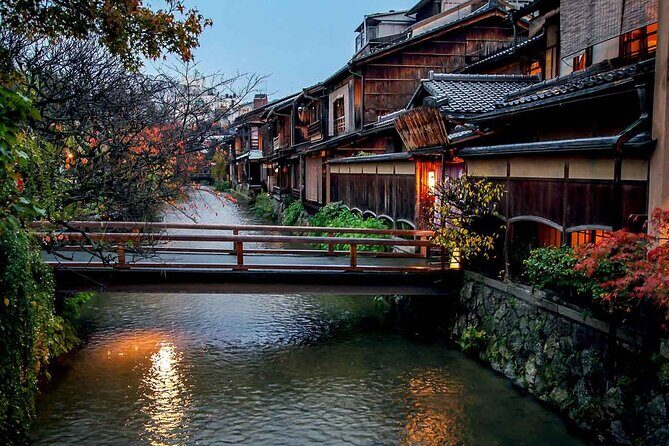
There’s something about Kyoto after dark. The streets around Gion shift from daytime sightseeing to evening mood—lanterns glow, alleys feel intimate, and you start noticing the small signs locals follow.
This tour is built for that timing. You walk through traditional neighborhoods first, learning what the area is famous for and why, then you get moving toward dinner while you’re hungry enough to actually enjoy it. The “food first, but not rushed” pacing is a big part of why it feels satisfying.
And because it’s guided, you’re not stuck trying to decode menus or find places that are obvious to tourists but invisible to you. The tour focuses on spots that feel like part of everyday life in Kyoto, not a checklist stop.
Meeting at Gion-Shijo Station and How the Night Fits Together
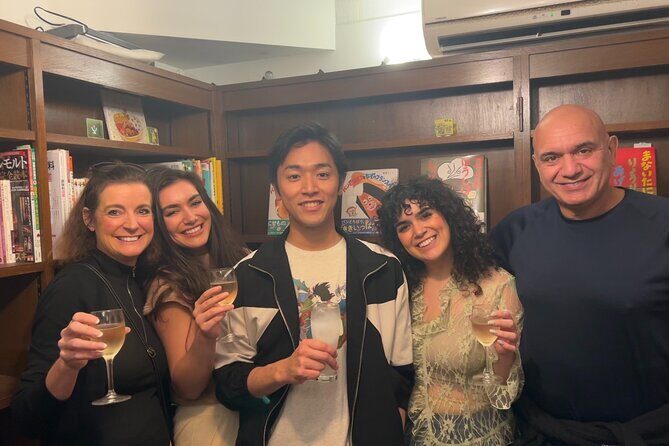
You meet at Gion-Shijo Station (7:30 pm start, downtown Kyoto). From there, the route keeps you in the core area—good for comfort, good for timing, and good for not feeling like you’re spending your energy on transit.
The tour runs about 3 hours and is private, meaning it’s just your group with the guide. That matters because the guide can adapt the pace, answer questions in real time, and choose dishes that match your comfort level and tastes.
You’ll also get a mobile ticket and private, personalized navigation. Think of this as “someone who knows the area walks you through it,” plus help making the restaurant part easy.
A few more Kyoto tours and experiences worth a look


Gion After Dark: 500+ Years of Entertainment Culture in a Few Blocks
Gion is famous for more than pretty streets. It’s been the center of entertainment and culture for over 500 years, and the neighborhood’s layout still tells that story.
During the walk, the guide points out what to watch for as you go: the feeling of the streets, the historic role of the area, and why certain performances and cultural traditions became linked with Gion. Even if you’re not chasing geisha sightings, the context changes how you read the neighborhood.
You might also spot maiko or geisha along the way. The guides explain who they are and why they’re part of the cultural imagery people associate with Kyoto. That’s the kind of detail that’s hard to pick up on your own while you’re just trying to find dinner.
Yasaka Shrine Stop: Free Entry, Fast Context, and Possible Snack Stops
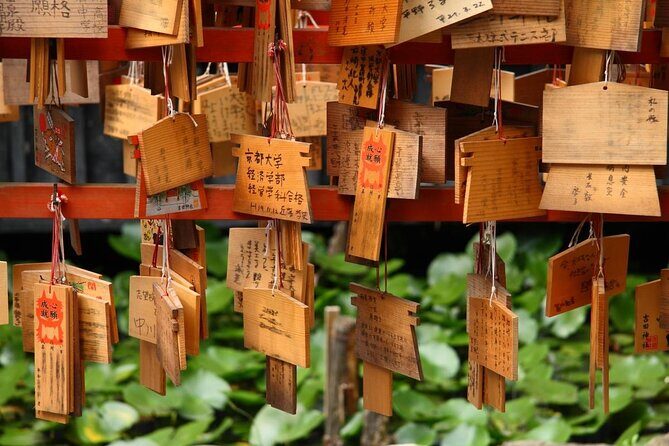
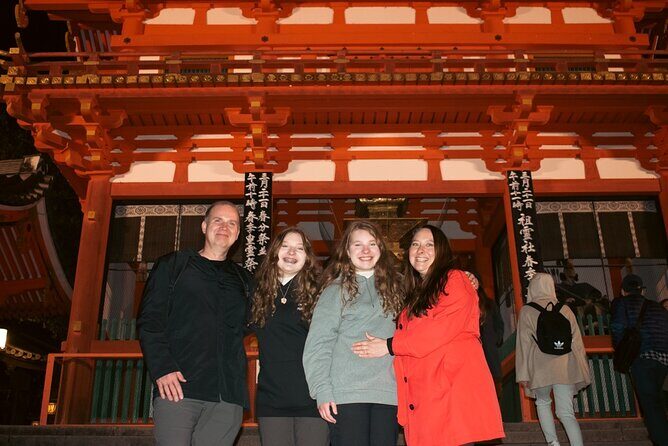
One of your scheduled stops is Yasaka Shrine, and admission is free. The shrine connects directly to Gion’s entertainment history, so this isn’t just a photo stop. It’s a chance to understand why the area developed the cultural identity it’s known for.
This stop is also where timing becomes important. Some evenings include extra small food moments near the shrine area—like a mochi place or small local stands, depending on how the tour is running. You get more than one “type” of Kyoto street culture, which helps the evening feel like a true local walk instead of only hopping to a restaurant.
If you’re hoping for lots of quick bites, plan to keep the rhythm. The tour is designed for a full 3-hour evening, and shrine-area shops can close as the night moves on.
The Canal Alleys and Lantern Streets: Where the Atmosphere Does the Talking
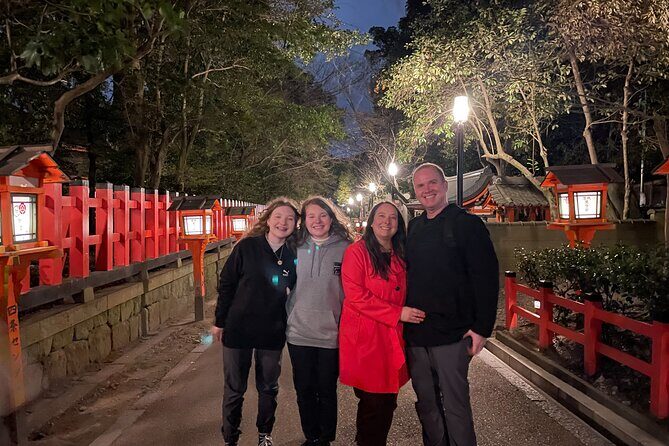
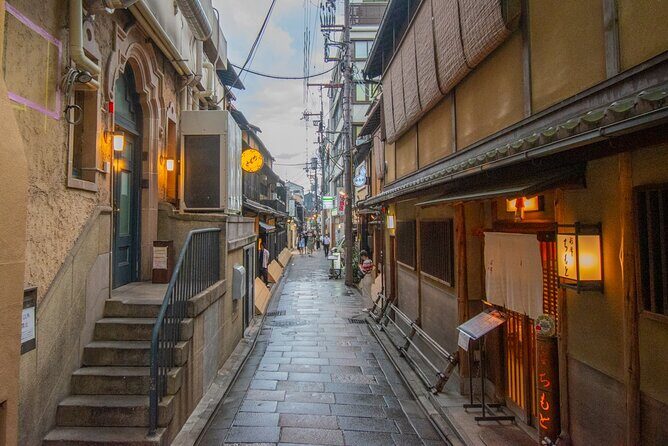
After Yasaka Shrine, you head toward the quieter-feeling alley network along the canal—classic Kyoto scenery with lanterns and small shops.
This part of the tour is genuinely useful, not just pretty. Walking through the alleys helps you understand how locals move through the neighborhood and why many “good” places are tucked away from the main tourist lanes. The guide points you toward the corridors that feel authentic because they weren’t built to serve as a big stage.
It’s also a nice reset. You’re out in the open, then you’re guided into the smaller lanes that make Gion feel human-sized.
Kawara-machi and the Hidden Restaurant Approach
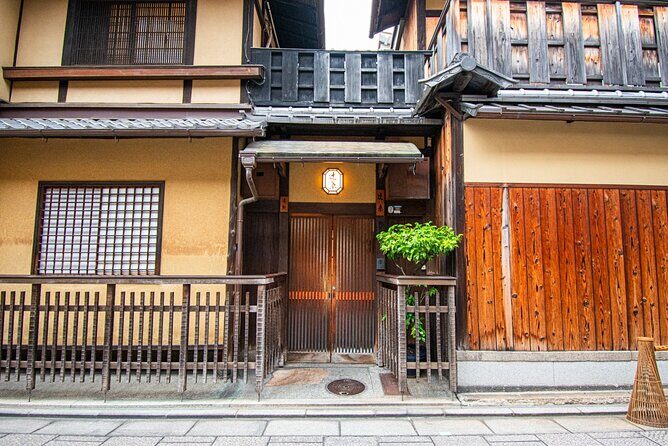
Eventually you arrive in the restaurant area around Kawara-machi. The tour’s philosophy here is simple: real restaurants often hide in plain sight, down side streets and away from the loudest corridors.
The tour is explicit about this: some local restaurants don’t cater well to foreigners, at least not without help. That’s where the guide earns their fee. They can help with what to order and what makes sense for the evening—so you don’t end up guessing or settling for something that looks familiar but isn’t the local experience you wanted.
Importantly, the restaurant part is not one-size-fits-all. The guide selects dishes that fit what your group wants to try—often including options like katsu, ramen, or izakaya (the exact mix can vary by tour). Then you sit, eat, and talk with your guide about what you’re learning in real time.




What You’ll Eat: Ramen, Katsu, Izakaya, and the Guide’s Matching Game
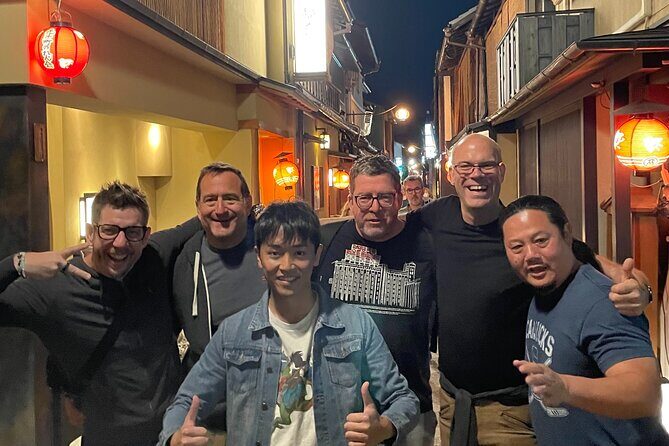
This experience is sold as a local food adventure through downtown Gion, and that shows up in the way meals are chosen. You don’t just get a single standardized “set menu.” The guide picks the best dish for the moment, and the tour description makes it clear the restaurant choices differ from tour to tour.
So you can reasonably expect a mix of Kyoto street-meets-dinner foods. Based on what the tour can include, you’ll want to be open to classic Japanese comfort choices such as:
- Ramen (a standout recommendation is part of the experience)
- Katsu (deep-fried comfort food that feels very Kyoto-compatible)
- Izakaya-style dining (for people who want small plates and variety)
What I like about this approach is that it reduces decision stress. Kyoto menus can be tough when you’re tired, hungry, and not fluent. With a guide, you spend your attention on enjoying the meal instead of decoding it.
One practical note: the tour doesn’t promise that every guest will eat the same thing every time. That’s usually a good thing for real local experiences, but it does mean you should show up ready to try what the guide chooses.
Takashi vs. Natsuki: Different Vibes, Same Core Goal
The tour highlights two guides by name: Takashi and Natsuki.
Takashi is described as a professional who also offers car tours in Kyoto, Nara, and Osaka, and his life is dedicated to trip tips and food. If you like big picture context—why things are where they are, how geography shapes neighborhoods, and what to ask next—he’s the type of guide who will keep talking as you eat.
Natsuki is described as delightful and welcoming, making the evening feel worthwhile even after a long day. That kind of guide energy matters on a night tour because you’re often coming in already tired. When the guide keeps things moving and friendly, the meal at the end lands better.
Either way, the goal stays the same: you learn while walking, then you eat in a way that feels local.
Price and Value: What $166.14 Buys (and What It Doesn’t)
The price is $166.14 per person, and the included parts are mainly about guidance and navigation—not the meal itself.
What’s included in the tour:
- Private and personalized navigation
- A group format designed to keep you moving through central Kyoto efficiently
- A mobile ticket
What’s not included:
- Dinner/All food is bought by guests (your guide can pay for his/her own food)
So the real value question is: are you paying for convenience and expertise, and do you want to use it?
In this case, you are paying for:
- someone who can get you to local-only style restaurants
- help choosing and ordering food you might not pick on your own
- an evening plan that includes cultural stops, not just eating
If you’d rather wander independently, you might not “need” a guide. But if your priority is to eat well in places that aren’t built for English-first tourists, then this can feel like good money spent.
Because food costs vary by restaurant and what you order, plan your budget with extra room for the meal.
Timing Reality Check: Why Being Late Can Change the Night
A key practical consideration: this is a night walking-and-dining plan. Shops may close as the evening progresses.
If you arrive late, you might miss parts of the walk or have fewer choices near early stops. That doesn’t mean the tour is ruined, but it can reduce the variety you hoped for—especially around the shrine-area area where small shops and stands may have limited hours.
My advice is boring but true: be on time, wear comfortable shoes, and keep your evening flexible so the guide can follow the intended flow.
Who This Tour Is Best For (and Who Might Want Something Else)
This works especially well for you if:
- you want a guided way into local restaurants that don’t cater to English
- you enjoy a calm evening walk with cultural context
- you like ramen, katsu, or izakaya-style eating and want help choosing
It may be less ideal if:
- you expected lots of tasting stops of different foods along the way, with multiple meals included
- you strongly prefer full control over your restaurant choice and menu
Also, the tour is listed for moderate physical fitness. You’re walking through neighborhoods and alleys, so plan for that—not a couch-to-cinema night.
Practical Tips I’d Use Before You Go
To make this evening run smoothly, here’s what I’d do:
- Wear shoes you don’t mind walking in for about 3 hours at night.
- If ramen is your top goal, mention it early to the guide during the meal planning.
- Bring your appetite. This is a walk-then-dine format, and you’ll feel the timing when the meal hits.
- If you have questions about geisha, pagoda, or Kyoto geography, this is exactly the kind of tour where those come up naturally.
Should You Book This Gion Food Adventure?
If you want a low-stress way to eat well in downtown Kyoto—with an actual guide who can explain what you’re seeing and help with restaurant choices—then I think this is a smart booking.
I’d book it when you care about local food more than building your own route, and when you’re happy paying for dinner on top of the tour price. It’s also a great pick if you’re the type who asks questions and enjoys learning while walking.
Skip it if you’re expecting a fully included, tasting-heavy food crawl with minimal costs and maximum stop-count certainty. Night tours are timing-sensitive, and you’ll get the best results by showing up on time and going with the guide’s plan.
FAQ
What time does the tour start?
The tour starts at 7:30 pm, and the activity ends back at the meeting point.
Where do we meet for the tour?
The meeting point is Gion-Shijo Station (1 Chome Miyagawasuji, Higashiyama Ward, Kyoto).
How long is the experience?
It runs for about 3 hours.
Is the tour private?
Yes. It’s a private tour/activity, and only your group participates.
Are meals included in the price?
No. All food is bought by guests. The guide can pay for his/her own food.
What’s included in the tour price?
The tour includes private and personalized navigation, plus the tour is run with a mobile ticket.
Is there free cancellation?
Yes. You can cancel for a full refund up to 24 hours before the experience starts.