Kyoto has a way of slowing you down. Here, you trade the usual walk-and-look day for hands-on culture in Furukawacho Shopping Arcade, with a private English-speaking staff guiding your choices. I love that you can pick two workshops to match your mood, and I love the practical skills you’ll leave with, from sharpening to writing kanji. One thing to keep in mind: workshop availability can affect which two you get, and the prepaid fee is refunded if a chosen option can’t be reserved.
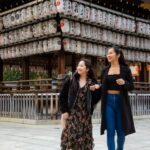
The setting helps. Lanterns hang from the arcade roof, and the whole place feels like a neighborhood working space—retro and modern at the same time. You’ll learn from an artisan at a sharpening store, cook Kyoto home-style obanzai with chef-owner Kyo-gohan Nishimura, or make a personal calligraphy hanging scroll, using brush, ink, and a suzuri.
In This Review
- Key highlights you’ll notice right away
- Furukawacho Shopping Arcade: a Kyoto you can actually feel
- Private English staff and your 2-workshop combo
- Knife sharpening with a whetstone artisan (90 minutes)
- Obanzai making at the arcade, with Kyo-gohan Nishimura (70 minutes)
- Calligraphy with brush, ink, suzuri, and your name (90 minutes)
- Timing, meeting point, and how to plan your day
- Price ($98.53) and value: what you’re really paying for
- Who this experience is best for
- Should you book Shirakawa Japanese Culture Experiences?
- FAQ
- What does the Shirakawa Japanese Culture Experiences tour include?
- How long is the experience?
- Can I choose which workshops I do?
- Will the staff speak English during the workshops?
- What happens if I cannot get the workshop option I chose?
- How big is the group for this private activity?
- Where is the meeting point?
- Is transportation included?
- Is the ticket refundable if I cancel?
Key highlights you’ll notice right away
- Private English guidance at every workshop, so you’re not guessing what’s going on
- Two choices out of three (knife sharpening, obanzai, calligraphy) in about 3 hours
- Furukawacho Shopping Arcade as the classroom, with that everyday Kyoto feel
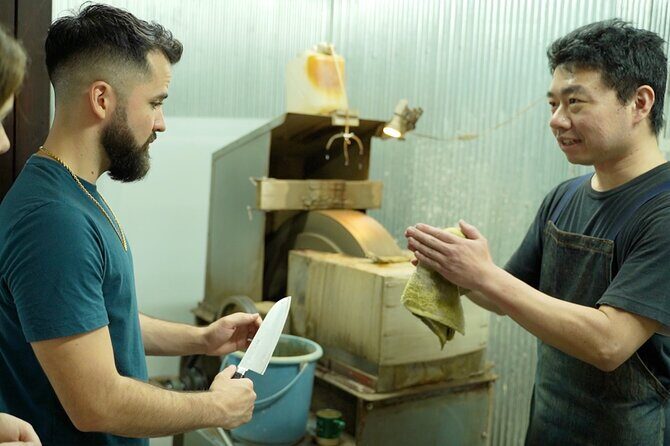
- Knife sharpening on a whetstone, taught by an artisan with 26 years of experience
- Obanzai with Kyo-gohan Nishimura, including buying ingredients at the arcade stores
- Calligraphy that turns into a keepsake-style hanging scroll with your name in kanji
Furukawacho Shopping Arcade: a Kyoto you can actually feel
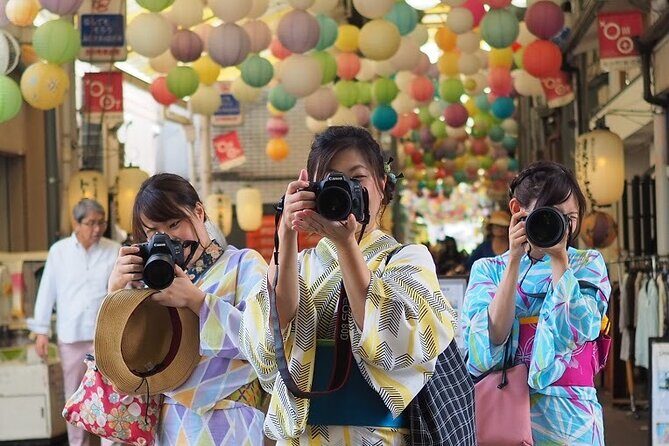
This experience is set in the Furukawa area of Kyoto at Furukawacho Shopping Arcade, where the concept is simple: the arcade is part of daily life, not a stage. Lanterns under the roof create a cozy glow that makes the whole space feel like you’ve wandered into someone’s neighborhood routine. And because it’s described as retro and modern, you get that mix of old-school craft and current local energy.
For me, the best part is that you’re not just learning about Japanese culture—you’re working inside it. Knife sharpening happens in a store built around sharpening cutting tools. Obanzai making connects directly to home cooking. Calligraphy uses traditional materials and a basic method you can repeat later at home. You’ll probably see the arcade the way locals see it: as a place to cook, learn, and run errands.
If you’re hoping for only scenic sightseeing, this might feel less like that. But if you want a day that gives you stories you can use—skills, recipes, and a physical result—this is the kind of activity that fits.
Other private tours in Kyoto
Private English staff and your 2-workshop combo
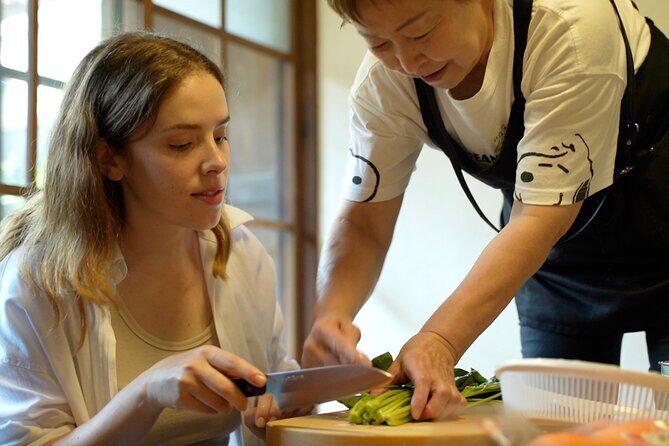
You’ll have an English private staff member with you during the workshops. That matters more than people think, especially when the topics are hands-on. Knife sharpening, cooking, and calligraphy all have steps where a small misunderstanding can slow you down—or make you miss what the instructor is emphasizing.
You get to choose two experiences from three options:
- Knife sharpening (90 minutes)
- Obanzai making (70 minutes)
- Calligraphy experience (90 minutes)
The schedule length is about three hours total, so they’re designed to fit together without turning into a marathon. Also, this is limited to groups of 2 to 6, which helps keep the instruction focused and the pace reasonable for everyone.
One practical consideration: the two workshops depend on reservation availability. The provider notes that you might not be able to participate in the workshop of your choice. If that happens, the prepaid fee is refunded to the credit card you used for payment. So I’d choose your top two, but be ready to be flexible if availability shifts.
Knife sharpening with a whetstone artisan (90 minutes)
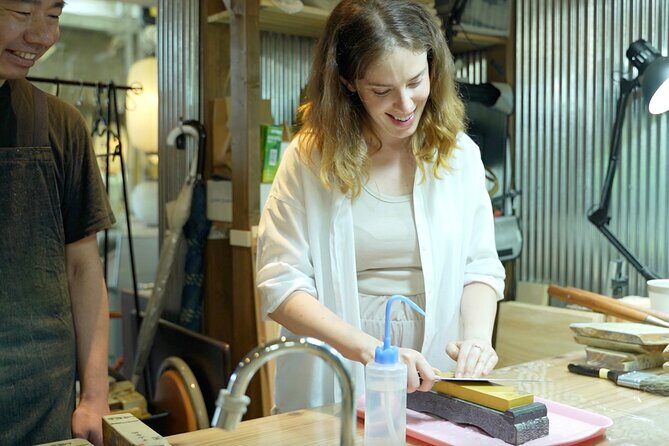
If you like useful skills—things you can do again at home—knife sharpening is the headliner. This is taught at a store specializing in sharpening cutting tools on a whetstone. You’re not just watching someone do it once. You’re learning how to sharpen knives properly, with instruction from an artisan who has 26 years of career experience.
Why this matters: a sharp knife is safer and more efficient. With good technique, you don’t have to fight food or force cuts. Even if you never become a sharpening-nerd, the core idea you’ll pick up here is how sharpening actually works: angle, pressure, and consistency while working on the whetstone.
This workshop also tends to connect well with other food-focused choices. If you later book obanzai, you’ll have a bit more confidence about chopping and prep. And if you go calligraphy instead, the sharpening still gives you a strong craft skill, rooted in traditional tool maintenance rather than just a performance lesson.
Possible drawback: if you’re very squeamish about blade-related activities or feel uncomfortable with sharp tools, this might require extra comfort on your end. The setting is a sharpening store, so it’s part of the environment.
Obanzai making at the arcade, with Kyo-gohan Nishimura (70 minutes)
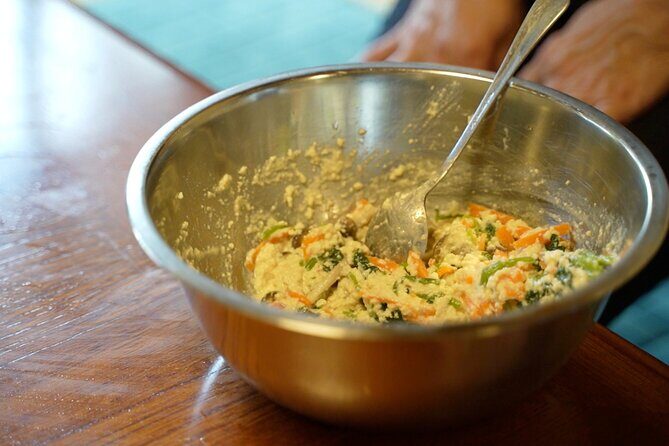
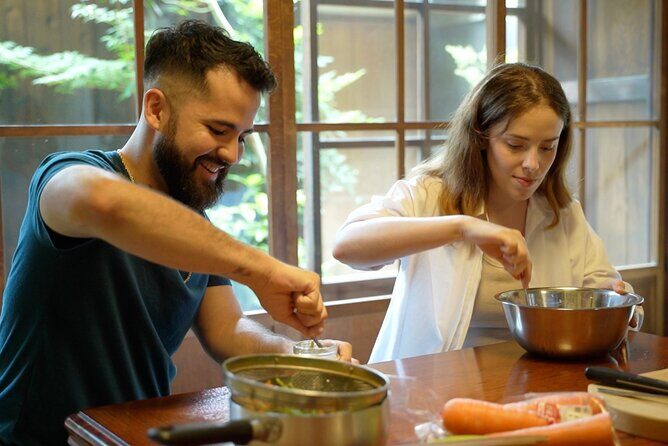
Obanzai is a Kyoto-specific term for home-cooked dishes passed down through families. That family link is part of the charm here. Instead of using generic recipes, the lesson is connected to an obanzai shop at the arcade—Kyo-gohan Nishimura, the chef-owner.
You’ll do three things that make this more than a cooking demo:
- Buy ingredients at stores inside the shopping arcade
- Cook obanzai dishes on-site
- Learn the family-recipe approach from the chef-owner
That ingredient-shopping step is a big deal for value. It turns the lesson into a small local food walk, even though you’re not doing a long tour. You’ll see what the arcade carries, how ingredients are sourced around the neighborhood, and how local cooking starts before the kitchen even begins.
What you’ll likely love most is the shift in mindset. Obanzai isn’t about cooking fancy. It’s about making food that belongs to the place and the season, using methods that feel familiar. If you’ve spent your trip bouncing between major attractions, this is the kind of reset that makes Kyoto feel personal.
A practical consideration: the provider says you’ll buy ingredients at the arcade stores. The tour includes the workshops and private English staff, but this ingredient purchase is part of the activity. Plan for some extra spending beyond the base price if you choose obanzai.
Calligraphy with brush, ink, suzuri, and your name (90 minutes)
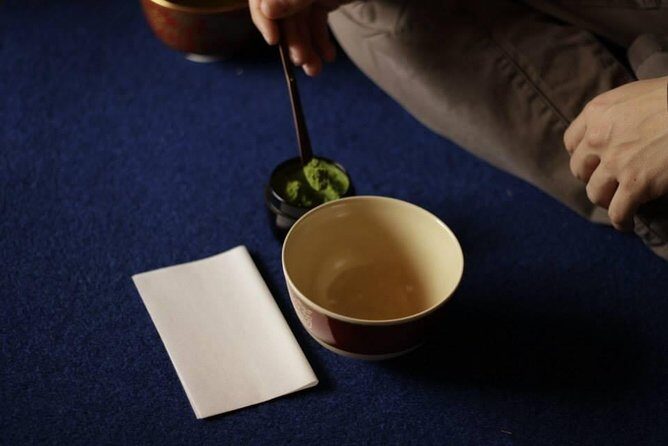
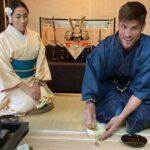
Calligraphy is where this experience becomes a souvenir you can actually use—at least as a conversation piece. The lesson starts with the shape of kanji, then moves to the tools: brush, ink, and suzuri. You then try writing by brush, so you’re not just observing technique.
The personalization is what makes it feel meaningful. You can ask the instructor how to write kanji for your name, and you’ll complete a one-of-a-kind hanging scroll. That final result is also a nice break from the food-and-tool side of Kyoto culture. It’s craft, patience, and language in one.
Why it’s valuable: calligraphy teaches you more than strokes. It nudges you toward structure—how characters are built and how you control your movement. Even if your final scroll isn’t perfect, the process gives you something you can compare to later if you practice.
A drawback to consider: this is a 90-minute workshop. If you’re tired from walking, or you want something lighter, you might prefer pairing calligraphy with the shorter obanzai option instead of knife sharpening.


Timing, meeting point, and how to plan your day
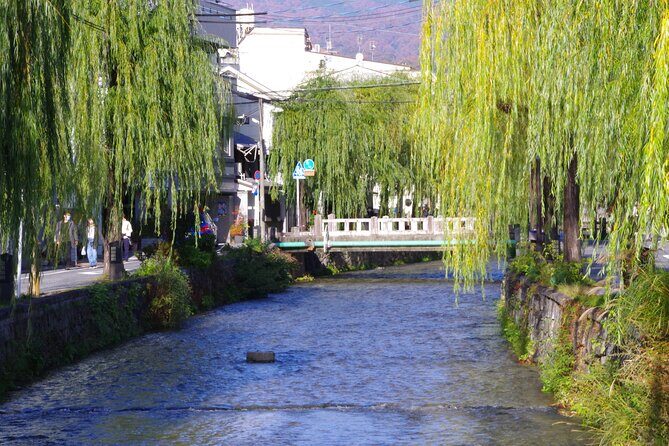
This activity is anchored at the Furukawacho Shopping Arcade, starting at 古川趣蔵 (Furukawashuzo) / 白川まちづくり会社 546-1, Furukawachō, Higashiyama Ward, Kyoto. It ends back at the meeting point. They also mention it’s near public transportation, so you won’t be locked into a single bus stop or taxi-only situation.
The whole experience runs about 3 hours and includes two workshops with your private English-speaking staff. That time frame is ideal if you want an authentic, focused experience without losing half a day to transit and backtracking.
What I’d do to get the most out of it:
- Decide your two workshop choices ahead of time, but keep one as a flexible backup.
- If you choose obanzai, budget for shopping ingredients at the arcade stores.
- Wear comfortable shoes. Even though it’s not a big walking tour, you’ll still move around a working arcade environment.
Also, note that this is a private tour/activity, meaning only your group participates. With a group size capped at 2 to 6, you should expect a less chaotic feel than shared lessons.
Price ($98.53) and value: what you’re really paying for
At $98.53 per person, the price can look “reasonable” only if you understand what’s included. You’re paying for:
- Two workshops
- A private English-speaking staff with you
- Time in a local setting at Furukawacho Shopping Arcade
That combination is usually where the value hides. In many parts of Kyoto, you can pay for an English-speaking guide and still end up with a mostly observational experience. Here, your money goes toward doing the thing: sharpening, cooking, or writing.
The two big value questions to ask yourself are:
- Do you want a hands-on day instead of a standard sightseeing block?
- Would you choose two of these topics even if you had to arrange them yourself?
If yes, this starts to look like a strong deal because you’re bundling instruction, tools/lesson structure, and local access into one set of hours. If you only want one of the activities, it’s harder to feel the same value. So treat it as a two-workshop sampler from Kyoto craft life.
Who this experience is best for
This is a good fit if you:
- Want authentic Kyoto culture in a neighborhood setting, not just famous landmarks
- Like practical skills you can take home—especially knife sharpening and calligraphy
- Prefer a smaller, quieter format (2 to 6 people) with English support
- Appreciate food culture and want the Kyoto-specific definition of obanzai
It’s also a solid choice if you’re the kind of traveler who’s tired of staying at the surface. The arcade setting and the hands-on structure give you that local-community feel that people tend to rave about—because you’re doing real work, not only consuming sights.
Should you book Shirakawa Japanese Culture Experiences?
Yes, if your goal is a hands-on Kyoto day with English support and real craft time. The big selling points—private English-speaking staff, choosing two workshops, and learning in Furukawacho Shopping Arcade—make it a compact way to get something deeper than a typical sightseeing loop.
I’d also book it sooner rather than later, since workshop options depend on reservation availability. And if you’re set on a specific pairing, be ready to adjust if your first choice isn’t available.
If, however, you want a fully relaxed, zero-effort day with no tools, no shopping ingredients, and no chance of workshop switching, then this may feel like too much planning. In that case, choose a more flexible activity.
FAQ
What does the Shirakawa Japanese Culture Experiences tour include?
It includes two workshops and a private English-speaking staff. The tour takes place at Furukawacho Shopping Arcade in Kyoto.
How long is the experience?
The duration is approximately 3 hours.
Can I choose which workshops I do?
Yes. You can choose two experiences out of knife sharpening, obanzai making, and calligraphy.
Will the staff speak English during the workshops?
Yes. An English-speaking staff attends you at all of the workshops.
What happens if I cannot get the workshop option I chose?
If reservation availability prevents you from participating in the workshop of your choice, the prepaid fee will be refunded to the credit card used for payment.
How big is the group for this private activity?
This course accepts people from 2 to 6.
Where is the meeting point?
The start point is 古川趣蔵 (Furukawashuzo) / 白川まちづくり会社 546-1, Furukawachō, Higashiyama Ward, Kyoto, 605-0026, Japan.
Is transportation included?
No. Private transportation is not included.
Is the ticket refundable if I cancel?
This experience is non-refundable and cannot be changed for any reason.